Senegalese Cuisine
Elegant, generous, and deeply seasoned — the jewel of West African cuisine.
Introduction
Senegalese cuisine is widely celebrated as one of the finest in West Africa, distinguished by its refined layering of flavors, generous hospitality, and the cultural pride that surrounds every shared meal. At the heart of Senegalese cooking is a masterful balance of caramelized onions, citrus, mustard, dried fish, and fresh seafood — techniques that transform simple staples into dishes of remarkable depth.
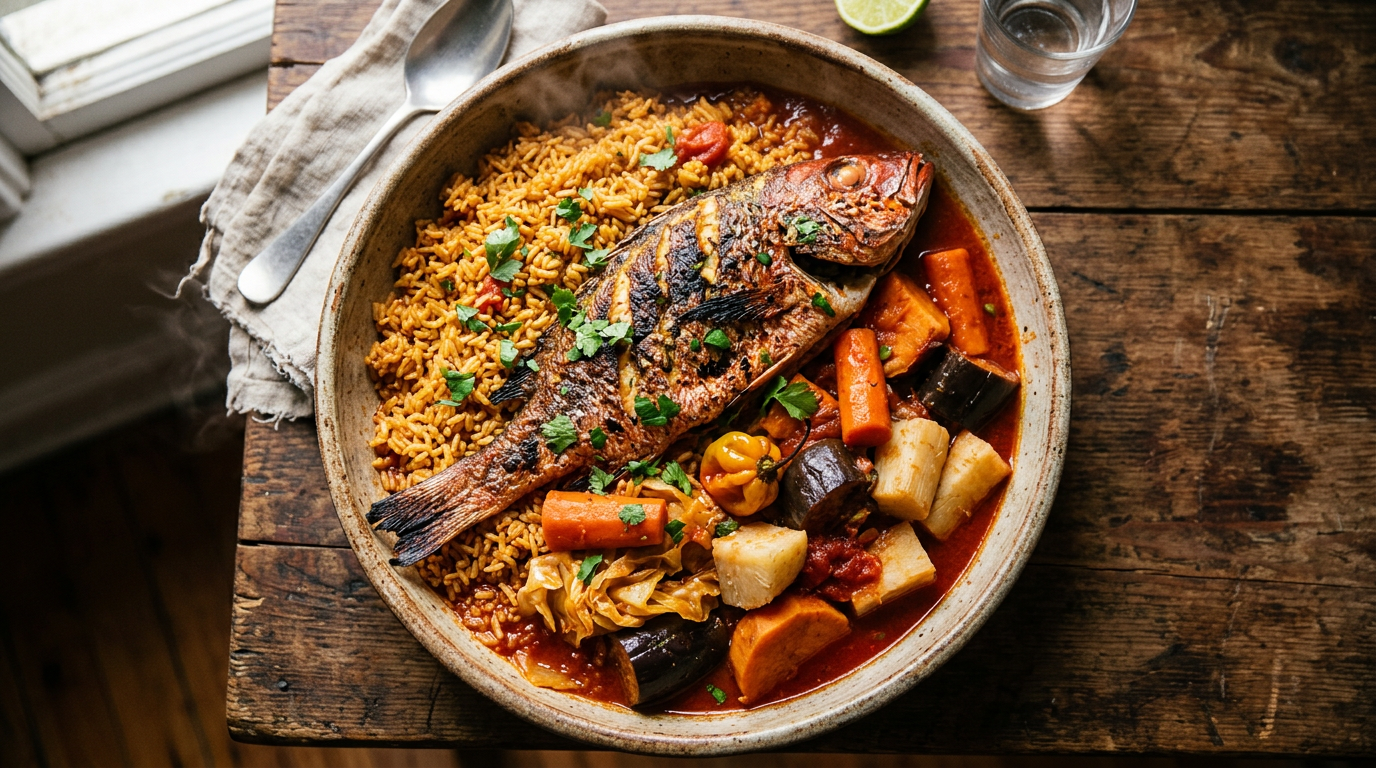
The national dish, thieboudienne (rice and fish), embodies the Senegalese kitchen: a single pot of broken rice simmered with stuffed fish, tomato paste, tamarind, and a mosaic of seasonal vegetables, each element contributing to a harmonious whole. Whether served from a communal bowl at a Dakar family table or adapted in kitchens around the world, Senegalese food is an invitation to gather, share, and savor.
History
Senegalese cooking has been shaped by centuries of trans-Saharan trade, Atlantic seafaring, and the agricultural rhythms of the Sahel and the coast. Indigenous grains like millet and fonio, combined with the arrival of rice through Portuguese and later French colonial influence, established the foundations of a cuisine that spans inland stews and coastal fish preparations.
French colonial presence introduced techniques and ingredients — baguettes, mustard, Dijon vinaigrette — that Senegalese cooks absorbed and reinvented rather than adopted wholesale. The result is a cuisine that feels entirely its own, drawing from Wolof, Serer, Jola, and Fulani culinary traditions into a national style recognized by UNESCO.
Cultural Context
Eating in Senegal is a communal act. Meals are typically served in a single large bowl around which family and guests sit, eating with the right hand or a spoon. The host ensures the best pieces of fish or meat are placed in front of guests — teranga, or hospitality, is considered a cornerstone of Senegalese identity.
Religious observance, predominantly Muslim, shapes food rhythms: Ramadan brings special dishes like thiéré (millet couscous) and sweet porridges, while celebrations like Tabaski feature grilled lamb. Street food thrives in Dakar and Saint-Louis, from fataya (stuffed pastries) to café Touba (spiced coffee).
Regional Variations
Seafood-dominated, with thieboudienne as the iconic dish. Fresh fish, shrimp, and dried seafood flavor stews and rice dishes.
Influenced by proximity to Guinea-Bissau and the Gambia; palm oil, tropical fruits, and fresh oysters appear alongside distinctive rice preparations.
More reliance on millet, groundnuts, and dried fish; mafé (groundnut stew) and lakh (millet porridge) are everyday staples.
Fulani pastoral traditions contribute milk-based dishes and simple grilled meats alongside river fish preparations.
Core Ingredients
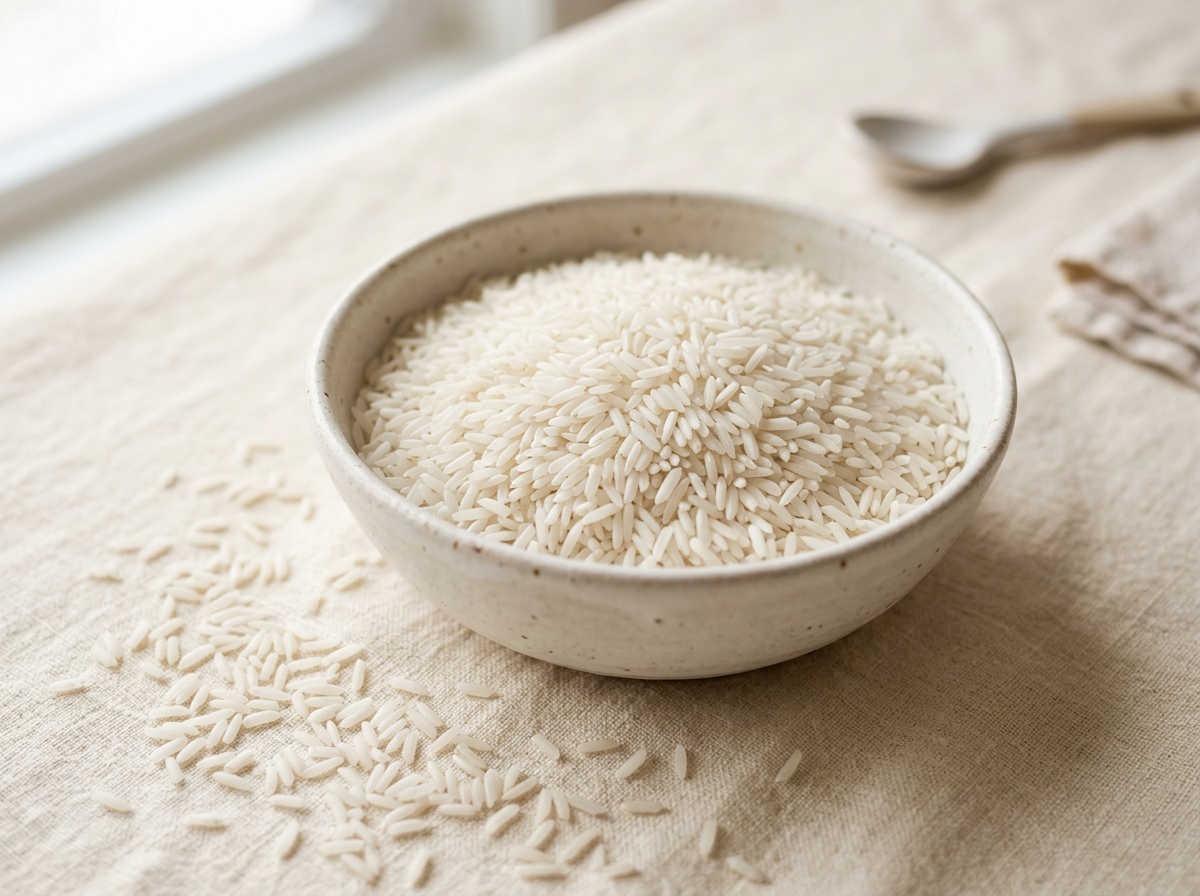
Broken rice (riz brisé) is the everyday staple, prized for absorbing the rich tomato-onion sauces of thieboudienne and yassa.
Fresh thiof (grouper), dried fish (guedj), and fermented conch (yett) provide umami depth to stews and rice dishes.
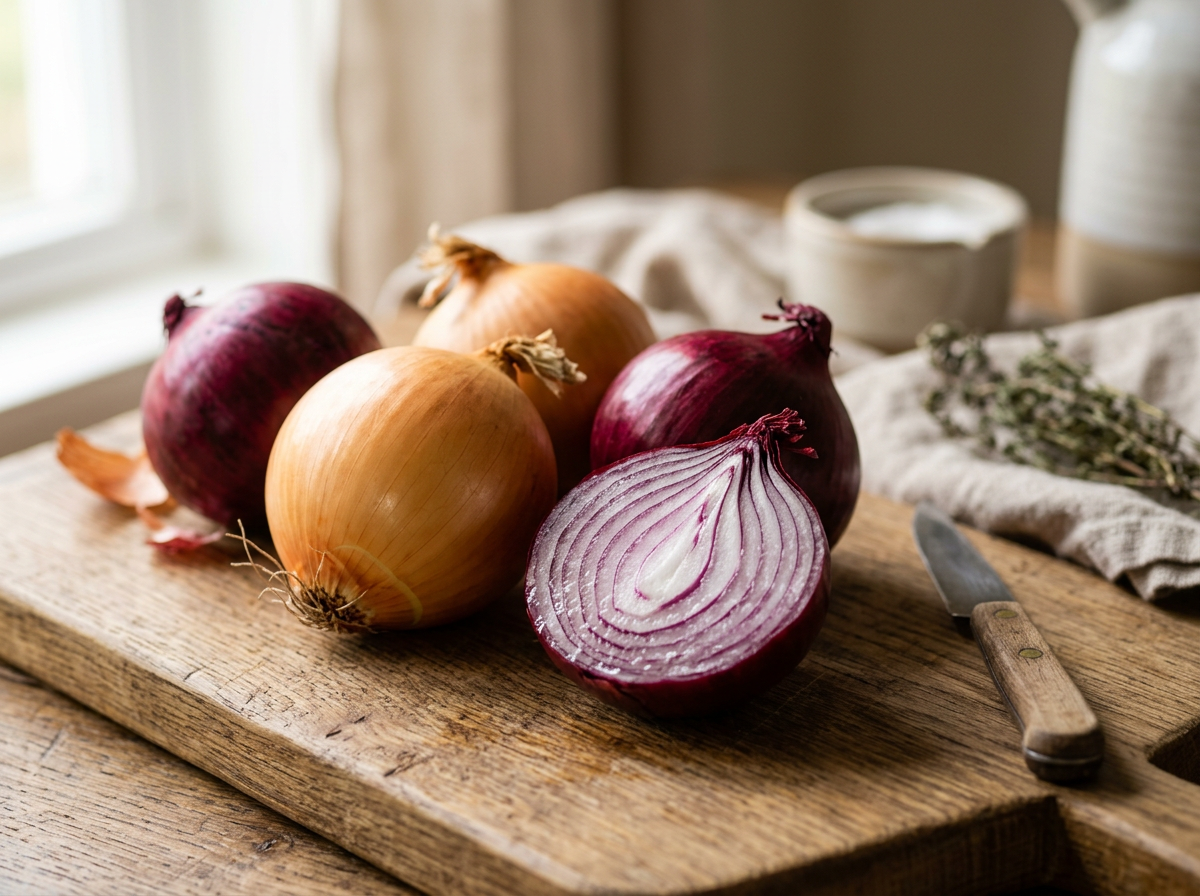
Slowly caramelized until deeply golden, onions form the flavor backbone of yassa and many sauces.
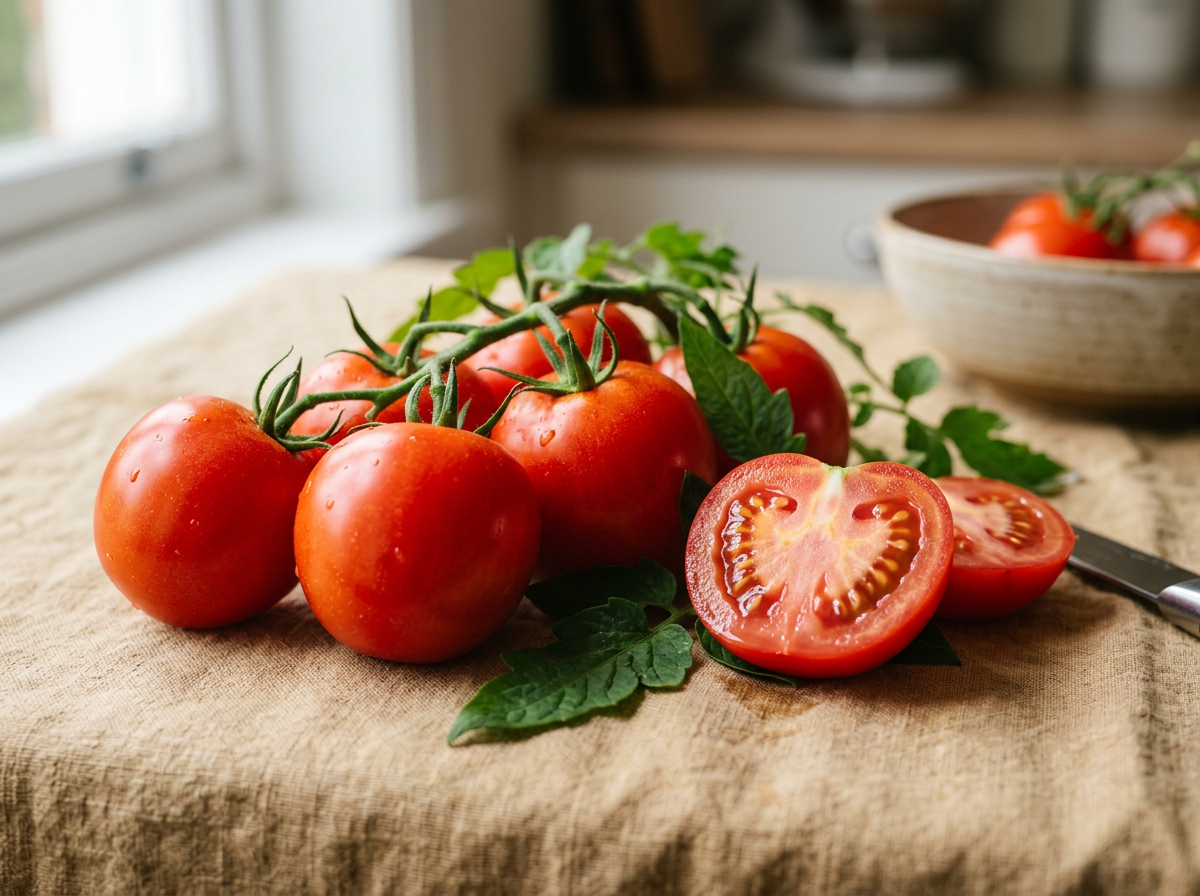
Concentrated tomato paste builds color and sweetness, while tamarind adds tart depth to thieboudienne.
Ground into a thick paste for mafé, one of Senegal's most beloved comfort stews.
Dijon mustard and fresh citrus brighten marinades, particularly in poulet yassa.
Signature Techniques
Onions are sliced thin and slowly browned until deeply golden, then deglazed with lemon and mustard to create the signature yassa sauce.
Whole fish are scored and packed with rof (a parsley-garlic-pepper paste) before simmering in the rice pot.
Tomato paste is fried until it darkens, then vegetables and stock are layered before rice is added to cook in the flavored liquid.
Sun-drying and fermenting fish and shellfish creates intense umami seasonings used across many dishes.
Signature Dishes
Senegal's national dish: broken rice simmered with stuffed fish, tomato paste, tamarind, and seasonal vegetables in one pot.
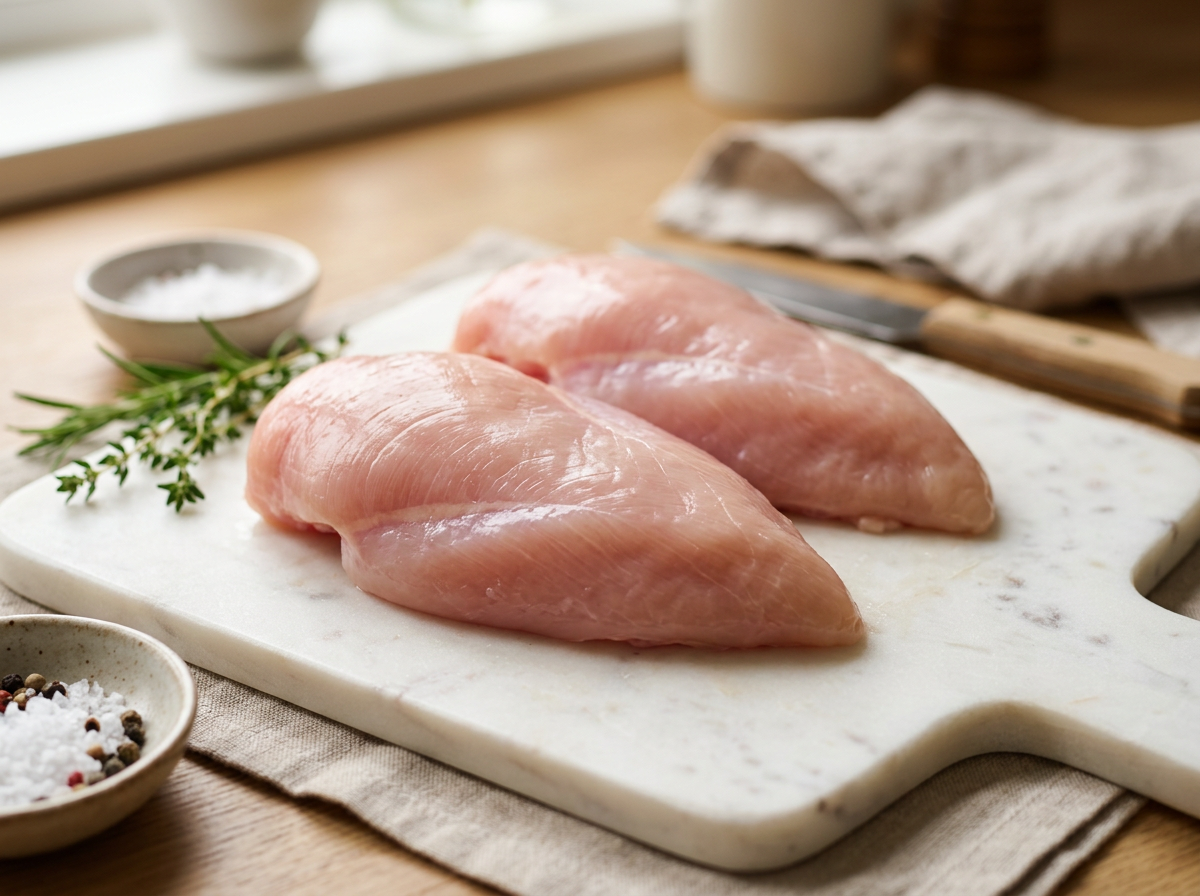
Chicken marinated in lemon and mustard, then braised over deeply caramelized onions — tangy, savory, and addictive.
A rich groundnut (peanut) stew with meat or fish, tomatoes, and root vegetables served over rice.
Steamed millet couscous served with a vegetable-and-meat sauce, common during Ramadan and family gatherings.
Crispy stuffed pastries filled with seasoned fish or meat — a beloved street-food snack.
Senegalese Recipes to Cook
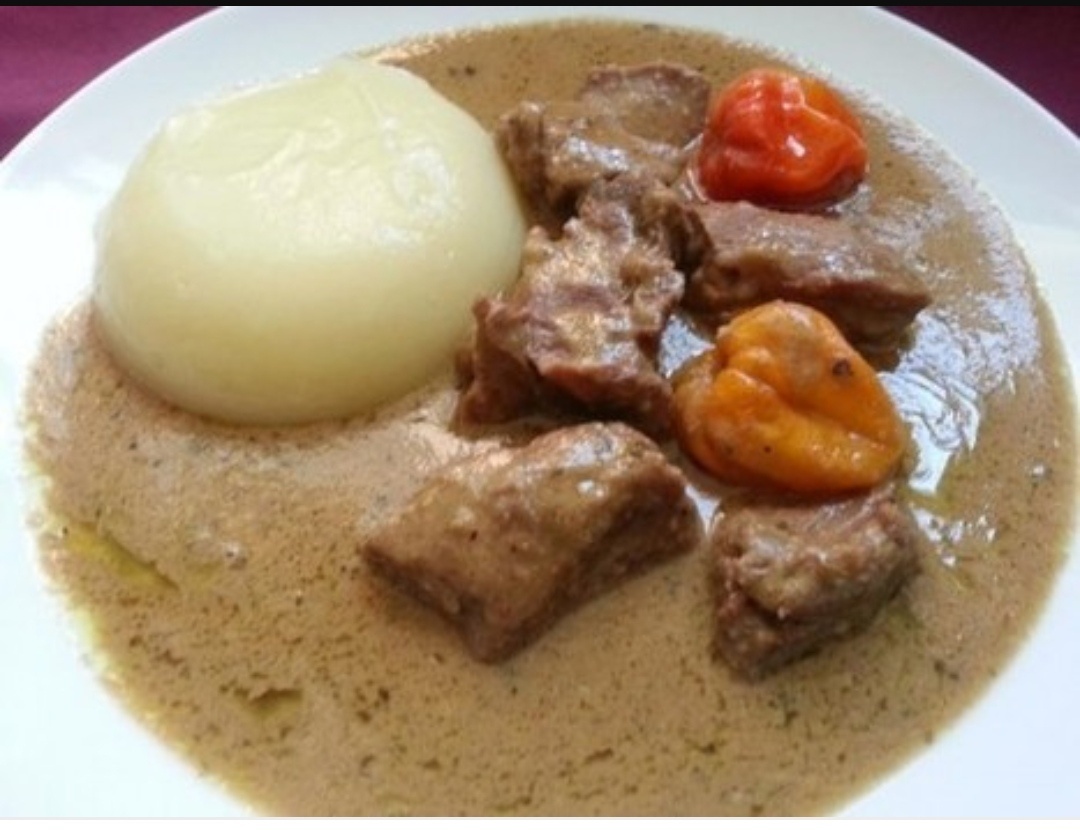
Senegalese Mafe
A comforting West African peanut stew from Senegal, slow-simmering beef with tomato and peanut butter into a thick, russet sauce studded with root vegetables and served over rice.

Chicken Yassa
A tangy Senegalese classic of chicken marinated in lemon and mustard, then braised with a generous mountain of caramelized onions into a bright, savory sauce served over rice.

Thieboudienne
Senegal's national dish — a majestic one-pot of fish and vegetables braised in a spiced tomato broth, then used to cook broken rice until deeply flavored and tinged red. A true celebration meal.
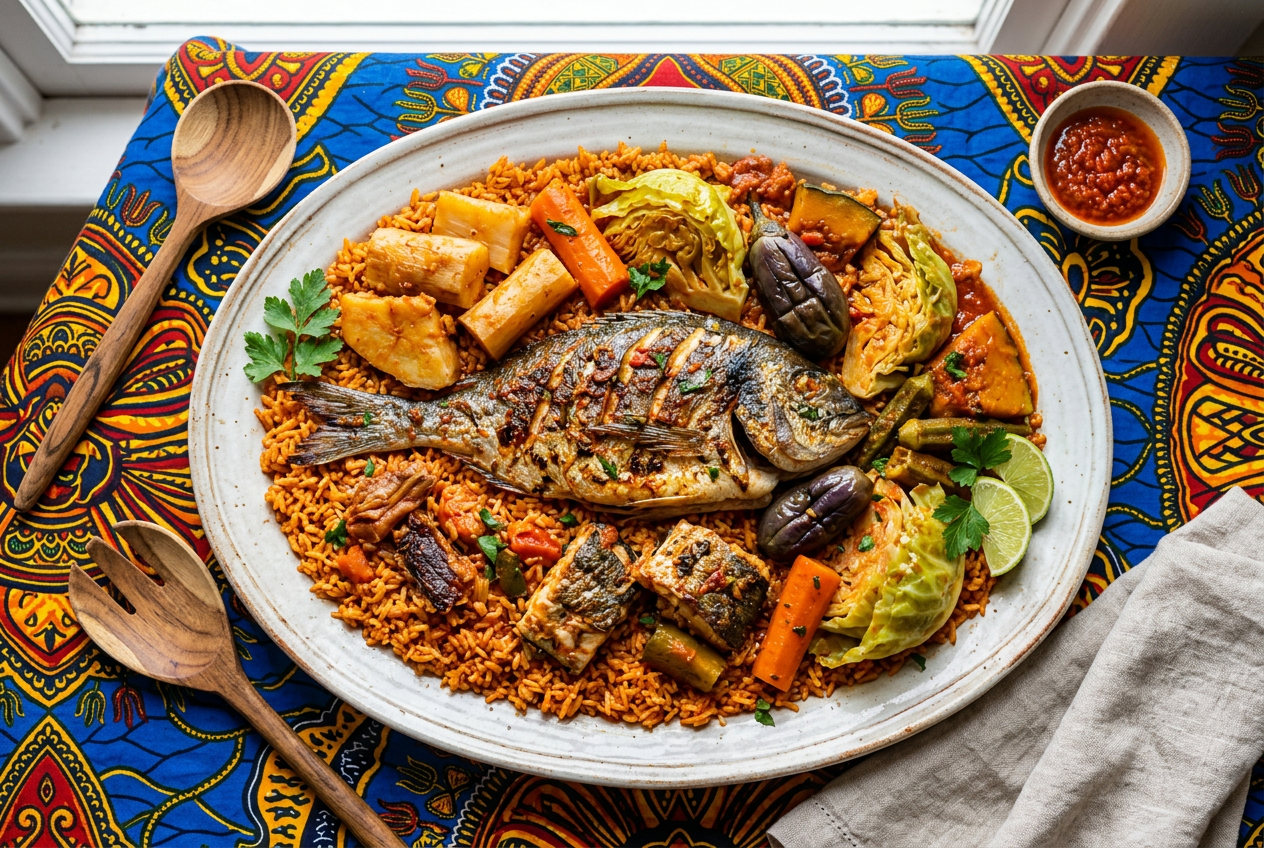
Senegalese Thieboudienne
Senegal’s national dish: seasoned fish simmered with an array of vegetables over broken rice in a rich tomato-tamarind sauce — a magnificent, budget-stretching one-pot feast.
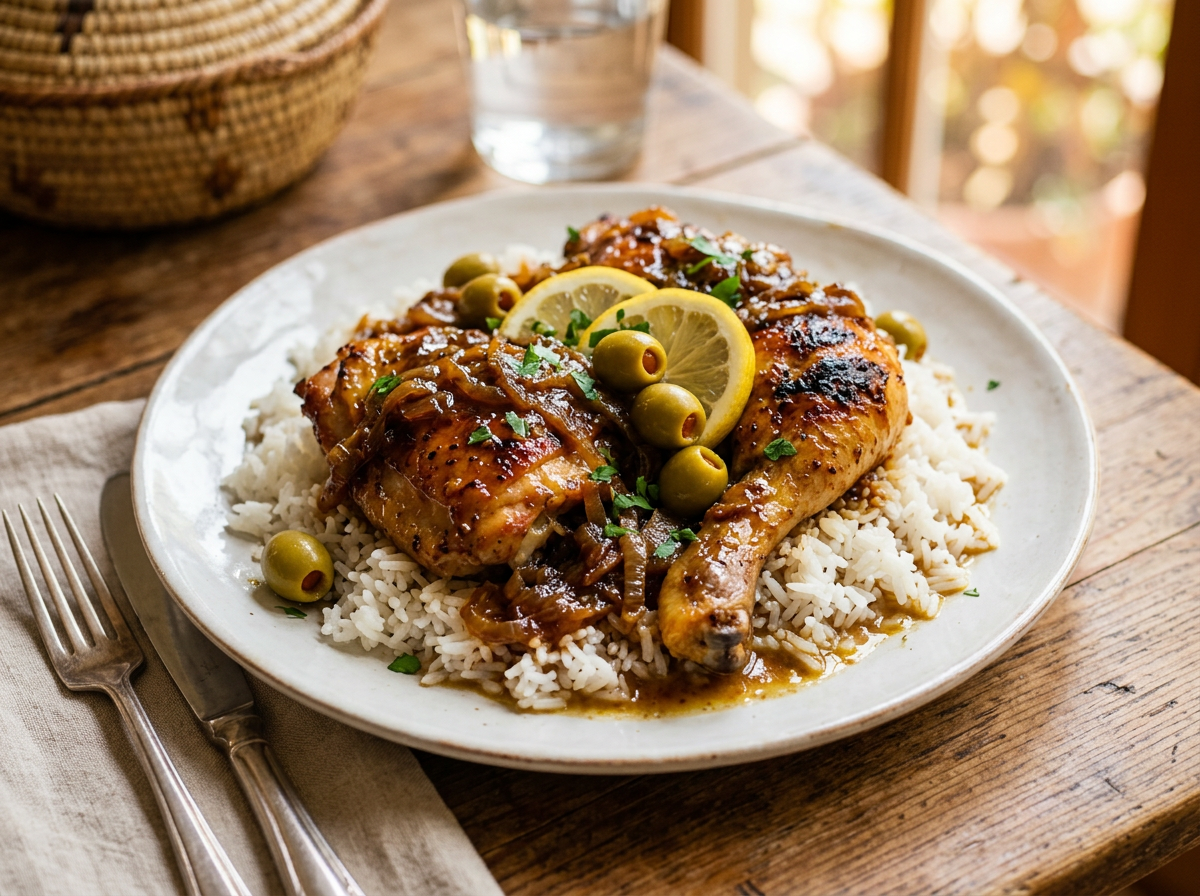
Senegalese Yassa Poulet (Chicken Yassa)
Chicken marinated in lemon and mustard, then braised low and slow with a mountain of caramelized onions until glossy and tangy. This iconic Senegalese dish is traditionally served over fluffy white rice with olives.
Key Ingredients to Explore
Cooking Guides You May Like
A Guide to West African Cooking
From jollof rice to groundnut stew, West African cooking is generous, spice-forward, and made for sharing. Here is an introduction.
Understanding Cooking Methods: Dry Heat, Moist Heat, and More
Every cooking method changes texture and flavor in a specific way. Knowing which to choose is the key to cooking anything well.
Building Balanced Meals: A Simple Framework
You do not need to count anything to eat well. A simple visual framework does the work for you.