Nigerian Cuisine
Bold, smoky, and celebratory — the powerhouse of West African home cooking.
Introduction
Nigerian cuisine is one of the most influential food traditions on the African continent, defined by bold pepper heat, deep savory stews, and a genius for turning a handful of staples into a table full of celebration. With more than 250 ethnic groups, Nigeria offers not one cuisine but many, united by a love of one-pot rice dishes, richly seasoned soups, and grilled, spiced meats.
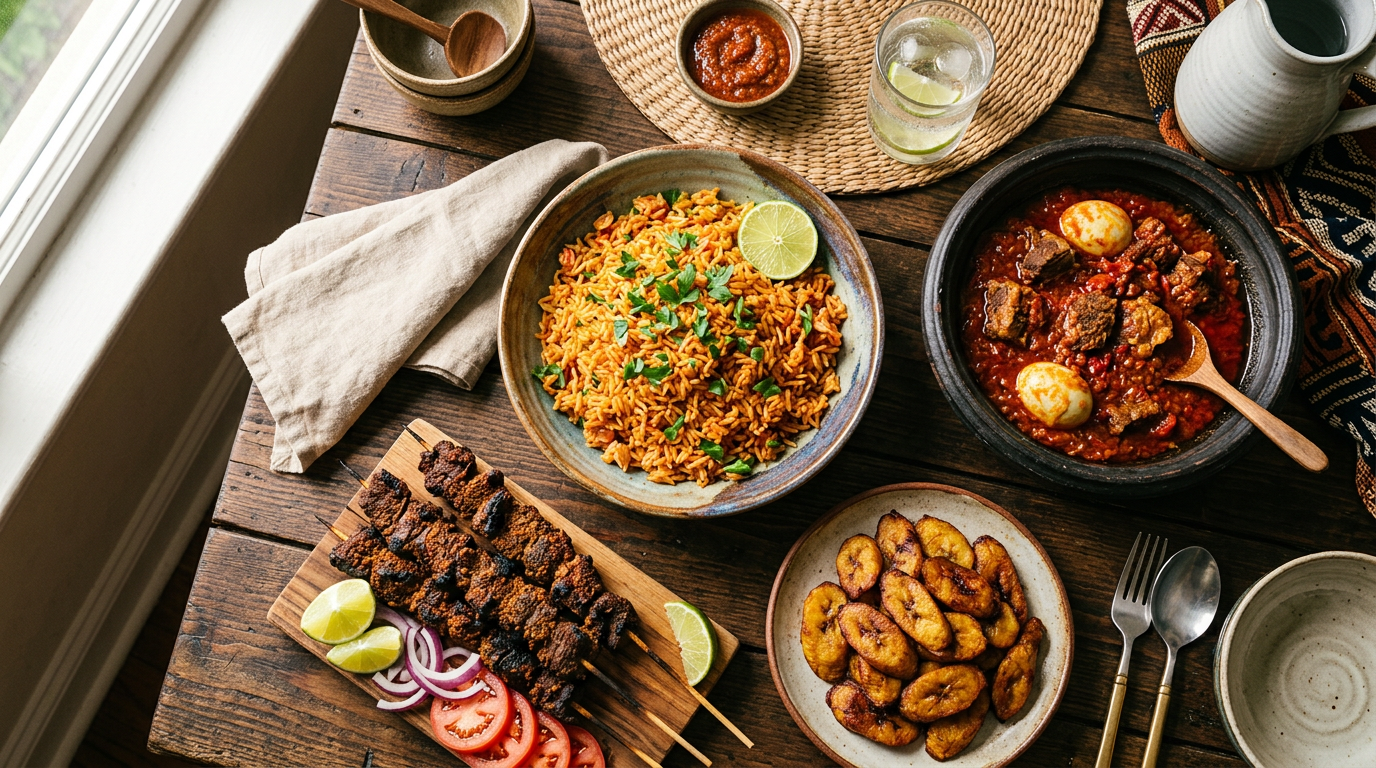
At its heart, Nigerian cooking is generous and communal. A pot of jollof rice, a peppery stew simmered until the oil rises to the top, and a plate of golden fried plantain form the backbone of everyday meals and grand occasions alike.
History
Nigerian food has been shaped over centuries by the agricultural wealth of the region — yams, cassava, rice, and palm oil — and by trade across the Sahara and along the Atlantic coast, which introduced chilies, tomatoes, and new cooking vessels. Indigenous grains and tubers remain the foundation, while the ubiquitous scotch bonnet pepper and tomato base arrived through global exchange and were absorbed into the national palate.
The dish most associated with Nigeria today — jollof rice — is a proud symbol of national identity and the subject of a famously friendly rivalry with neighboring Ghana. Its smoky, tomato-rich character reflects the West African mastery of building deep flavor from a simple base of peppers, onions, and tomatoes.
Cultural Context
Food is inseparable from hospitality and community in Nigeria. Weddings, naming ceremonies, and festivals revolve around enormous pots of rice and stew, and offering food to a guest is a fundamental expression of respect and welcome.
Everyday eating favors a shared spread: a starchy "swallow" such as pounded yam or eba paired with a soup, or rice with stew and protein. Street food culture is vibrant too, from suya skewers grilled over open flames to puff-puff sold on busy corners.
Regional Variations
Known for jollof rice, ewa agoyin (mashed beans with a spicy sauce), and rich stews thickened with ground melon seed (egusi).
Famous for soups like ofe nsala and bitterleaf soup, and for staples such as fufu and yam prepared in countless ways.
Grilled and spiced meats dominate, most iconically suya — thin skewers coated in a peanut-and-spice rub — alongside grain-based porridges.
Seafood-forward cooking with fresh fish, periwinkles, and palm-oil-rich soups seasoned with local spices and herbs.
Core Ingredients
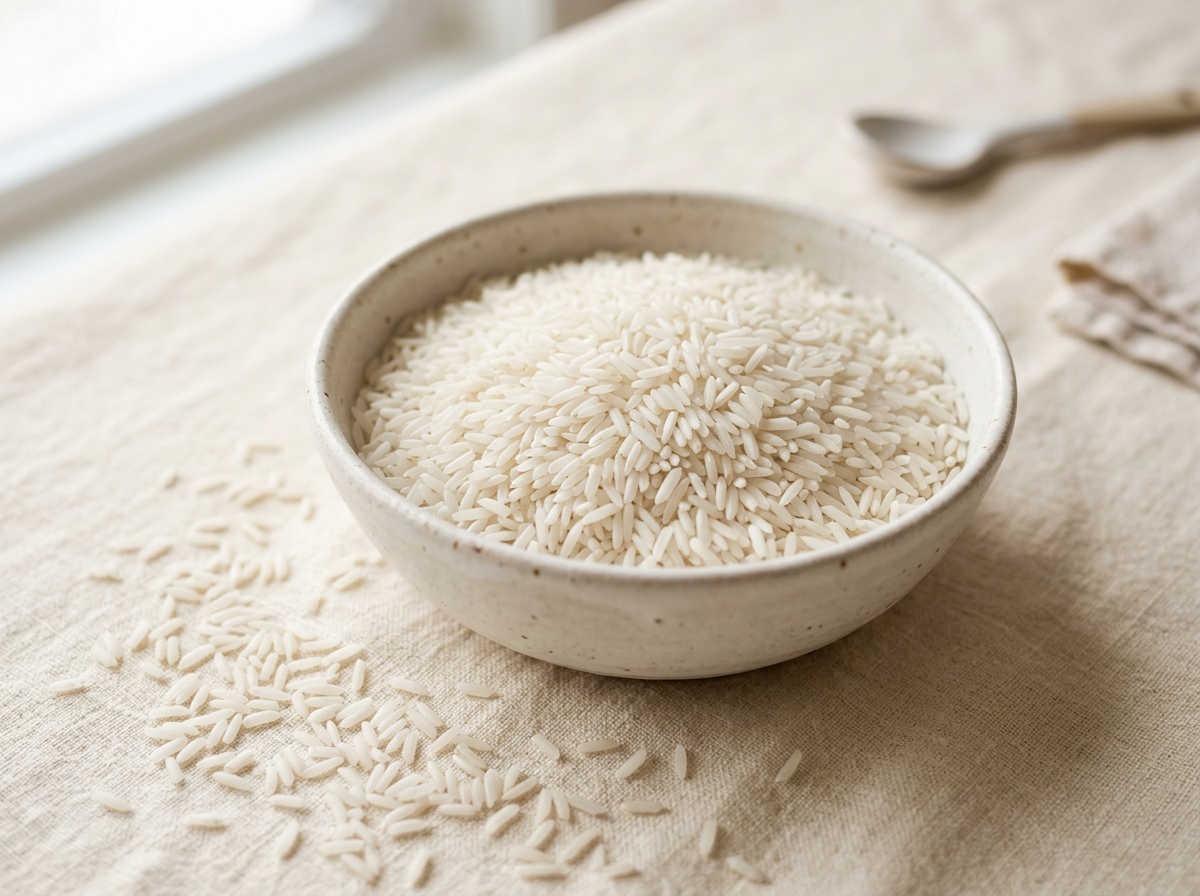
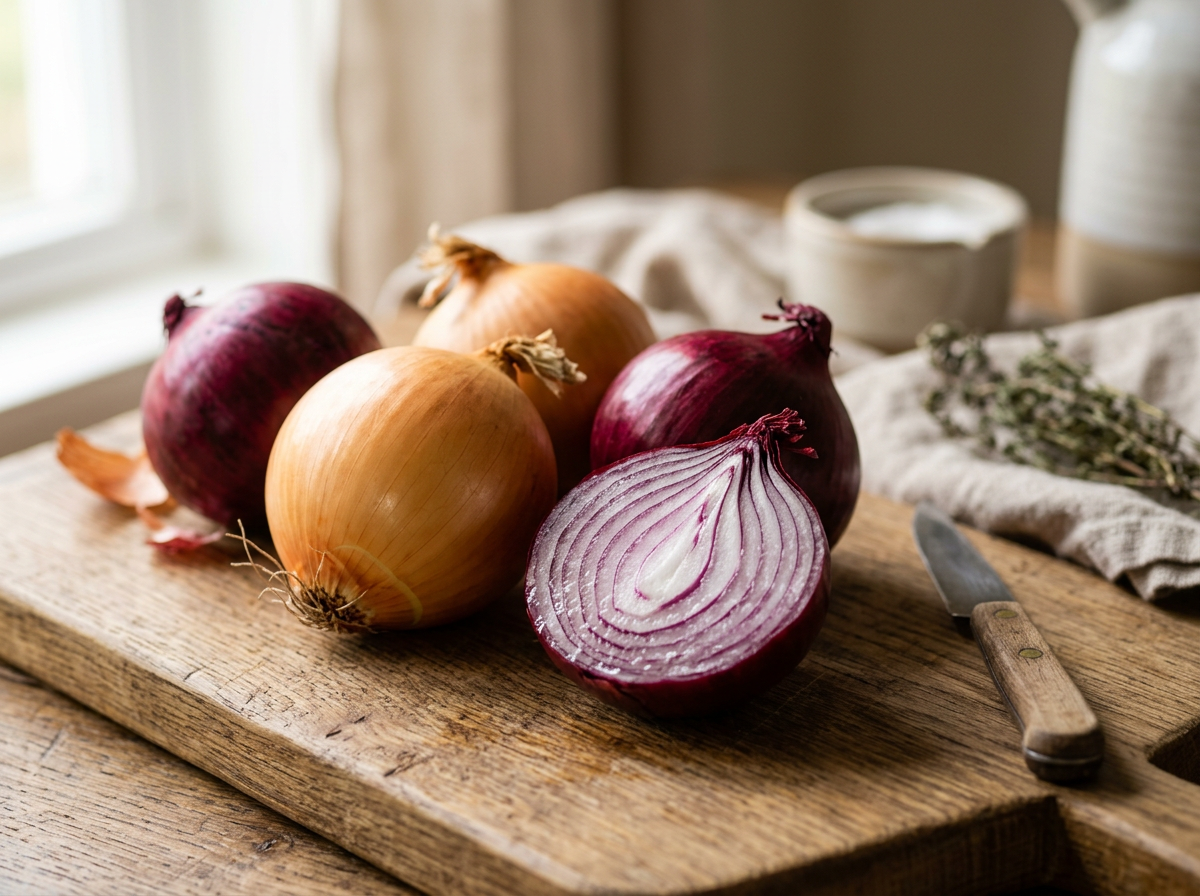
The base of jollof and countless party dishes, prized for absorbing smoky tomato-pepper flavor.
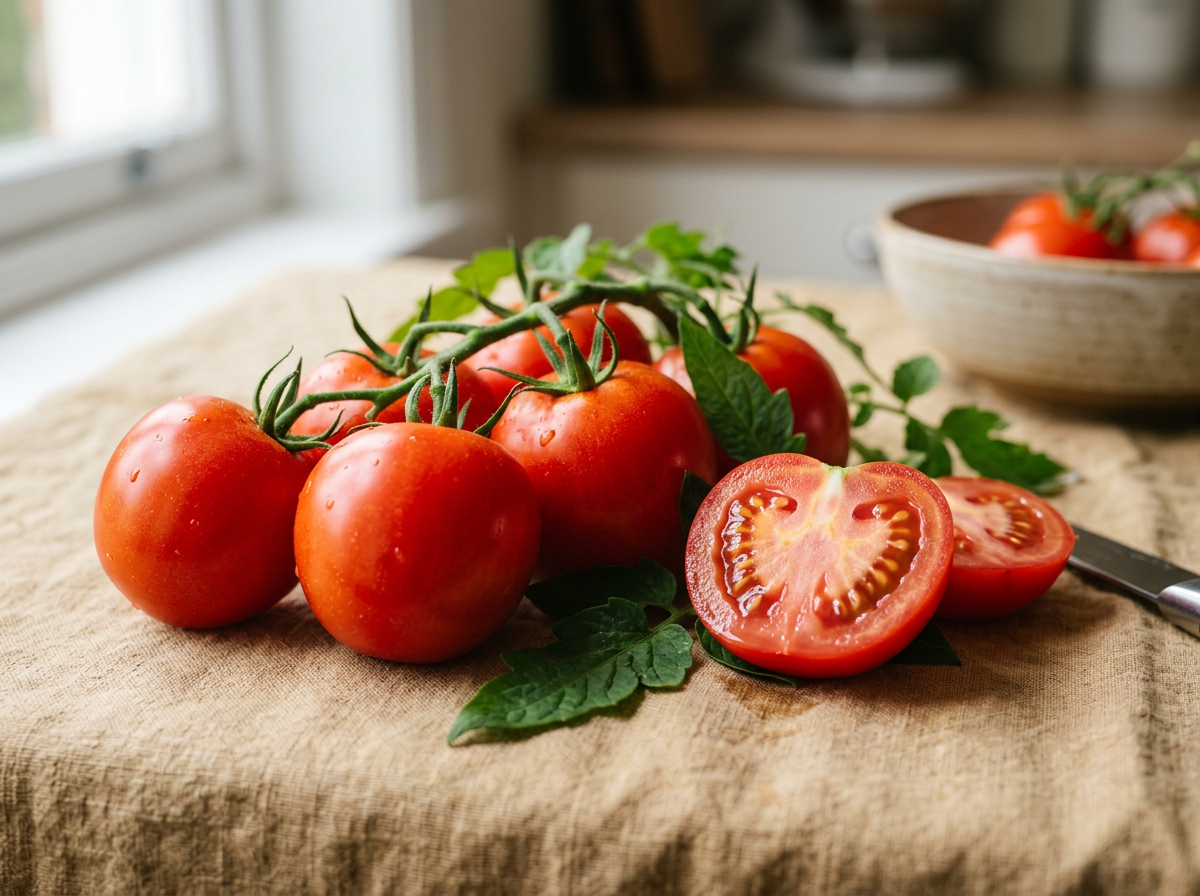
Blended into the essential stew base that underpins jollof, pepper soup, and everyday sauces.
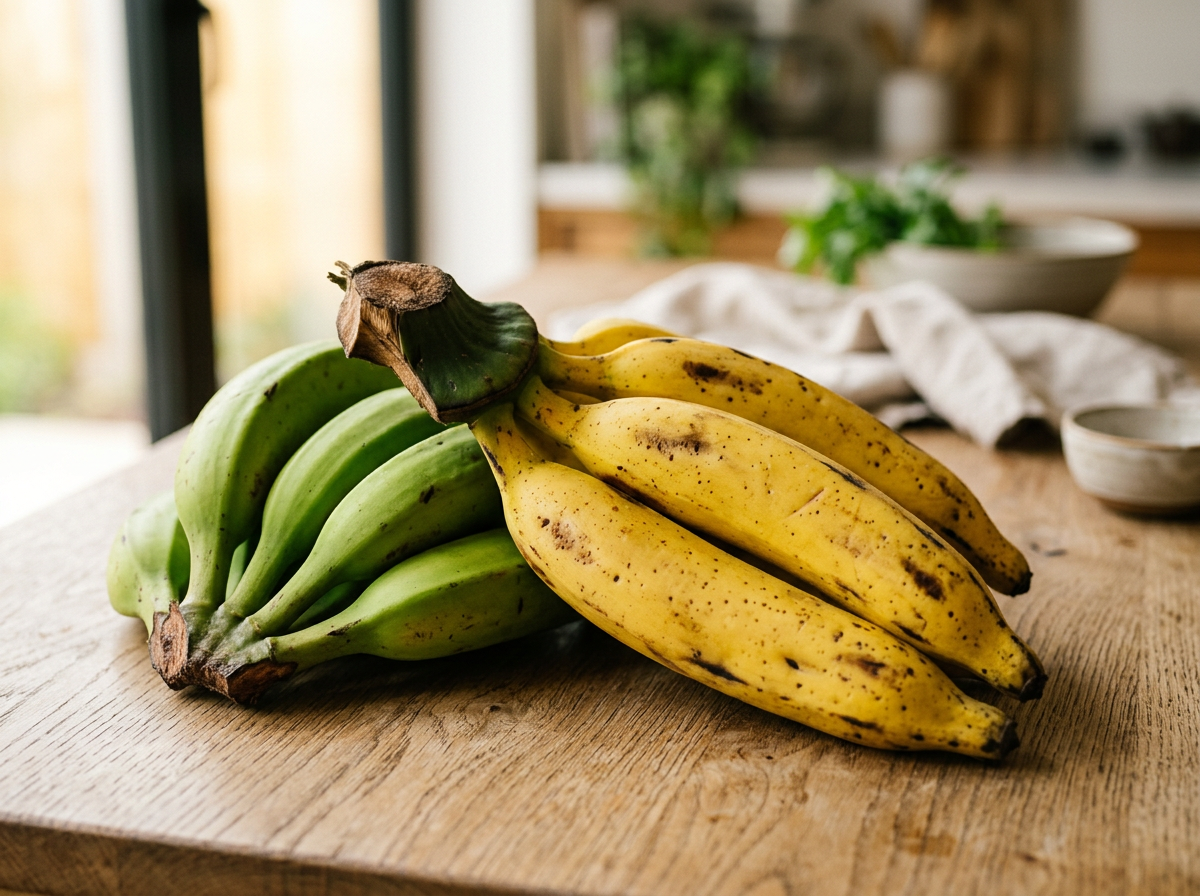
Fried into dodo, boiled, or roasted — a beloved sweet-savory partner to stews and rice.
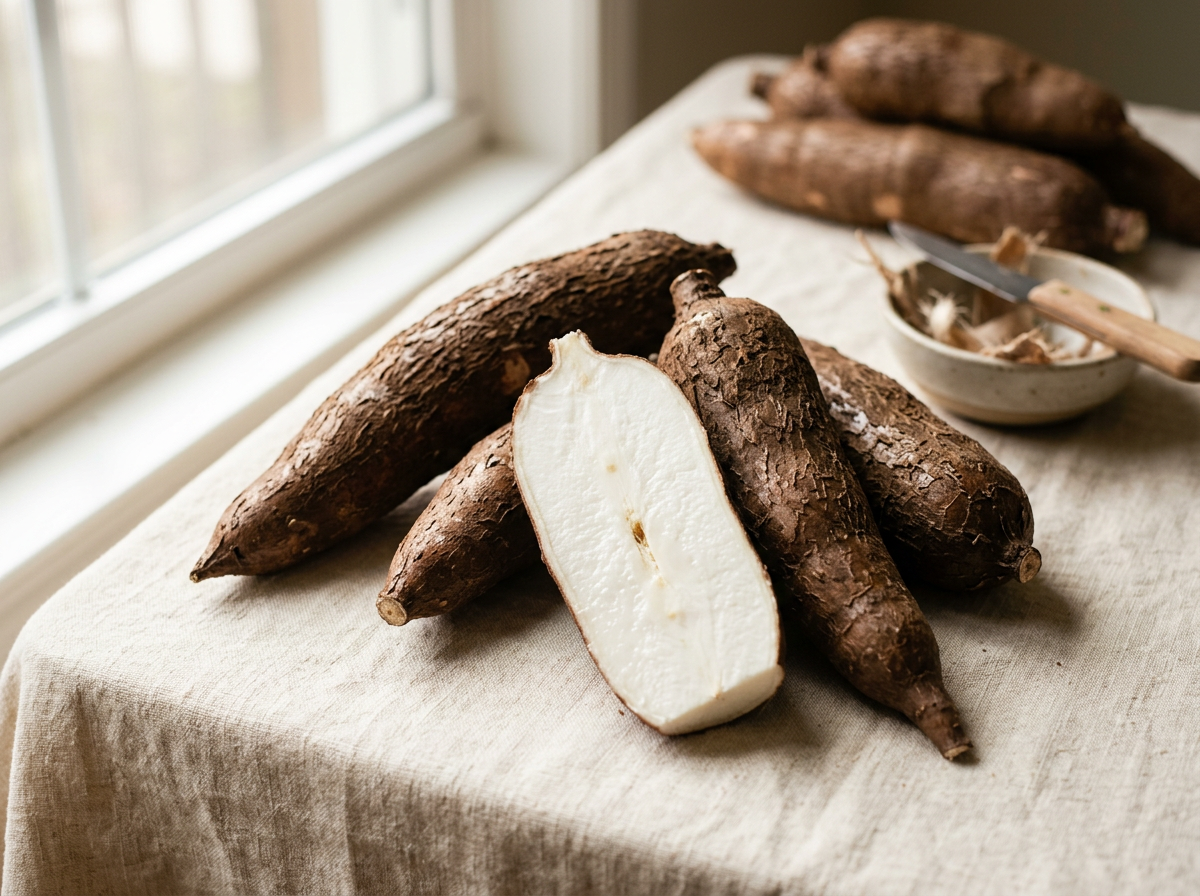
Processed into garri, fufu, and eba — foundational "swallow" staples eaten with soups.
Gives soups and stews their signature red color and earthy richness.
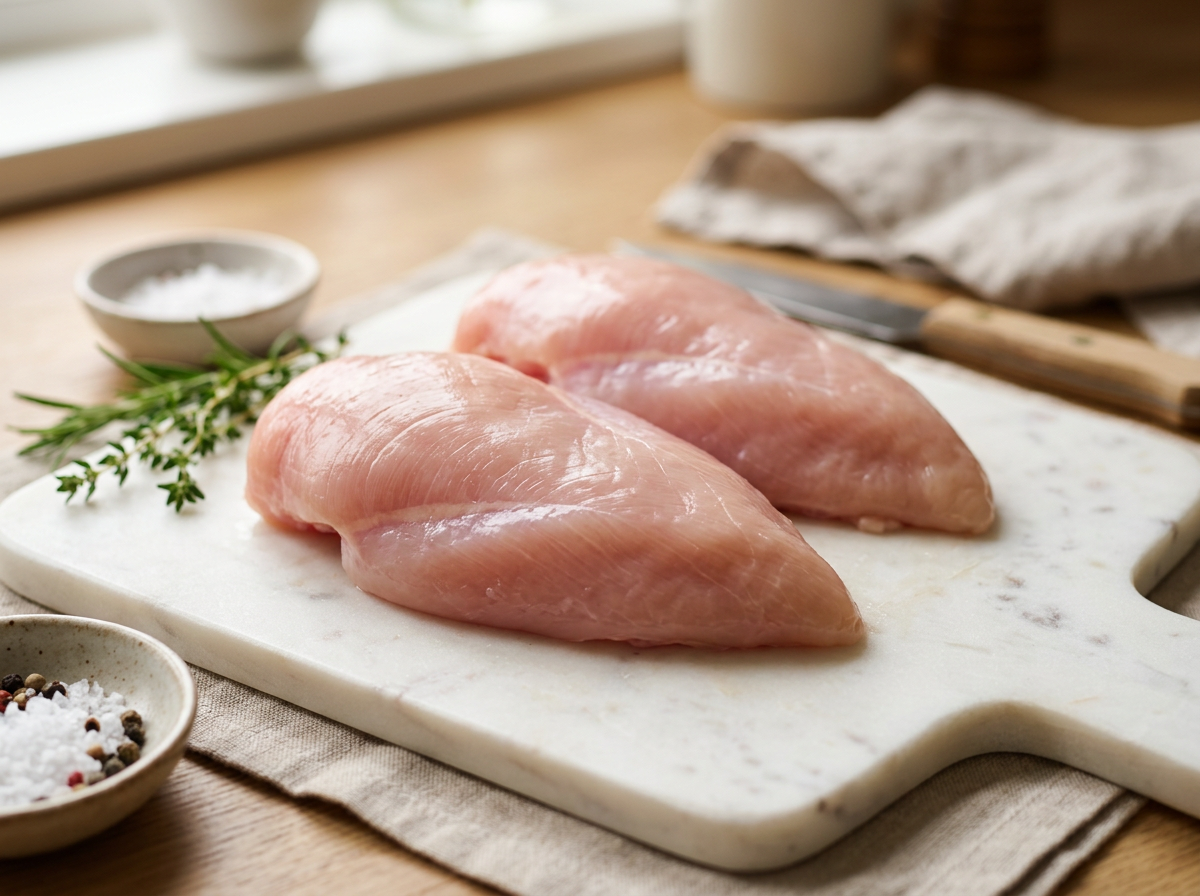
Grilled, fried, or simmered in stew; goat is favored for celebrations.
Signature Techniques
Blending peppers, tomatoes, and onions, then frying the purée in oil until reduced and deeply flavored is the cornerstone technique.
Cooking rice in the stew base — sometimes over a wood fire — to develop the coveted smoky bottom layer.
Thin cuts of meat are coated in a peanut-spice rub (yaji) and grilled over charcoal.
Starchy staples are pounded or reconstituted into smooth, stretchy accompaniments for soups.
Signature Dishes
One-pot rice simmered in a smoky tomato-pepper base — the crown jewel of Nigerian celebration food.
A hearty soup thickened with ground melon seeds, leafy greens, and assorted proteins.
Spice-crusted grilled meat skewers, a legendary street-food snack.
Smooth pounded yam served alongside rich soup, a classic pairing.
Sweet, airy fried dough balls enjoyed as a snack or at gatherings.
Nigerian Recipes to Cook
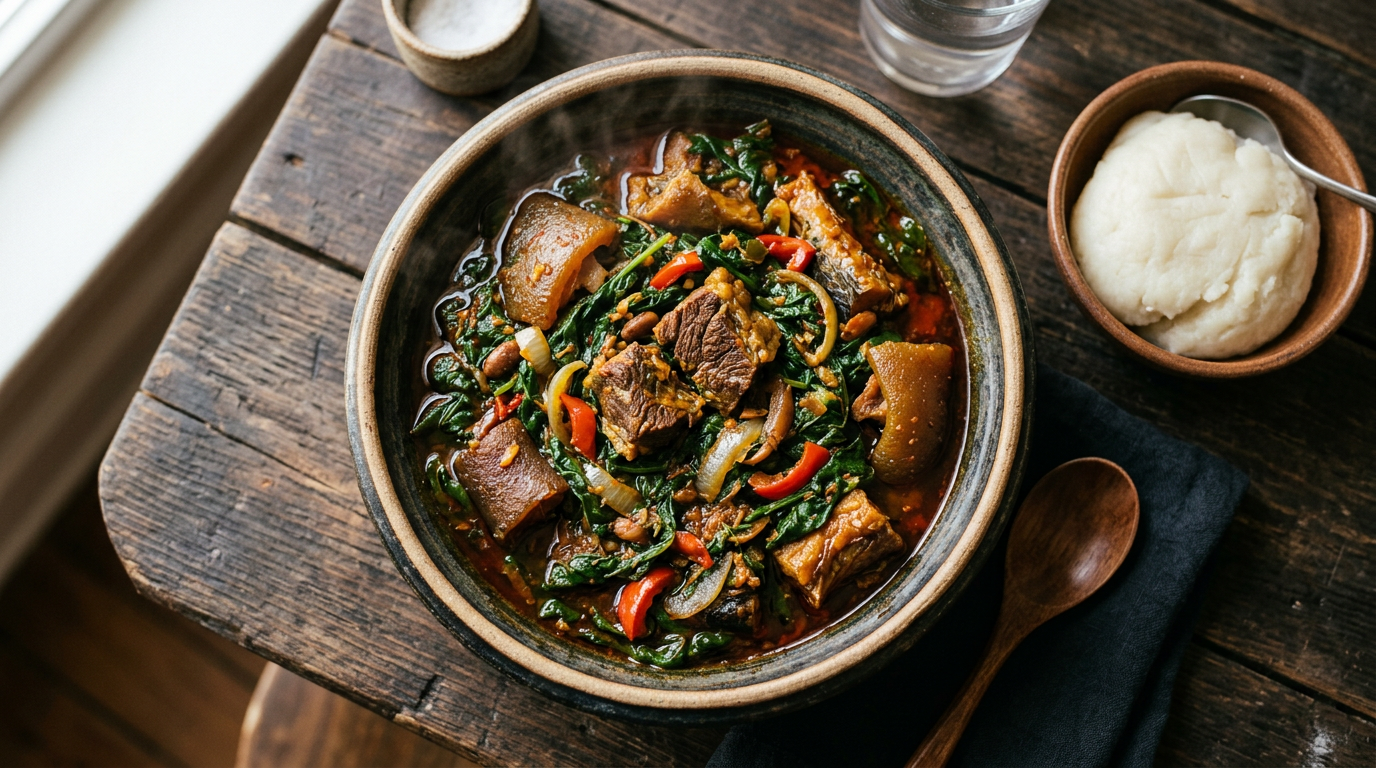
Nigerian Efo Riro (Spinach Stew)
A rich Nigerian spinach stew built on a peppery blended base with palm oil and layered seasonings — vibrant, adaptable, and a nourishing partner for rice, yam, or swallow.

Nigerian Moi Moi (Steamed Bean Pudding)
A savory Nigerian steamed pudding of blended black-eyed peas, peppers, and onion — protein-rich, naturally gluten-free, and a beloved party and everyday staple.
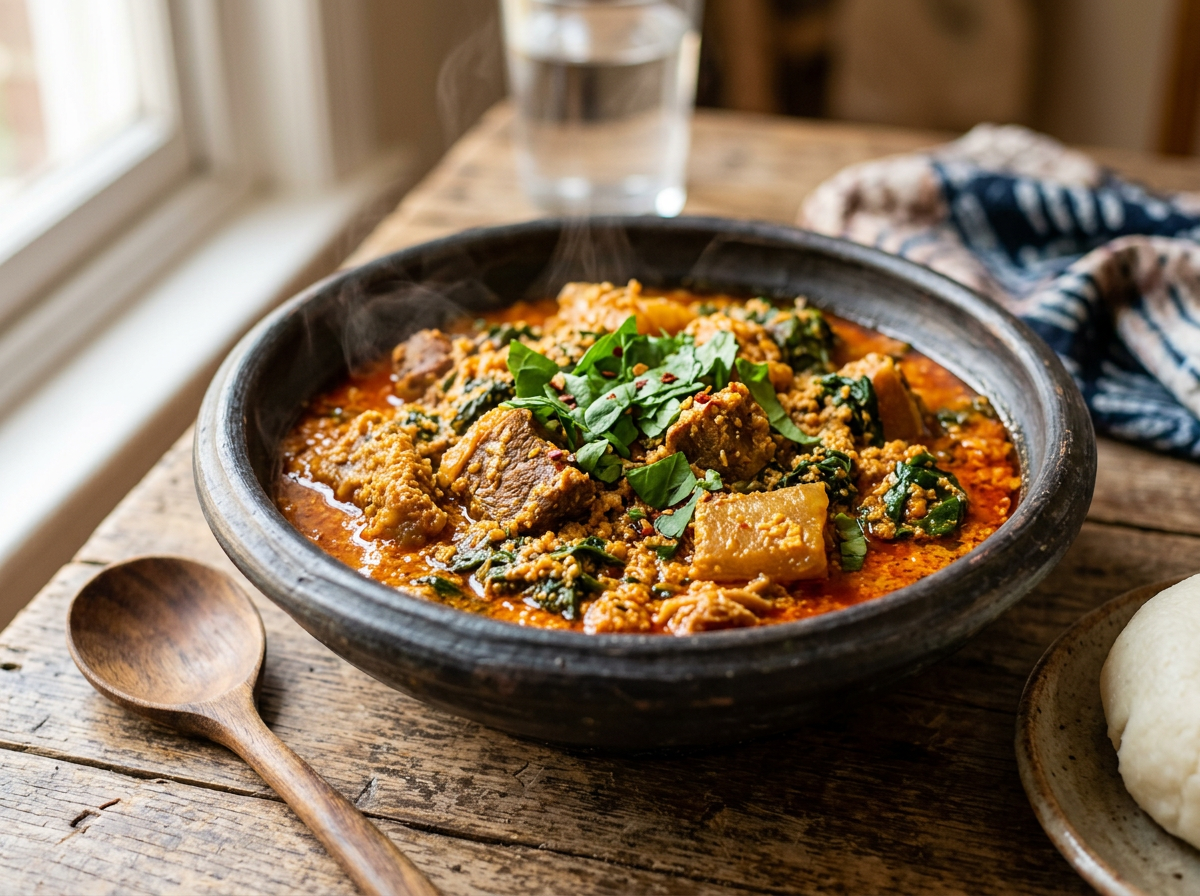
Nigerian Egusi Soup
A thick, richly savory West African soup of ground melon seeds simmered with leafy greens, tender beef, and smoky dried fish in a deep red palm-oil base. A cornerstone of Nigerian home cooking, best enjoyed with pounded yam or fufu.

Nigerian Suya Skewers
Thinly sliced beef coated in yaji — a bold roasted peanut and chili spice blend — then grilled over high heat and served with raw onion and tomato.
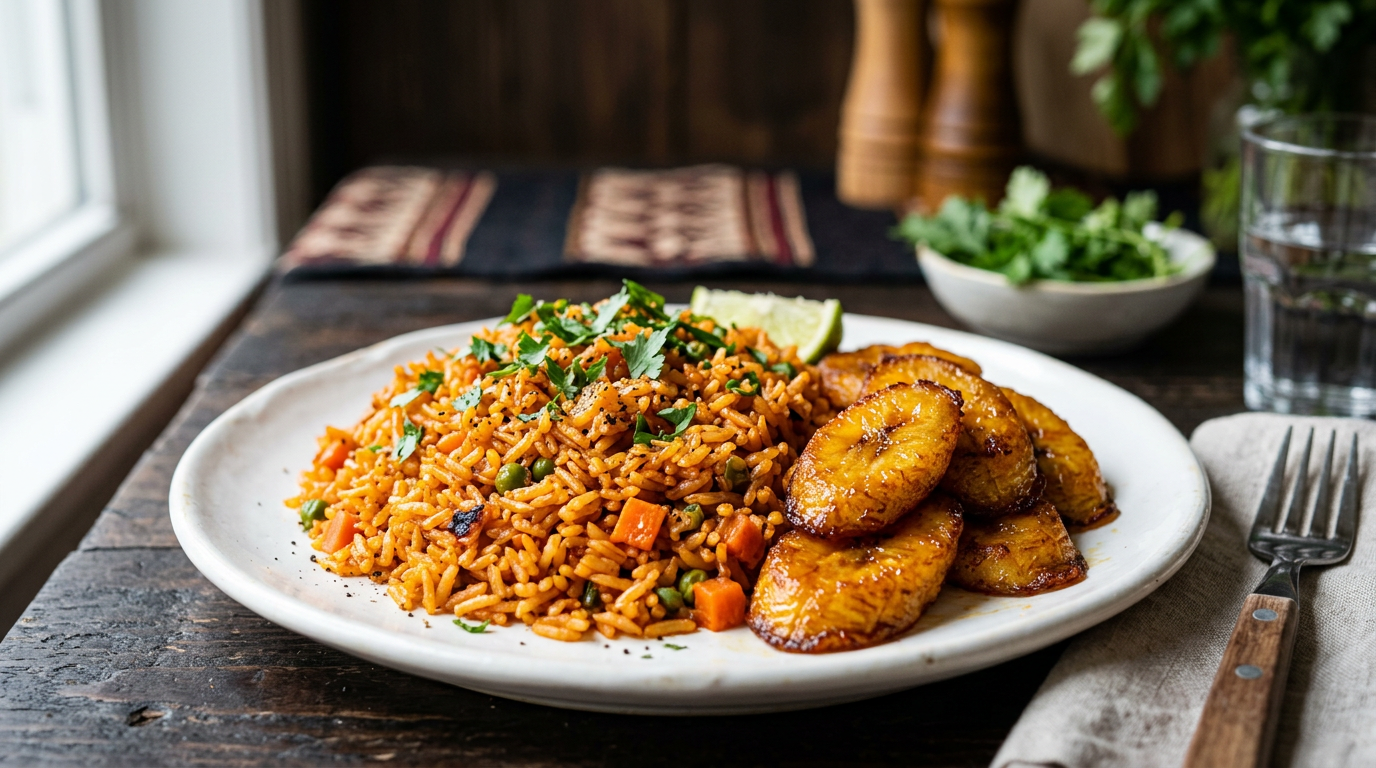
Nigerian Jollof Rice
The West African party classic — long-grain rice simmered in a smoky, deeply seasoned red pepper and tomato base until every grain is stained and fragrant.
Key Ingredients to Explore
Cooking Guides You May Like
A Guide to West African Cooking
From jollof rice to groundnut stew, West African cooking is generous, spice-forward, and made for sharing. Here is an introduction.
Understanding Cooking Methods: Dry Heat, Moist Heat, and More
Every cooking method changes texture and flavor in a specific way. Knowing which to choose is the key to cooking anything well.
Building Balanced Meals: A Simple Framework
You do not need to count anything to eat well. A simple visual framework does the work for you.