Moroccan Cuisine
Perfumed tagines, seven-vegetable couscous, and the sweet-savory art of the Maghreb.
Introduction
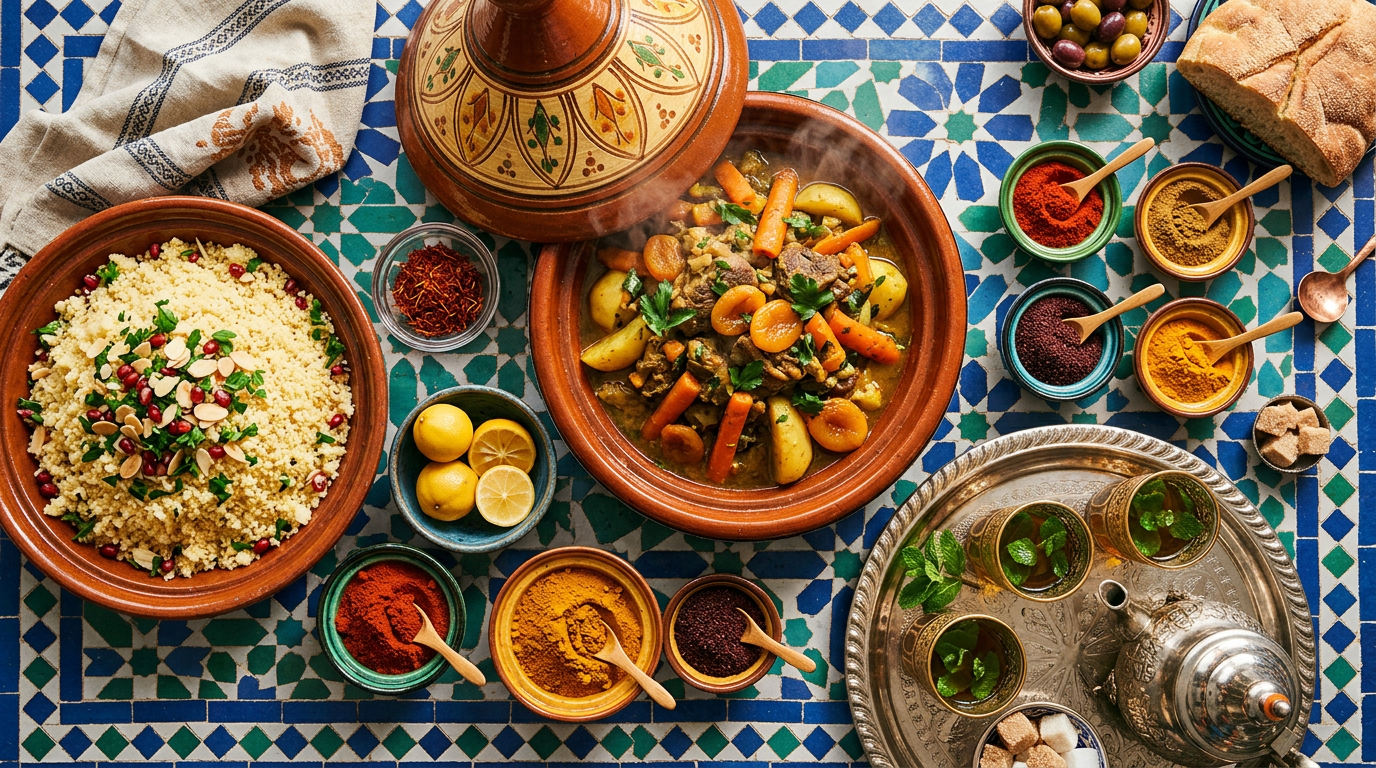
Moroccan cuisine is one of the world's great culinary crossroads, blending Amazigh (Berber), Arab, Andalusian, and Mediterranean influences into a fragrant, spice-perfumed tradition. Slow-cooked tagines, mounded couscous, and an artful balance of sweet and savory define its character.
Preserved lemon, saffron, cumin, and warm spice blends like ras el hanout give Moroccan food its unmistakable aroma, while the ritual of mint tea frames hospitality from morning to night.
History
The indigenous Amazigh people laid the foundation with grains, legumes, and slow-cooked stews. Successive Arab dynasties introduced spices, nuts, and dried fruits from the East, while the arrival of Andalusian refugees from Spain brought refined techniques and preserved-food traditions.
Situated at the meeting point of Africa, the Mediterranean, and the Atlantic, Morocco absorbed ingredients from trans-Saharan trade routes and coastal exchange, producing a cuisine famous for combining meat with fruit, honey, and warm spice.
Cultural Context
Hospitality is sacred in Morocco, and sharing a tagine from a communal dish is an everyday expression of it. Friday couscous — a large family meal after prayers — anchors the weekly rhythm of many households.
Mint tea, poured from a height into small glasses, is offered to every guest and negotiated over in markets; refusing it can seem impolite. Bread accompanies nearly every meal and is used to scoop up sauces.
Regional Variations
Refined, elaborate cooking including pastilla and complex spice work.
Robust tagines, grilled meats, and dishes reflecting Amazigh and Saharan influence.
Abundant grilled and spiced seafood, chermoula marinades, and fresh fish tagines.
Core Ingredients
Salt-cured lemons that add a bright, salty-sour depth to tagines.
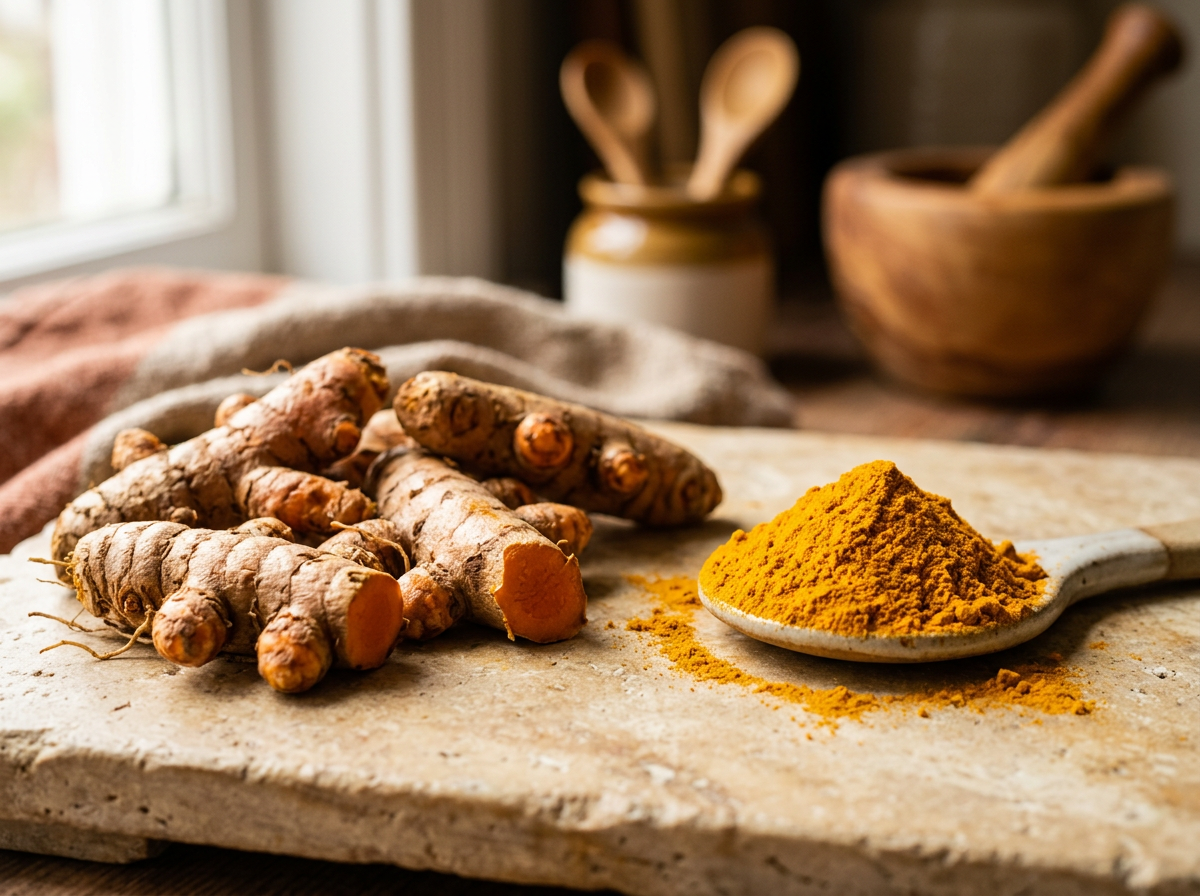
The prized golden spice that colors and perfumes celebratory dishes.
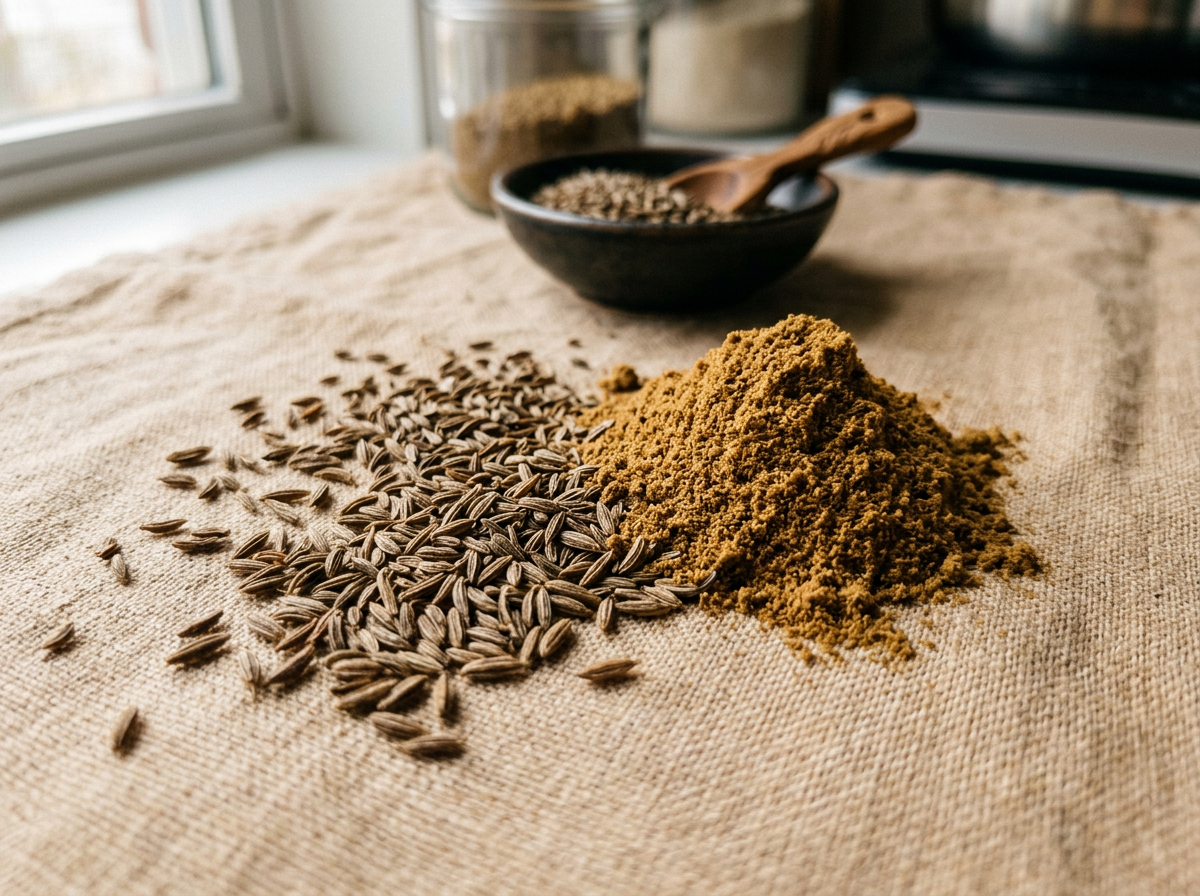
A backbone spice for grilled meats, sauces, and the everyday spice bowl.
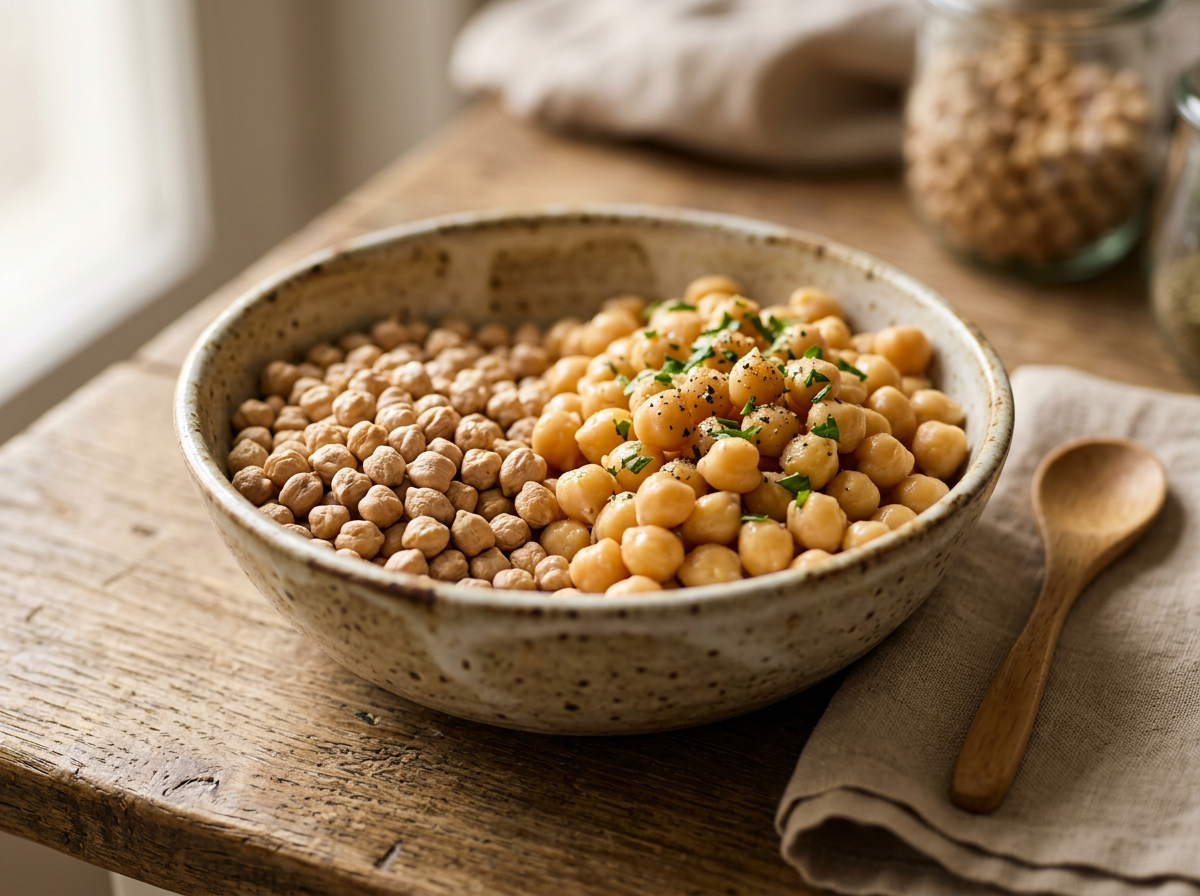
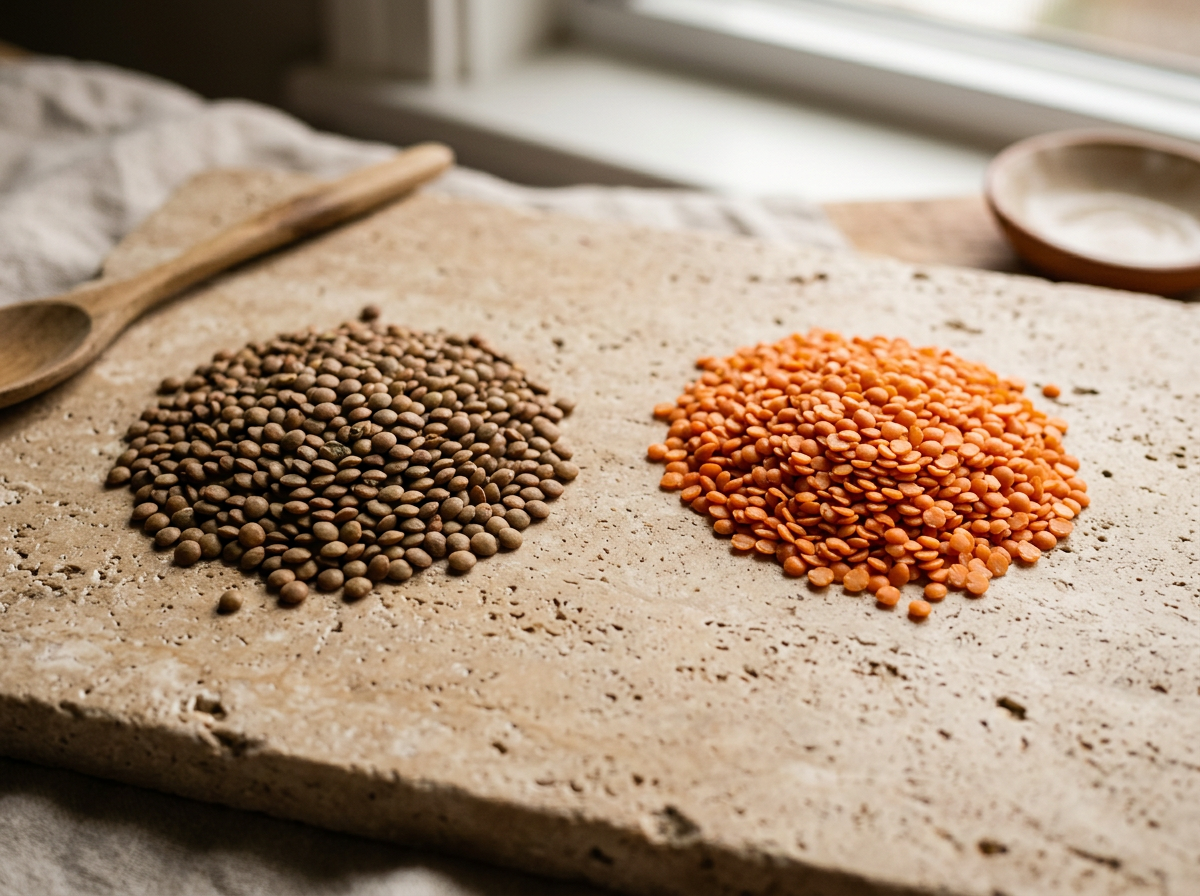
A staple legume in couscous, soups like harira, and stews.
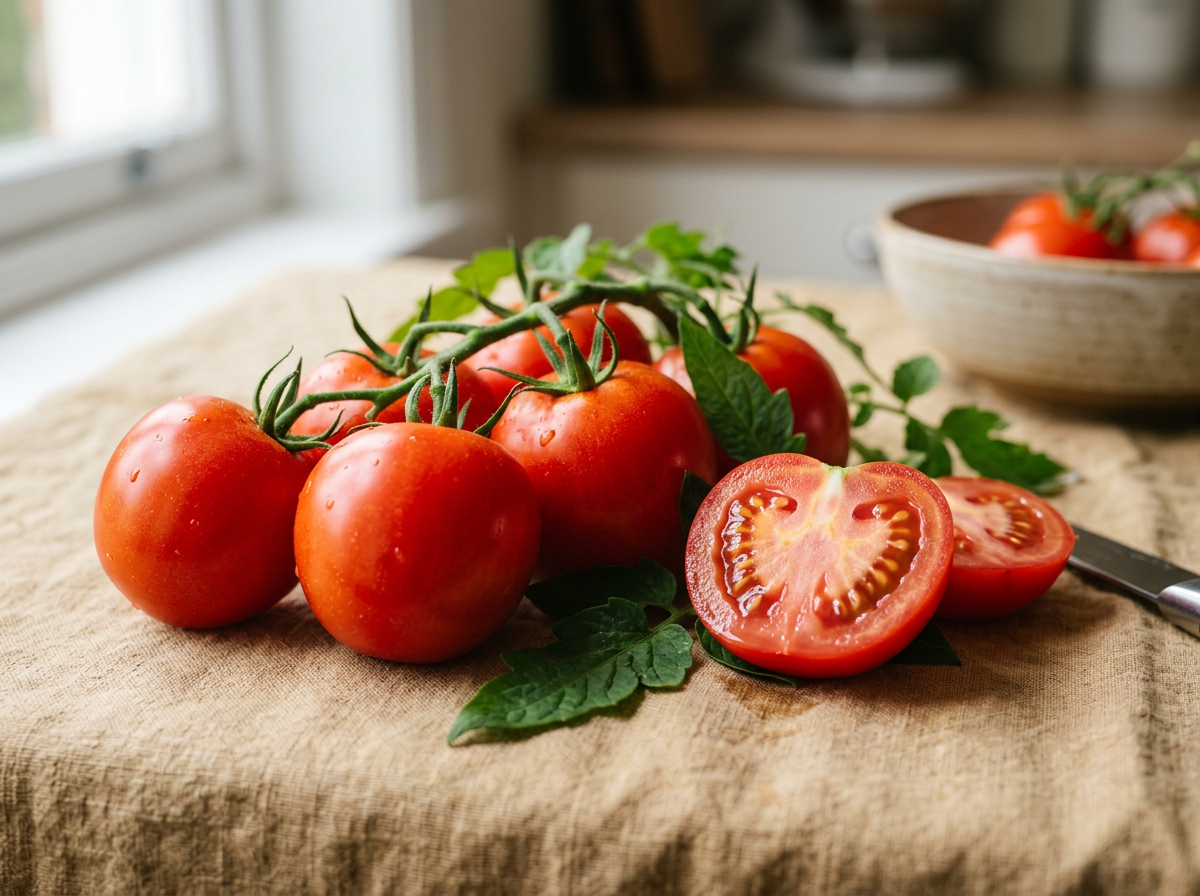
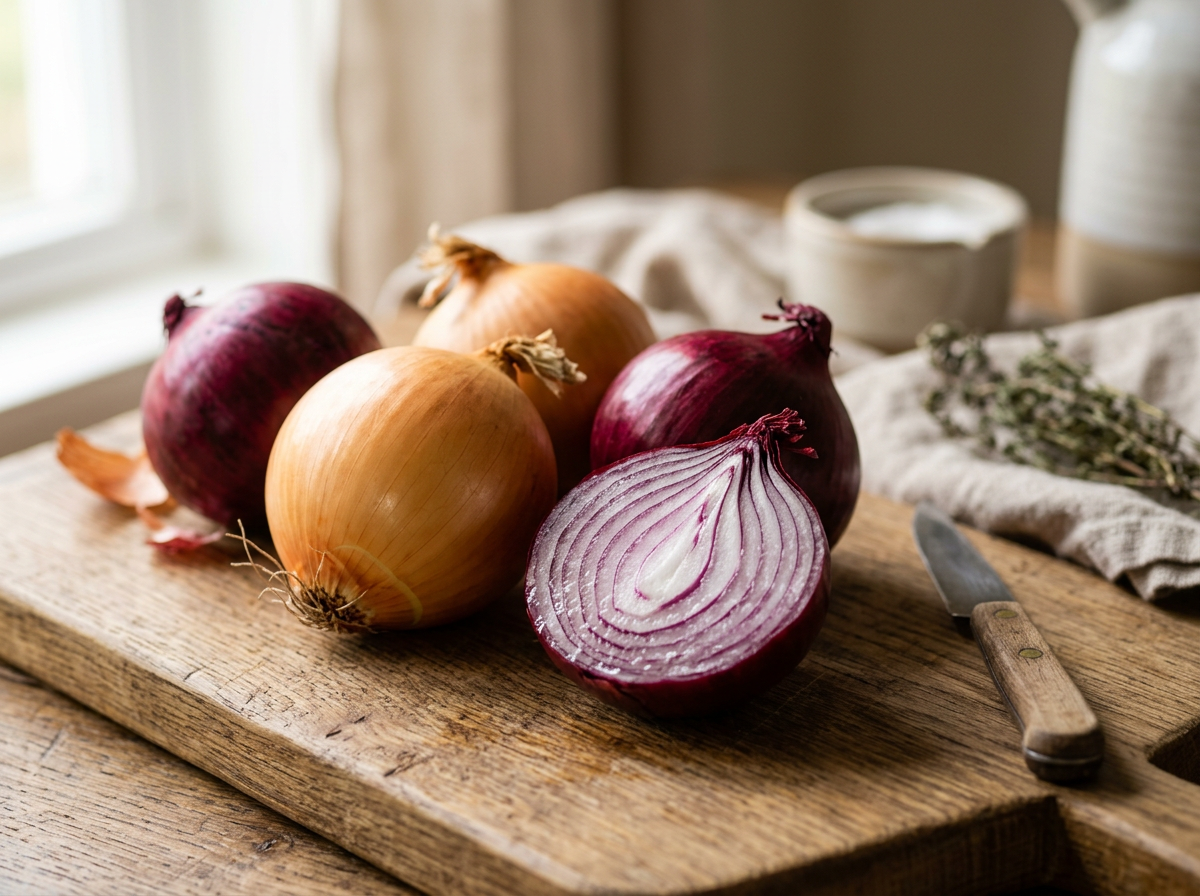
The aromatic base of tagines and sauces.
A complex house blend of many warm spices that defines much of Moroccan cooking.
Signature Techniques
The conical clay vessel traps steam, gently braising meat and vegetables until meltingly tender.
Fine semolina is steamed in multiple stages over a bubbling stew for a light, fluffy result.
Lemons are salt-preserved and herbs blended into marinades for depth and brightness.
Combining meat with dried fruit, honey, and warm spice for signature balance.
Signature Dishes
Slow-braised chicken with olives and preserved lemon — a Moroccan classic.
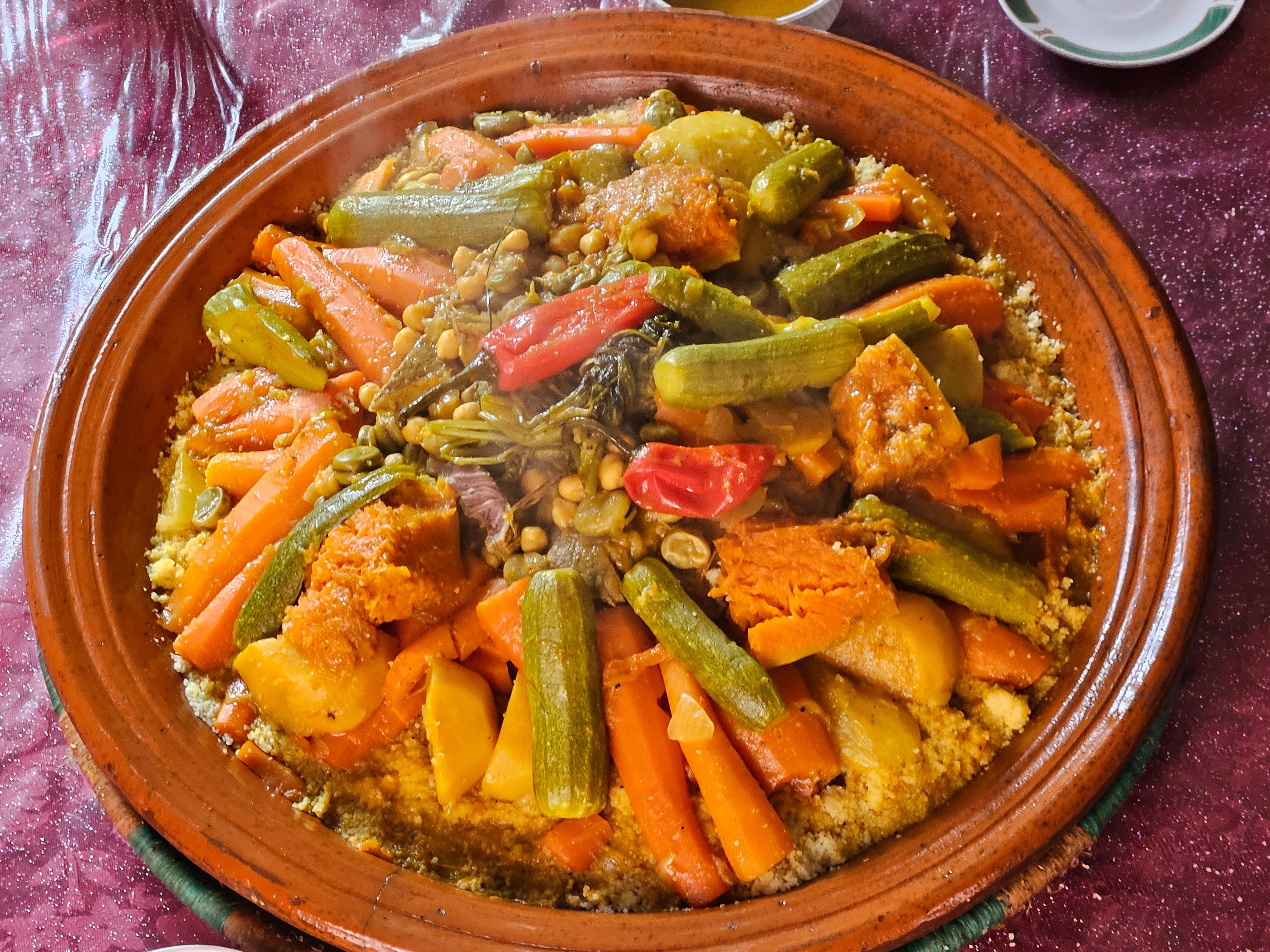
Steamed semolina crowned with seven-vegetable stew, the traditional Friday meal.
A hearty tomato, lentil, and chickpea soup, especially during Ramadan.
A sweet-savory pie of spiced poultry in flaky pastry dusted with sugar and cinnamon.
Sweet green tea with fresh mint, the emblem of Moroccan hospitality.
Moroccan Recipes to Cook
Moroccan Chickpea Tagine
A warmly spiced Moroccan chickpea and vegetable tagine with apricots and cinnamon — sweet-savory, vegan, and ideal for batch cooking.
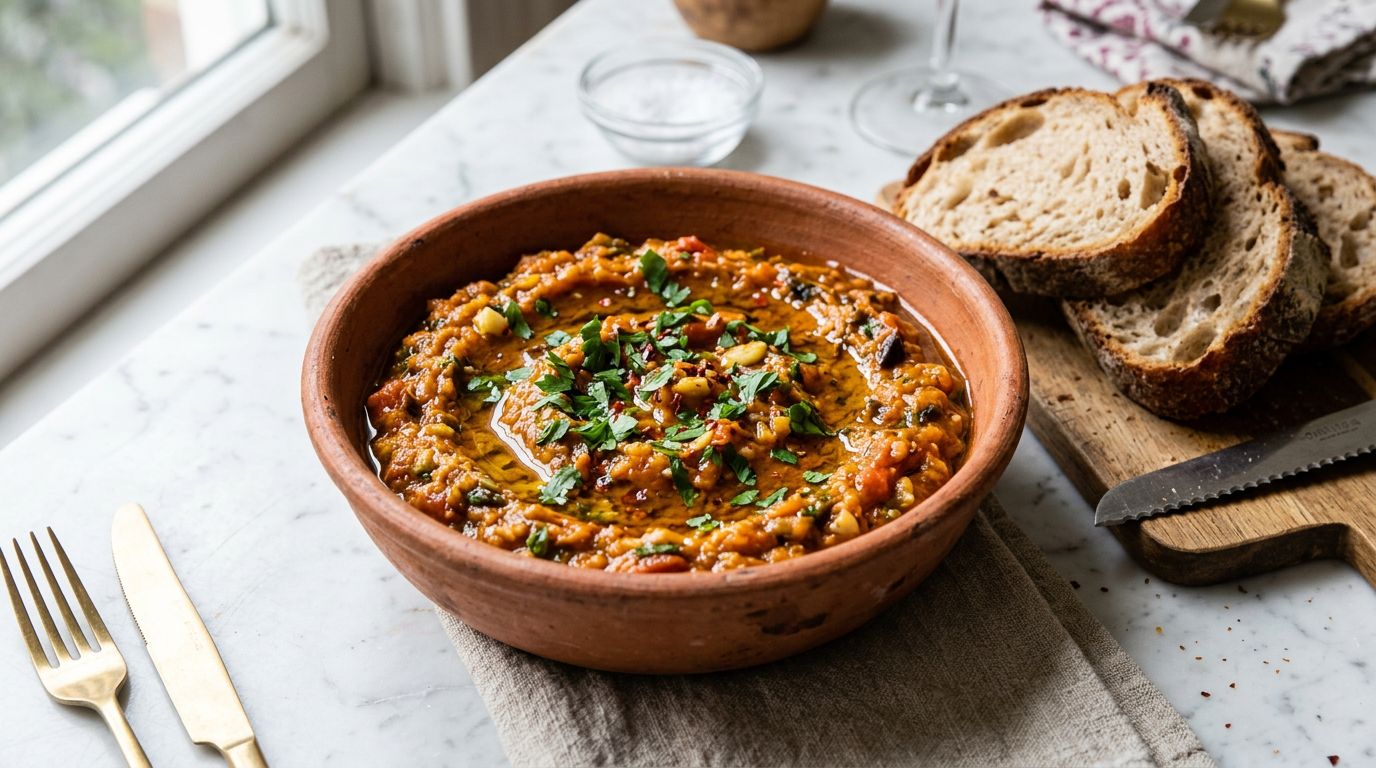
Moroccan Zaalouk (Smoky Eggplant Salad)
A silky cooked salad of roasted eggplant and tomato mashed with garlic, cumin, and paprika, served warm or cool with crusty bread.
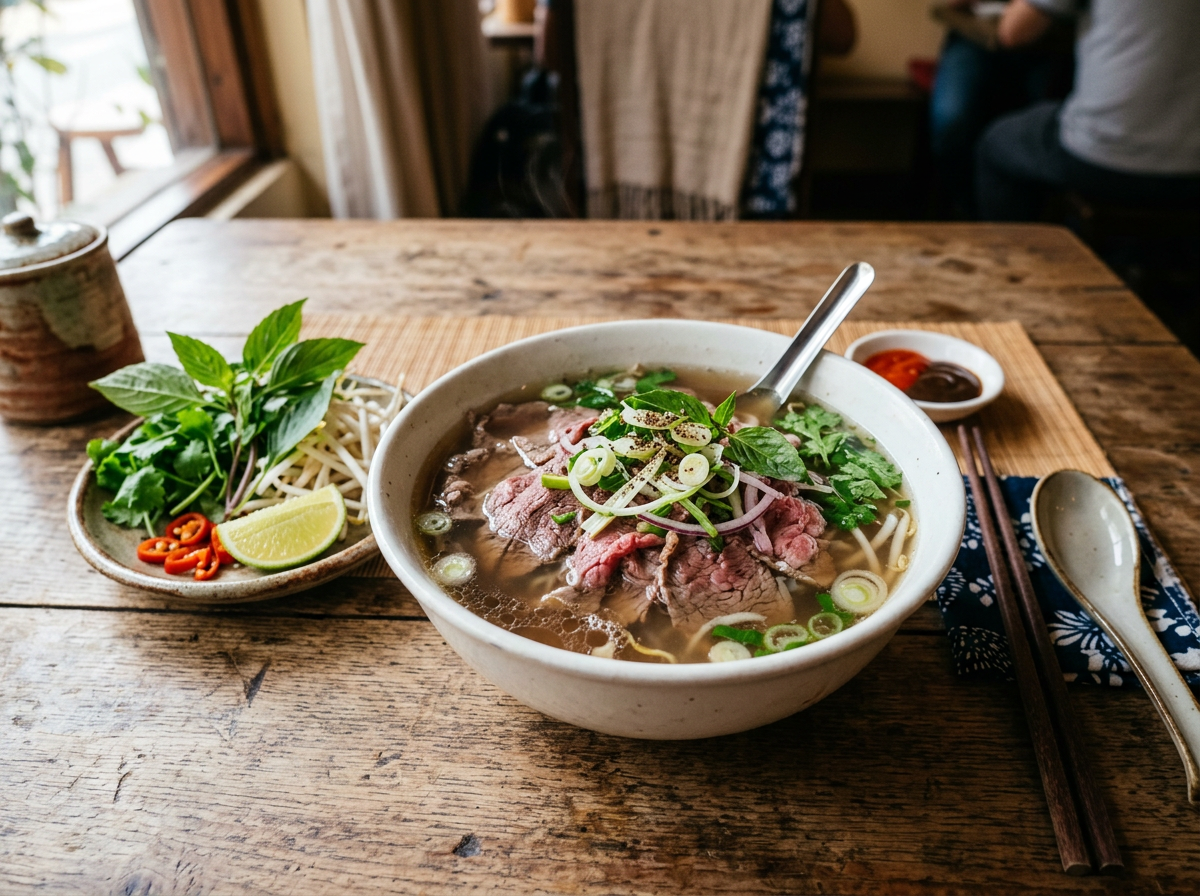
Moroccan Harira Soup
A hearty tomato, lentil, and chickpea soup fragrant with ginger and cinnamon, traditionally served to break the fast during Ramadan.

Moroccan Vegetable Couscous
Fluffy steamed couscous crowned with a fragrant seven-vegetable stew of carrots, squash, chickpeas, and zucchini in a lightly spiced broth.
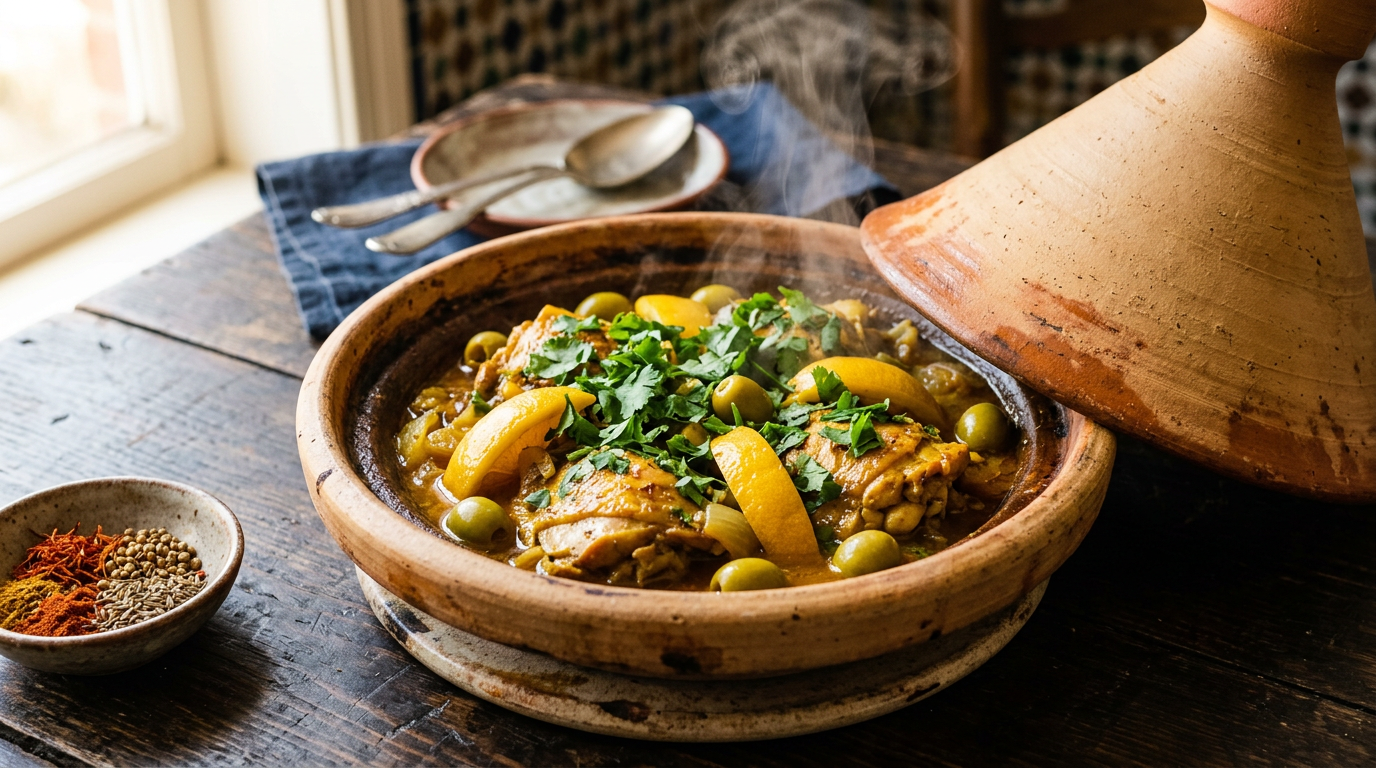
Moroccan Chicken Tagine with Preserved Lemon & Olives
Chicken thighs slow-braised with saffron, ginger, preserved lemon, and green olives until meltingly tender — the signature dish of the Moroccan clay tagine.
Key Ingredients to Explore
Cooking Guides You May Like
Moroccan Cuisine: A Complete Guide to Flavors, Techniques & Signature Dishes
Perfumed with saffron, cumin, and preserved lemon, Moroccan cooking turns slow braises and steamed grains into something extraordinary. Here is the full picture.
An Introduction to Middle Eastern Mezze
Mezze is the Middle Eastern art of the shared table — an array of small, vibrant dishes meant to be lingered over. Here is how it works.
Understanding Cooking Methods: Dry Heat, Moist Heat, and More
Every cooking method changes texture and flavor in a specific way. Knowing which to choose is the key to cooking anything well.