South African Cuisine
A rainbow nation at the table — braai smoke, Cape Malay spice, and warm comfort.
Introduction
South African cuisine is as diverse as the nation itself — a vibrant convergence of indigenous African traditions, Cape Malay spice, Dutch and British colonial influence, and Indian immigrant flavors. The result is a food culture that moves seamlessly from smoky braai (barbecue) gatherings to fragrant Cape Malay curries, hearty potjiekos, and the street-food legend of bunny chow.
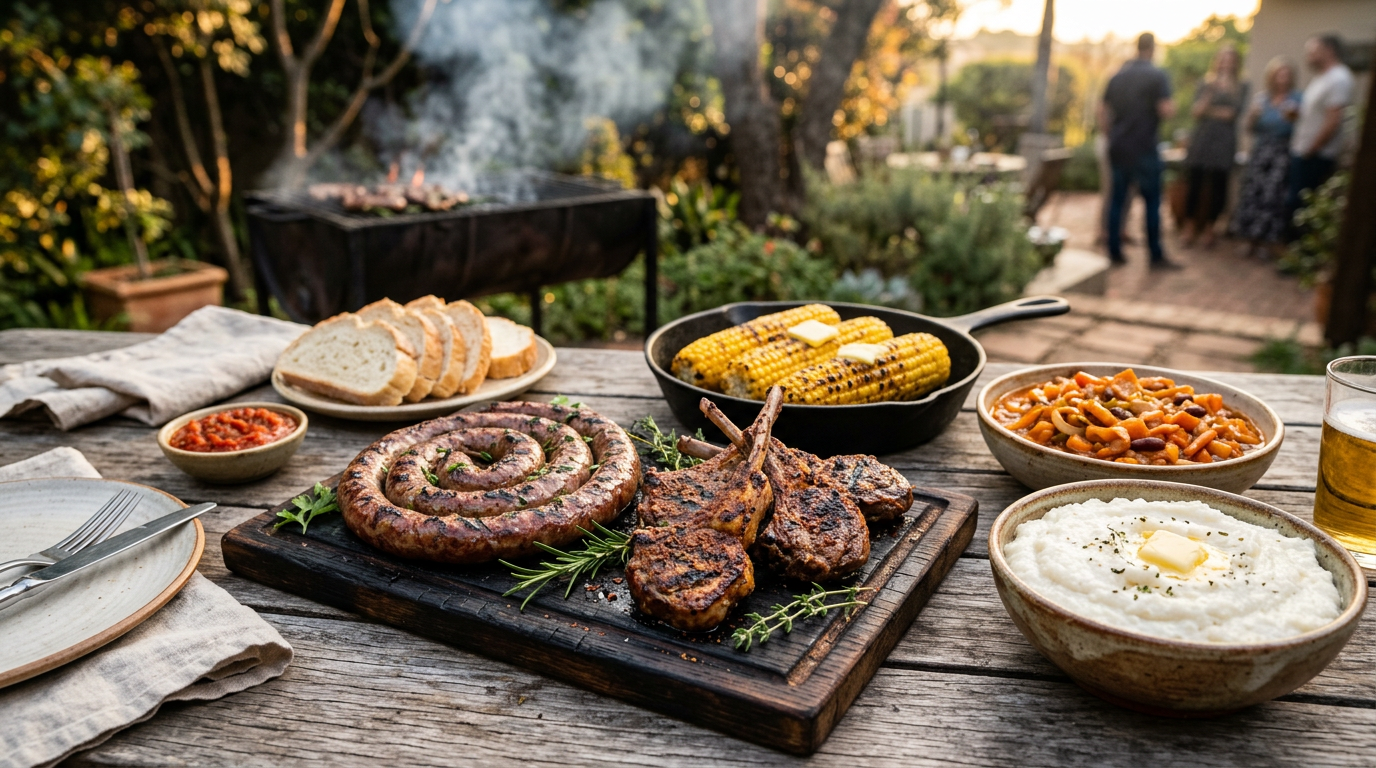
At the center of South African food culture is the braai — not merely a cooking method but a national institution, a social ritual that brings communities together around open flames, good meat, and cold drinks. Whether in a Johannesburg garden or a Cape Town beachside spot, the braai is where South Africa gathers.
History
South Africa's culinary story begins with the indigenous Khoisan, who foraged and hunted, and the Bantu-speaking peoples who brought agriculture — sorghum, millet, and cattle — southward. Dutch settlers (Boers) introduced European baking and preserving, while the arrival of enslaved people from Southeast Asia and India in the 17th century created the Cape Malay tradition of spiced curries, bredie, and pickled fish.
Indian indentured laborers in Natal brought their own curry traditions, eventually giving rise to Durban's iconic bunny chow. These layers of history created a cuisine where boerewors sizzles alongside samoosas, and biltong shares shelf space with atchar.
Cultural Context
The braai is South Africa's defining food ritual — a weekend gathering where friends and family grill boerewors, lamb chops, and chicken over wood or charcoal, accompanied by pap, chakalaka, and cold beer. Heritage Day (September 24) is informally known as National Braai Day.
Cape Malay communities in Bo-Kaap maintain centuries-old traditions of spiced cooking, with bobotie and koeksisters served at weddings and festivals. In Durban, the curry houses and bunny chow joints of Grey Street are a pilgrimage for food lovers.
Regional Variations
Spiced curries, bobotie, pickled fish, and sweet treats like koeksisters define this aromatic tradition.
Indian-influenced curries, bunny chow, and samoosas alongside Zulu staples like phutu and amadumbe.
A melting pot reflecting all traditions, plus vibrant township food culture — kota (stuffed quarter-loaf) and pap with vleis.
Boer farming traditions: potjiekos (cast-iron pot stew), biltong, and rusks baked for the road.
Core Ingredients
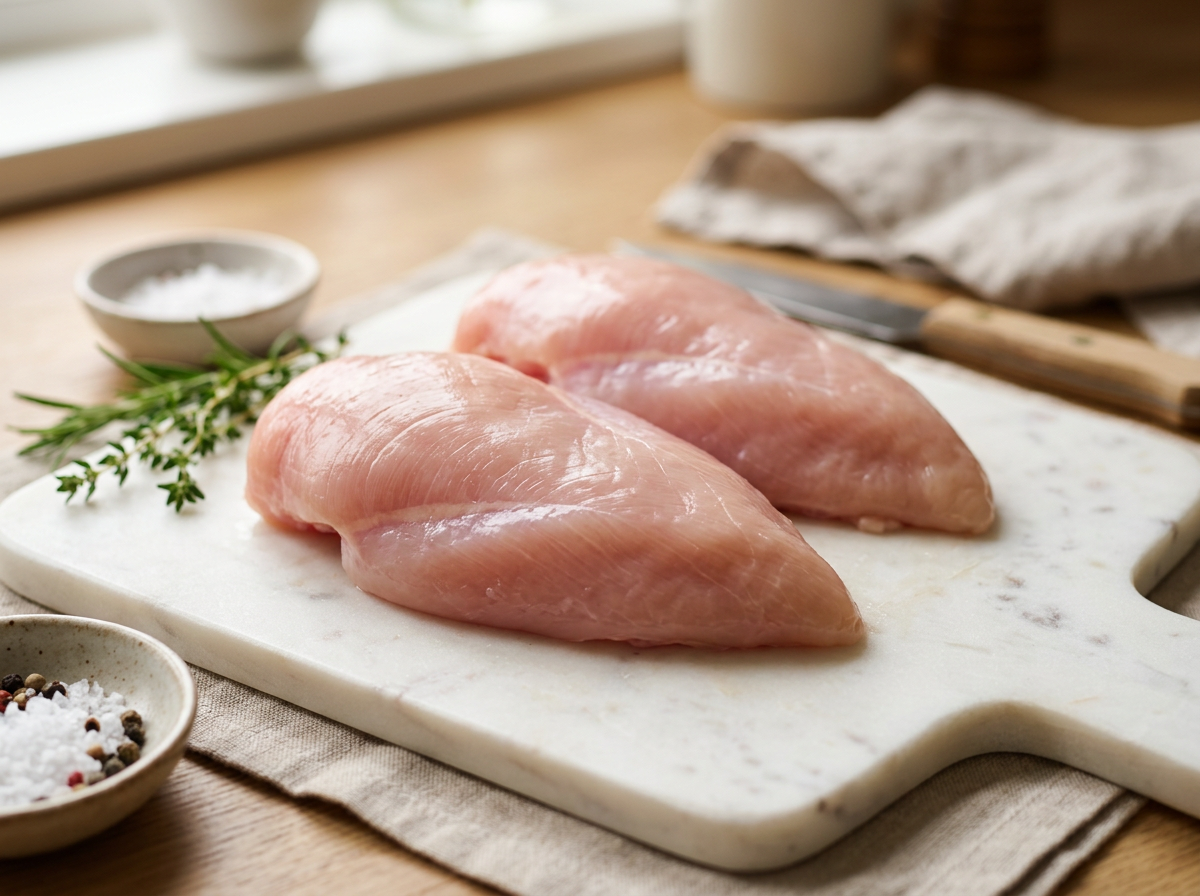
Grilled, cured as biltong, or coiled as boerewors sausage — meat is central to South African cooking.
Cooked into pap (porridge) — the daily starch served with braai meats, stews, and chakalaka.
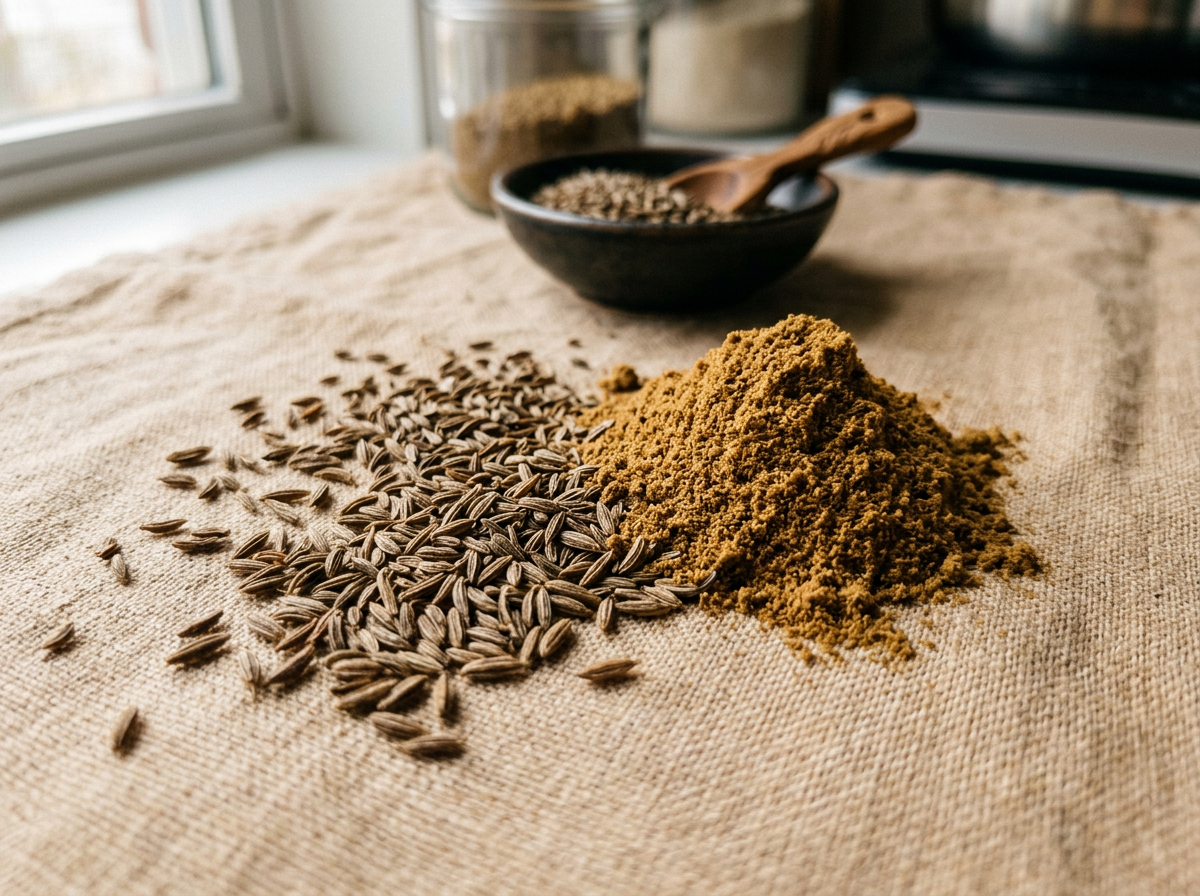
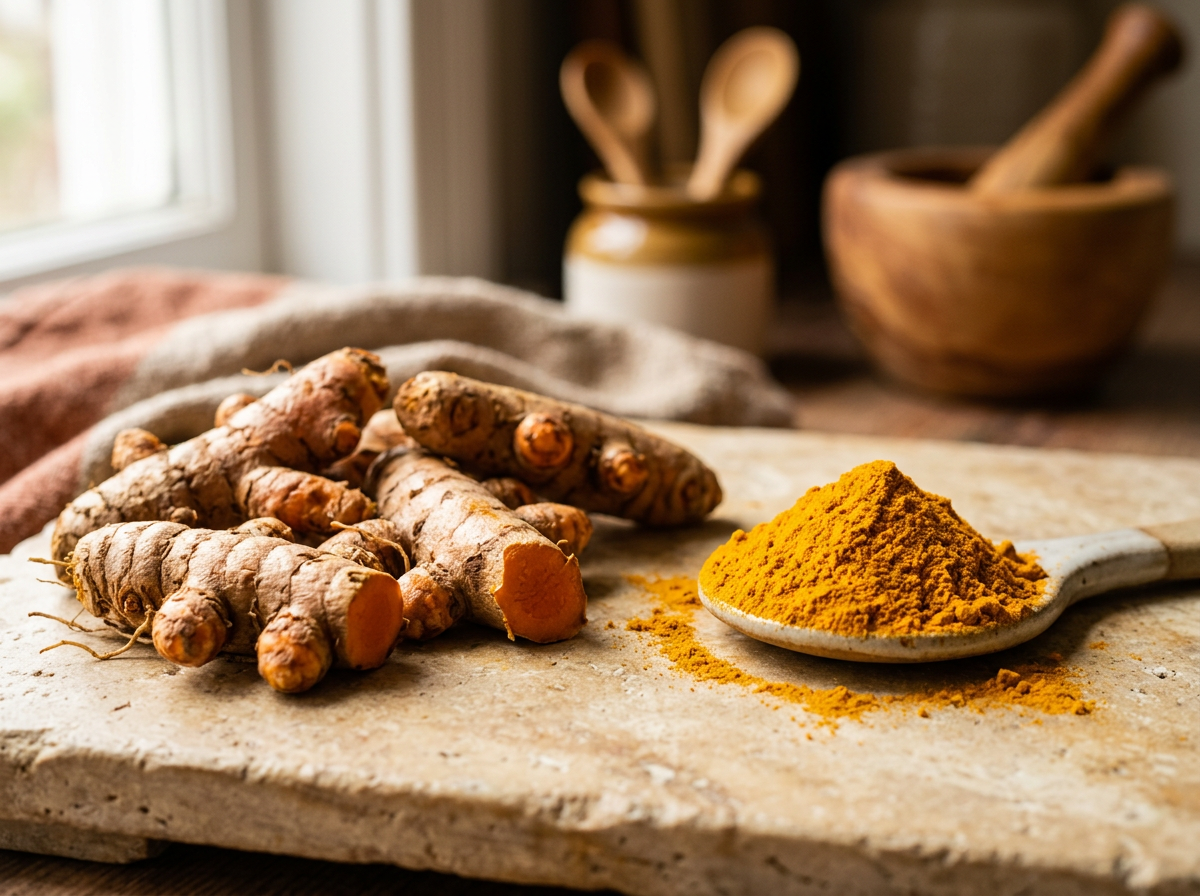
Turmeric, cumin, coriander, and chili define Cape Malay and Durban curry traditions.
Apricots, raisins, and Mrs Ball's chutney add sweet-savory depth to curries and braai sauces.
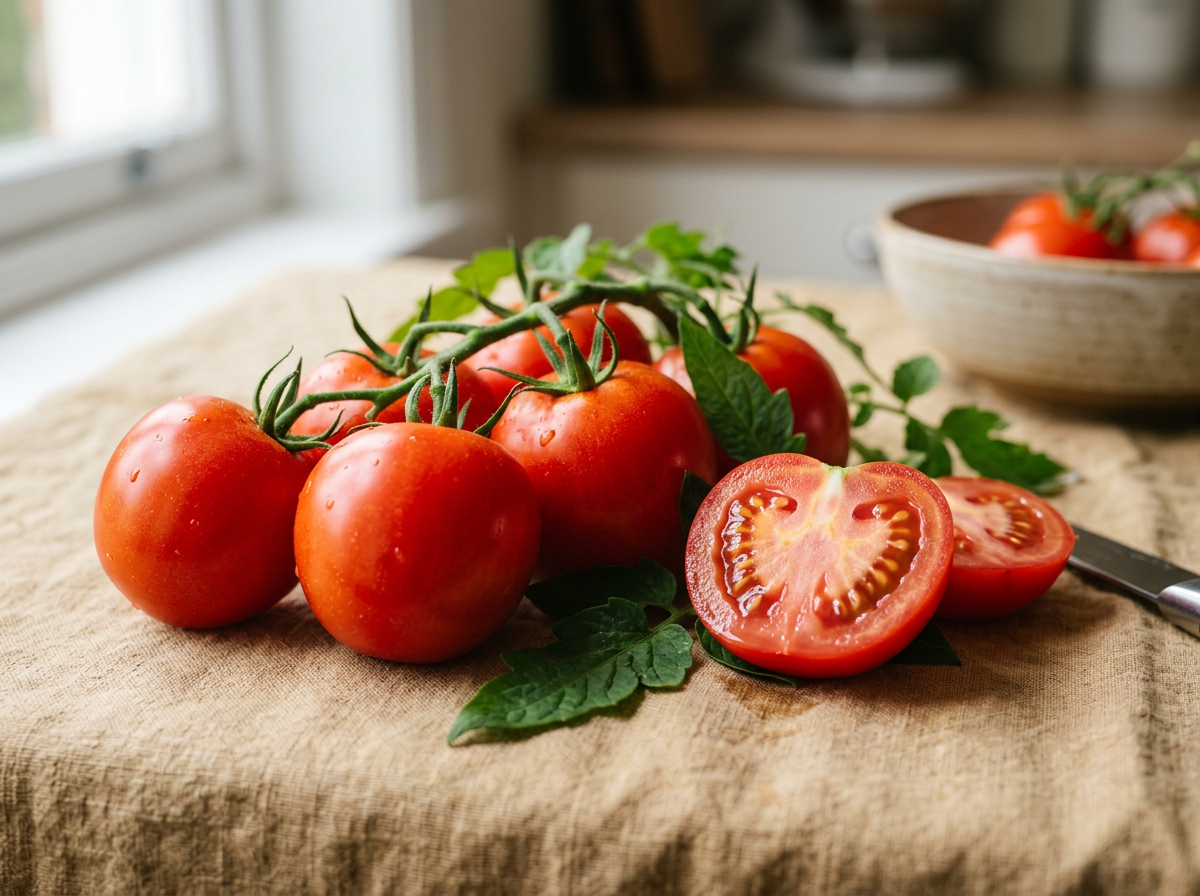
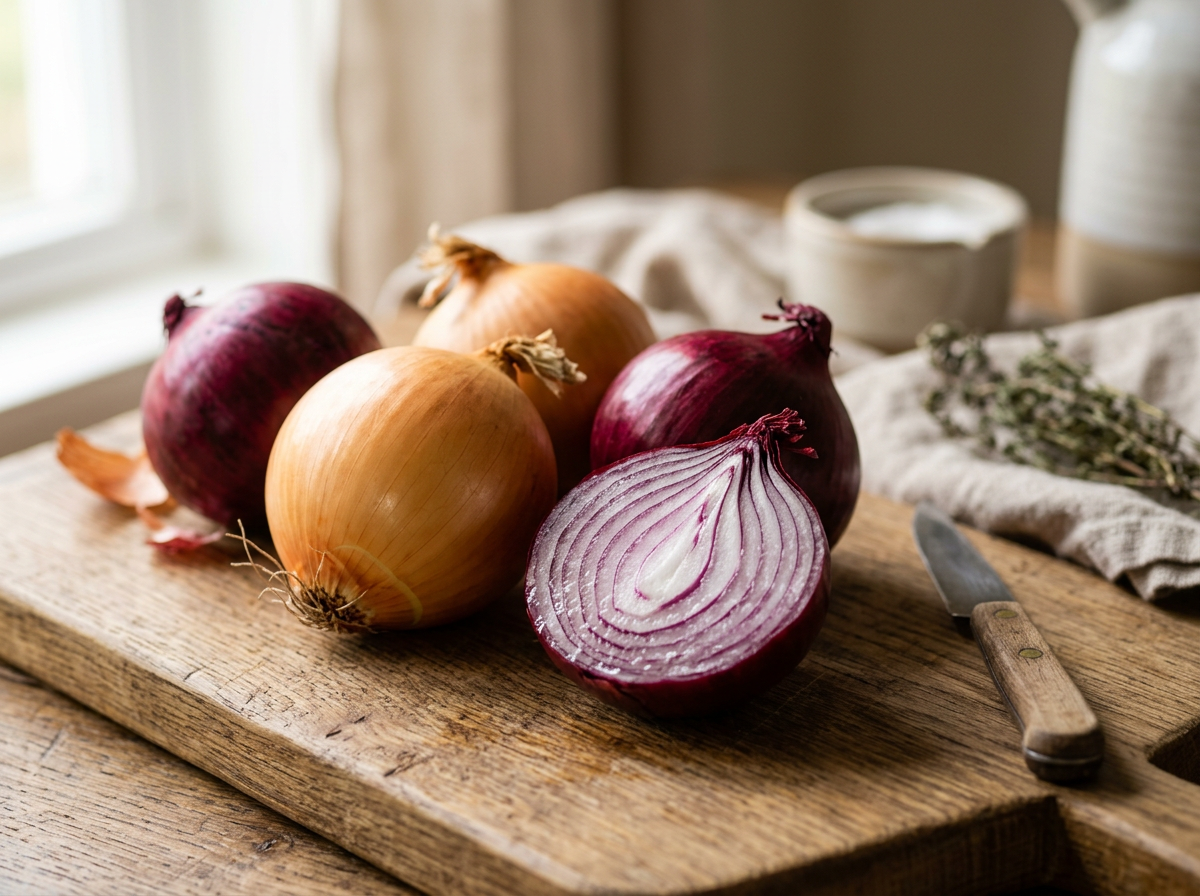
The base of chakalaka, sheba (relish), and countless stews and sauces.
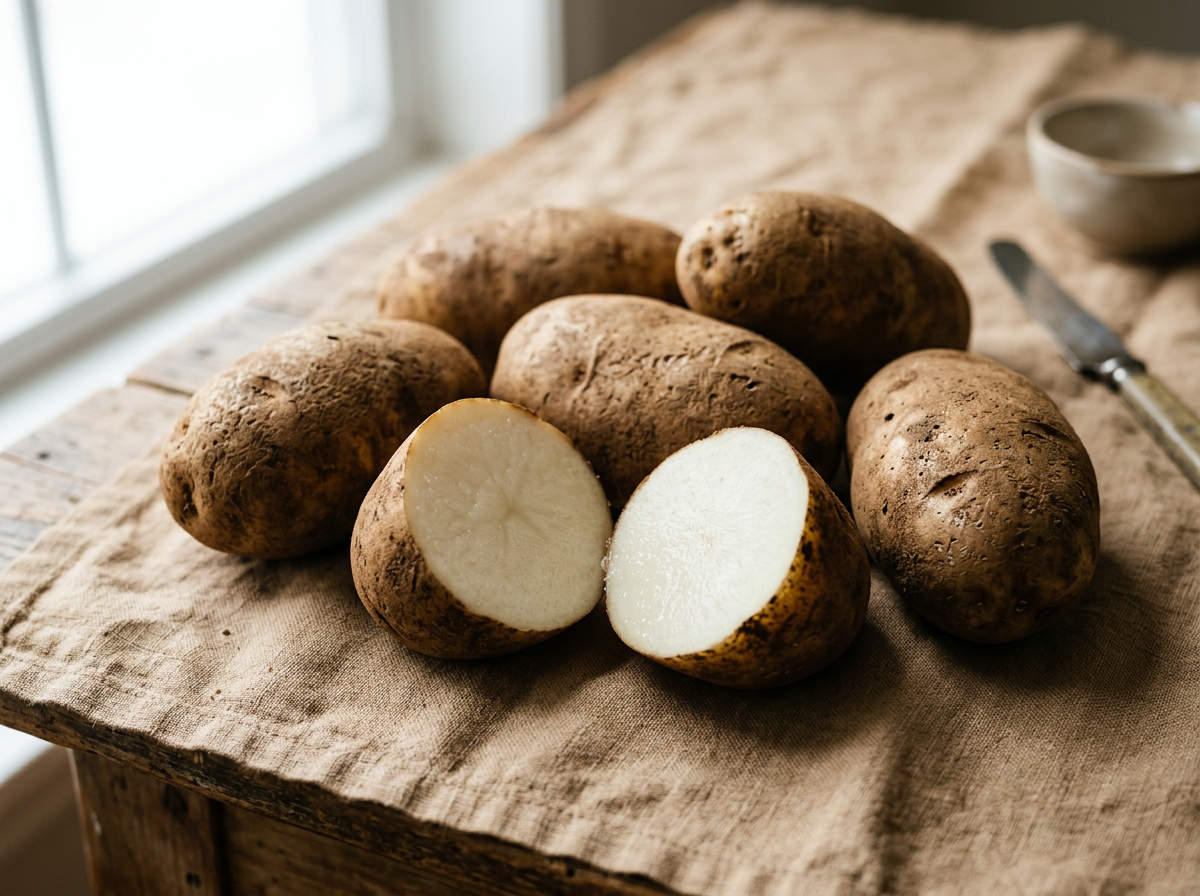
Roasted, mashed, or added to stews — a beloved everyday vegetable.
Signature Techniques
Meat is grilled over wood or charcoal — the defining South African cooking method and social event.
Ingredients are layered in a three-legged cast-iron pot and slow-cooked over coals without stirring.
Beef or game is marinated in vinegar and spices, then air-dried into concentrated, savory strips.
Complex curry pastes and spice mixes are ground fresh, combining turmeric, cinnamon, cardamom, and chili.
Signature Dishes
Grilled coiled sausage and chops served with pap, chakalaka, and braai broodjies (toasted sandwiches).
Spiced minced meat baked with an egg custard topping — the iconic Cape Malay dish.
A hollowed-out bread loaf filled with fragrant curry — Durban's legendary street food.
A spicy vegetable relish of beans, tomatoes, peppers, and carrots, served with braai and pap.
Air-dried, spiced meat — South Africa's beloved high-protein snack.
South African Recipes to Cook
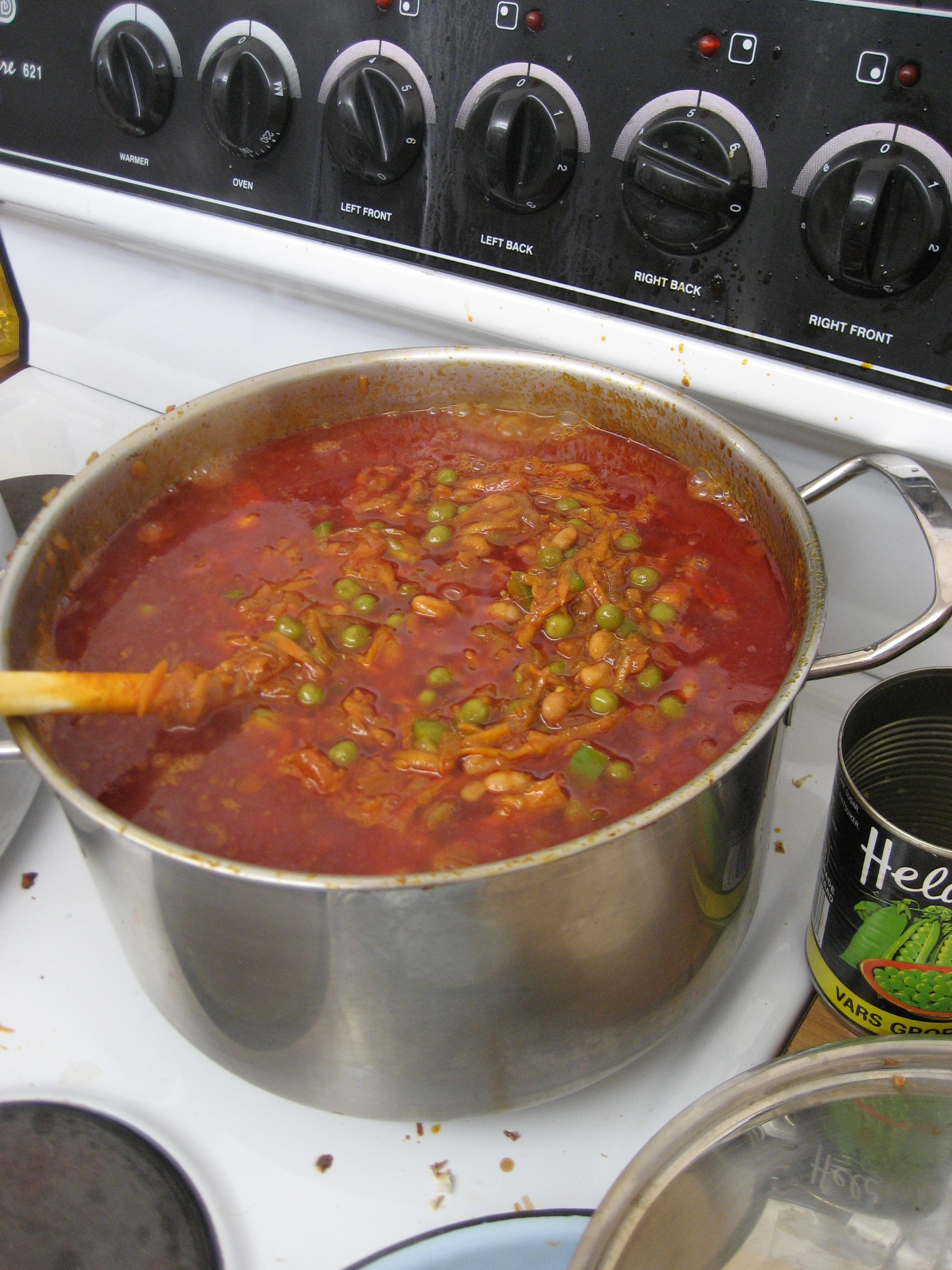
Chakalaka
A spicy South African vegetable relish of onions, peppers, carrots, and beans in a curried tomato base — served as a versatile side with grilled meats, pap, or bread.

Malva Pudding
A beloved South African baked sponge pudding with apricot jam, soaked in a warm cream-and-butter sauce the moment it leaves the oven for a soft, sticky, caramel-rich finish.
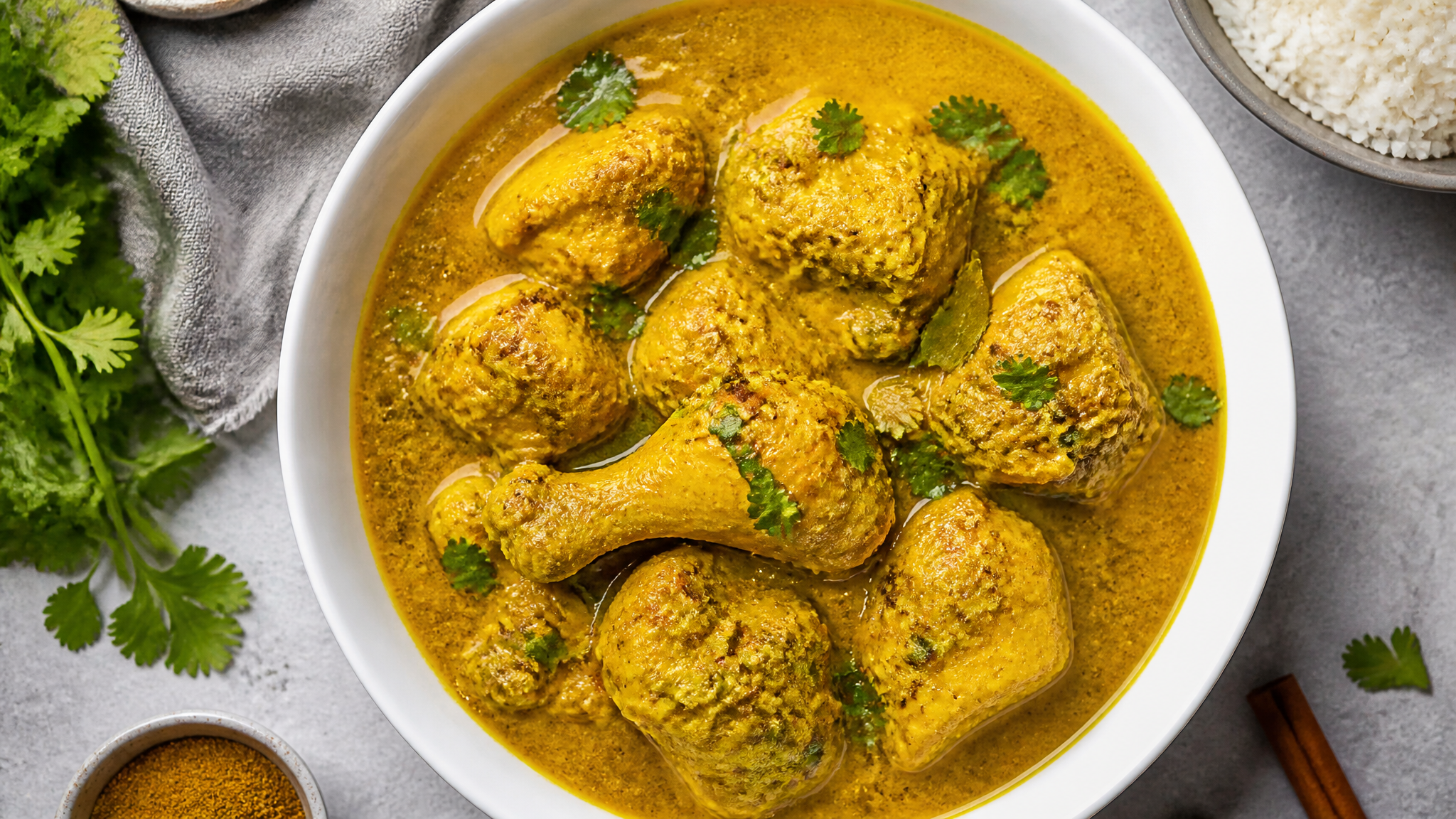
Cape Malay Chicken Curry
A fragrant, gently spiced South African curry of Cape Malay heritage, simmering chicken with warm spices, tomato, and a touch of apricot sweetness for a rounded, aromatic sauce.

South African Chakalaka
A vibrant, lightly spiced relish of grated carrot, peppers, onion, and baked beans in curried tomato — a beloved side for braai, pap, and grilled meats.
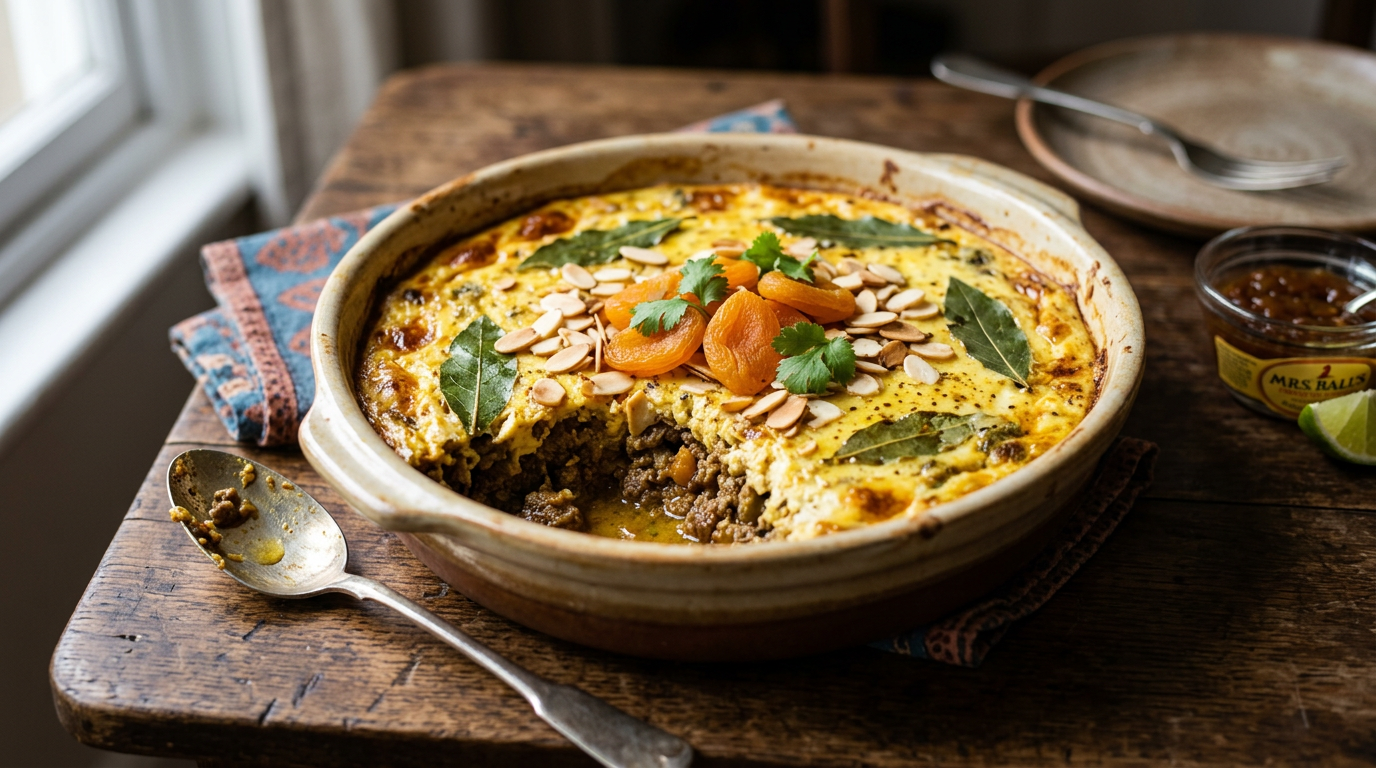
South African Bobotie
A Cape Malay classic of curried spiced minced beef sweetened with dried fruit, baked under a golden savory egg custard scented with bay leaves.
Key Ingredients to Explore
Cooking Guides You May Like
Understanding Cooking Methods: Dry Heat, Moist Heat, and More
Every cooking method changes texture and flavor in a specific way. Knowing which to choose is the key to cooking anything well.
Building Balanced Meals: A Simple Framework
You do not need to count anything to eat well. A simple visual framework does the work for you.
Essential Kitchen Skills Every Home Cook Should Know
A short list of fundamental skills will do more for your cooking than any gadget. Here are the ones that matter most.