Ethiopian Cuisine
Spice-layered stews, spongy injera, and the art of communal dining.
Introduction
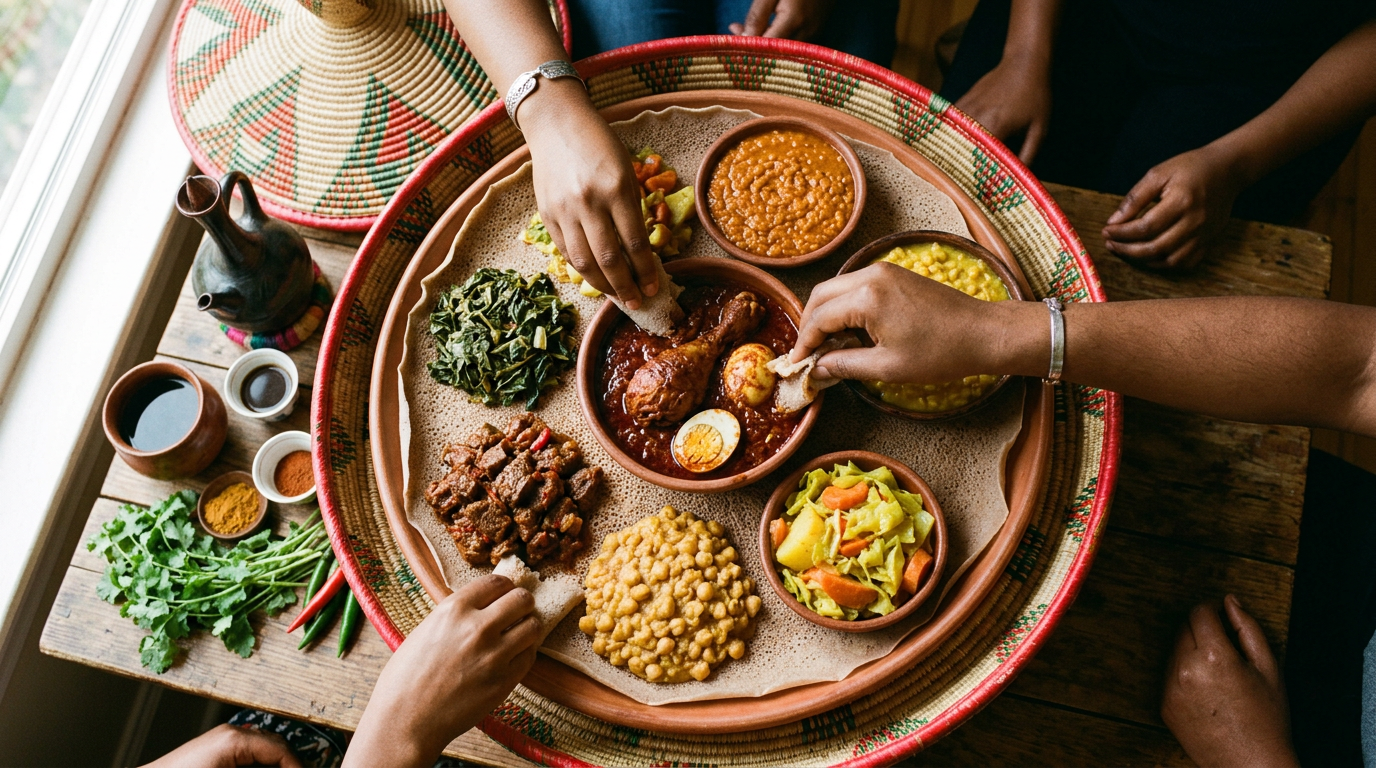
Ethiopian cuisine is instantly recognizable: colorful, deeply spiced stews (wat) spooned over a vast, spongy sourdough flatbread called injera, all shared from a single communal platter and eaten by hand. It is one of the world's most distinctive and self-contained culinary traditions.
The cuisine is built on complex spice blends — above all berbere and the spiced butter niter kibbeh — and a remarkable depth of vegetarian cooking rooted in centuries of religious fasting traditions.
History
Ethiopia is home to teff, an ancient tiny grain endemic to the region and the foundation of injera. Uniquely never colonized in the way much of Africa was, Ethiopia preserved a food culture that developed largely on its own terms, with its own grains, spices, and rituals.
The Ethiopian Orthodox Church's numerous fasting days — when animal products are avoided — drove the development of an exceptionally rich repertoire of legume and vegetable dishes, making Ethiopian food a paradise for plant-based eaters.
Cultural Context
Eating is a shared, tactile experience: diners tear pieces of injera to scoop up stews from a communal tray, and the gesture of gursha — feeding a morsel to another person by hand — is a cherished sign of affection and respect.
The coffee ceremony, in which beans are roasted, ground, and brewed in front of guests, is a central social ritual, underscoring how deeply food and drink are woven into Ethiopian hospitality.
Regional Variations
Home of classic injera-and-wat dining and the spiciest berbere-based stews.
Known for kitfo (minced raw beef with spiced butter) and enset-based staples.
Feature more grilled meats and dishes reflecting Red Sea and Arabian trade influence.
Core Ingredients
The ancient grain fermented and cooked into injera, the edible plate of Ethiopian dining.
A fiery, aromatic spice blend of chili, fenugreek, and warm spices that defines many stews.
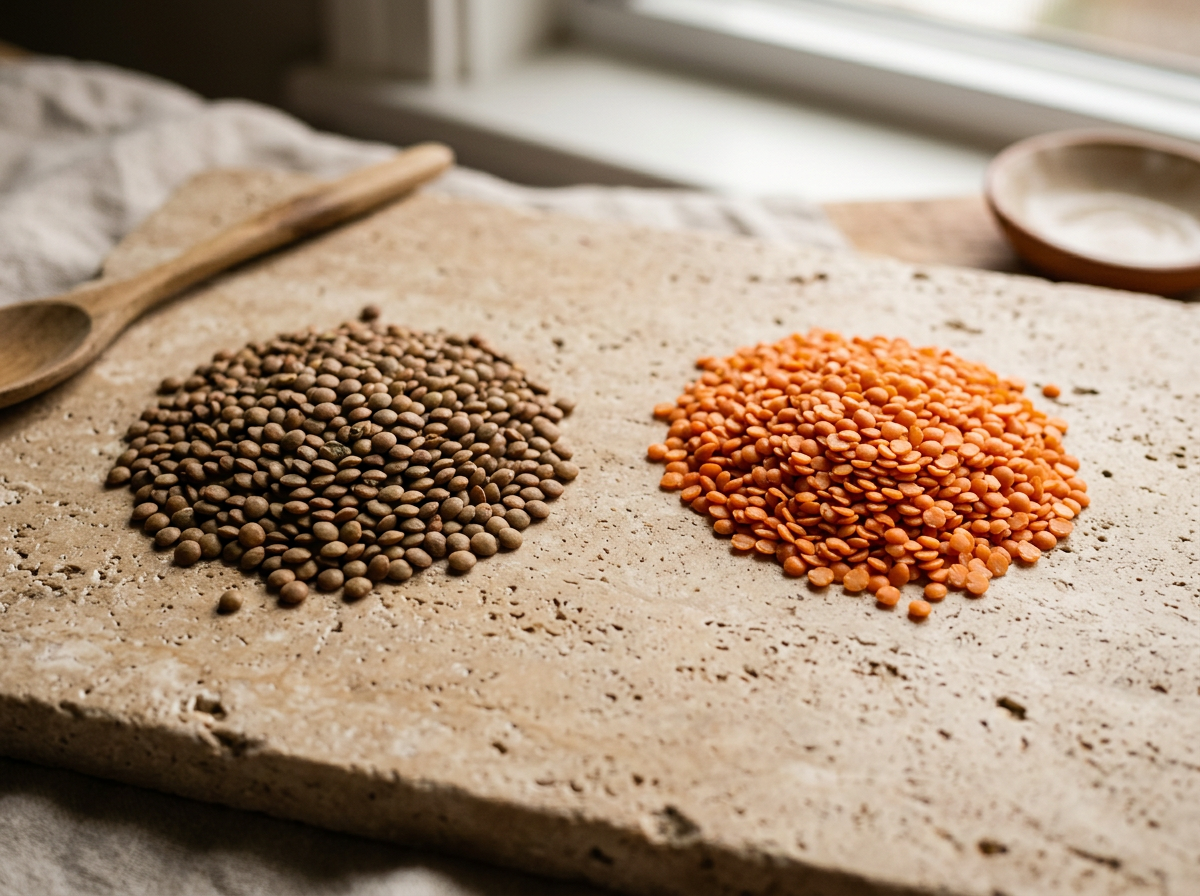
The base of misir wat, a staple of fasting-day and everyday cooking.
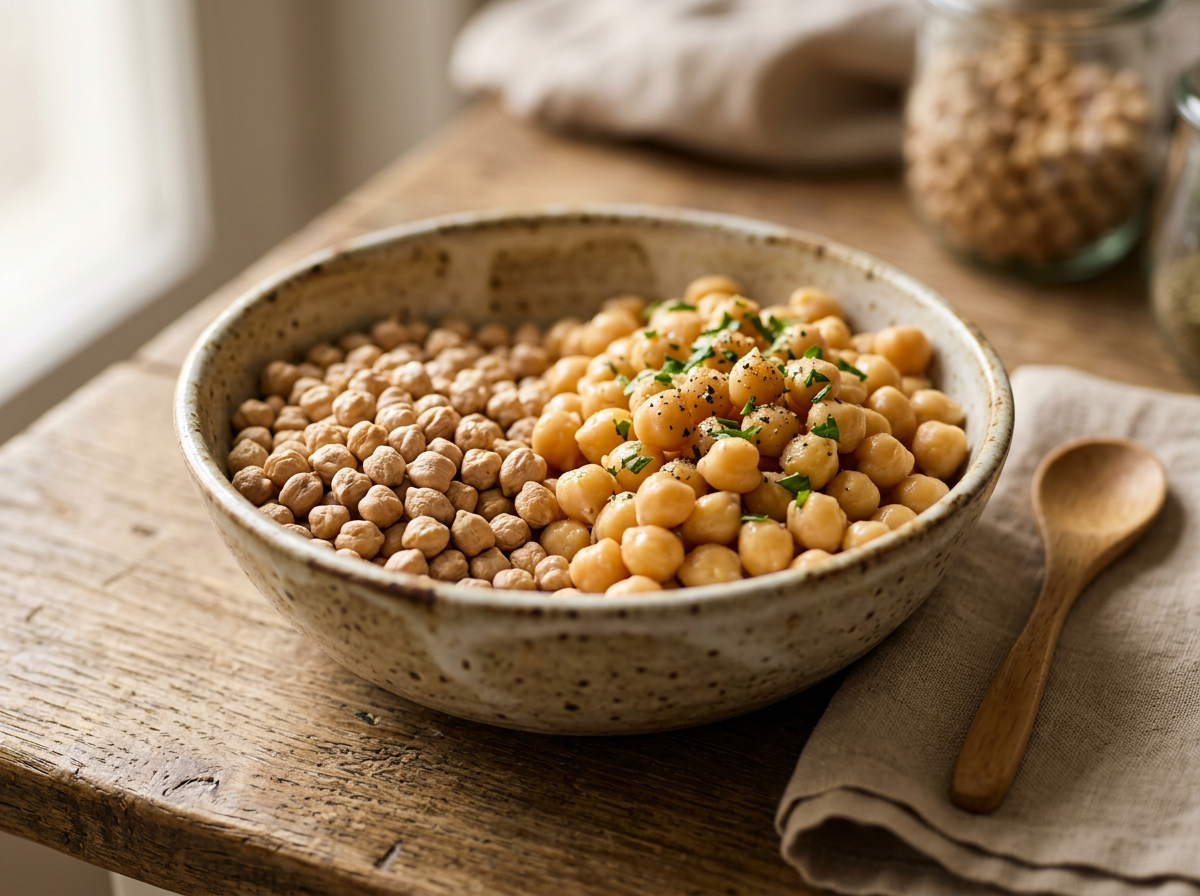
Ground into shiro, a smooth, comforting spiced purée.
Spiced clarified butter that carries flavor through countless dishes.
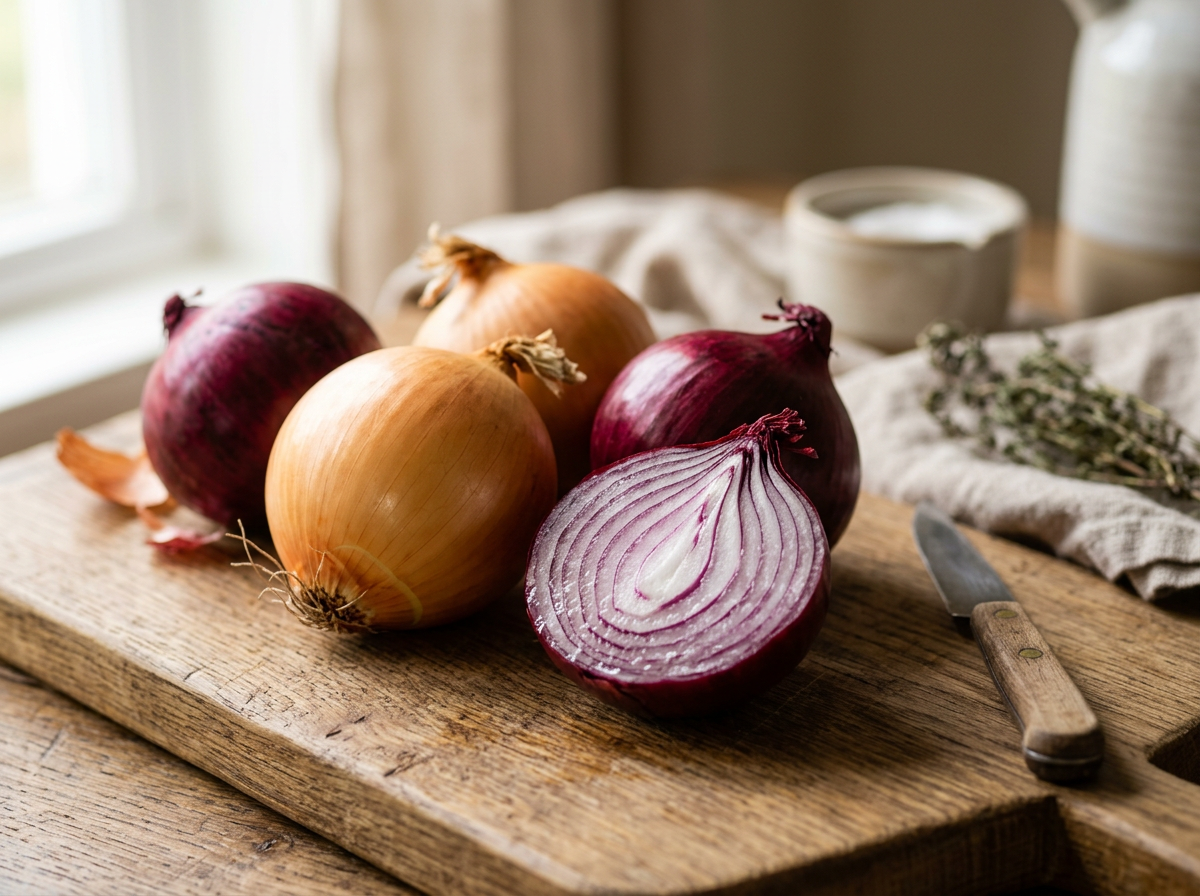
Slow-cooked in huge quantity as the silent foundation of every wat.
Signature Techniques
Teff batter is fermented for days to produce the tangy, bubbly flatbread.
Stews begin with a long, dry cook of onions before oil or butter is added — the key to their depth.
Berbere and mitmita are toasted and ground to build layered heat and aroma.
Multiple stews are arranged on one injera-lined tray for shared eating.
Signature Dishes
A rich, spicy chicken stew with berbere and hard-boiled eggs — the national dish.
Red lentils simmered in berbere and spiced butter.
A smooth, savory chickpea or bean purée, a fasting-day staple.
The tangy, spongy teff flatbread served under and alongside every meal.
Minced beef seasoned with mitmita and niter kibbeh, served warm or raw.
Ethiopian Recipes to Cook
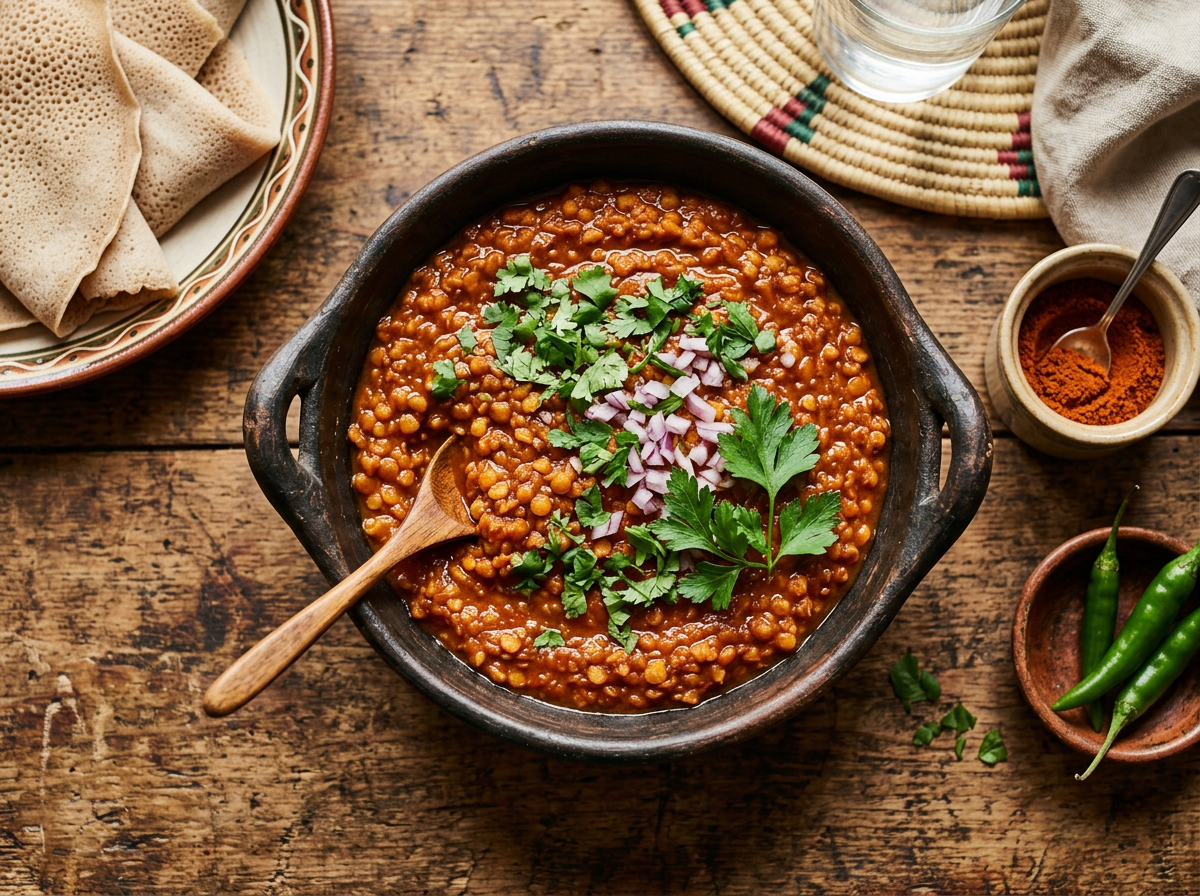
Ethiopian Misir Wot
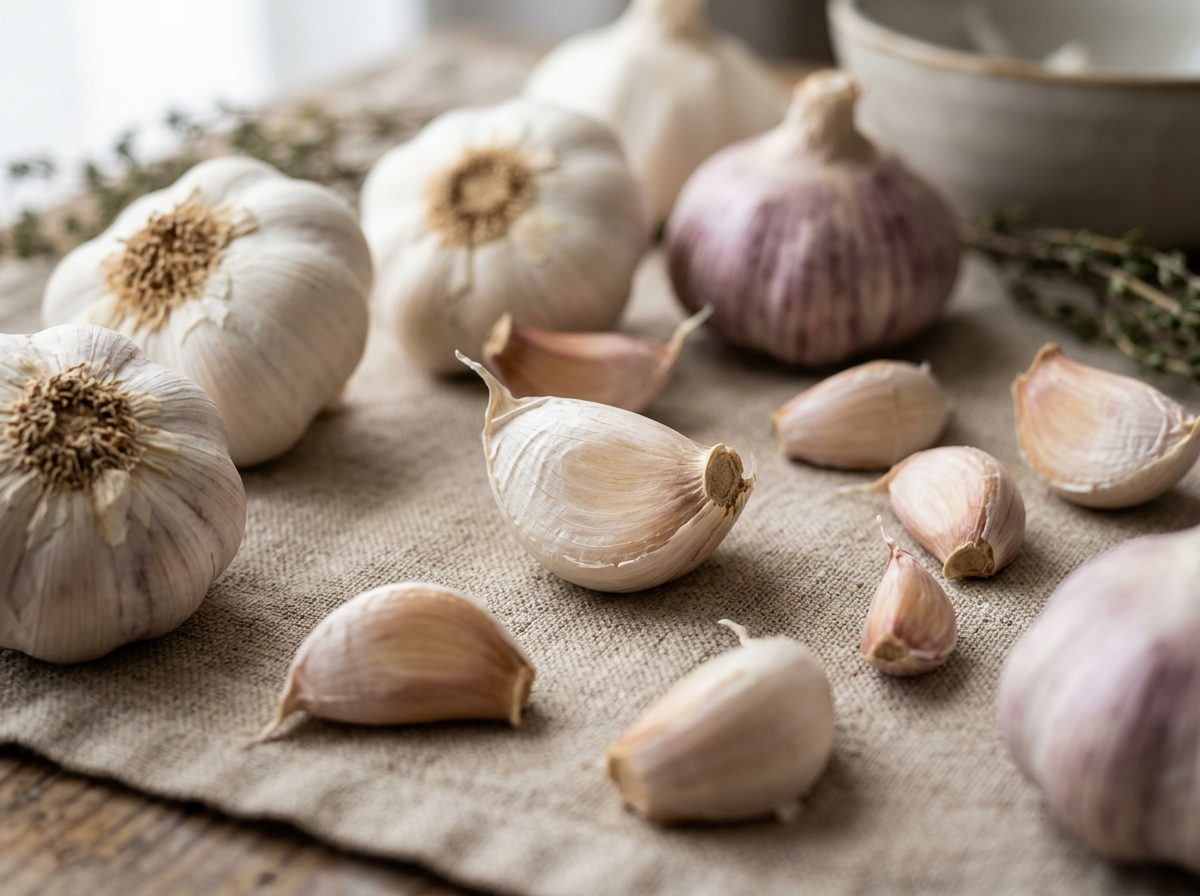
A deeply spiced Ethiopian red lentil stew simmered with berbere, onions, and garlic until velvety — naturally vegan, wonderfully budget-friendly, and perfect for batch cooking.
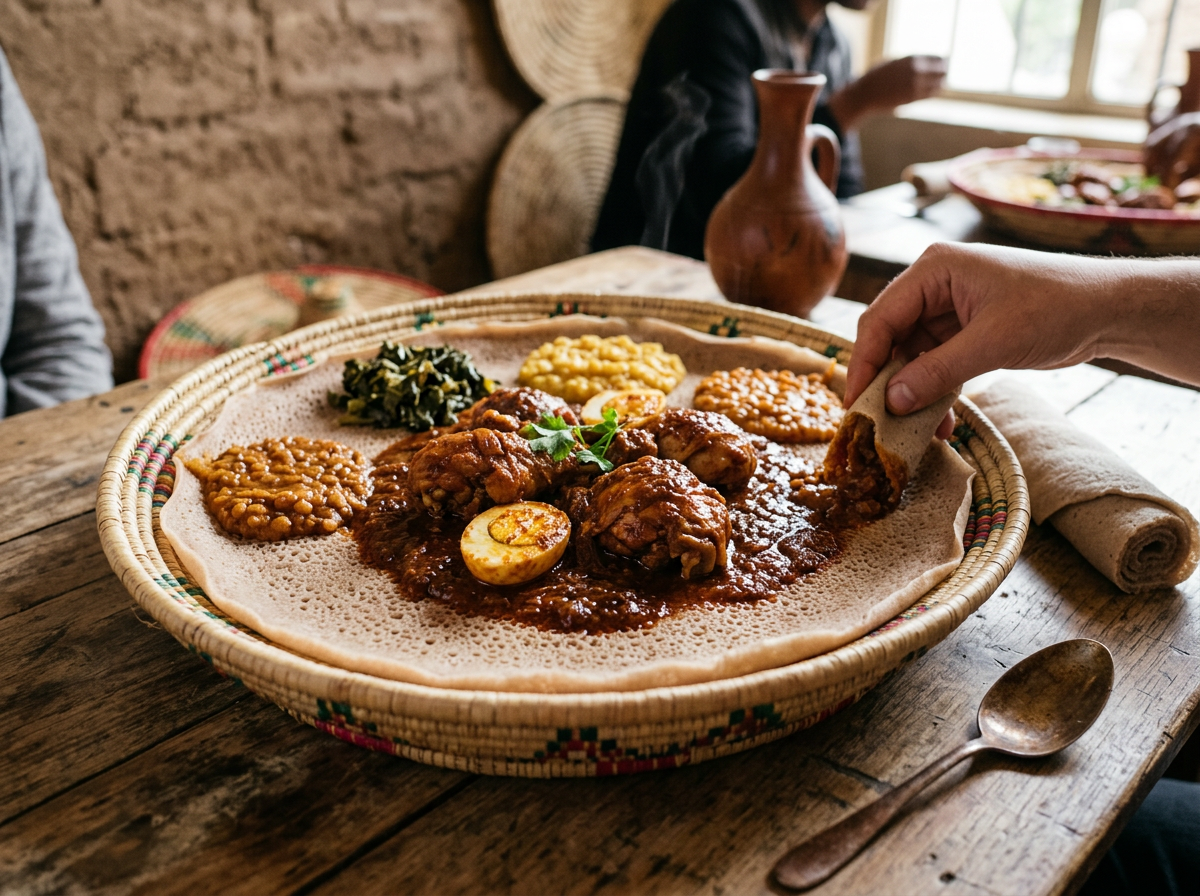
Berbere Lentil Stew
Red lentils simmered with onion, garlic, and aromatic berbere spice into a warming, naturally vegan stew inspired by the flavors of the Horn of Africa.
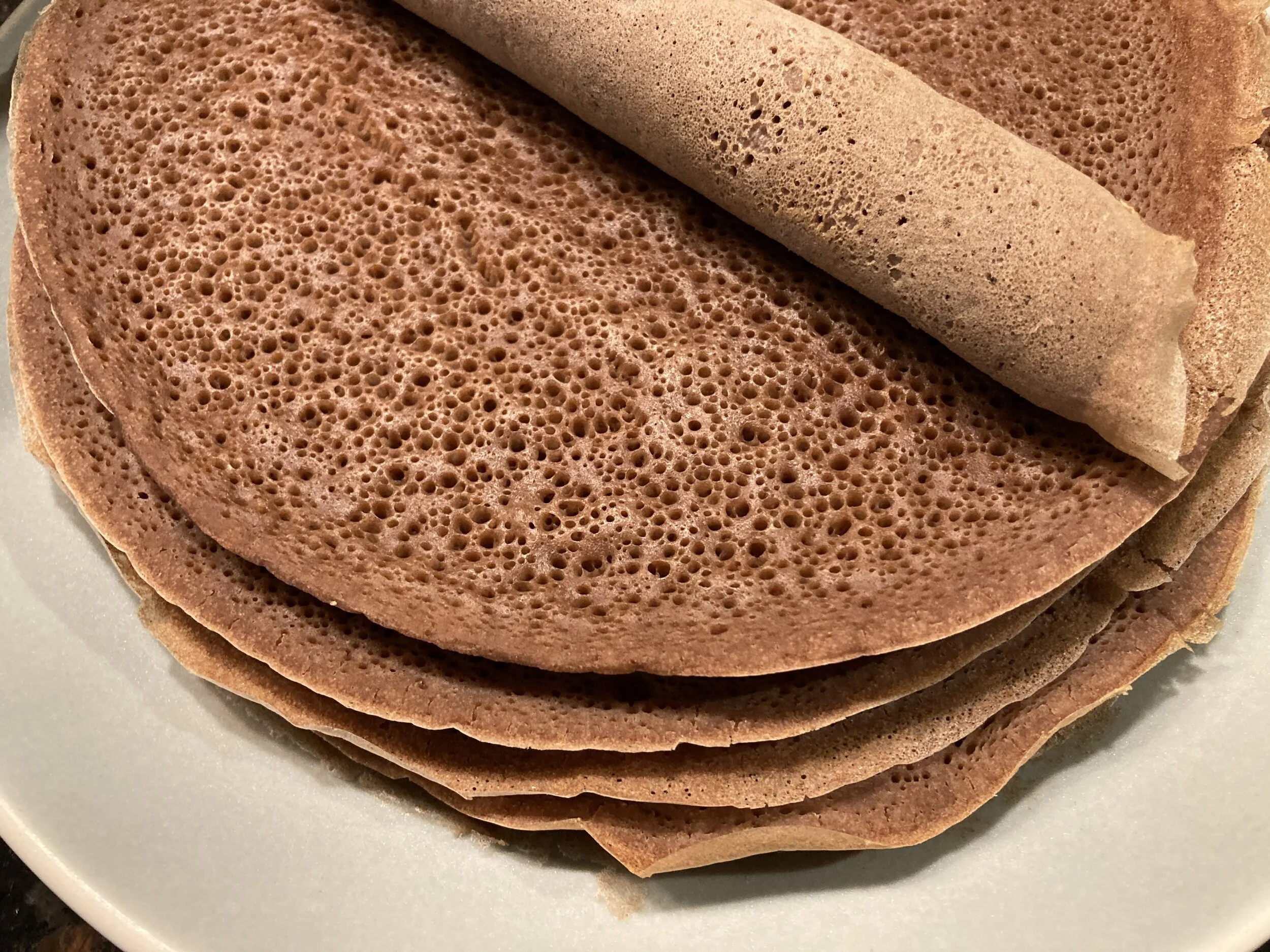
Injera Flatbread
The spongy, tangy Ethiopian sourdough flatbread that serves as both plate and utensil.
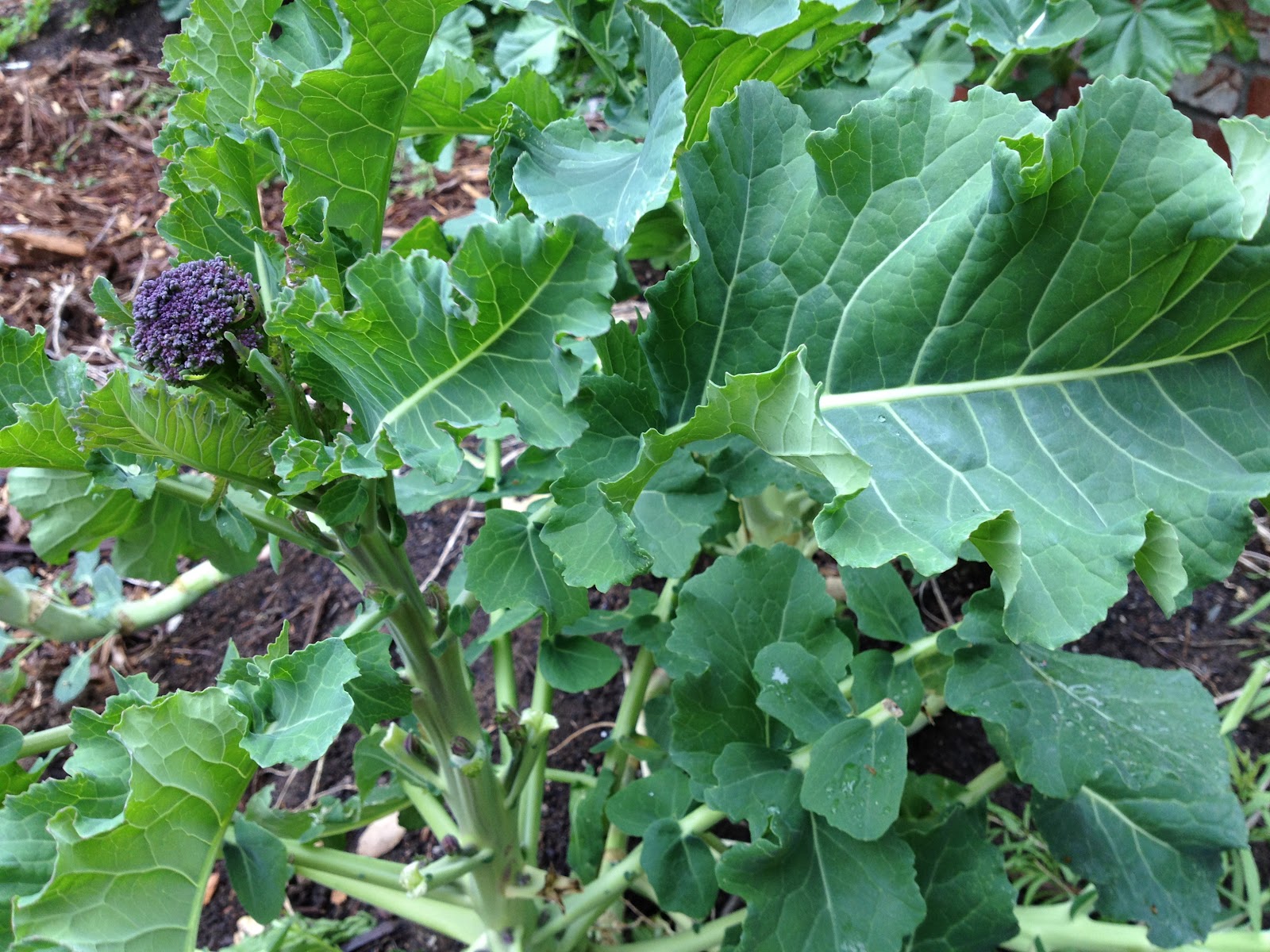
Gomen (Ethiopian Collard Greens)
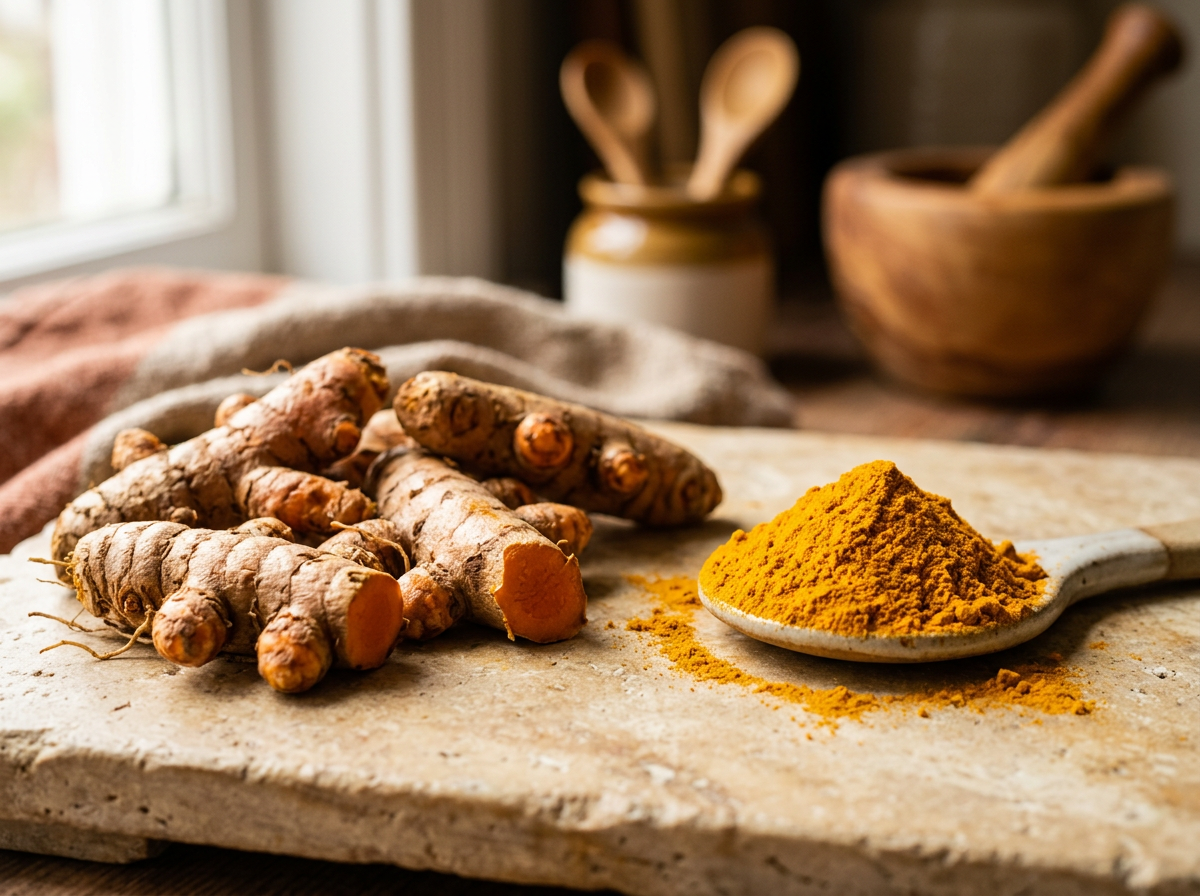
Tender collard greens sautéed with garlic, ginger, and warm spices — a fresh, savory side.
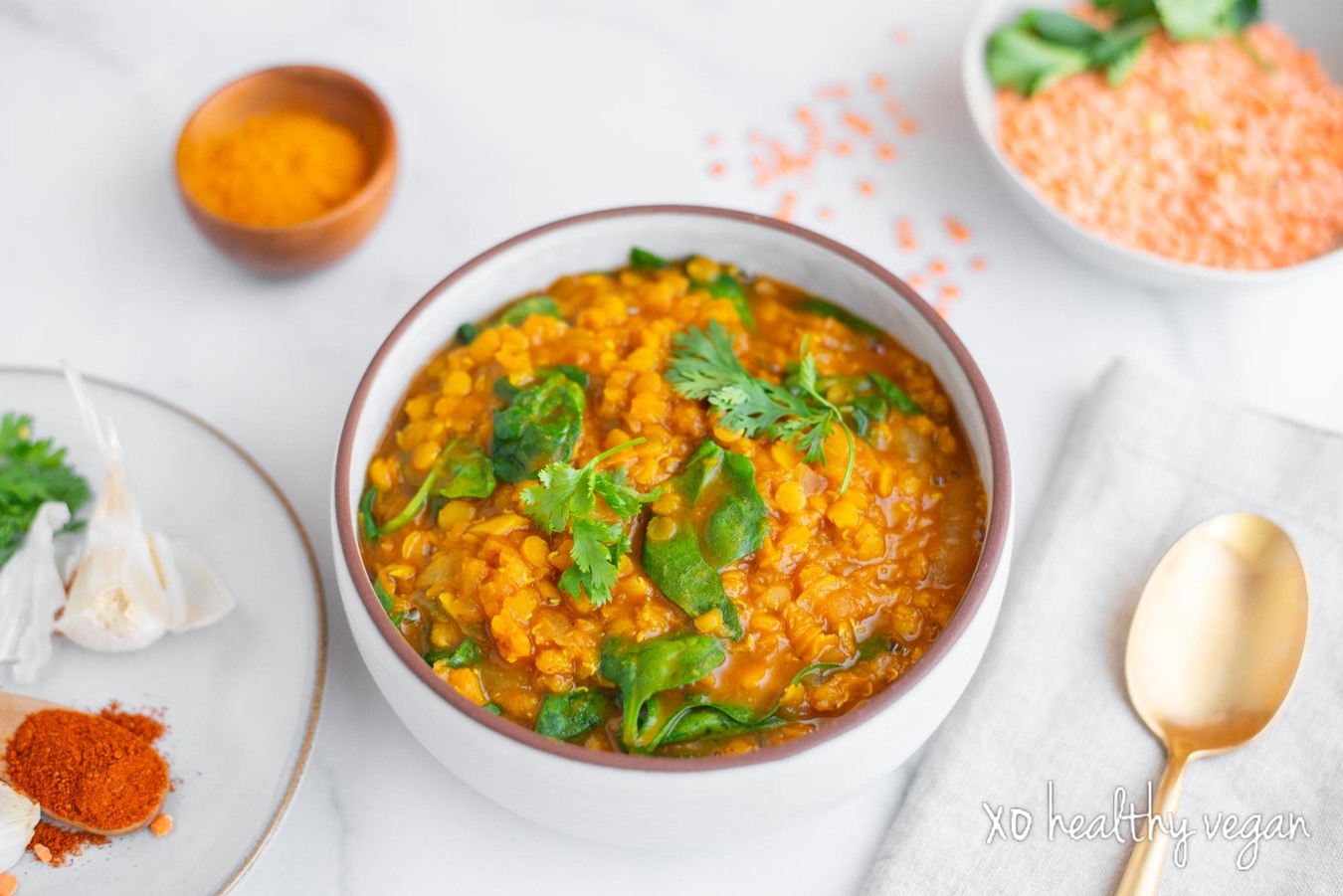
Misir Wot (Spiced Red Lentils)
Silky red lentils simmered with berbere and caramelized onion into a warming, fully plant-based stew.
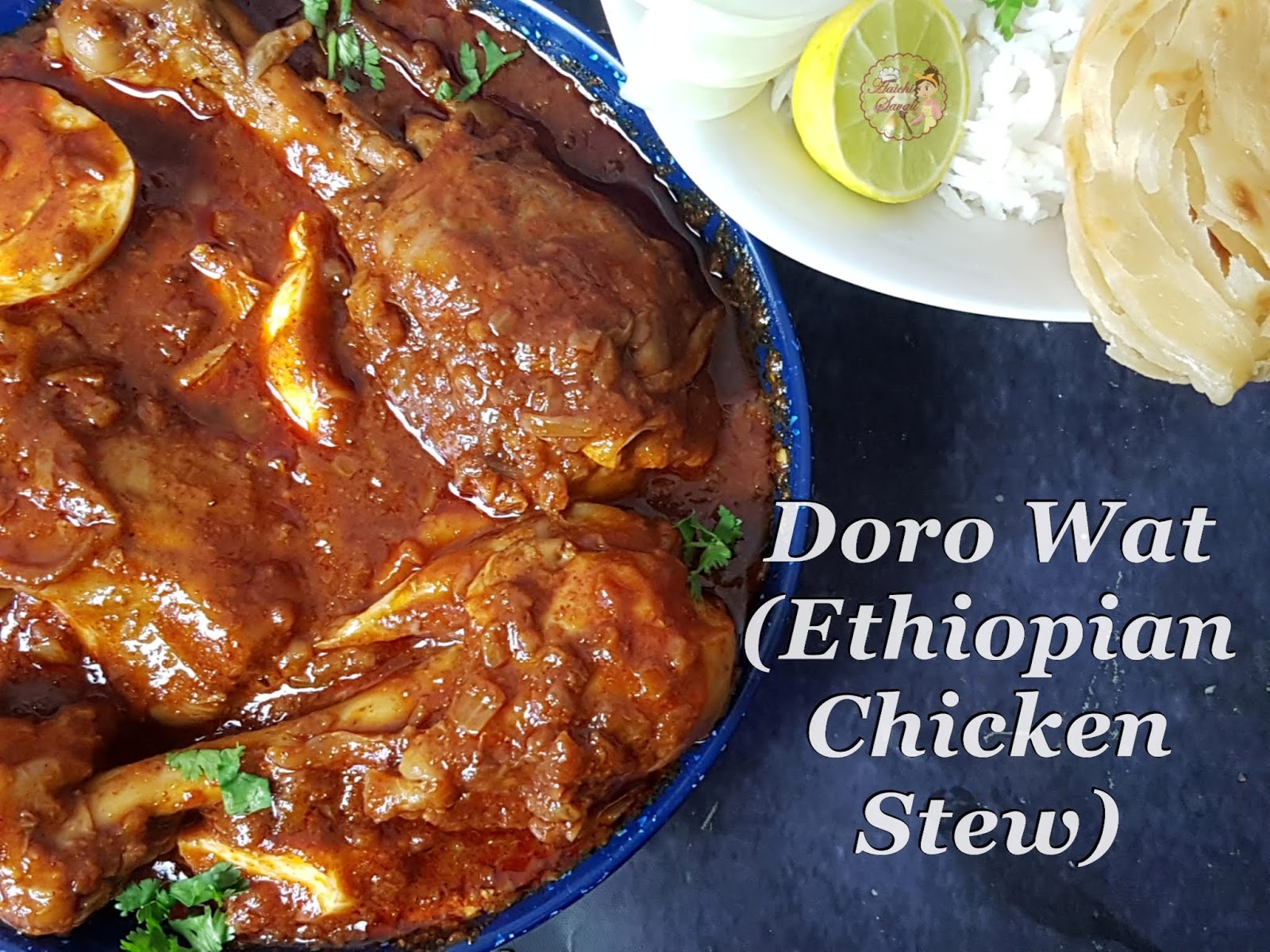
Doro Wat
A rich, deeply spiced Ethiopian chicken stew built on berbere and slow-cooked onions, served with injera.
Key Ingredients to Explore
Cooking Guides You May Like
A Guide to West African Cooking
From jollof rice to groundnut stew, West African cooking is generous, spice-forward, and made for sharing. Here is an introduction.
Building Balanced Meals: A Simple Framework
You do not need to count anything to eat well. A simple visual framework does the work for you.
Understanding Cooking Methods: Dry Heat, Moist Heat, and More
Every cooking method changes texture and flavor in a specific way. Knowing which to choose is the key to cooking anything well.