Trinidadian Cuisine
A lively fusion of African, Indian, and Creole soul — doubles, roti, and boundless flavor.
Introduction
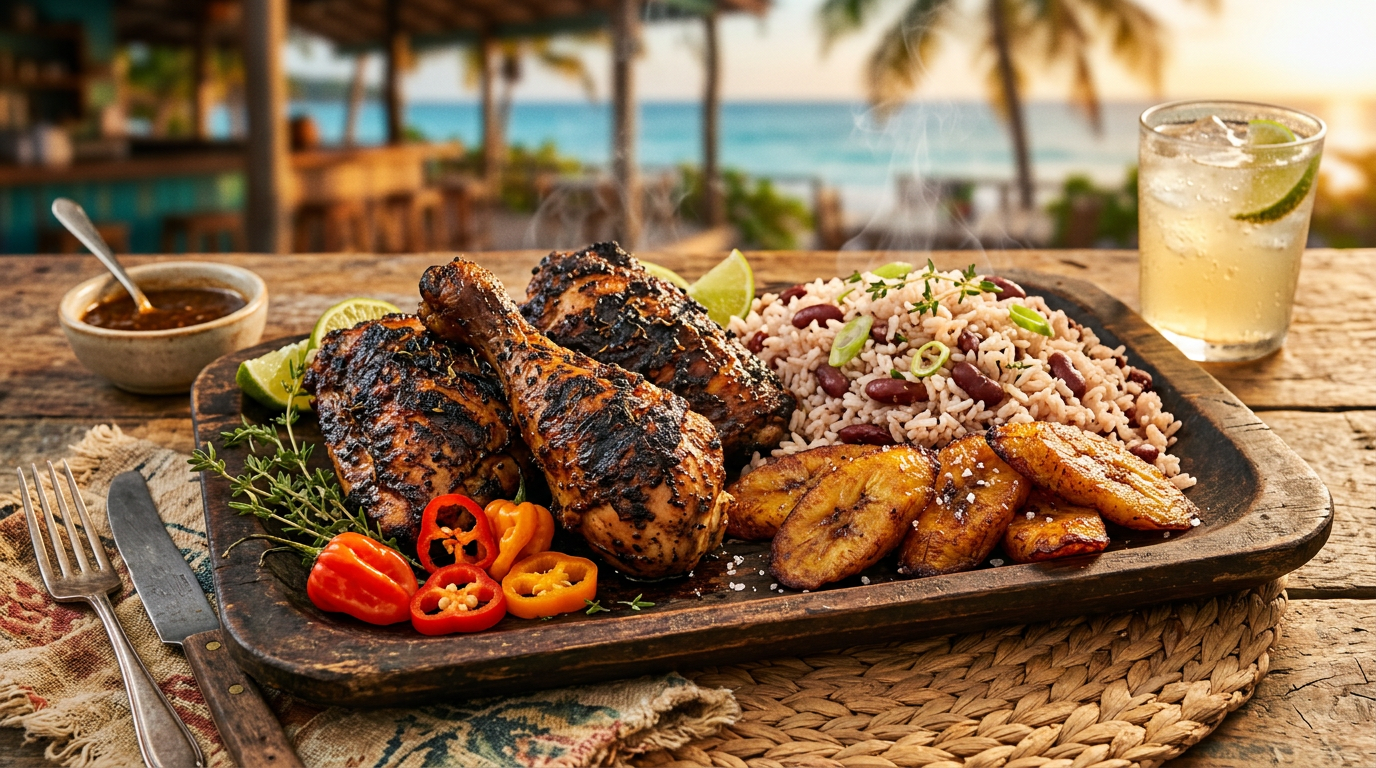
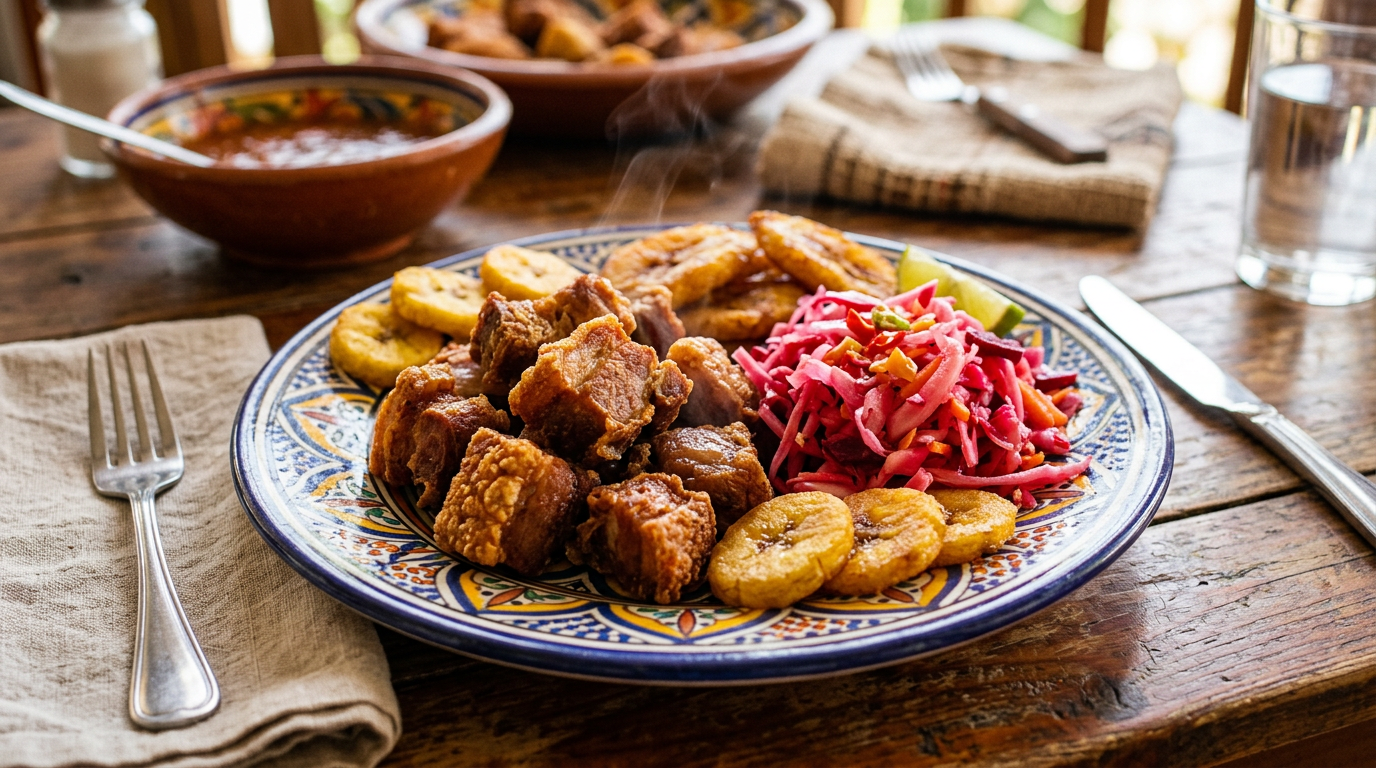
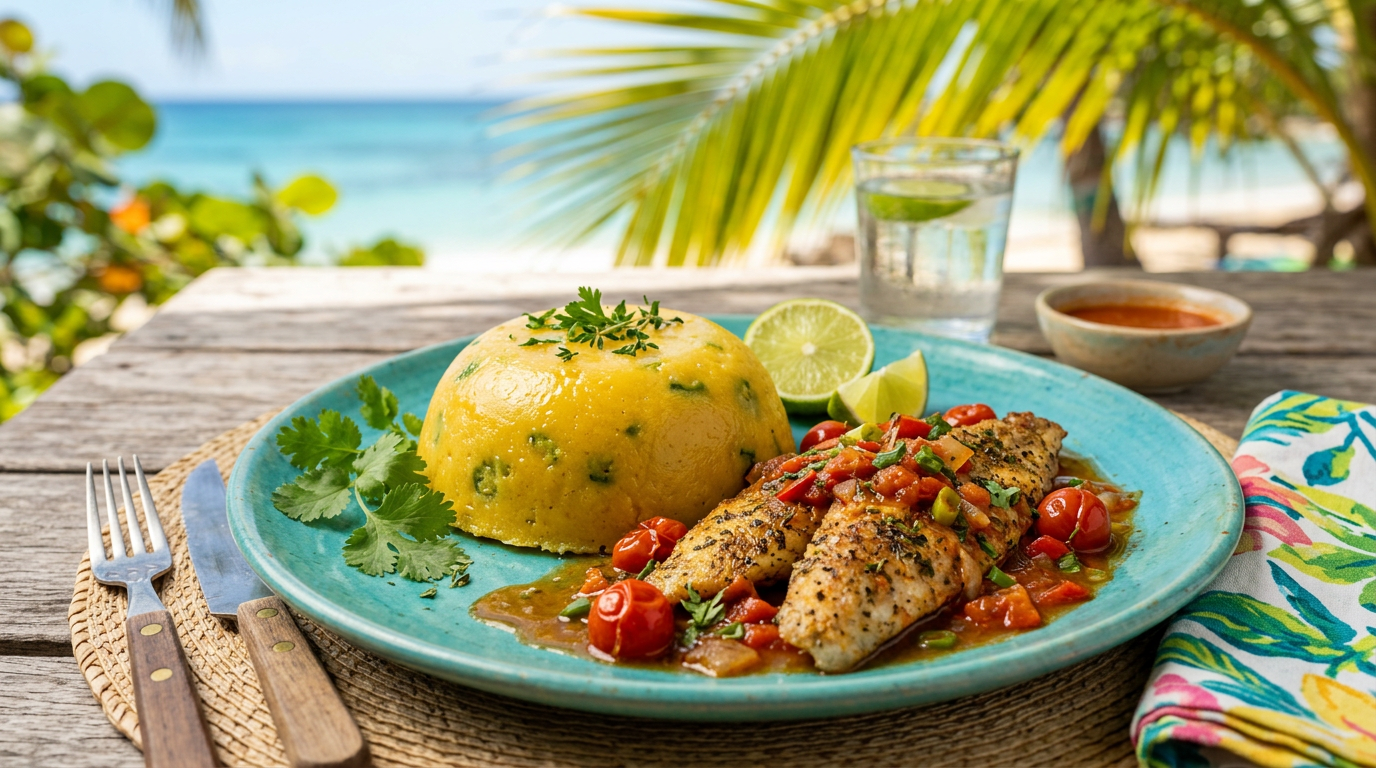
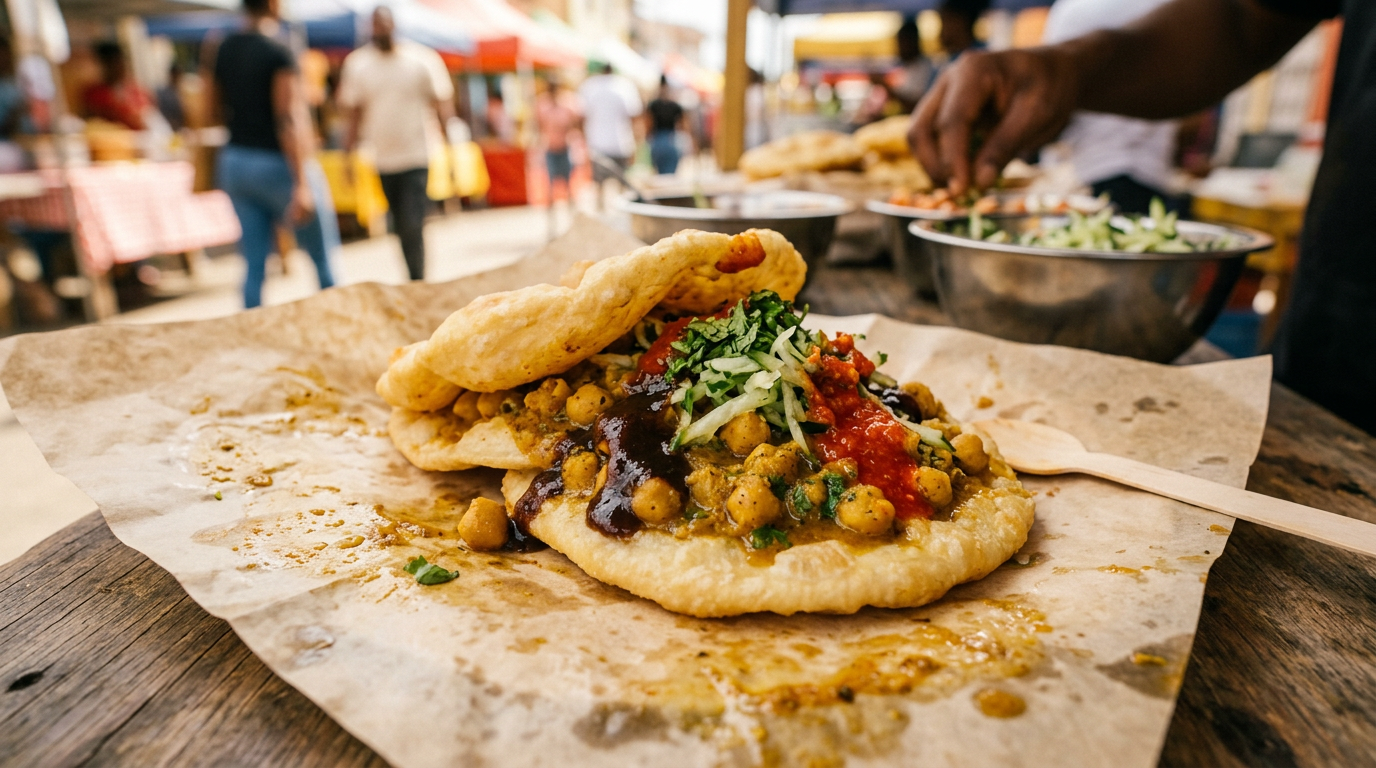
Trinidadian cuisine is a vibrant, multicultural feast born from the convergence of African, Indian, Chinese, Syrian-Lebanese, Indigenous, and European culinary traditions on one small Caribbean island. The result is a food culture of extraordinary range — from doubles (curried chickpeas in fried dough) and dhalpuri roti to callaloo and pelau, all seasoned with the island's signature green seasoning.
Food in Trinidad and Tobago is not merely sustenance but celebration, identity, and community. The island's street-food culture is legendary, and the flavors are bold, generous, and unapologetically layered.
History
Trinidad's cuisine reflects waves of migration. Indigenous Amerindian peoples contributed cassava and corn. Spanish and later British colonizers brought European techniques. Enslaved Africans introduced callaloo, one-pot cooking, and root-vegetable traditions. Indian indentured laborers, arriving from the 1840s, brought curry, roti, and doubles — dishes that are now as Trinidadian as they are Indian.
Chinese and Syrian-Lebanese immigrants added their own flavors, while the island's proximity to Venezuela introduced empanada-like pastelles. The result is a cuisine unlike any other Caribbean island — a true fusion forged over centuries.
Cultural Context
Lime (socializing), fête (party), and food are inseparable in Trinidadian culture. Carnival season brings specific dishes — pelau for outdoor fêtes, corn soup for late-night revelers. Doubles vendors appear at dawn, serving breakfast to commuters. Roti shops are institutions.
Religious and cultural diversity means Hindu, Muslim, Christian, and Orisha celebrations all contribute distinct food traditions — from Diwali sweets to Eid curries to Christmas pastelles.
Regional Variations
Street-food capital: doubles, bake and shark, pholourie, and roti shops on every corner.
Indian-heritage communities maintain elaborate roti and curry traditions, including dhalpuri and paratha.
More Afro-Caribbean influence: crab and callaloo, provision-heavy cooking, and fresh seafood from reef waters.
Strong Indian influence with vegetarian traditions, chutneys, and temple-festival cooking.
Core Ingredients
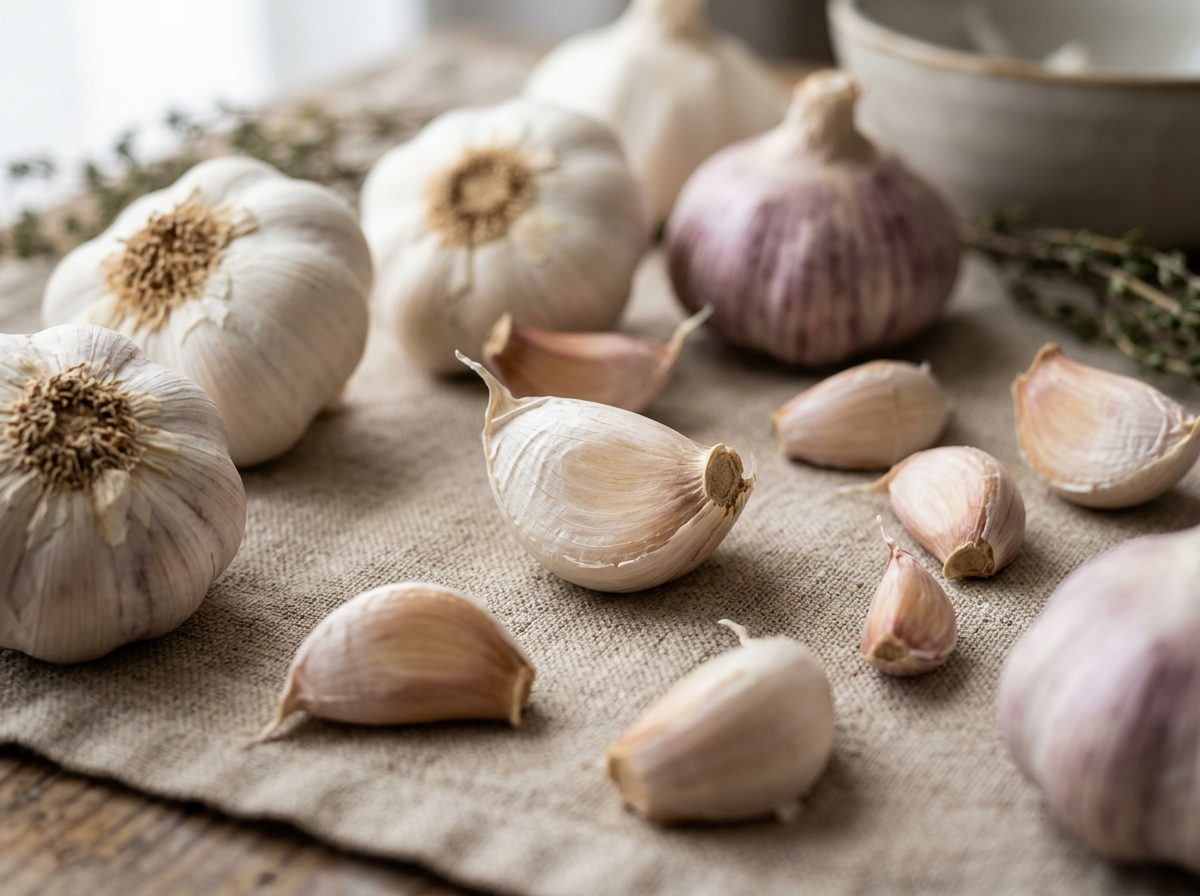
A fresh blend of culantro (shado beni), thyme, garlic, pimento peppers, and scallions — the foundation of most savory dishes.
Trinidad's roasted, deeply toasted curry powder is distinctive — heavier on cumin and coriander than Indian blends.
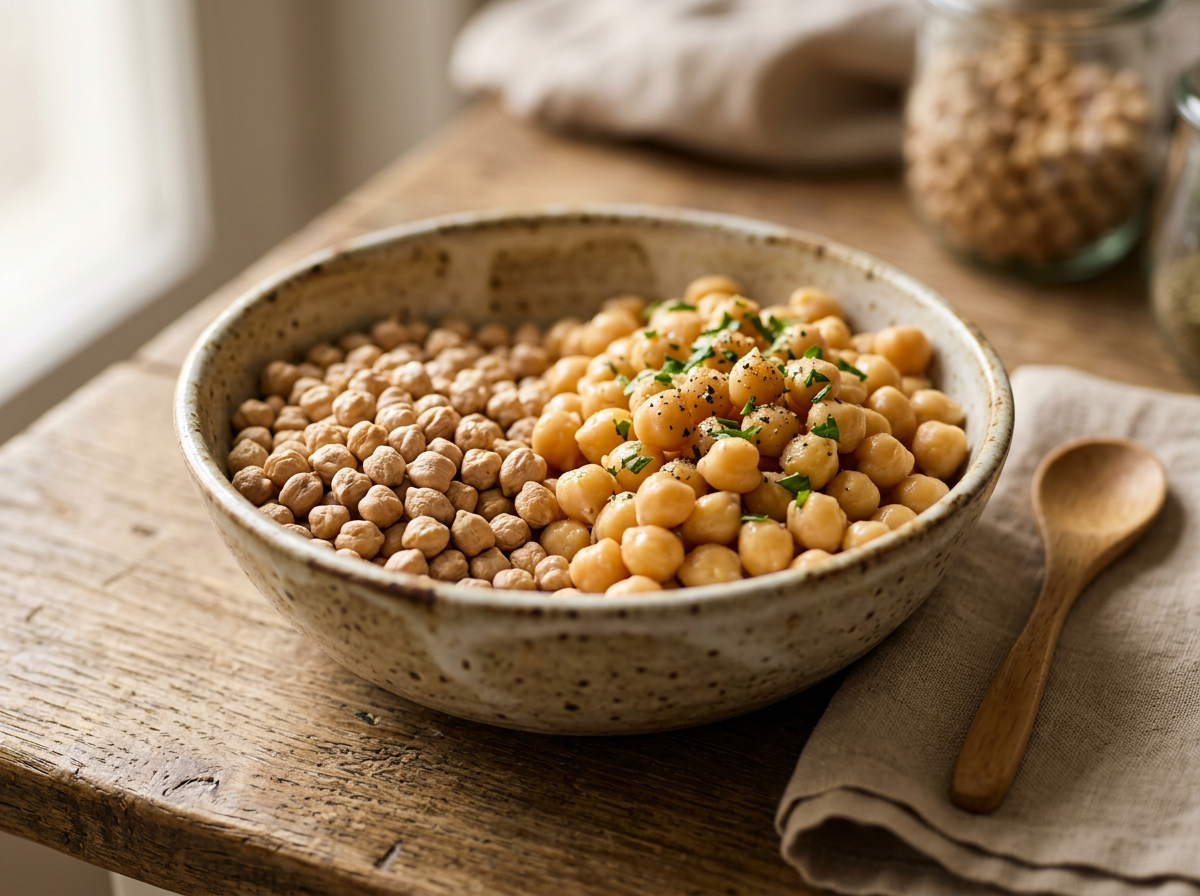
Curried into the filling for doubles and served alongside roti as channa.
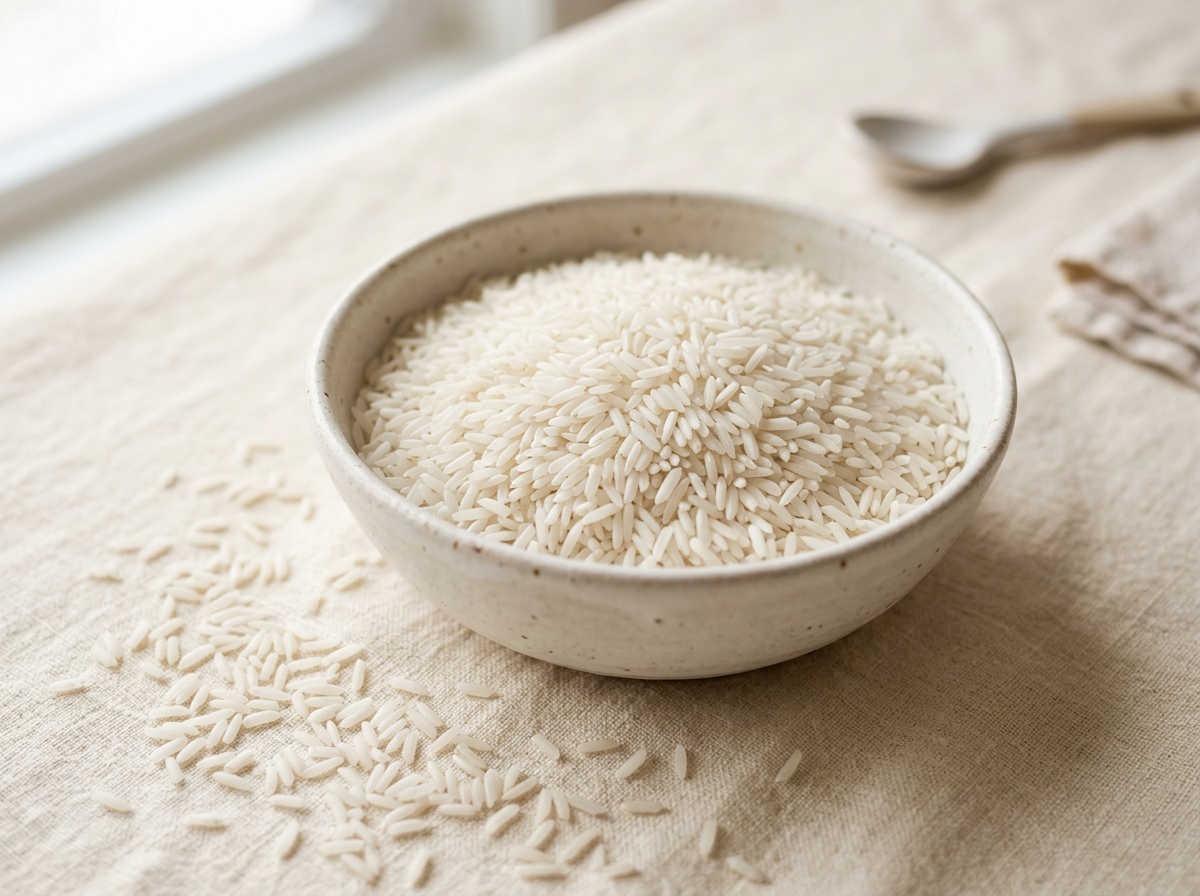
Simmered with rice and coconut milk for pelau and rice dishes.
Provide heat and fruity depth to sauces, chutneys, and stews.
The key green in callaloo, slow-simmered with okra, coconut milk, and crab.
Signature Techniques
Curry powder is dry-roasted until deeply fragrant before being added to oil and aromatics — a distinctly Trinidadian step.
Dhalpuri roti is filled with ground split peas; paratha roti is clapped and layered for flaky texture.
Meats are rubbed with blended green seasoning and left to marinate, building deep herbal flavor.
Dasheen leaves, okra, coconut milk, and crab are simmered until thick, silky, and rich.
Signature Dishes
Two soft fried bara breads filled with curried chickpeas and tamarind/pepper sauce — Trinidad's street-food icon.
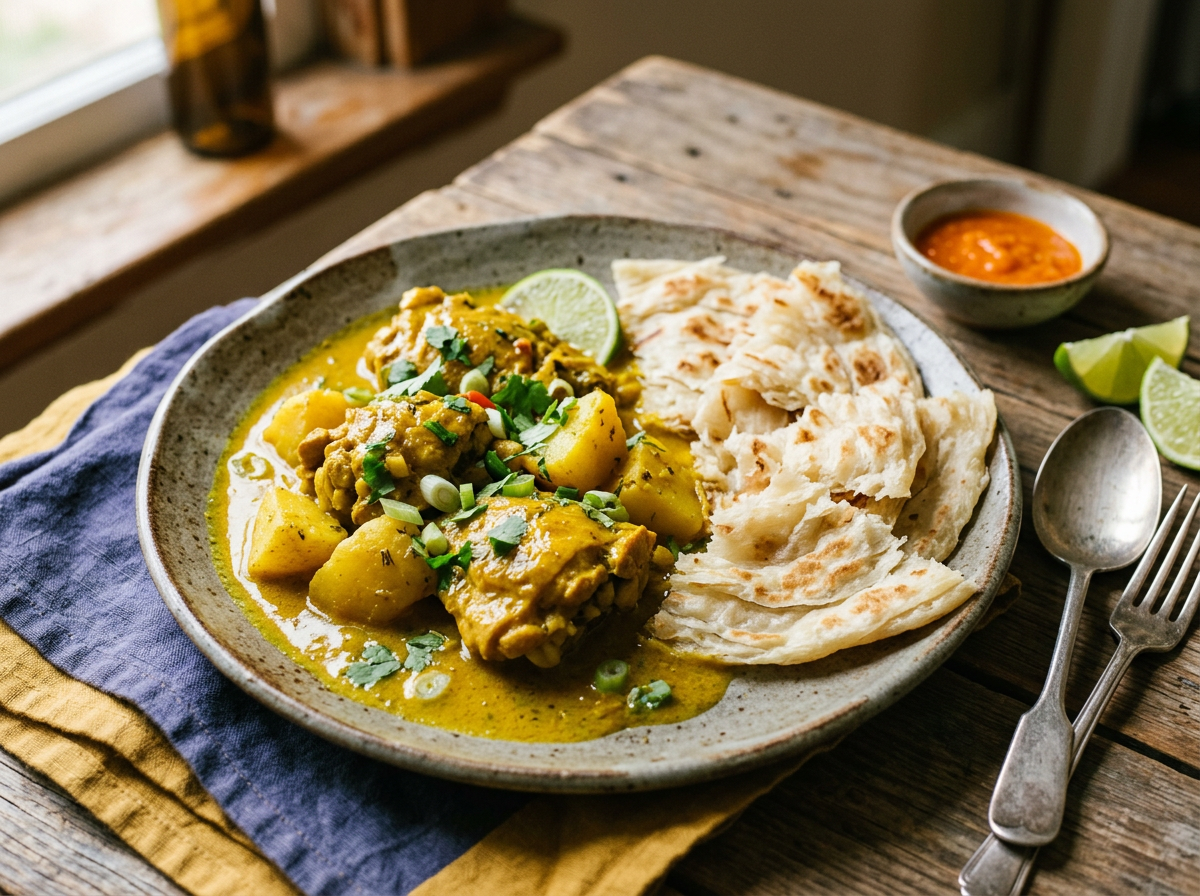
Soft flatbread wrapped around curried meat, potatoes, and chickpeas — a complete meal.
Thick, silky stew of dasheen leaves, okra, coconut milk, and blue crab — the national dish.
One-pot rice with caramelized chicken, pigeon peas, and coconut milk — party food.
Fried shark tucked into puffy fried bread with a rainbow of toppings and sauces — a beach classic.
Trinidadian Recipes to Cook
Key Ingredients to Explore
Cooking Guides You May Like
Caribbean Cuisine: A Guide to Island Flavors, Spice & Sunshine
Sunny and spice-forward, Caribbean cooking layers jerk seasoning, scotch bonnet heat, and coconut richness across the islands. Here is the full picture.
The Essentials of Caribbean & Latin American Cooking
Bright citrus, smoky spice, and fresh seafood define the cooking of the Caribbean and Latin America. Here is an introduction.
Understanding Cooking Methods: Dry Heat, Moist Heat, and More
Every cooking method changes texture and flavor in a specific way. Knowing which to choose is the key to cooking anything well.