Haitian Cuisine
Bold, citrusy, and proudly seasoned — a proud and flavorful Caribbean tradition.
Introduction
Haitian cuisine is bold, citrusy, and deeply seasoned — a cooking tradition shaped by African, Taino, French, and Spanish influences and distinguished by its signature epis (herb-citrus paste), fiery pikliz (pickled slaw), and the unmistakable earthiness of djon djon mushrooms. It is a cuisine of pride, resilience, and extraordinary flavor.
From the crispy, twice-fried pork griot served at celebrations to the elegant black rice of diri ak djon djon, Haitian food is generous, communal, and bursting with character. The bold, clean flavors — sour orange, thyme, parsley, garlic, scotch bonnet — set it apart from other Caribbean cuisines.
History
Haitian cuisine descends from the culinary traditions of West Africa, the Taino people of Hispaniola, and French colonial cooking. Enslaved Africans brought one-pot techniques, okra, and a genius for building flavor from simple ingredients. French colonists contributed sauces, baking, and the concept of the full-course meal.
After the Haitian Revolution of 1804, the world's first successful slave revolt, Haitian cooking evolved independently, developing its own distinctive character while retaining African and French foundations. Today the cuisine is a source of deep national pride.
Cultural Context
Soup joumou (pumpkin soup), served every January 1st, commemorates Haitian independence — a dish formerly forbidden to enslaved people, now shared joyously across the nation. It was inscribed on UNESCO's Intangible Cultural Heritage list in 2021.
Food is central to celebrations: griot with pikliz at parties, poule en sauce for Sunday dinner, akasan (cornmeal drink) for everyday refreshment. Haitian meals are typically served communal-style, with rice as the centerpiece.
Regional Variations
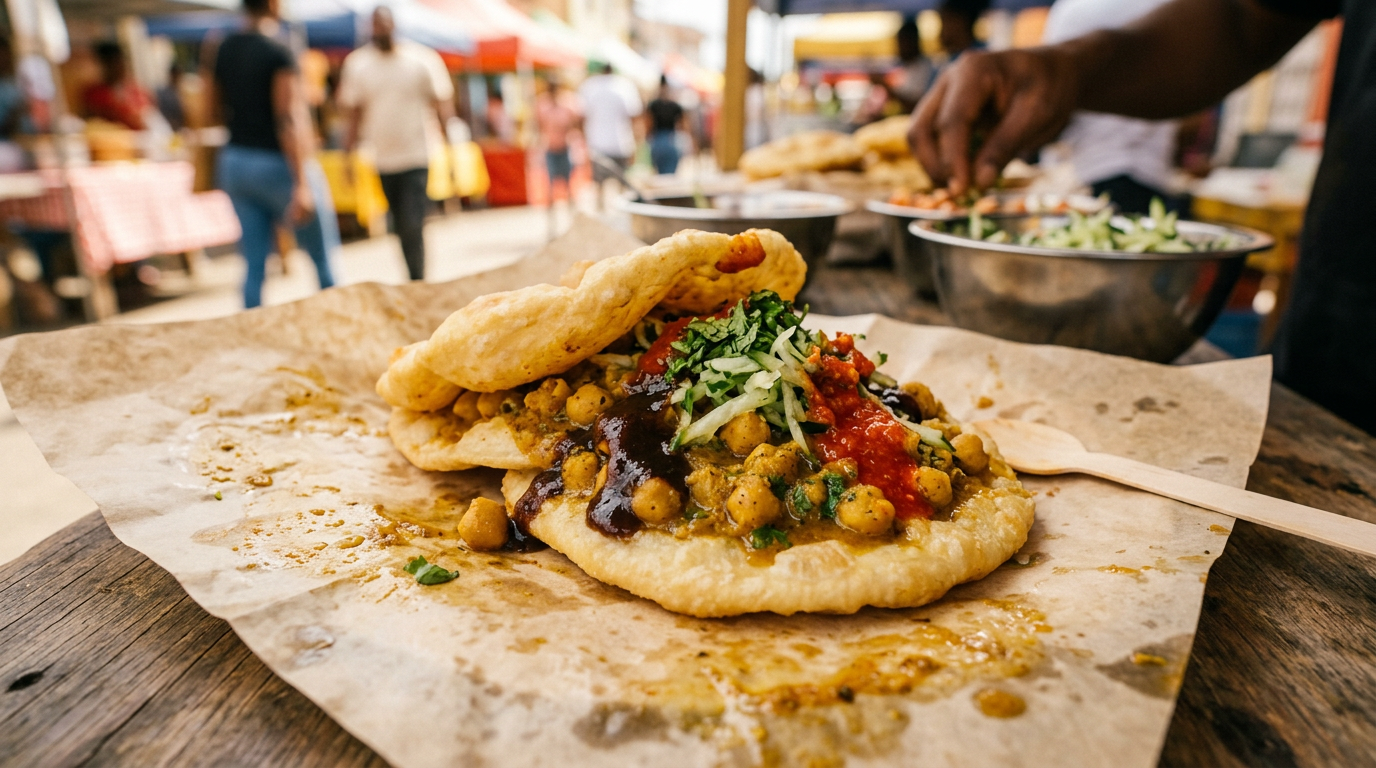
Urban street-food culture with fritay (fried snacks), griot, and tassot, plus French-influenced restaurants.
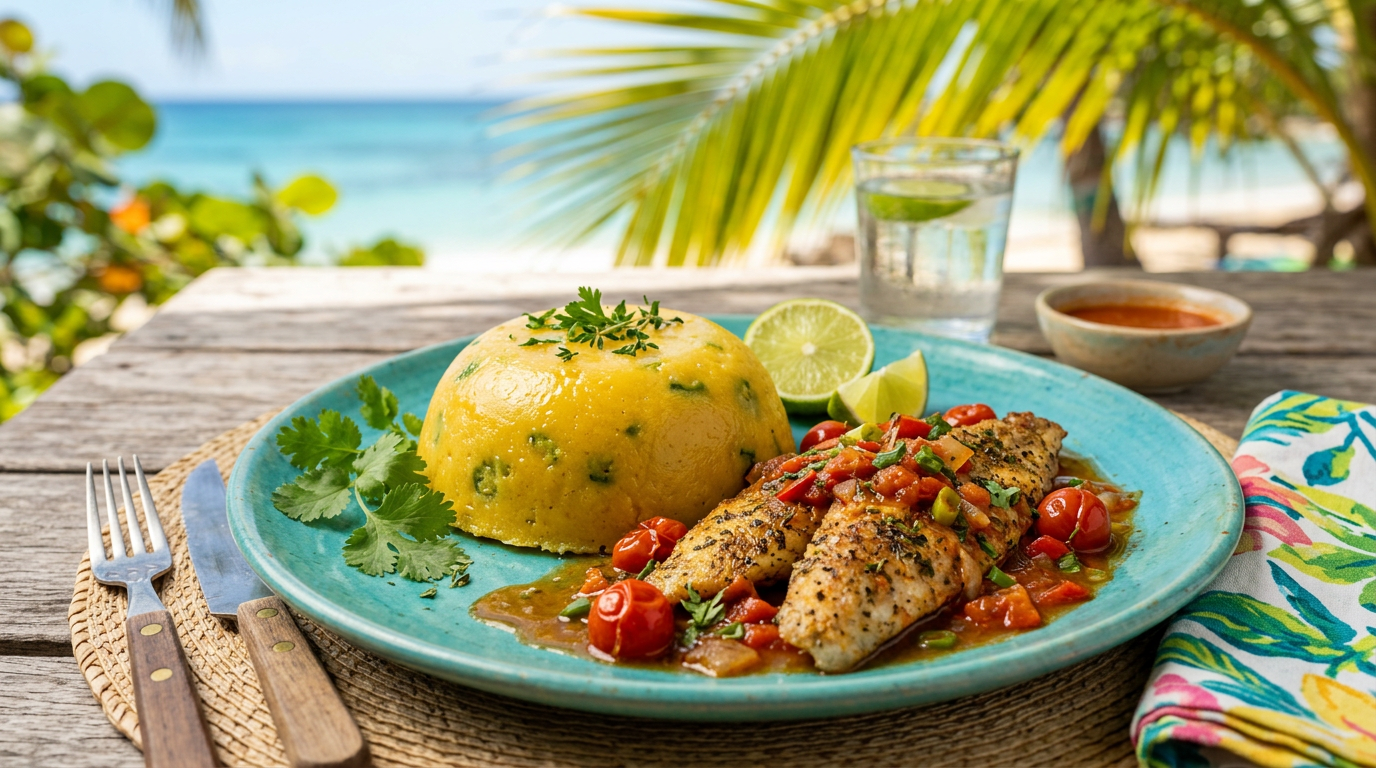
Known for seafood preparations and the use of bitter orange in marinades.
Abundant tropical fruit, fresh seafood, and cassava-based dishes.
Simple, provision-based cooking with boiled root vegetables, beans, and garden herbs.
Core Ingredients
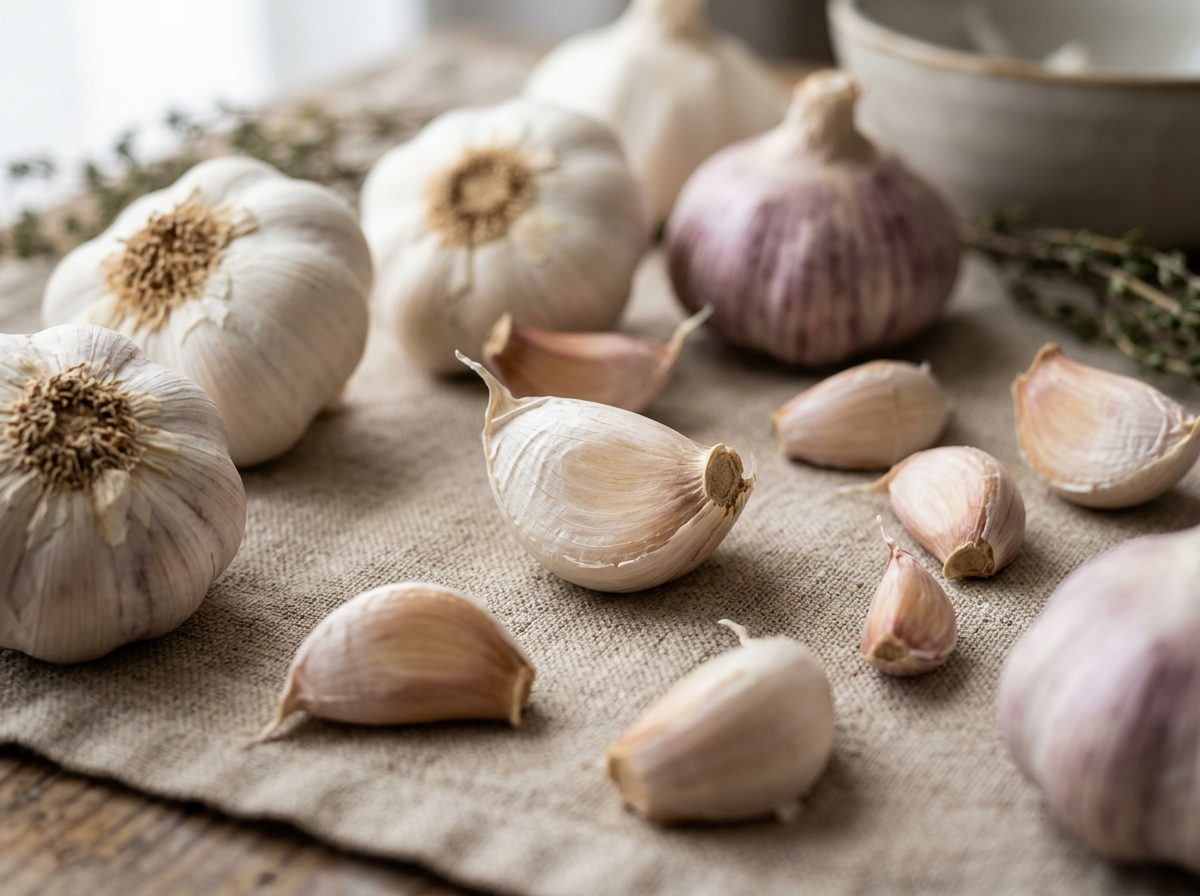
A fresh herb paste of parsley, garlic, bell pepper, thyme, scallions, and citrus — the foundation of nearly every Haitian dish.
The citrus of choice for marinades, providing a distinctive bitter-sour brightness.
Tiny dried black mushrooms unique to Haiti, yielding an earthy, dark broth for rice.
Provides heat in pikliz and stews — used whole or finely minced.
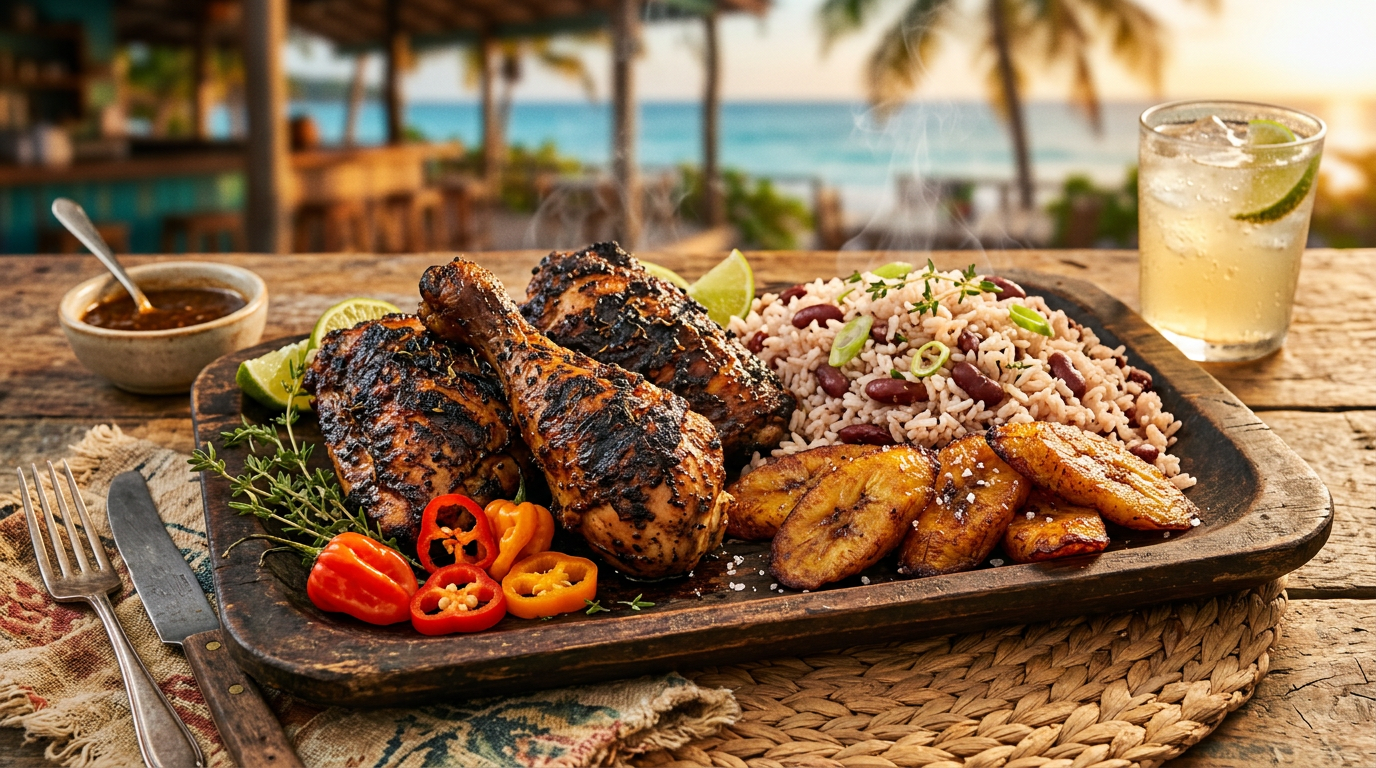
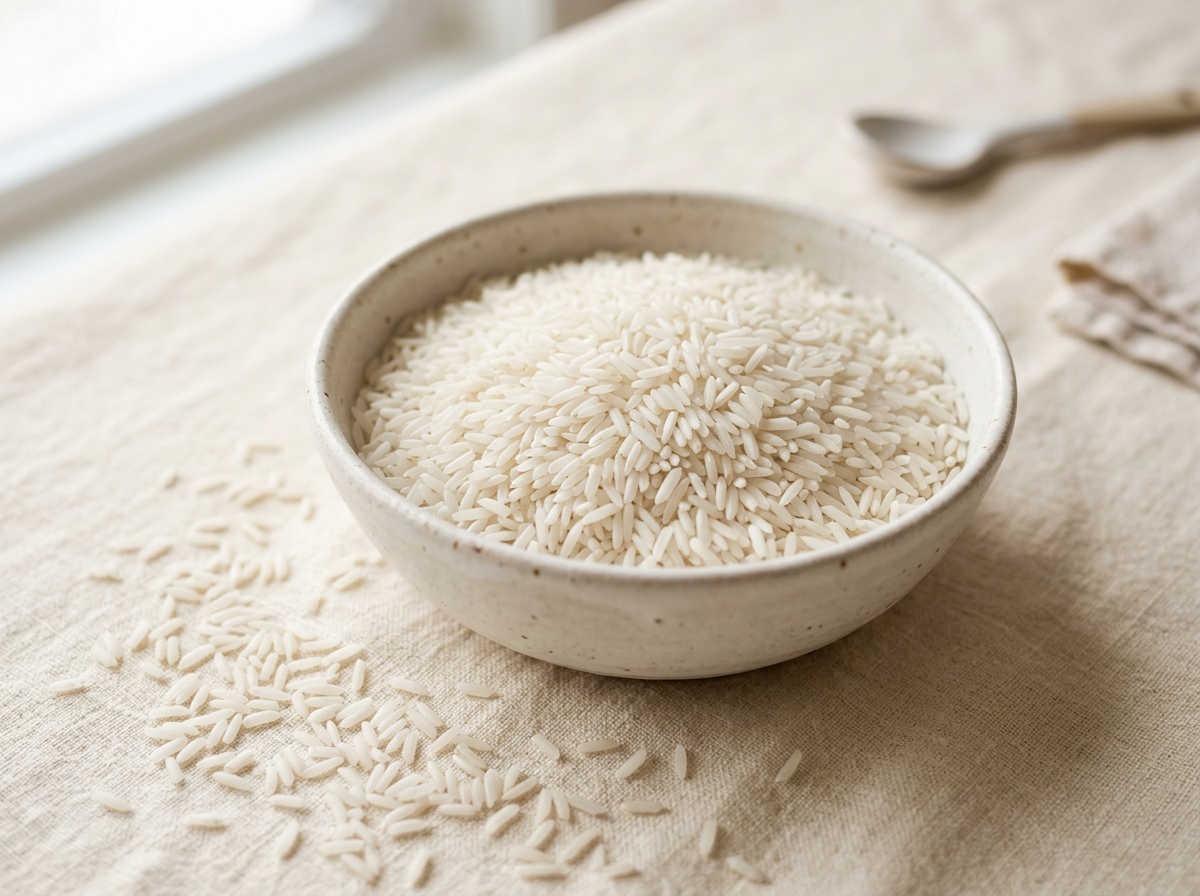
Diri ak pwa (rice and beans) is the everyday staple, served with virtually every meal.
The protein of celebration — marinated, braised, and twice-fried into crispy griot.
Signature Techniques
Pork is marinated in epis and sour orange, braised until tender, then deep-fried until crispy on the outside.
Shredded cabbage, carrots, and scotch bonnet are pickled in citrus-vinegar brine for a tangy, fiery condiment.
Dried mushrooms are simmered in water to release their black, earthy liquor, which colors and flavors rice.
Meats are rubbed generously with epis paste and left to absorb flavors before cooking.
Signature Dishes
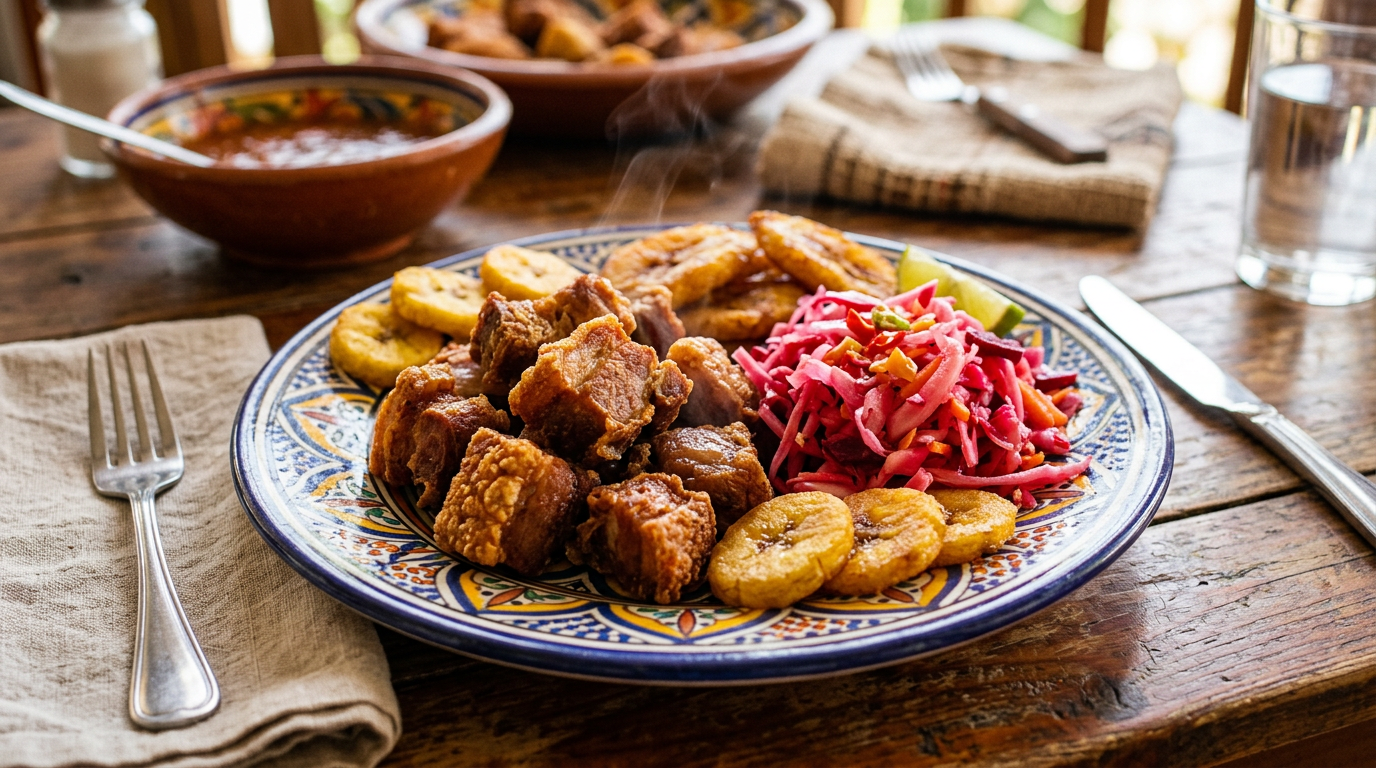
Twice-cooked pork: marinated, braised, then fried until golden and crispy — served with pikliz at every celebration.
Black mushroom rice — fragrant, earthy, and visually striking, a dish unique to Haiti.
Spicy pickled cabbage slaw with scotch bonnet — the essential Haitian condiment.
Rich pumpkin soup served on January 1st to celebrate independence — a UNESCO-recognized tradition.
Fried dried beef or goat, crispy and flavorful — a festive protein.
Haitian Recipes to Cook
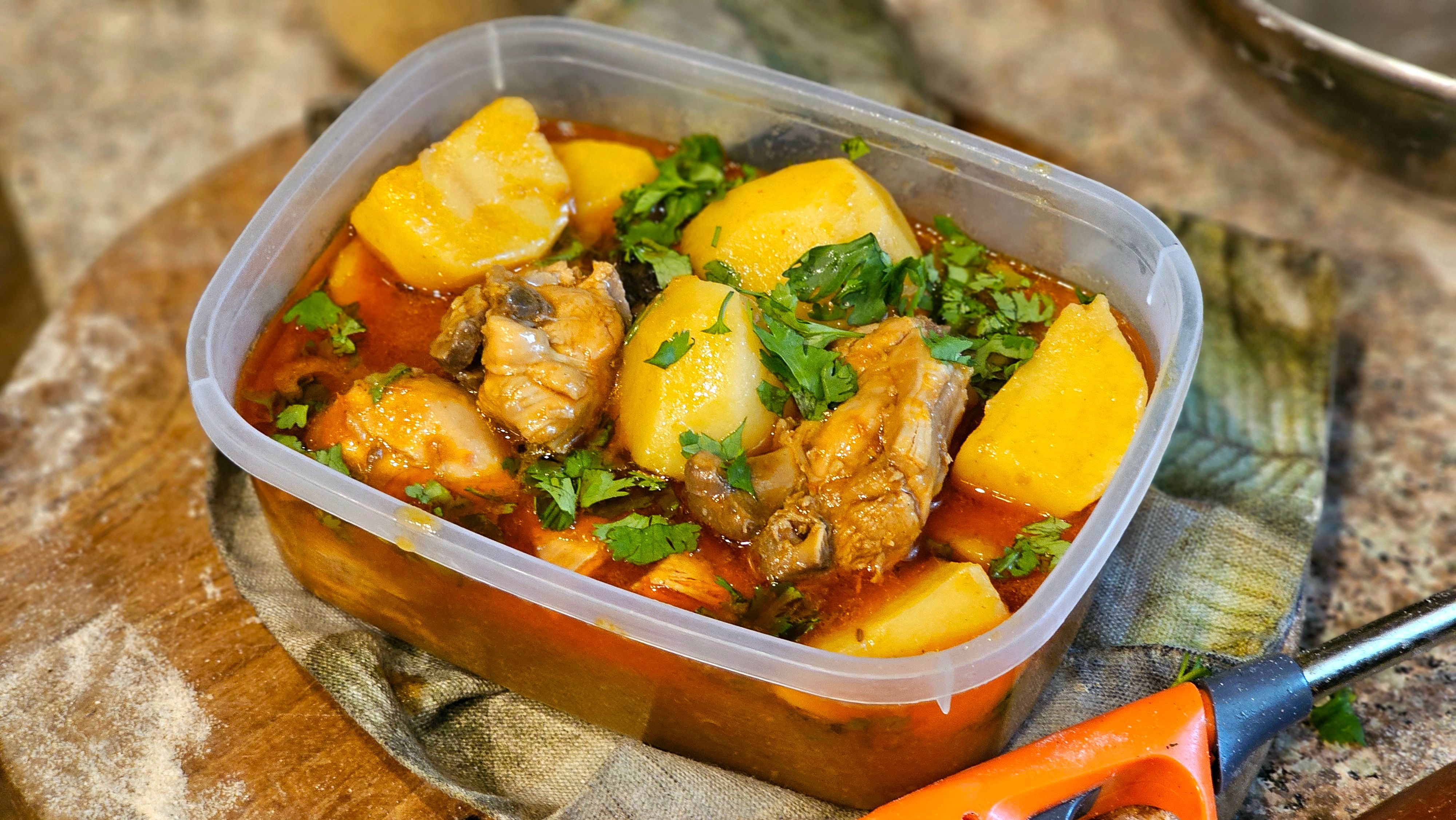
Poulet Nan Sos
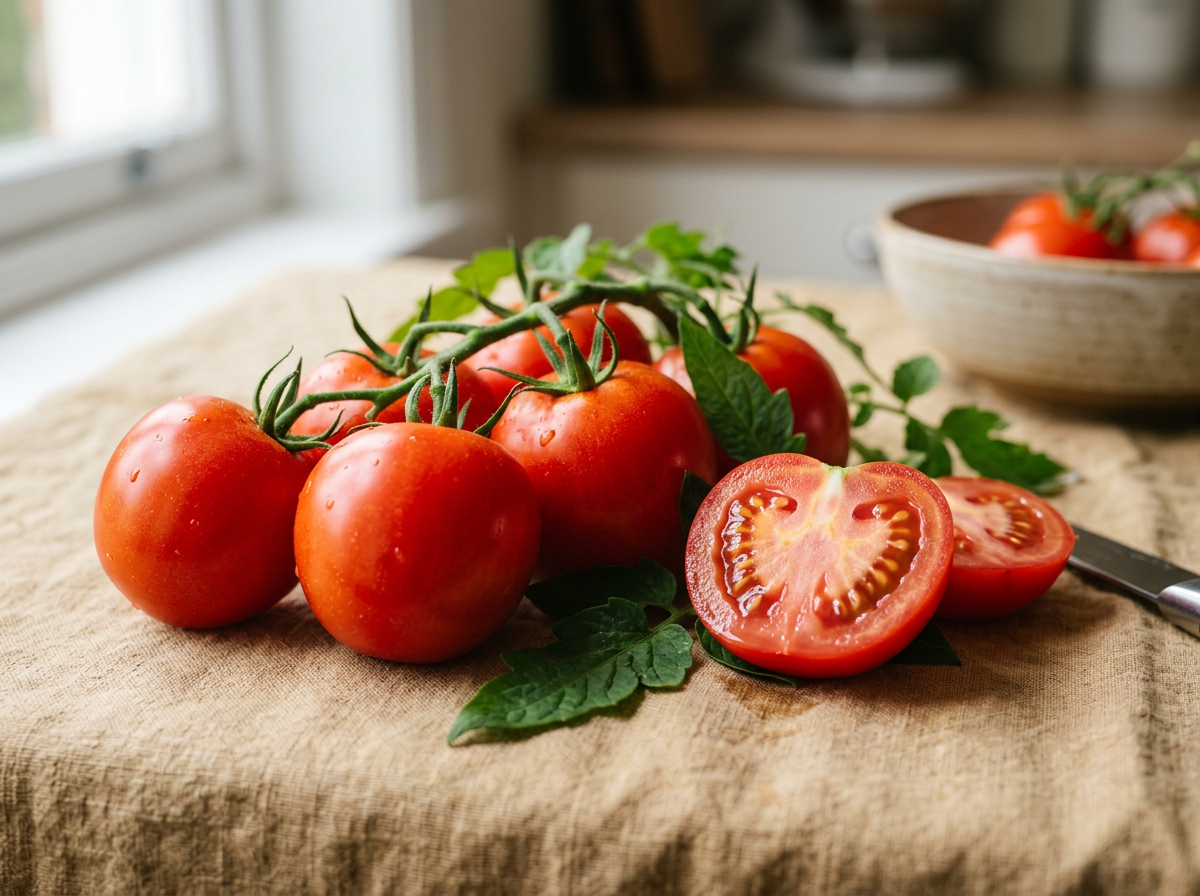
Haiti's beloved stewed chicken — pieces marinated in citrus and epis, seared, then simmered in a rich tomato-and-pepper Creole sauce until tender and glossy.
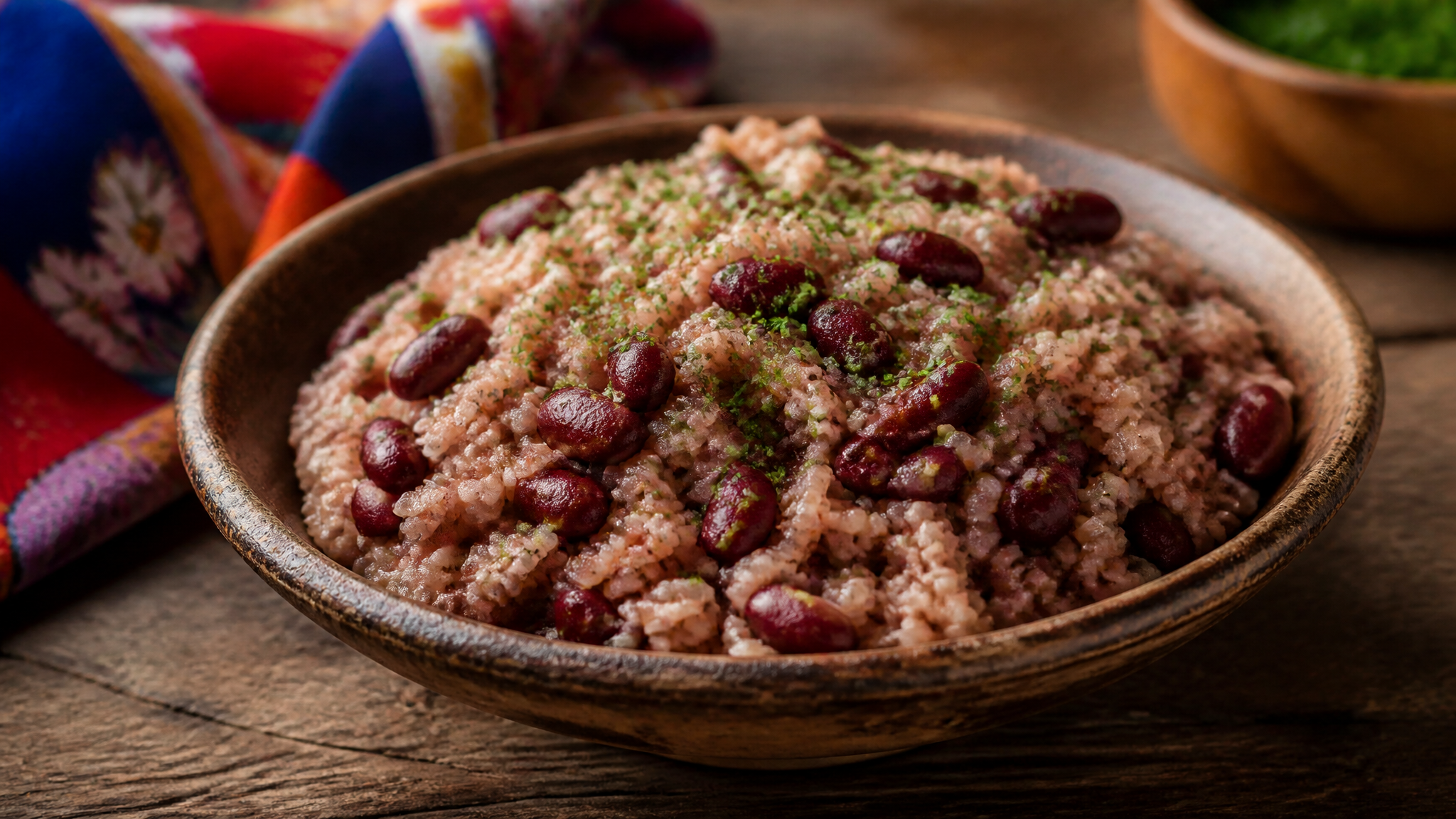
Diri ak Pwa
Haiti's everyday rice and beans — kidney beans and rice cooked together in one pot with epis, thyme, and a whole scotch bonnet for gentle heat and deep, savory flavor.

Soup Joumou
Haiti's symbolic freedom soup, traditionally served on Independence Day — a rich, golden squash-based soup with beef, vegetables, and pasta, celebrating liberation and community.
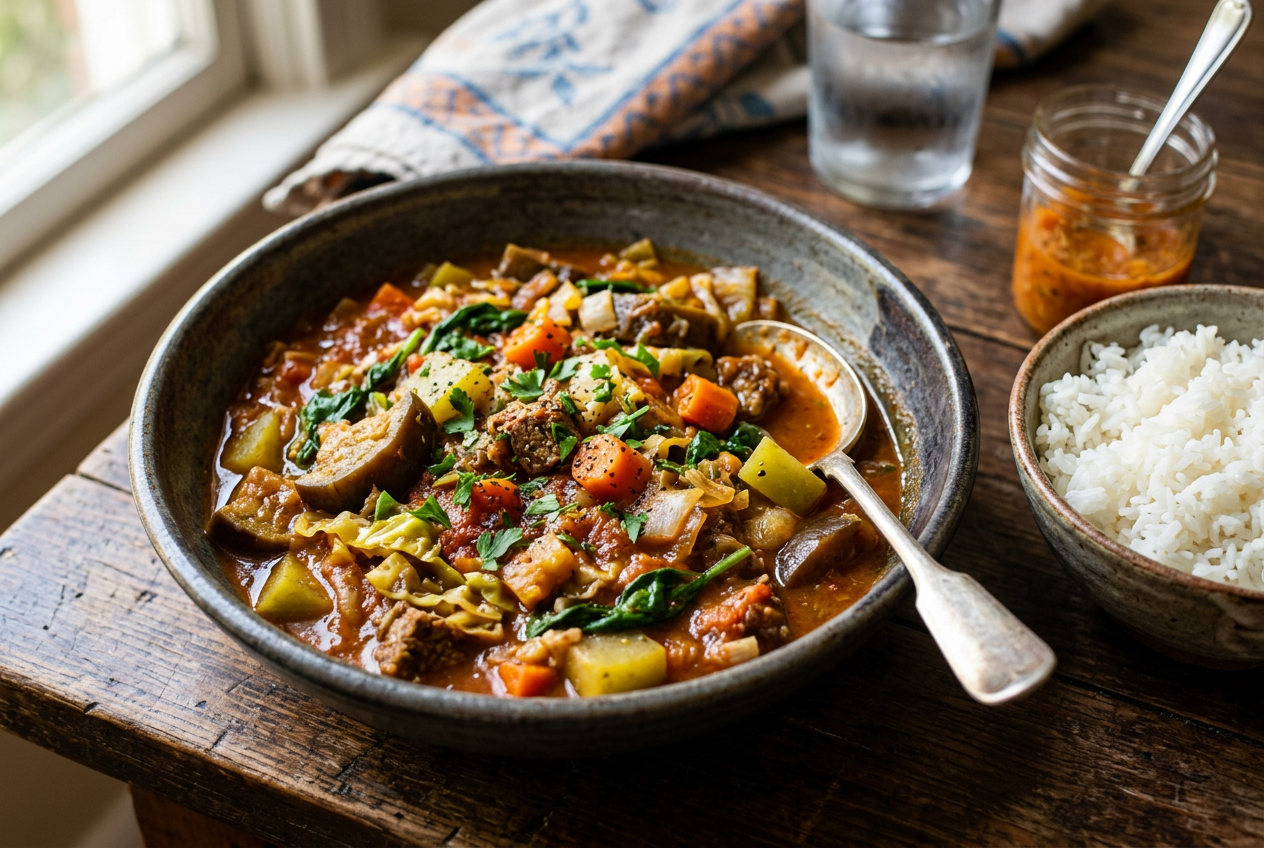
Haitian Legim
A hearty Haitian vegetable stew loaded with eggplant, cabbage, spinach, and carrots in a savory sauce — a nutritious, crowd-feeding staple that stretches every ingredient beautifully.
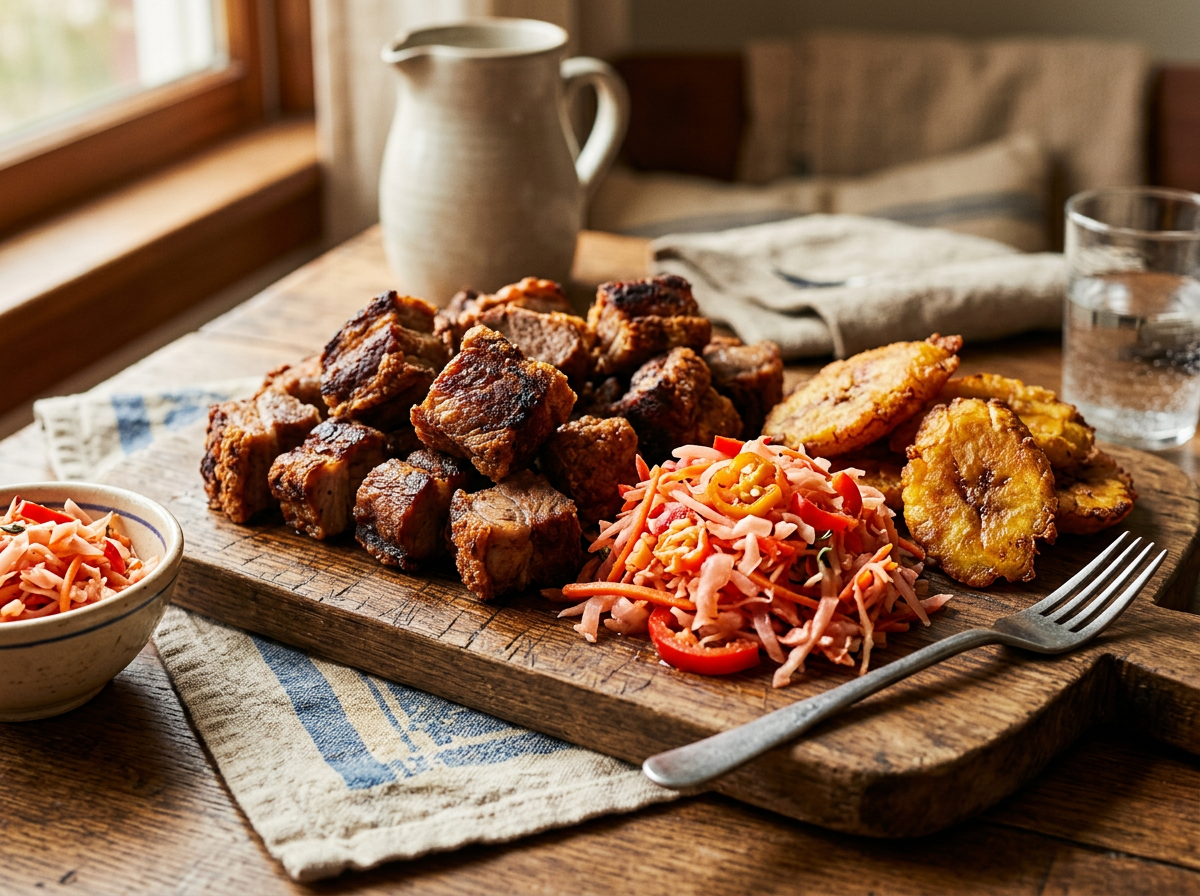
Haitian Griot with Pikliz
Cubes of pork shoulder marinated in citrusy epis, braised until tender, then fried to a crackling golden crust. Served with fiery pikliz, a Haitian pickled cabbage slaw, and fried plantains for the ultimate contrast of rich and bright.
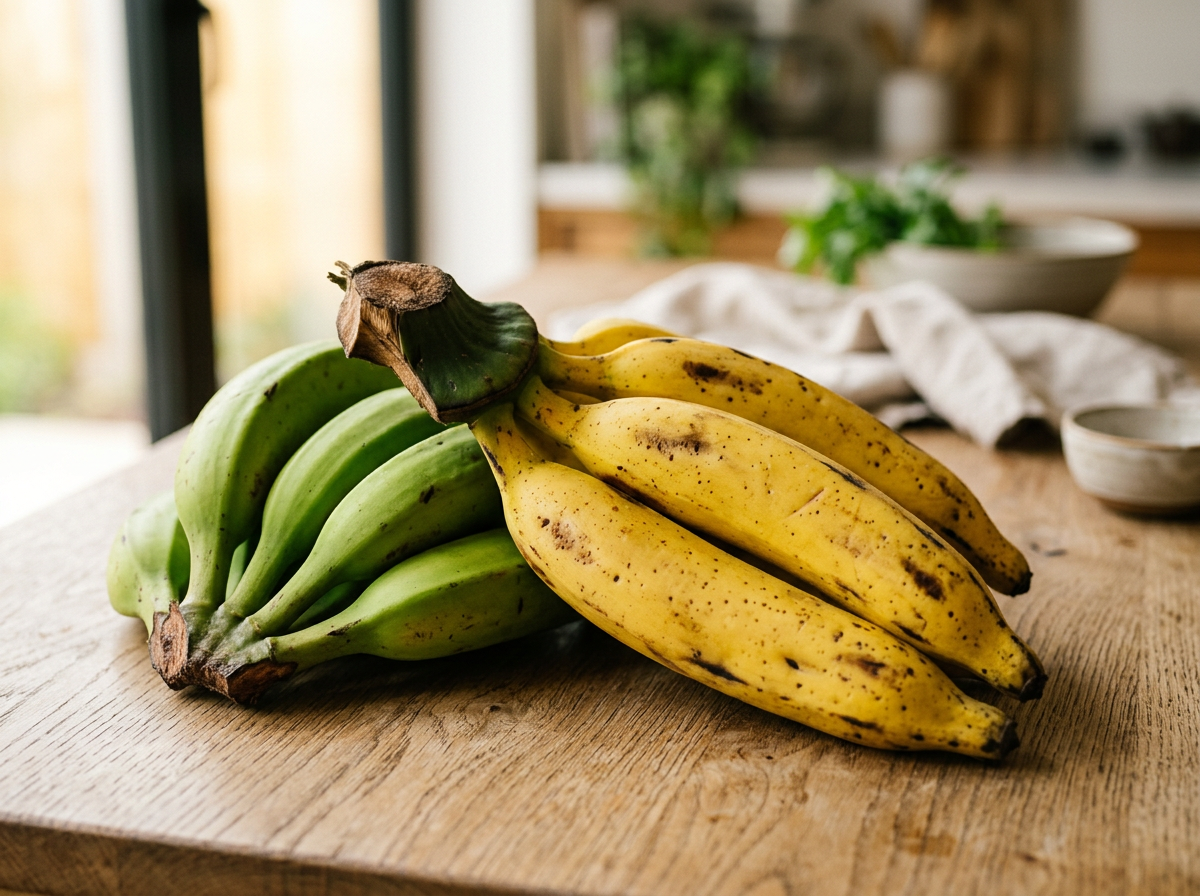
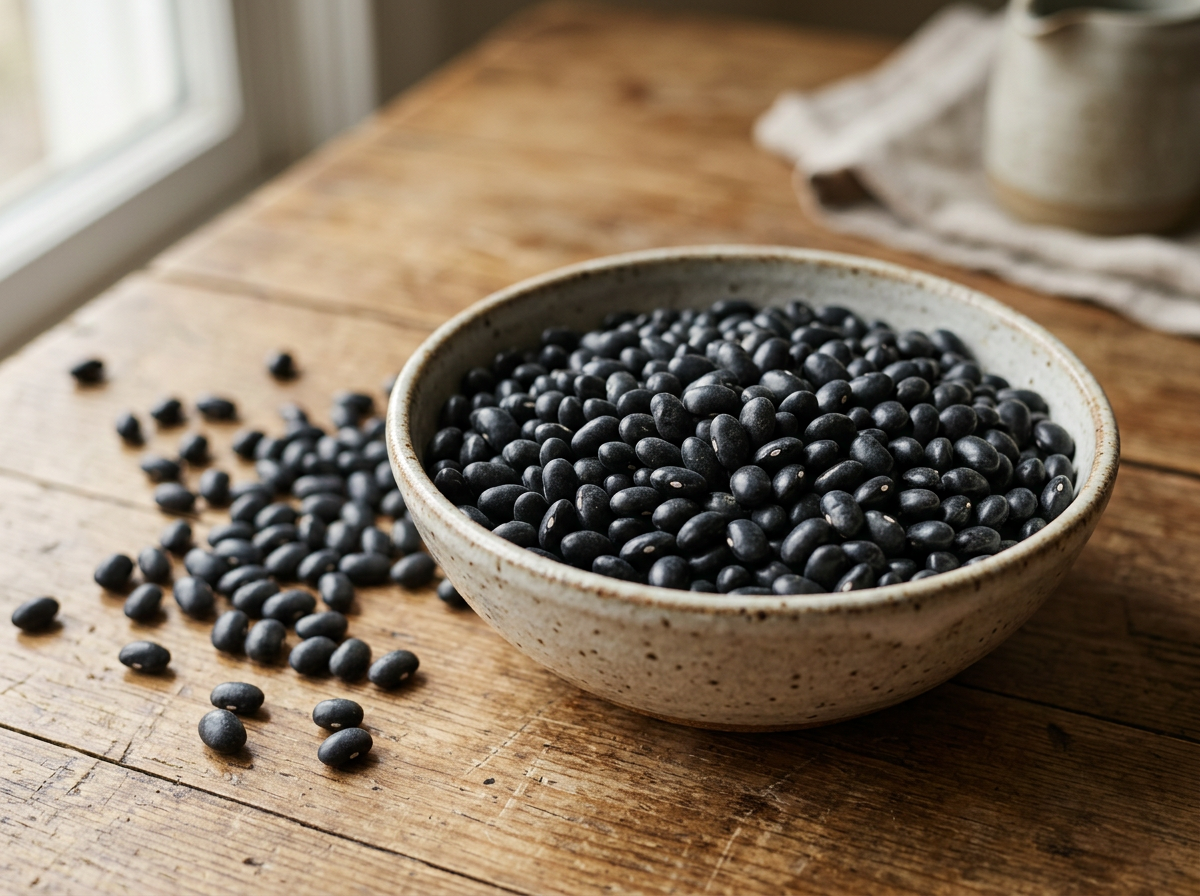
Key Ingredients to Explore
Cooking Guides You May Like
Caribbean Cuisine: A Guide to Island Flavors, Spice & Sunshine
Sunny and spice-forward, Caribbean cooking layers jerk seasoning, scotch bonnet heat, and coconut richness across the islands. Here is the full picture.
The Essentials of Caribbean & Latin American Cooking
Bright citrus, smoky spice, and fresh seafood define the cooking of the Caribbean and Latin America. Here is an introduction.
Building Balanced Meals: A Simple Framework
You do not need to count anything to eat well. A simple visual framework does the work for you.