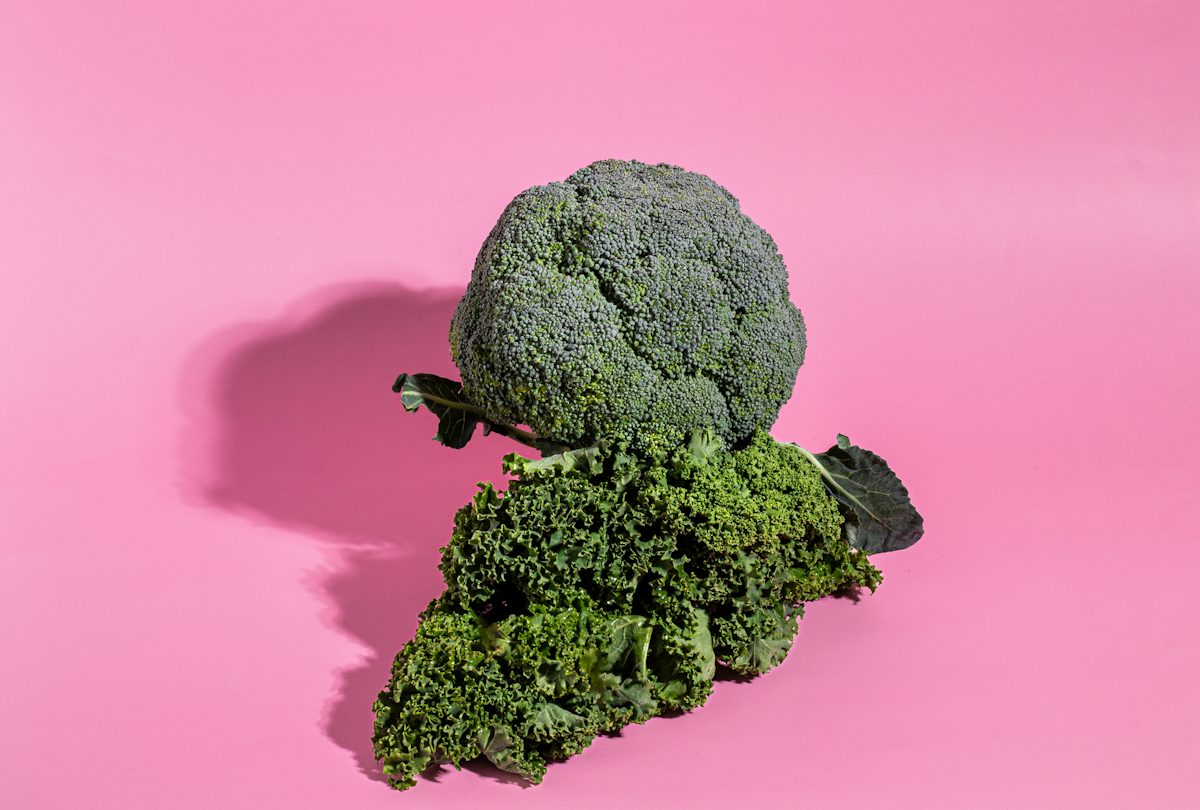
Broccoli
A hardy cruciferous vegetable that is as nutritious as it is quick to cook.
Also known as: Brassica oleracea, broccoli florets, calabrese
Overview
Broccoli is a cruciferous vegetable in the same family as cabbage, cauliflower, and kale. Both its tree-like florets and its stalks are edible, and it is available year-round, making it a reliable kitchen staple.
How you cook it makes all the difference: brief steaming or high-heat roasting keeps it vibrant and crisp-tender, while overcooking turns it soft, gray, and sulfurous. Treated well, broccoli is one of the most rewarding everyday vegetables.
Culinary Uses
- Roasted at high heat until the edges char and crisp.
- Steamed or blanched briefly to keep it bright and crisp-tender.
- Stir-fried with garlic and ginger, or added to noodles and grain bowls.
- Blended into soups or riced as a low-carb side.
Flavor Profile
- Fresh, green, and mildly sweet when just cooked.
- Roasting brings out nutty, caramelized notes.
- Overcooking releases sulfurous, cabbage-like aromas.
Storage
- Refrigerate unwashed in the crisper drawer, loosely wrapped, and use within a week.
- Stand stalks in a little water like a bouquet to keep them fresh longer.
- Blanch and freeze florets for longer storage.
Preparation
- Cut florets into even pieces so they cook uniformly.
- Peel and slice the stalks — they are sweet and tender once the tough skin is removed.
- Dry florets well before roasting so they char instead of steaming.
- Do not overcook; pull it while still bright green and crisp-tender.
Nutrition
Broccoli is low in calories and high in fiber, vitamin C, and vitamin K.
It supplies plant compounds studied for their protective effects.
A single serving covers a large share of daily needs.
Important for blood clotting and bone health.
Supports digestion and satiety.
A cruciferous plant compound widely studied for health.
Dietary Considerations
- Naturally vegan, vegetarian, gluten-free, and dairy-free.
- Low in calories and carbohydrate, suiting most eating patterns.
- Can cause gas for some; light cooking often makes it easier to digest.
Nutrition information is educational and approximate; it varies by variety, portion, and preparation, and is not a substitute for professional dietary advice.
Common Pairings
Recipes with Broccoli
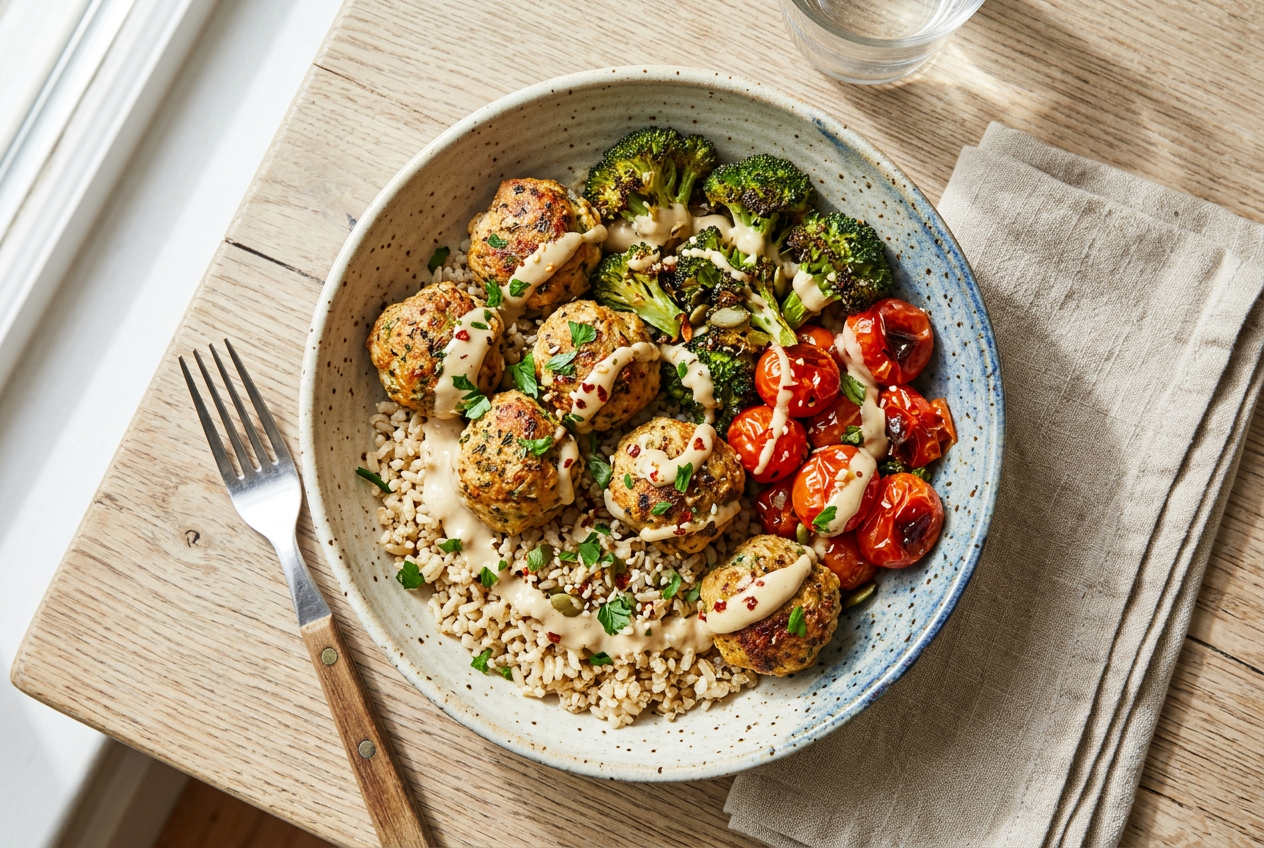
High-Protein Turkey Meatball Bowl
Seasoned turkey meatballs served over quinoa with roasted vegetables and a light tahini drizzle — a meal-prep favorite that delivers serious protein on a lean budget.
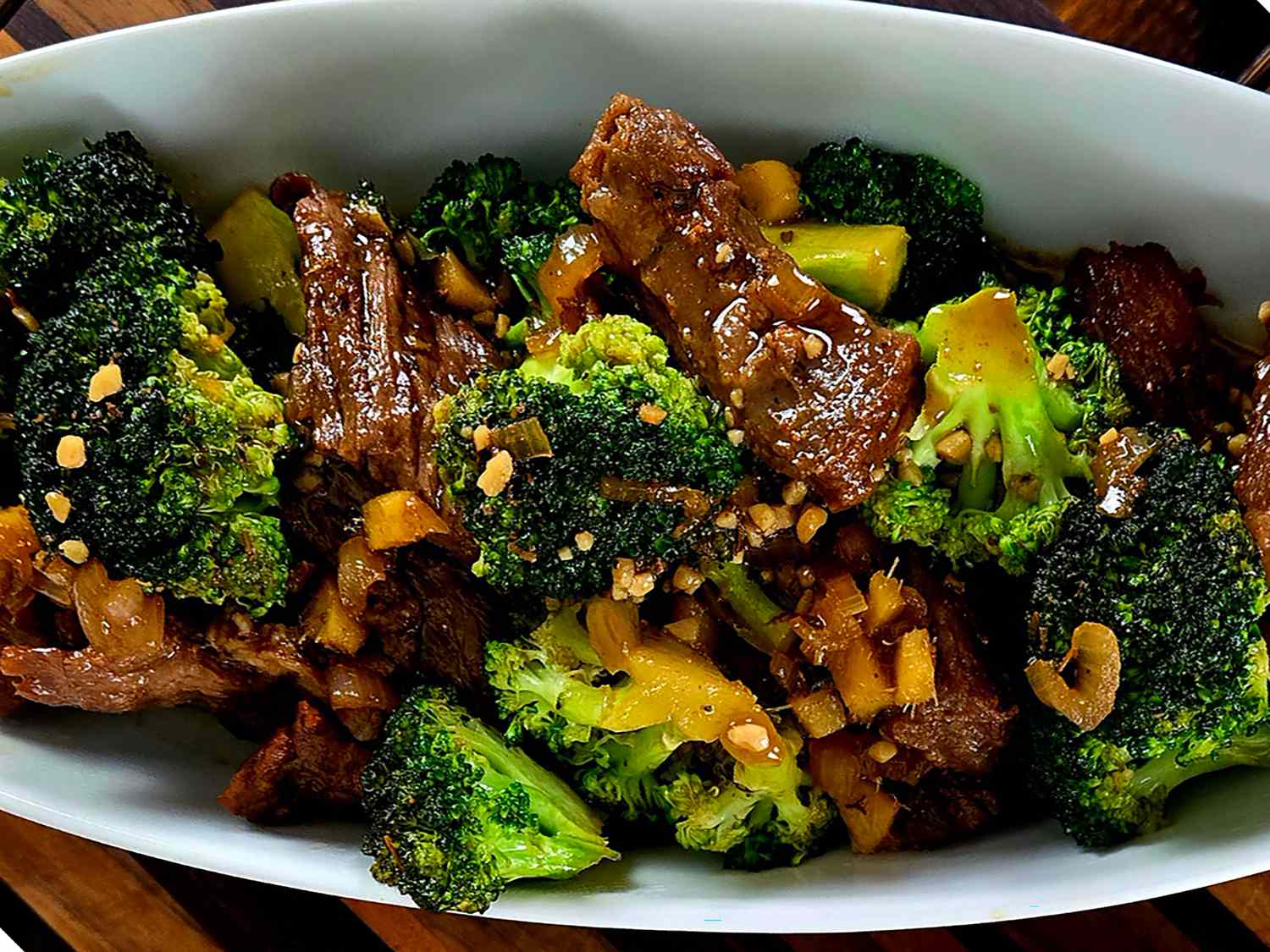
Beef and Broccoli Stir-Fry
Silky marinated beef and crisp broccoli in a savory garlic-ginger sauce — on the table in 20 minutes.
Explore Related Cuisines
Related Ingredients
Cooking Guides You May Like
Keeping Produce Fresh Longer: A Storage Guide
Half of home food waste is produce that spoils before we get to it. The right storage buys you days or even weeks.
Building Balanced Meals: A Simple Framework
You do not need to count anything to eat well. A simple visual framework does the work for you.