
Coconut Milk
A rich, creamy extract that carries curries, soups, and desserts.
Also known as: coconut cream, gata, santan
Overview
Coconut milk is made by blending grated coconut flesh with water and straining out the rich, opaque liquid. Thicker than the water inside a fresh coconut, it lends body, richness, and a gentle sweetness to dishes across Southeast Asia, South Asia, the Caribbean, and West Africa.
It is the creamy backbone of countless curries, soups, and rice dishes, and a favorite dairy-free base for desserts and drinks. The thick cream that rises to the top of a can can be spooned off separately for extra richness.
Culinary Uses
- Simmered into curries, laksas, and stews for a rich, creamy base.
- Cooked with rice for coconut rice and pilafs.
- Blended into soups such as tom kha and groundnut stew.
- Whipped or set into dairy-free desserts, puddings, and drinks.
Flavor Profile
- Rich, creamy, and gently sweet with a clear coconut aroma.
- Full-fat versions are lush; light versions are thinner and milder.
- Balances heat and spice, mellowing chilies and aromatics.
Storage
- Store unopened cans in the pantry for a year or more.
- Refrigerate leftovers in a sealed container for three to four days.
- Freeze in portions; it may separate but is fine once stirred or cooked.
Preparation
- Shake the can well, or spoon off the thick cream separately if a recipe calls for it.
- Avoid a hard boil, which can cause it to separate; simmer gently.
- Stir as it heats to keep the emulsion smooth.
Nutrition
Coconut milk is calorie-dense and rich in fat, much of it saturated.
It is dairy-free and lactose-free, useful for those avoiding dairy.
Provides richness; mostly saturated, so use to taste.
Present in meaningful amounts.
Supplied in modest amounts.
Dietary Considerations
- Naturally vegan, vegetarian, gluten-free, and dairy-free.
- A dairy substitute for many dishes; higher in saturated fat.
Nutrition information is educational and approximate; it varies by variety, portion, and preparation, and is not a substitute for professional dietary advice.
Common Pairings
Recipes with Coconut Milk
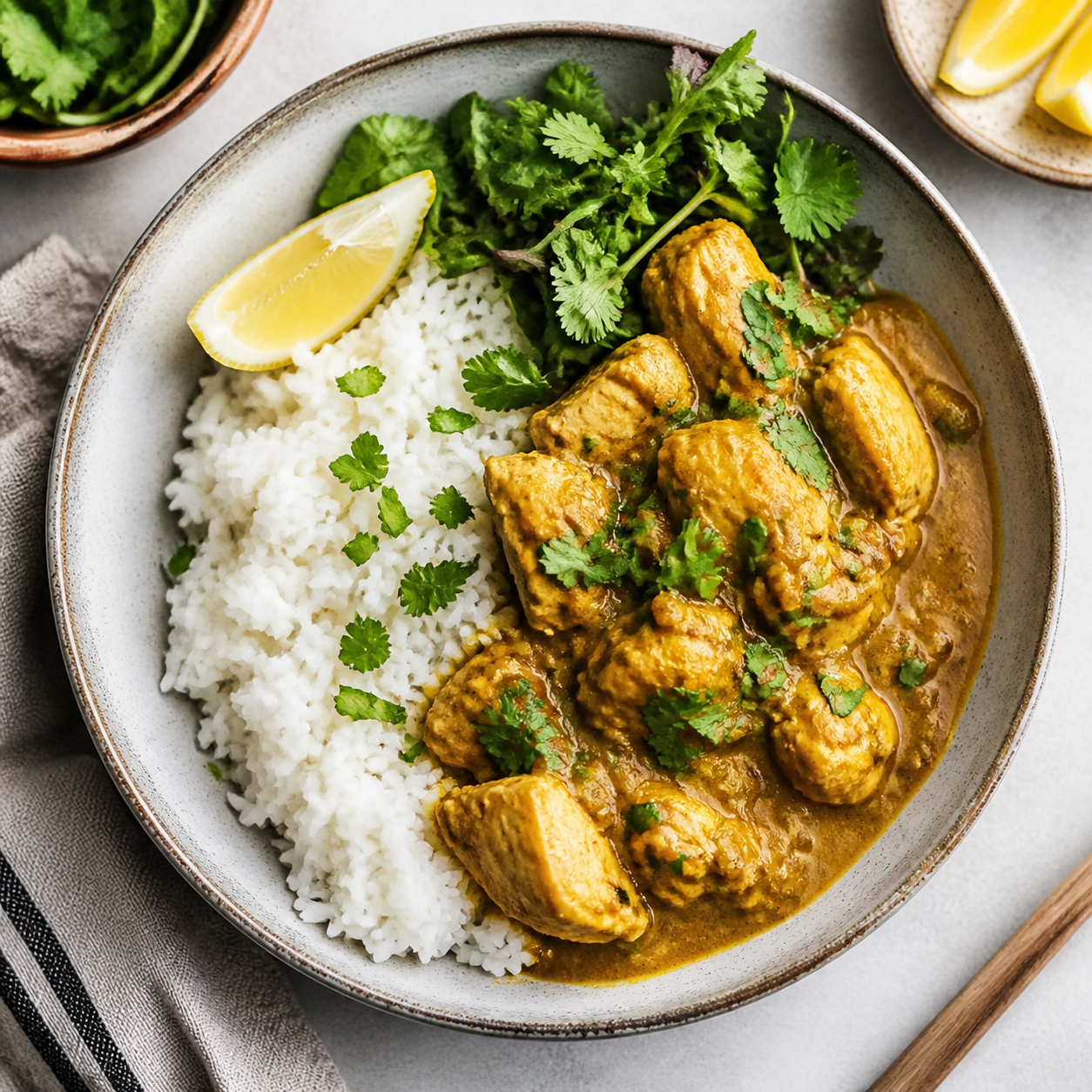
Quick Ethiopian Chicken Curry Rice Bowls
A fragrant, mildly spiced chicken curry inspired by Ethiopian flavors, finished in under an hour and served over fluffy rice for a satisfying weeknight meal.
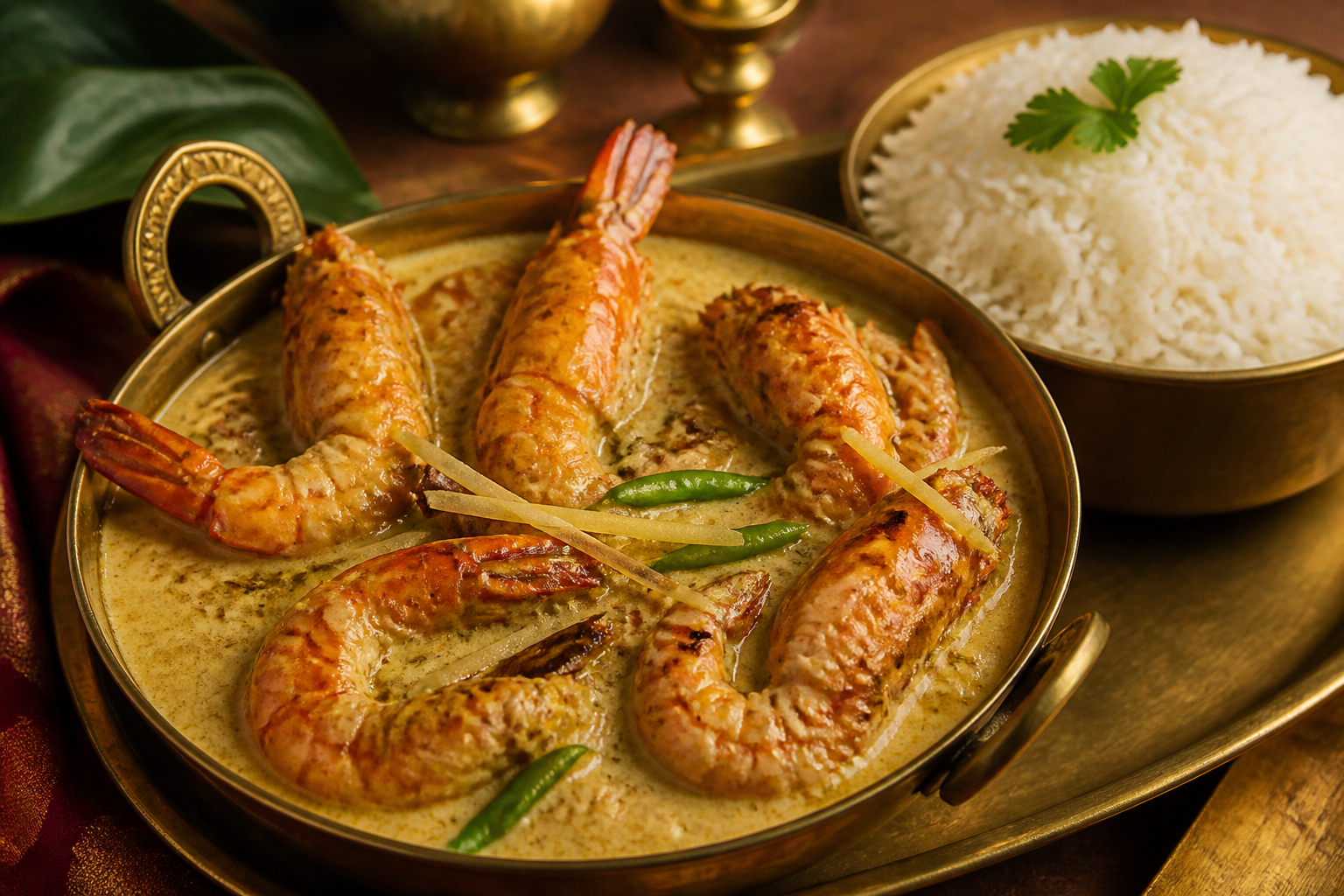
Bengali Chingri Malai Curry
An elegant Bengali prawn curry simmered in sweet coconut milk with warm spices and a hint of green chili, rich and aromatic, reserved for special occasions.
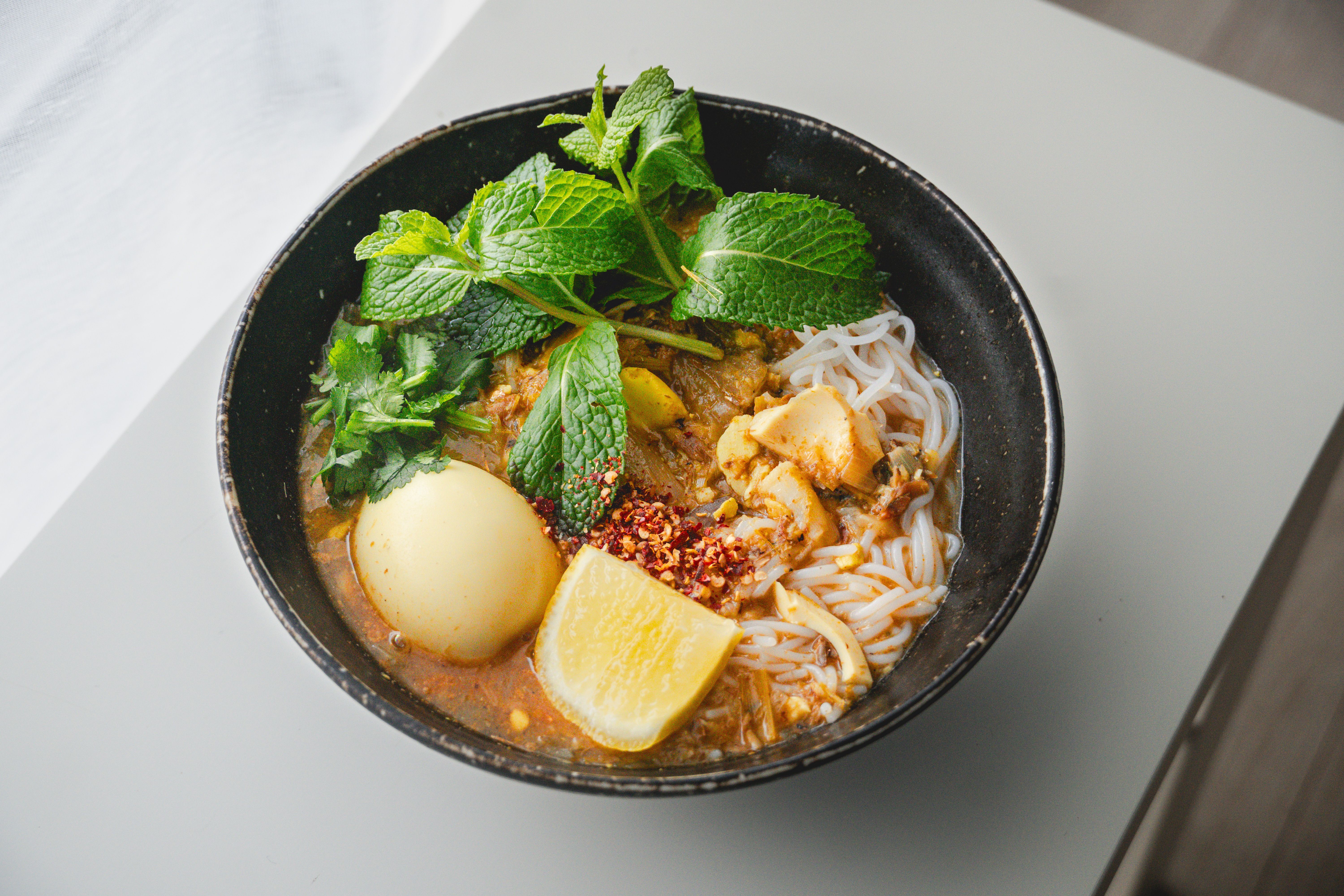
Malaysian Chicken Curry Laksa
A comforting bowl of noodles in a rich, spicy coconut curry broth topped with poached chicken, tofu puffs, bean sprouts, and fresh herbs, a Malaysian hawker favourite.
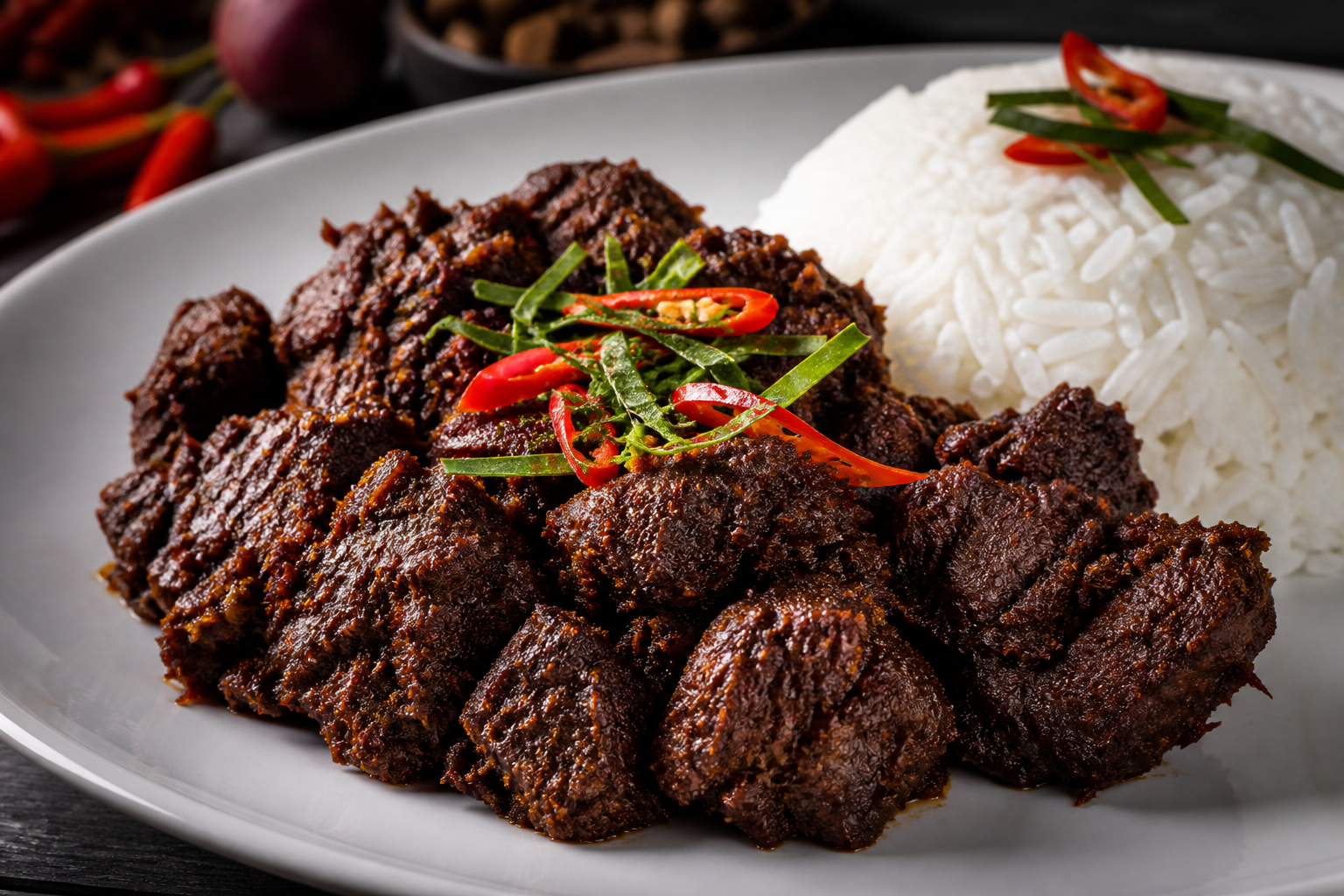
Malaysian Beef Rendang
A rich, dry-style curry of beef slow-simmered in coconut milk and a fragrant spice paste with lemongrass, galangal, and toasted coconut until intensely flavourful and tender.
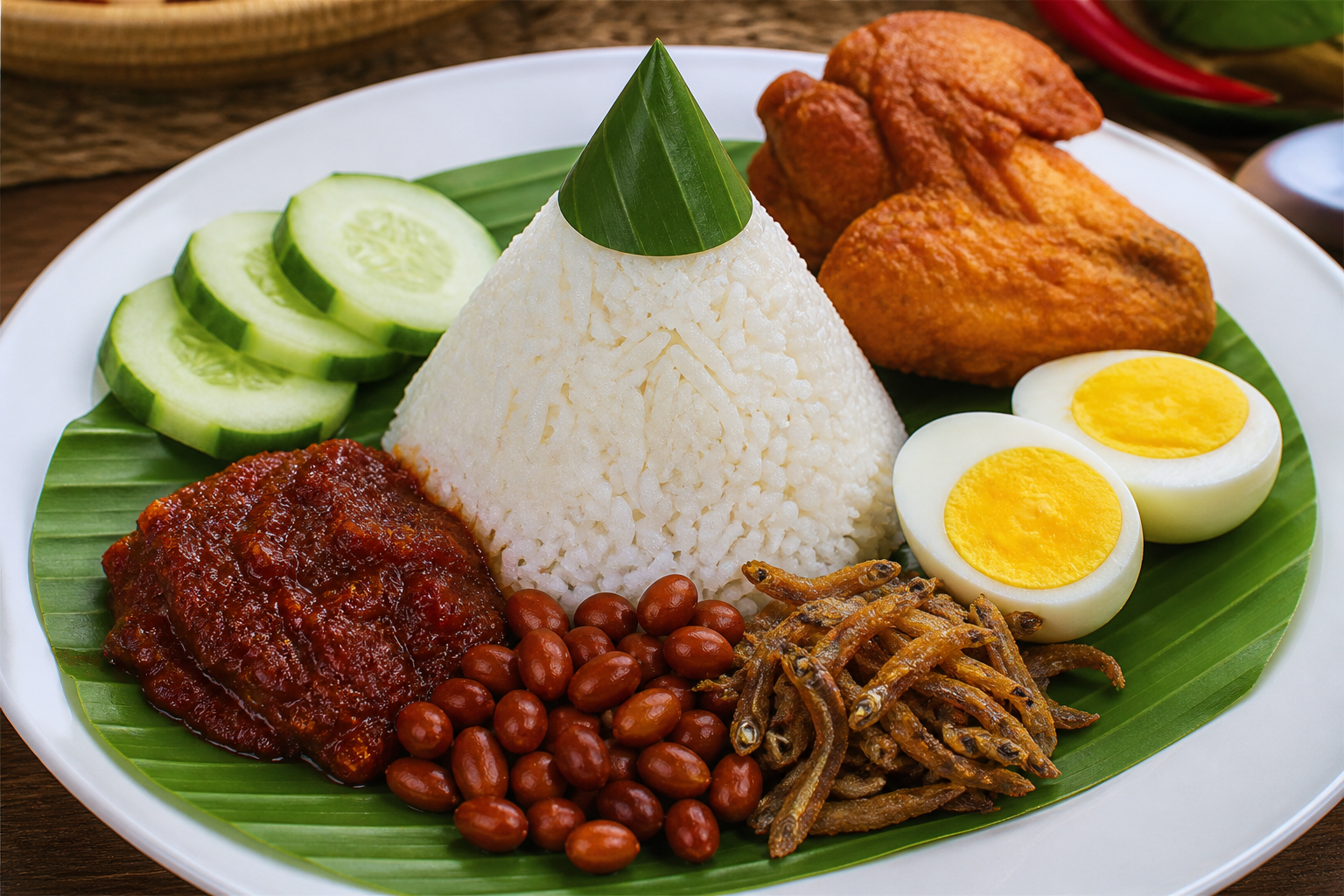
Malaysian Nasi Lemak
Malaysia's beloved national dish of fragrant coconut rice served with spicy sambal, crispy anchovies, roasted peanuts, cucumber, and boiled egg for a balanced, aromatic plate.
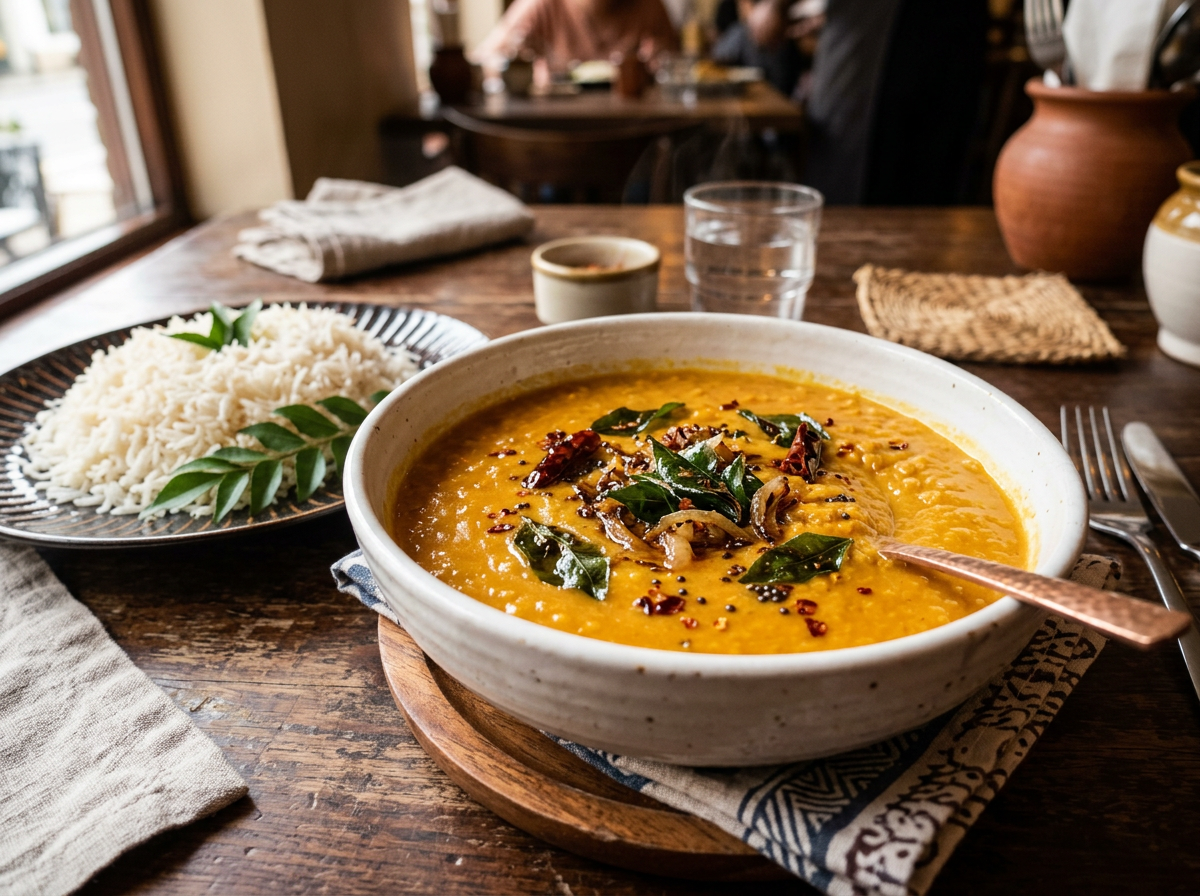
Sri Lankan Dhal Curry (Parippu)
Creamy red lentils simmered in coconut milk with turmeric, curry leaves, and a fragrant tempering — Sri Lanka's everyday comfort curry, vegan and ready in half an hour.
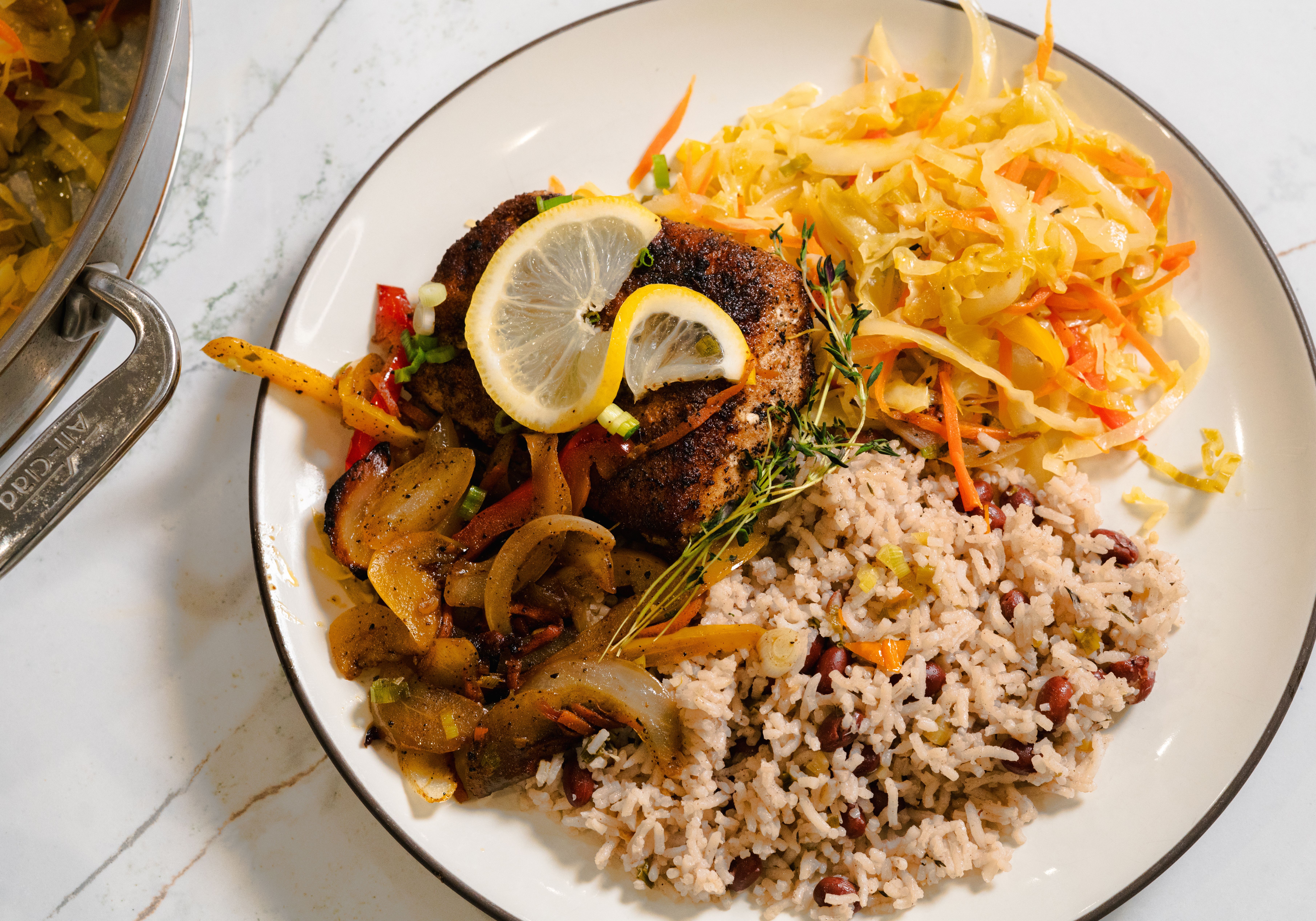
Jamaican Rice and Peas
The Sunday-dinner classic of Jamaica — rice simmered with kidney beans, coconut milk, thyme, and scotch bonnet. Fragrant, vegan, and perfect for batch cooking.
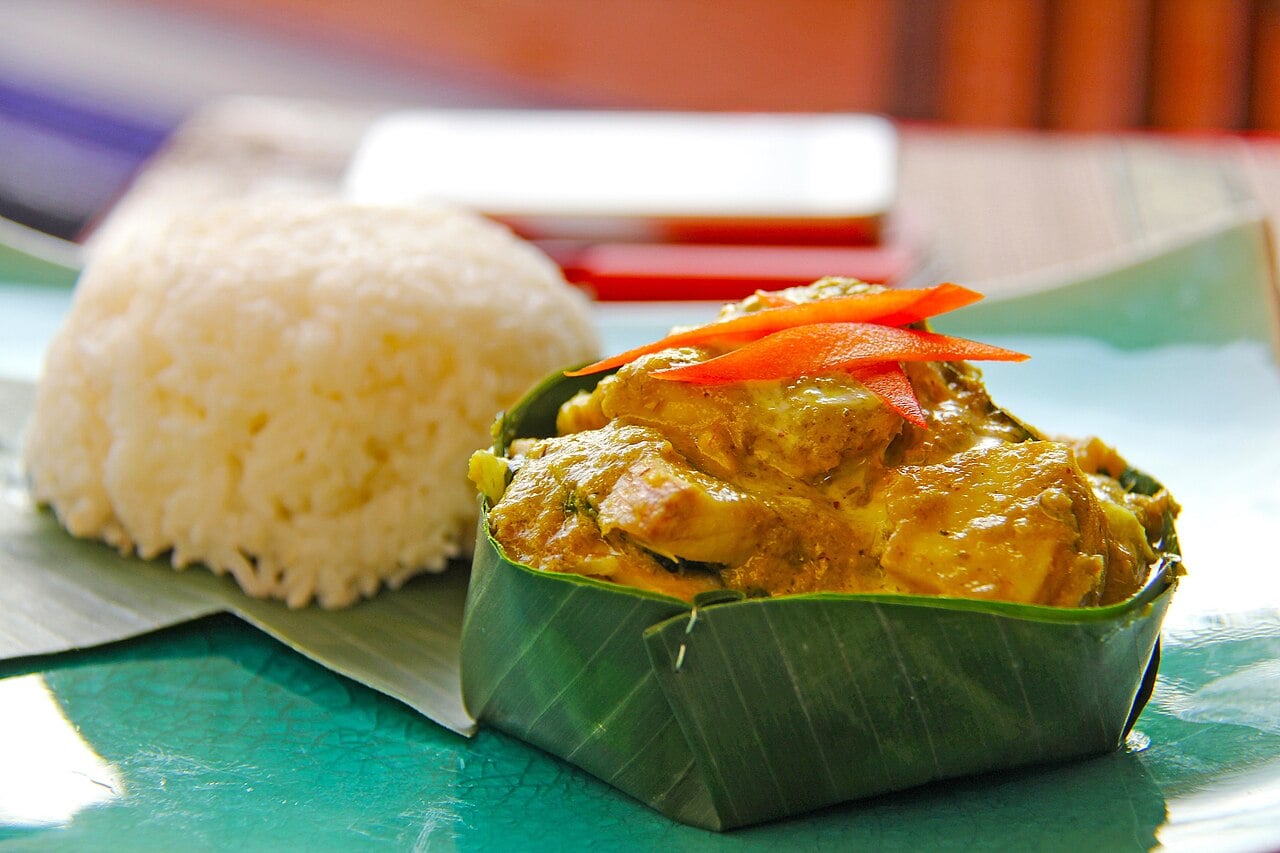
Cambodian Vegetable Amok
A fragrant Cambodian steamed coconut curry with lemongrass and kaffir lime, made with tofu and vegetables — delicate, aromatic, and vegan.
Explore Related Cuisines
Related Ingredients

Cooking Guides You May Like
A Guide to Southeast Asian Flavors
Southeast Asian cooking thrives on balance — salty, sour, sweet, and hot in every bite. Here is how those flavors come together.
Building a Global Pantry
A well-chosen global pantry turns 'nothing to eat' into dinner from anywhere in the world. Here is how to build one.