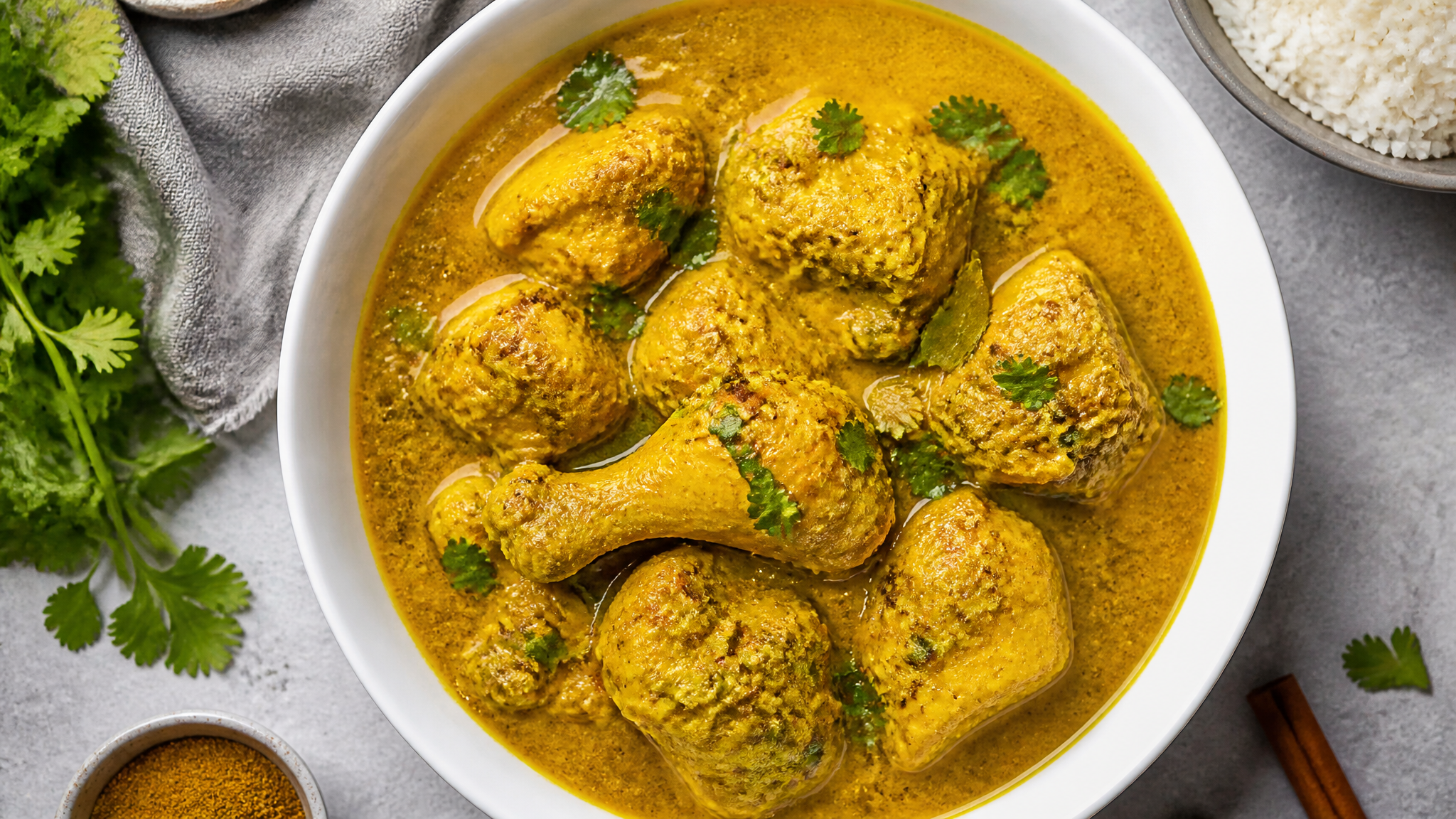
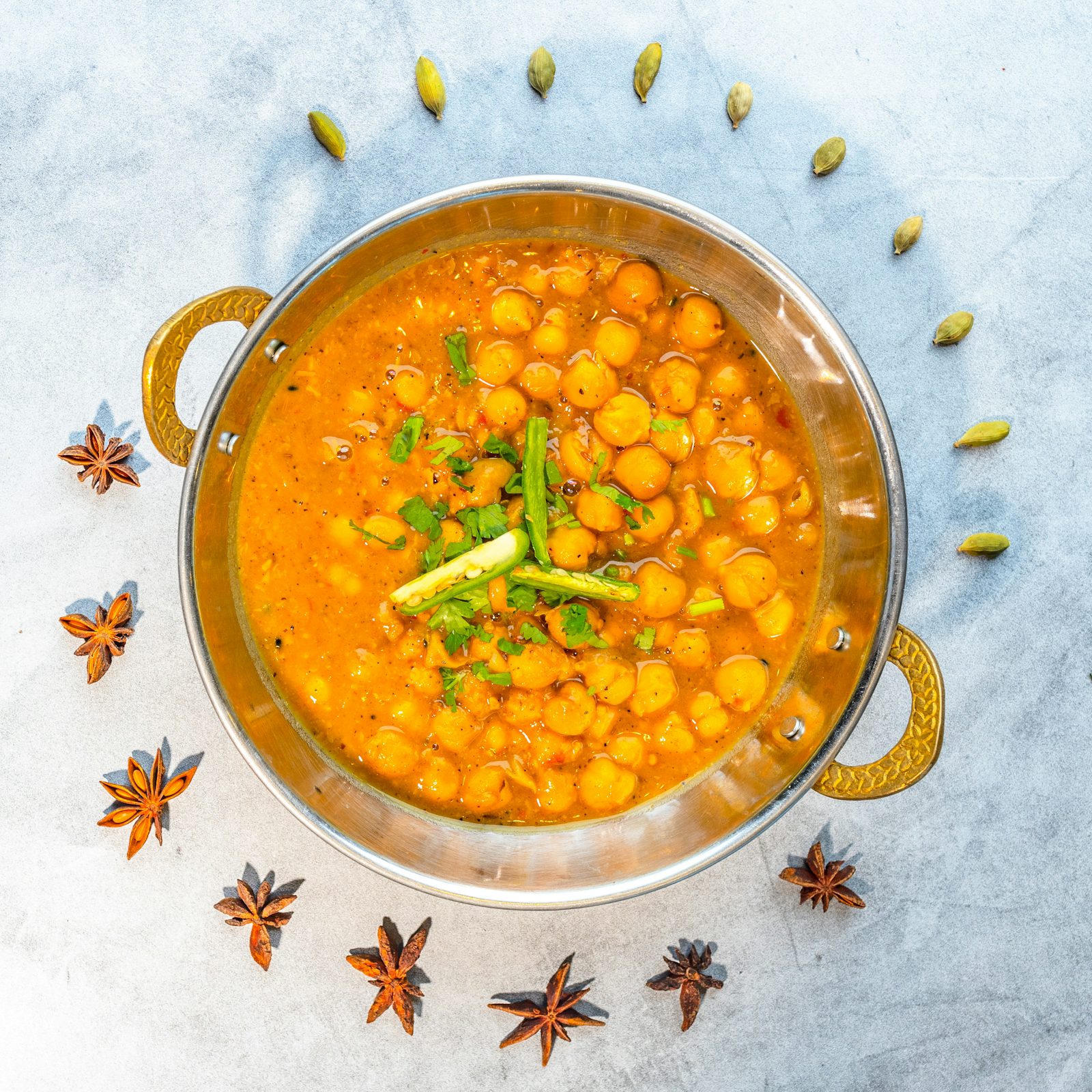
Why a global pantry pays off
A small, thoughtful collection of international staples dramatically expands what you can cook without a special shopping trip. A few sauces, spices, grains, and tinned goods let you pivot from a Thai curry to a Levantine mezze to a West African stew on a whim. The trick is choosing versatile ingredients that appear across many dishes rather than single-use specialties.
Built gradually, a global pantry also saves money: you buy shelf-stable staples once and draw on them for months, rounding out meals with fresh produce and proteins as needed.
The core building blocks
Start with a strong spice foundation — cumin, coriander, cinnamon, cardamom, cloves, paprika, and a good curry powder — plus flavor bases like soy sauce, fish sauce, tahini, tomato paste, and coconut milk. Add acids such as vinegars, tamarind, and pomegranate molasses, and heat from dried chilies or a chili paste.
For substance, keep versatile grains and legumes: rice, couscous, bulgur, millet, lentils, chickpeas, and canned beans. With these on hand, fresh aromatics, and a protein or vegetable, most global dishes are within reach.
Building it without waste
Add to your pantry one cuisine at a time rather than buying everything at once. Pick a dish you want to cook, buy the staples it needs, and let your collection grow organically — most of those ingredients will reappear in other recipes. Store spices and dry goods properly so they stay usable, and note what you have so you do not double-buy.
Over a few months you will find you can open the cupboard and cook something interesting from almost anywhere, with only a short fresh-produce list to complete the meal.