
Lemongrass
A fibrous stalk that lends bright, citrusy perfume to Southeast Asian cooking.
Also known as: Cymbopogon, citronella grass, sereh
Overview
Lemongrass is a tall, fibrous tropical grass whose pale lower stalks carry an intensely fragrant citrus-and-ginger aroma without the sourness of lemon. It is a cornerstone aromatic across Thai, Vietnamese, Indonesian, Malaysian, and Sri Lankan cooking.
Because the stalks are tough, lemongrass is either bruised and simmered whole to infuse a dish, or finely minced and pounded into curry pastes where its fibers can break down. Either way, it delivers a clean, uplifting fragrance found in few other ingredients.
Culinary Uses
- Bruised and simmered whole in soups, curries, and broths, then removed before serving.
- Finely minced or pounded into curry pastes and marinades.
- Steeped into teas, syrups, and infusions.
- Skewered through or laid under grilled meats and fish for aroma.
Flavor Profile
- Bright, citrusy, and floral with a gingery, grassy warmth.
- Aromatic rather than sour, unlike lemon juice.
- Mellows and sweetens when simmered into coconut-rich dishes.
Storage
- Refrigerate whole stalks wrapped loosely for two to three weeks.
- Freeze whole or minced stalks for several months with little loss of aroma.
- Dried lemongrass is milder; rehydrate before use.
Preparation
- Trim the woody top and root end, and peel away the dry outer layers.
- Bruise the pale stalk with the back of a knife to release oils for infusing.
- For pastes, slice thinly across the grain, then pound or blend to break the fibers.
Nutrition
Lemongrass is used in small amounts and contributes little in the way of calories or macronutrients.
Its value is aromatic, adding fragrance rather than substance.
Present in modest amounts.
Found in small quantities.
Citral gives lemongrass its signature citrus aroma.
Dietary Considerations
- Naturally vegan, vegetarian, gluten-free, and dairy-free.
- Very low in sodium and widely tolerated.
Nutrition information is educational and approximate; it varies by variety, portion, and preparation, and is not a substitute for professional dietary advice.
Common Pairings
Recipes with Lemongrass
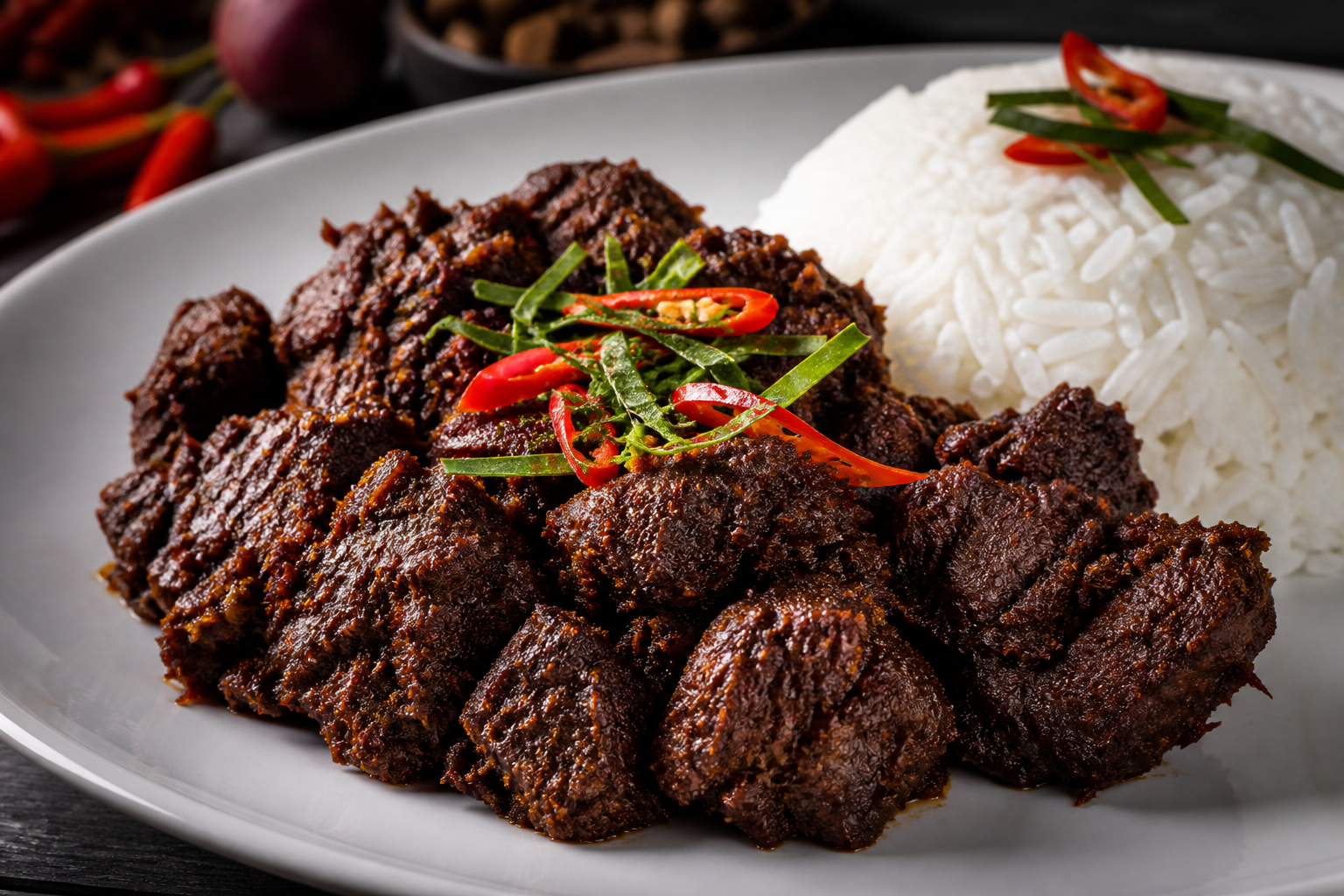
Malaysian Beef Rendang
A rich, dry-style curry of beef slow-simmered in coconut milk and a fragrant spice paste with lemongrass, galangal, and toasted coconut until intensely flavourful and tender.
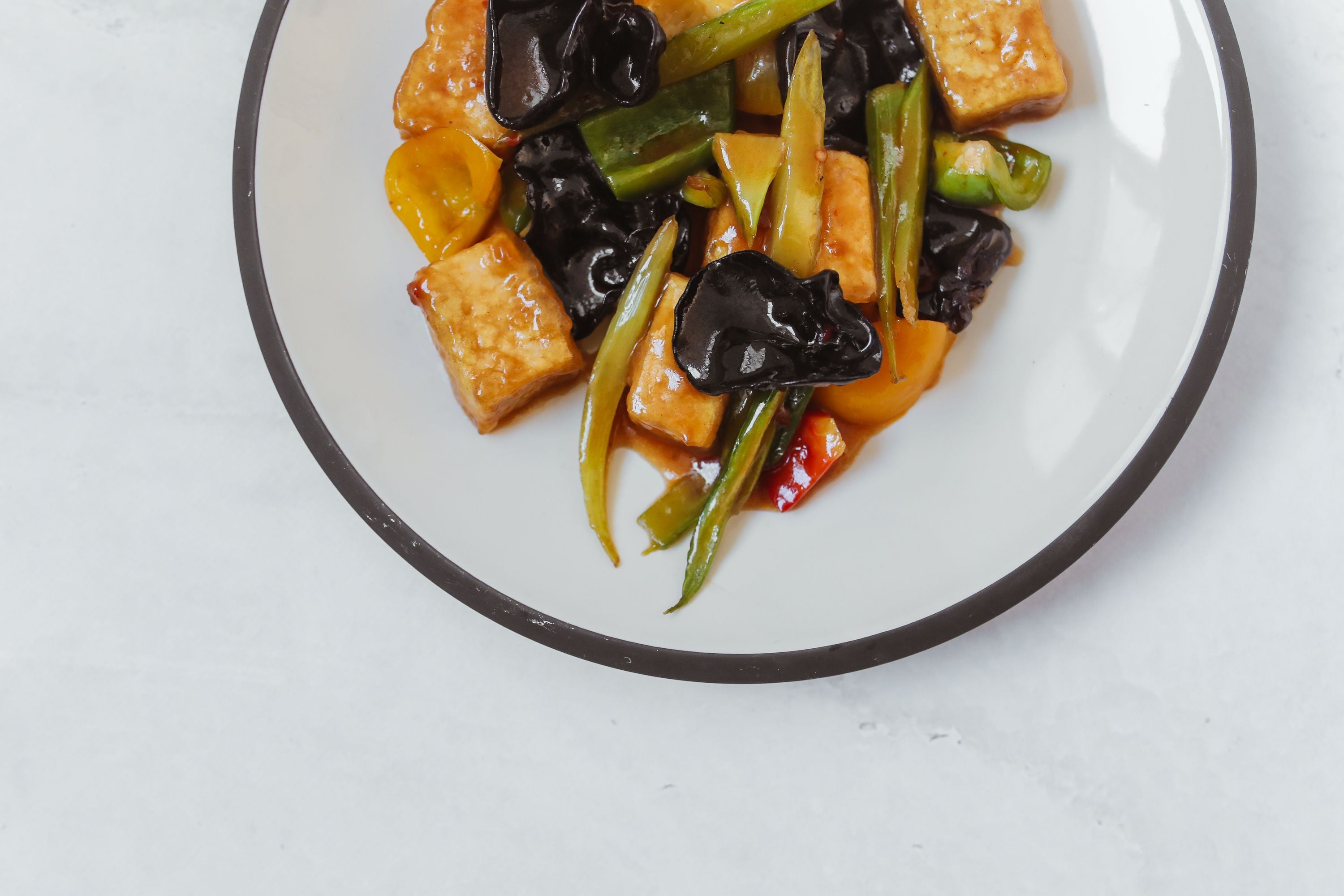
Vietnamese Lemongrass Tofu
Crisp pan-fried tofu glazed in a fragrant lemongrass, garlic, and soy sauce — a fast, high-protein vegan dinner that tastes like a takeout favorite for a fraction of the cost.
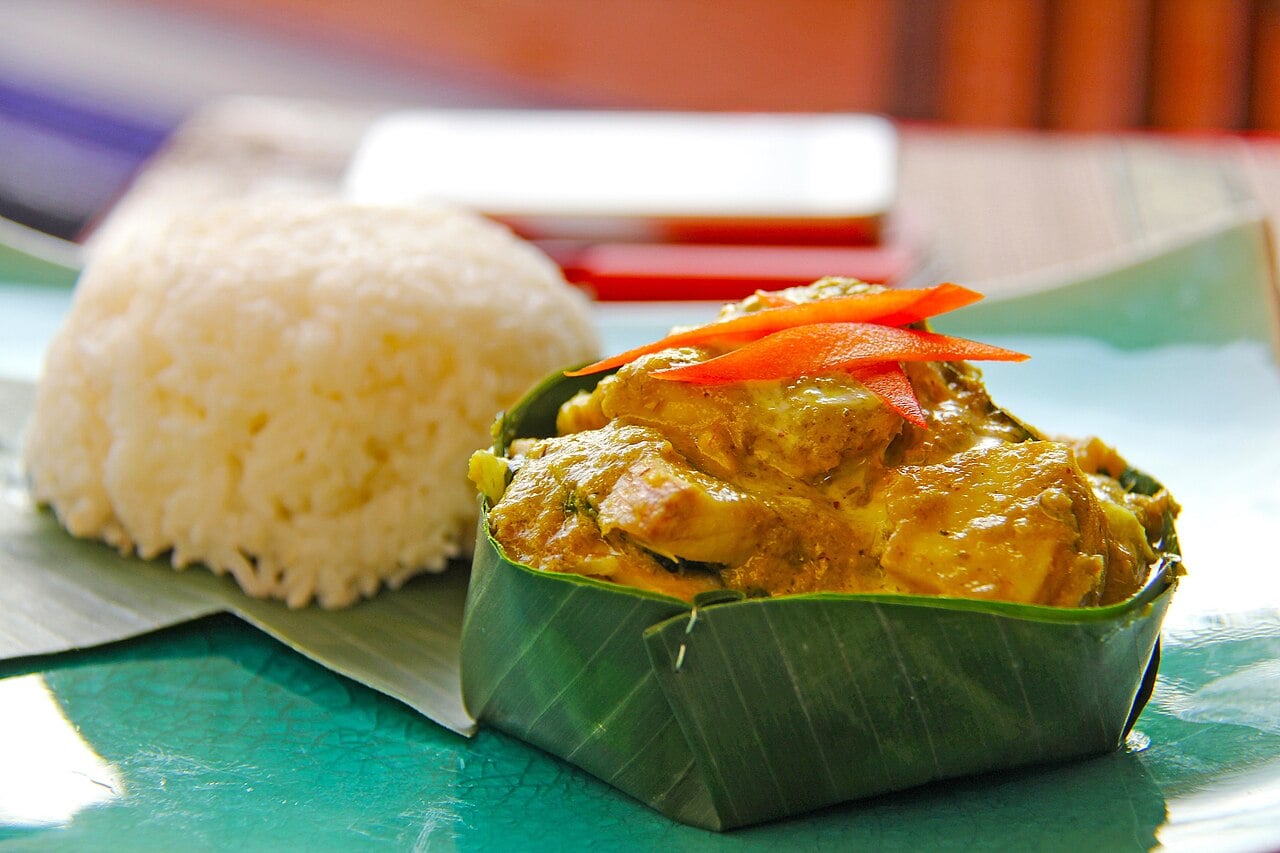
Cambodian Vegetable Amok
A fragrant Cambodian steamed coconut curry with lemongrass and kaffir lime, made with tofu and vegetables — delicate, aromatic, and vegan.
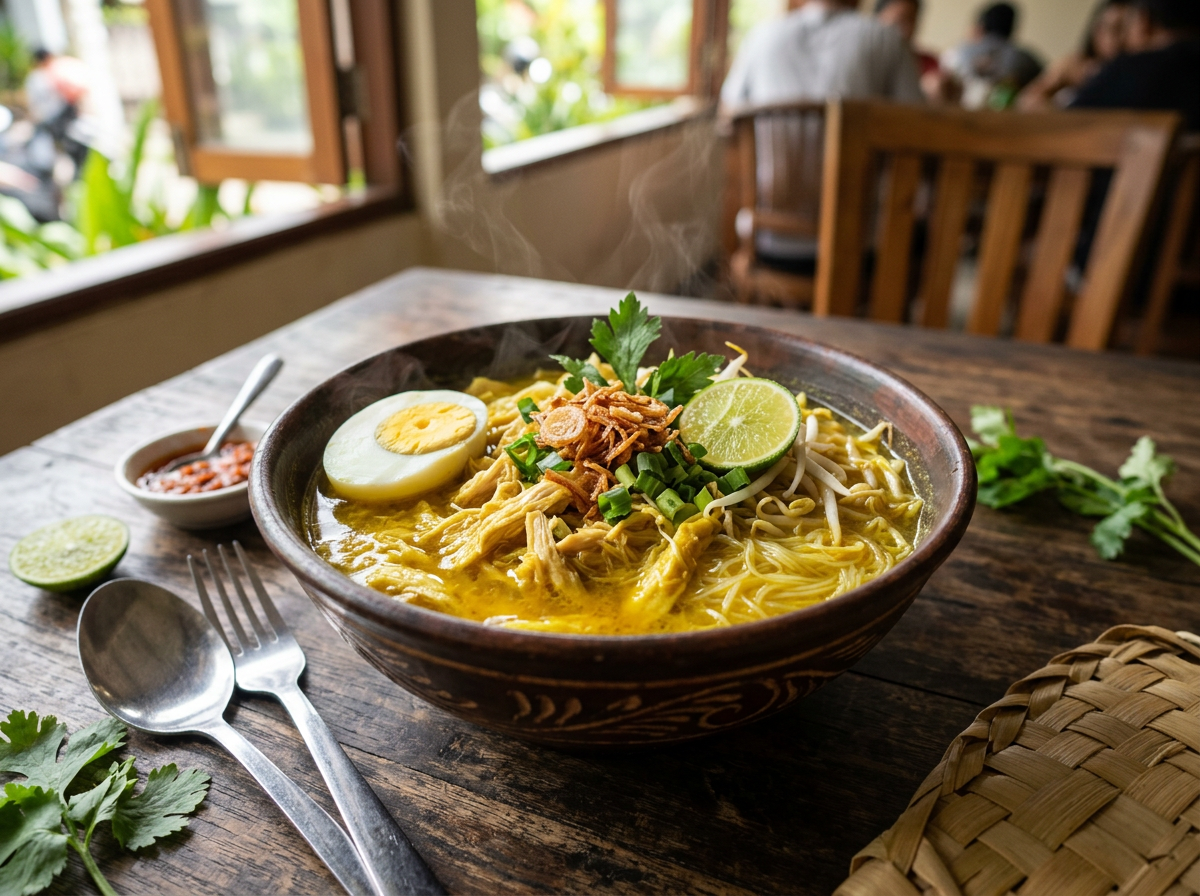
Indonesian Soto Ayam (Turmeric Chicken Soup)
A restorative Indonesian chicken soup glowing golden with turmeric and lemongrass, ladled over rice vermicelli and topped with boiled egg, bean sprouts, and crispy fried shallots. Bright, aromatic, and endlessly comforting.
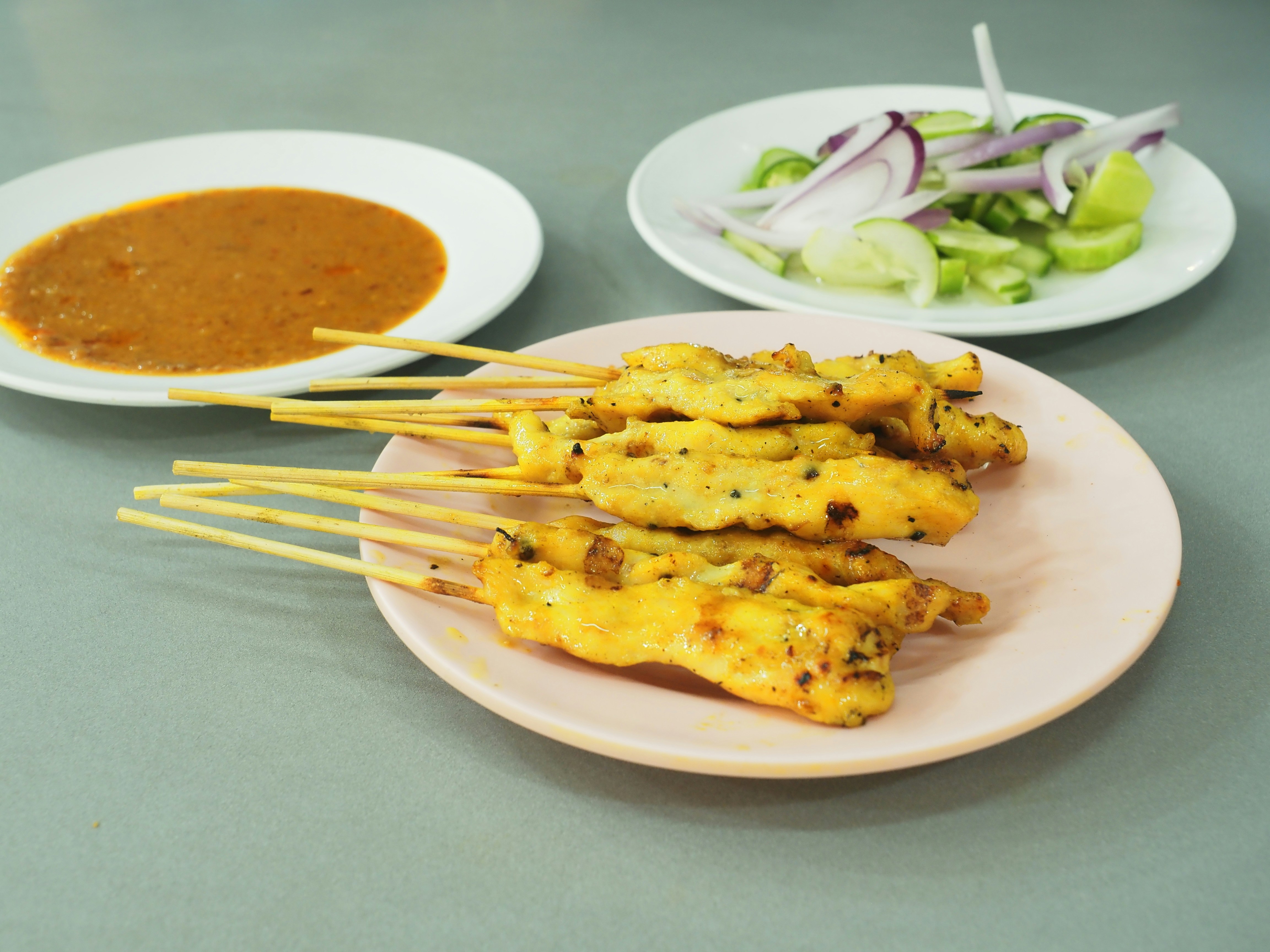
Indonesian Chicken Satay with Peanut Sauce
Skewers of marinated chicken grilled over high heat and served with a rich, roasted peanut sauce spiked with lime and chili.
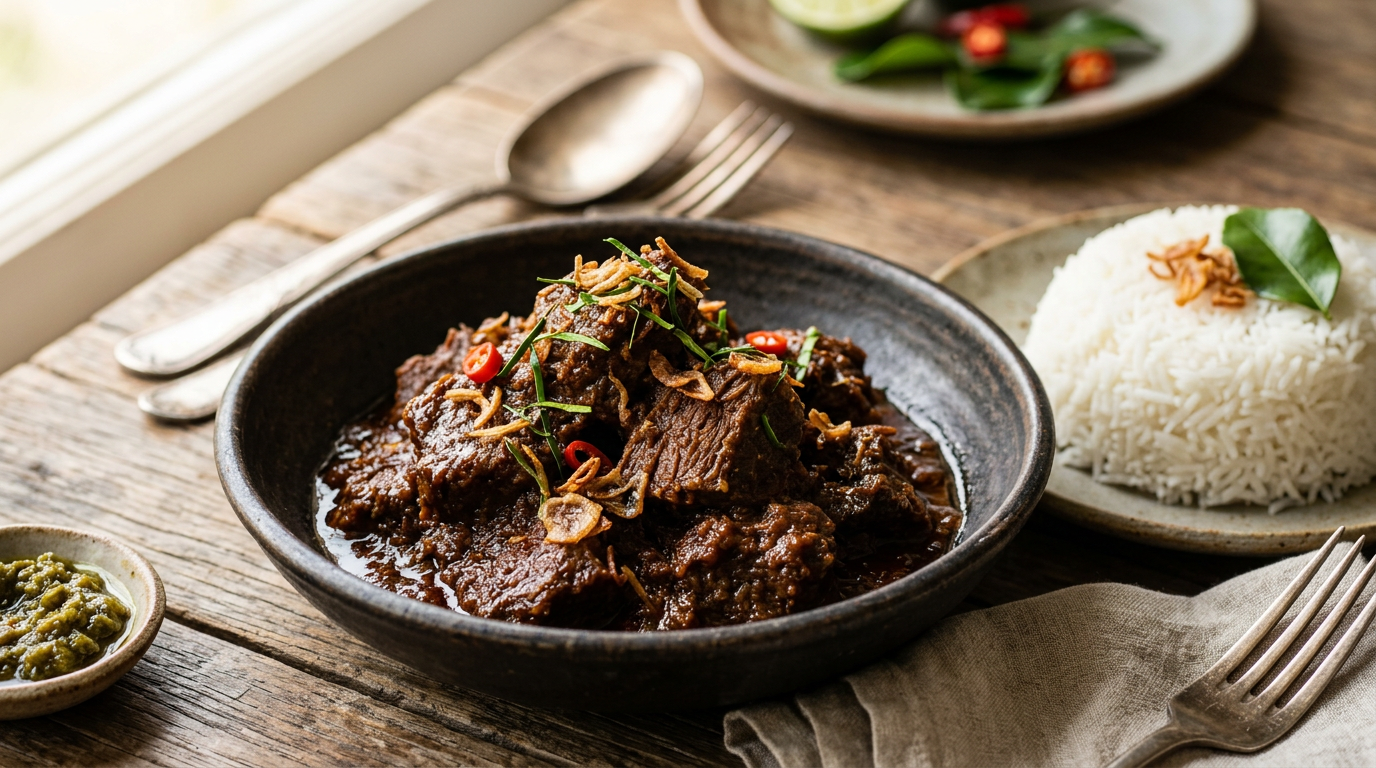
Indonesian Beef Rendang
Beef simmered low and slow in coconut milk and a fragrant paste of lemongrass, galangal, and chili until the sauce caramelises into a dark, intensely spiced coating.
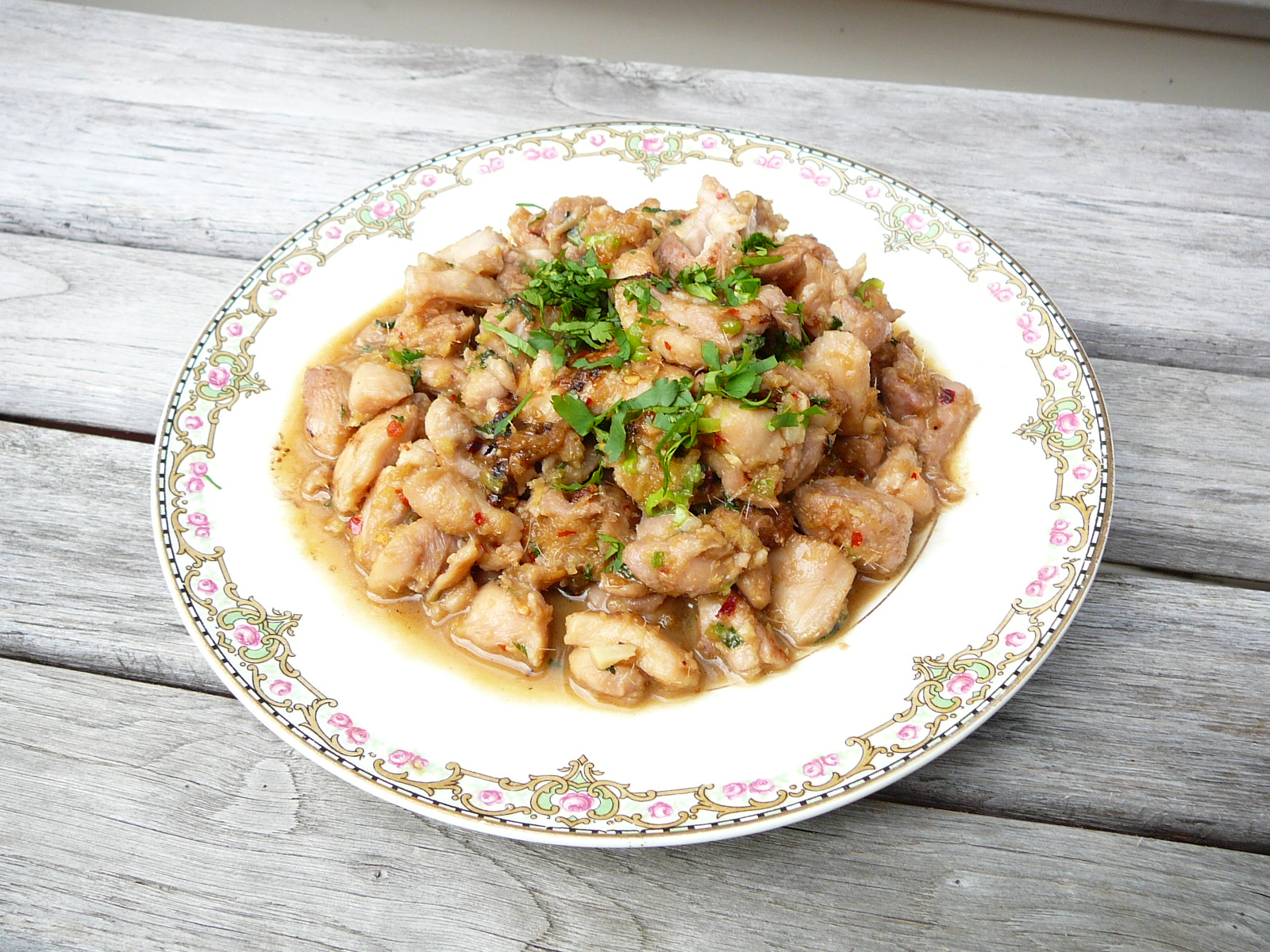
Lemongrass Chicken
Caramelized chicken thighs infused with fragrant lemongrass, garlic, and fish sauce.
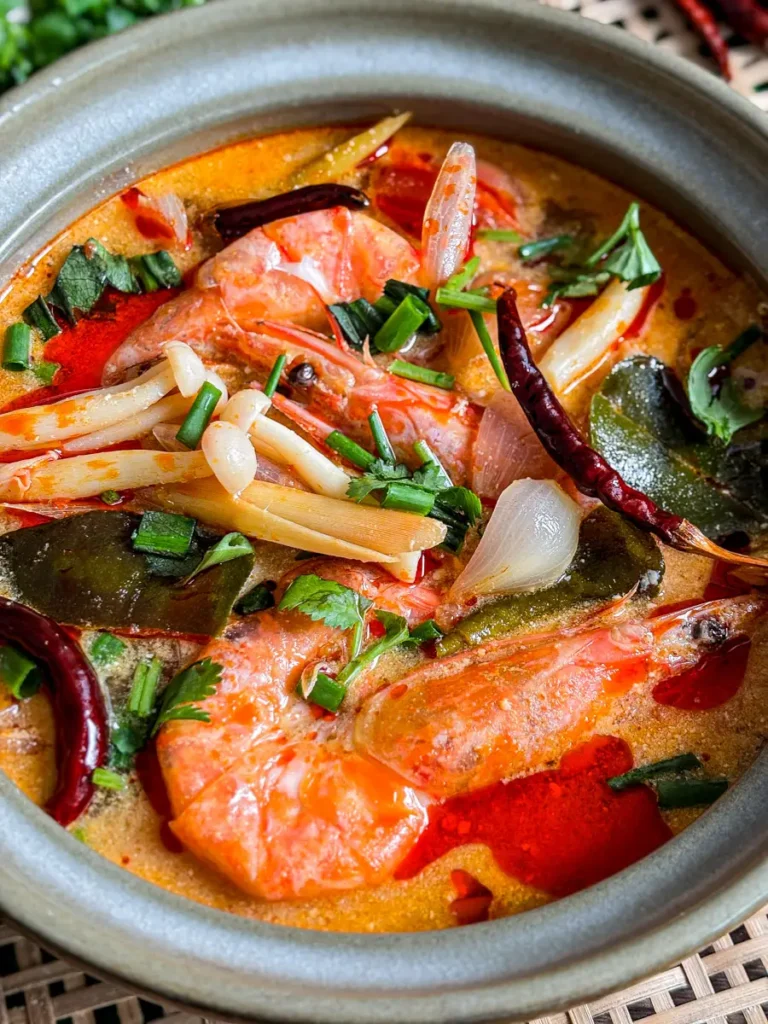
Tom Yum Soup
A hot-and-sour lemongrass broth with shrimp, mushrooms, and lime — bright, bracing, and restorative.
Explore Related Cuisines
Related Ingredients

Cooking Guides You May Like
A Guide to Southeast Asian Flavors
Southeast Asian cooking thrives on balance — salty, sour, sweet, and hot in every bite. Here is how those flavors come together.
How to Store Fresh Herbs
Fresh herbs are one of the most-wasted grocery buys. A few simple storage habits change that entirely.