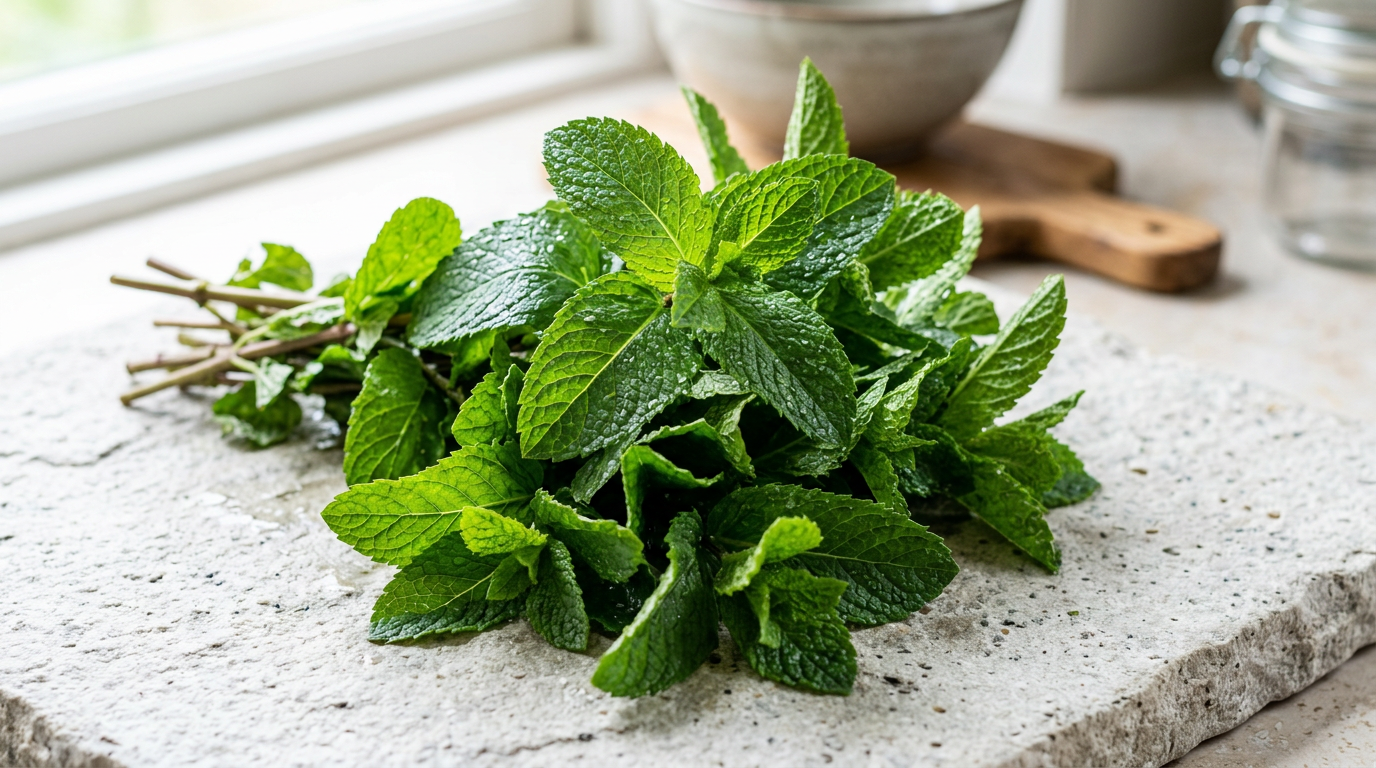
Mint
A cooling, sweet herb that brightens both savory dishes and desserts.
Also known as: Mentha, spearmint, peppermint, fresh mint
Overview
Mint is a fast-growing family of aromatic herbs prized for a bright, cooling menthol character. Spearmint is the softer, sweeter variety used most in cooking, while peppermint is more intense and leans toward confectionery and tea.
Few herbs travel as widely: mint lifts Middle Eastern salads and yogurt sauces, Southeast Asian noodle bowls, North African teas, and countless desserts and drinks. Its coolness pairs especially well with rich, spicy, or fatty foods.
Culinary Uses
- Torn raw into salads such as tabbouleh, fattoush, and herb-heavy platters.
- Stirred into yogurt sauces, chutneys, and dips to cut through spice and fat.
- Steeped fresh for tea and muddled into cold drinks.
- Added to peas, lamb, and grain dishes for a fresh finishing note.
Flavor Profile
- Cool and sweet with a menthol finish that refreshes the palate.
- Spearmint is mild and grassy; peppermint is sharper and more pungent.
- Best used fresh, as its aroma dissipates quickly with heat.
Storage
- Stand stems in water like a bouquet, cover loosely, and refrigerate for up to a week.
- Or wrap in a damp towel in an open bag in the crisper drawer.
- Freeze chopped leaves in oil or water; drying dulls its cooling aroma.
Preparation
- Pluck leaves from the stems and tear or chop just before serving.
- Add at the end of cooking or raw to keep its fresh character.
- Bruise leaves gently to release aromatic oils for teas and drinks.
Nutrition
Mint is used in small amounts and adds negligible calories or macronutrients.
It offers aromatic oils and a modest dose of antioxidants.
Present as carotenoids in the fresh leaves.
Found in small amounts.
Rosmarinic acid and related compounds contribute to its aroma.
Dietary Considerations
- Naturally vegan, vegetarian, gluten-free, and dairy-free.
- Very low in sodium and widely tolerated.
Nutrition information is educational and approximate; it varies by variety, portion, and preparation, and is not a substitute for professional dietary advice.
Common Pairings
Recipes with Mint
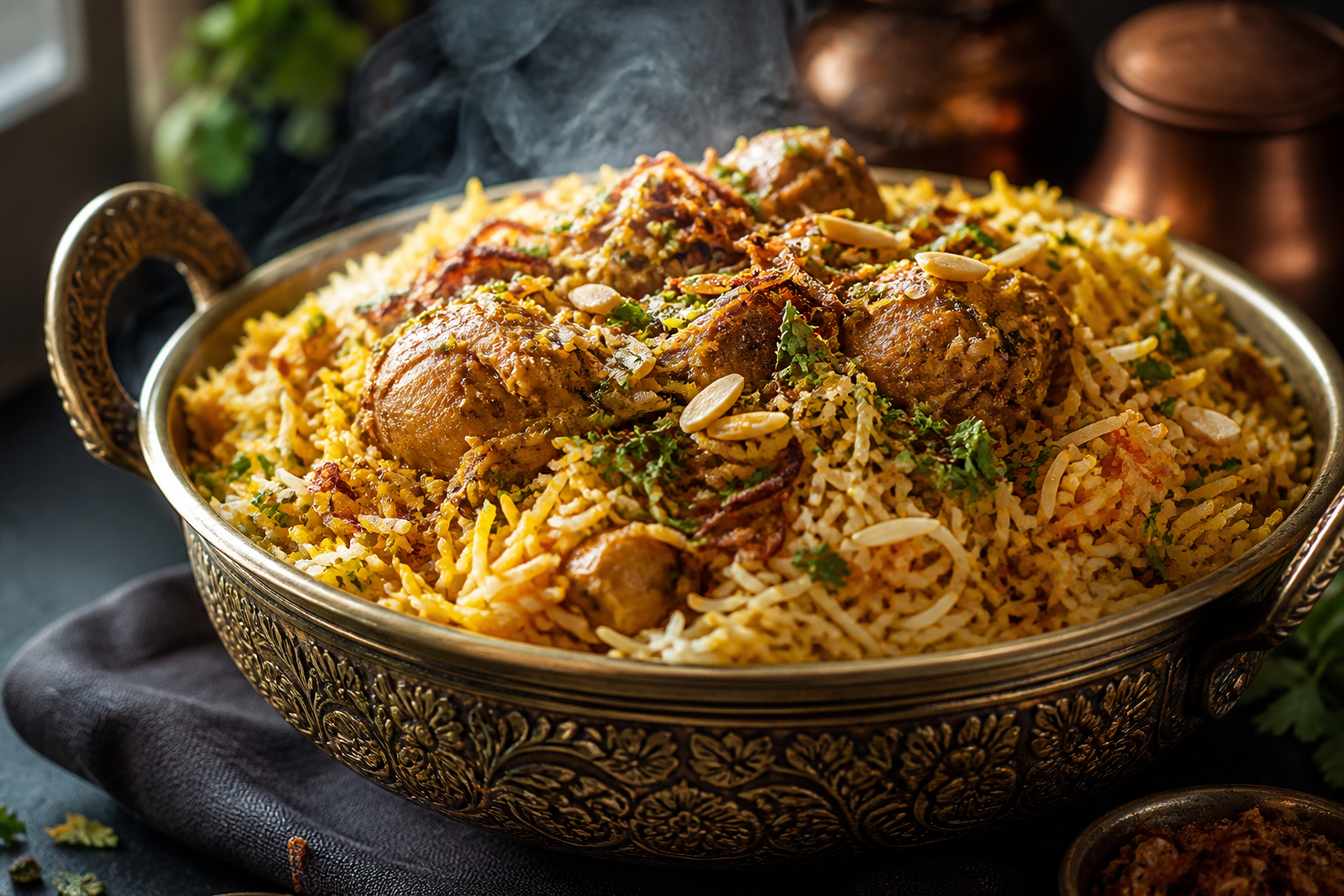
Pakistani Chicken Biryani
A celebrated layered rice dish of marinated chicken, aromatic basmati, and warm whole spices, finished with saffron milk and fried onions for a fragrant, festive centrepiece of Pakistani cooking.

Lebanese Fattoush Salad
A crisp, tangy Lebanese bread salad of cucumbers, tomatoes, radishes, and herbs tossed with crunchy toasted pita and a bright sumac-lemon dressing — fresh, vegan, and full of texture.

Turkish Red Lentil Soup (Mercimek Çorbası)
A silky, comforting pureed red lentil soup finished with paprika-mint butter and a generous squeeze of lemon — a Turkish staple.
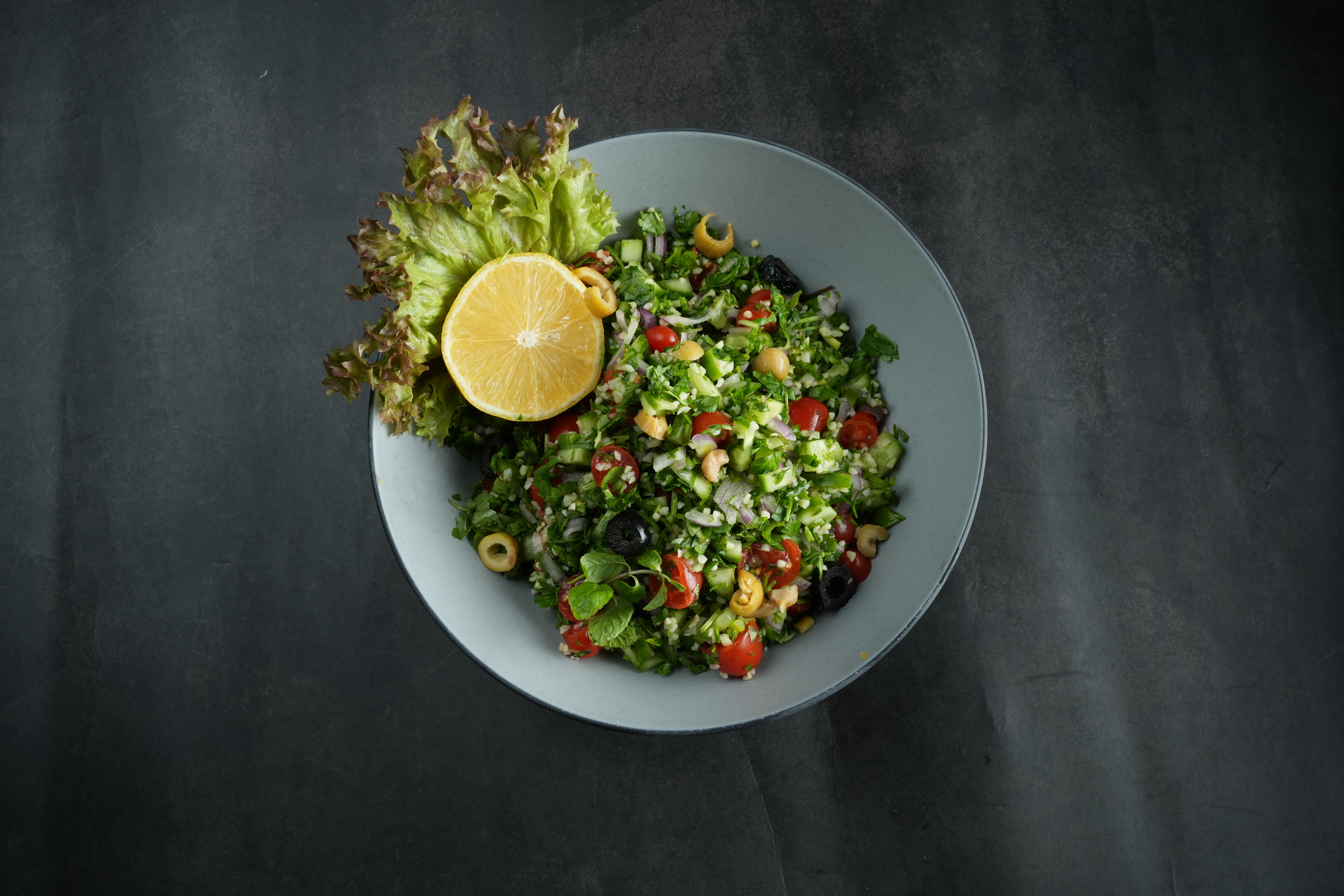
Lebanese Tabbouleh
A bright, herb-forward salad of finely chopped parsley and mint with bulgur, tomato, and a lemon-olive oil dressing — refreshing and vibrant.
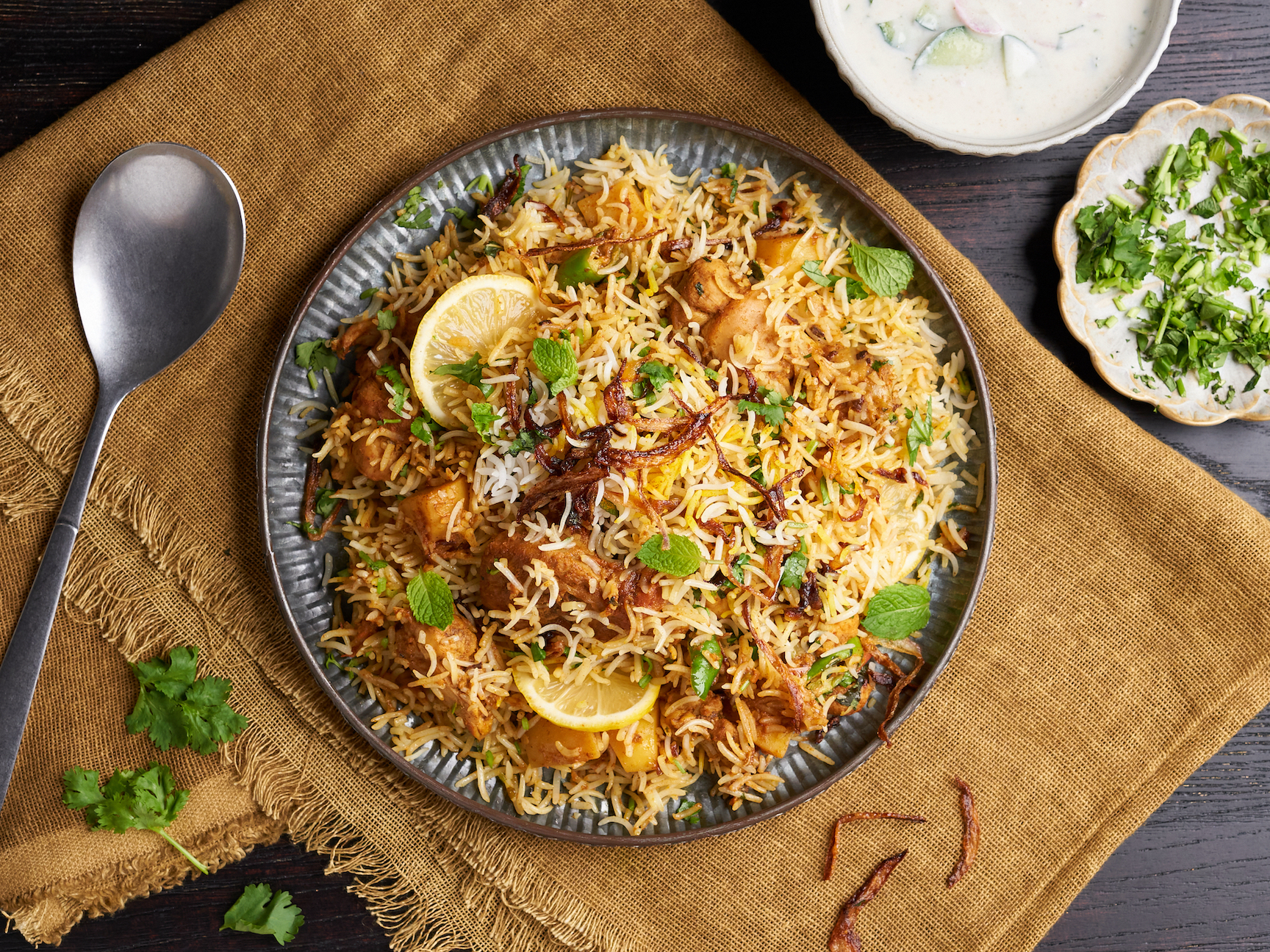
Chicken Biryani
Fragrant basmati layered with spiced chicken, caramelized onions, and saffron, steamed to fluffy perfection.
Explore Related Cuisines
Related Ingredients
Cooking Guides You May Like
How to Store Fresh Herbs
Fresh herbs are one of the most-wasted grocery buys. A few simple storage habits change that entirely.
An Introduction to Middle Eastern Mezze
Mezze is the Middle Eastern art of the shared table — an array of small, vibrant dishes meant to be lingered over. Here is how it works.