The philosophy of small plates
Mezze is less a course than a way of eating. Across Lebanon, Turkey, Israel, and the wider region, a meal often begins — and sometimes consists entirely — of many small dishes brought to the table at once: dips, salads, pickles, breads, and warm bites. The pleasure is in variety and in the unhurried, social nature of grazing across many flavors rather than committing to a single plate.
This style of eating is naturally vegetable-forward and balanced. A typical spread pairs something creamy (hummus or labneh) with something bright and herbal (tabbouleh), something warm and spiced (kofta or shakshuka), and plenty of flatbread to bring it all together.
Cornerstone dishes
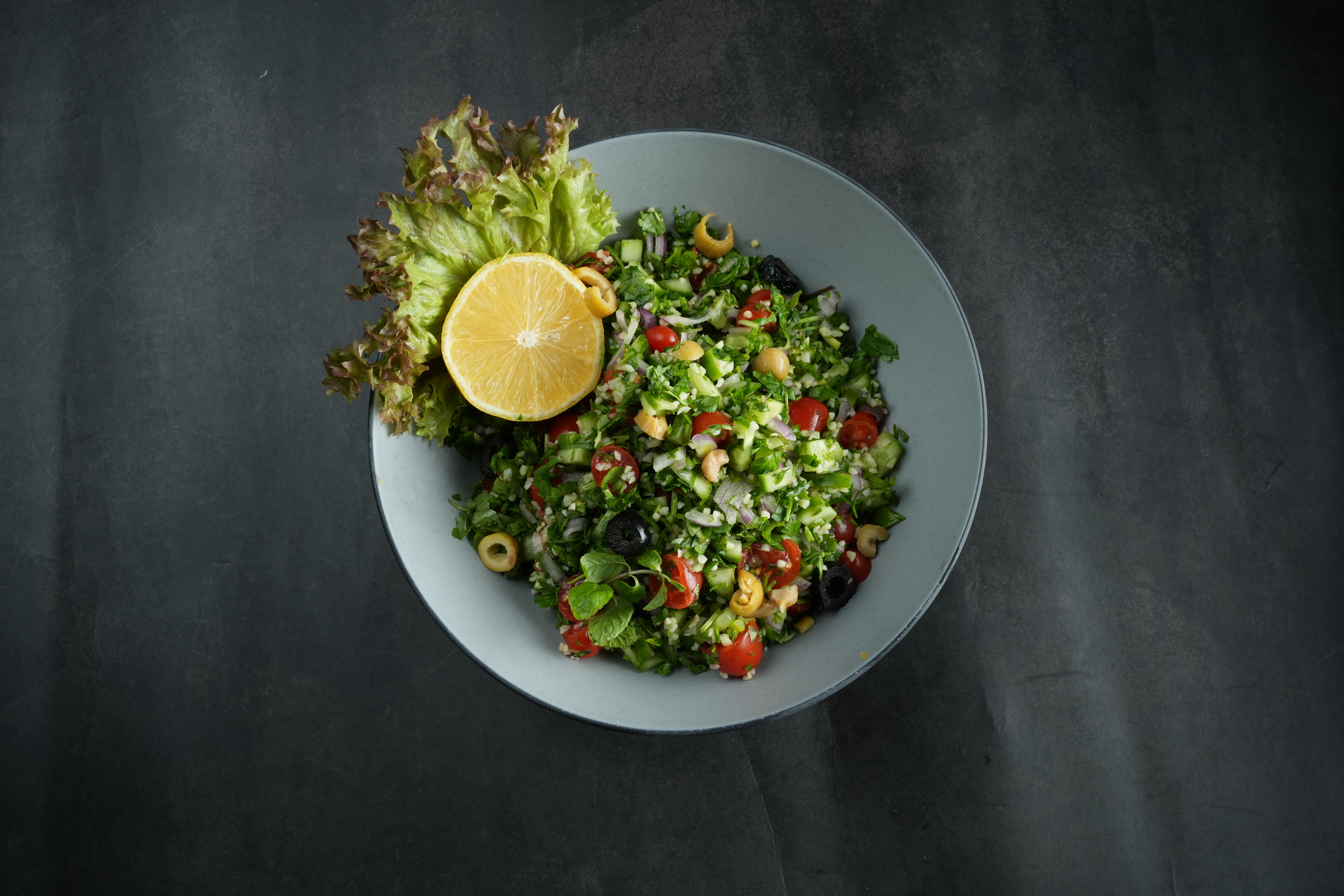
Hummus — blended chickpeas with tahini, lemon, and garlic — is the most famous mezze export, and a well-made batch at home is revelatory compared to the supermarket tub. Tabbouleh, a parsley-heavy salad brightened with lemon and studded with bulgur and tomato, offers a fresh counterpoint. Shakshuka, eggs poached in a spiced tomato and pepper sauce, blurs the line between mezze and a satisfying main.
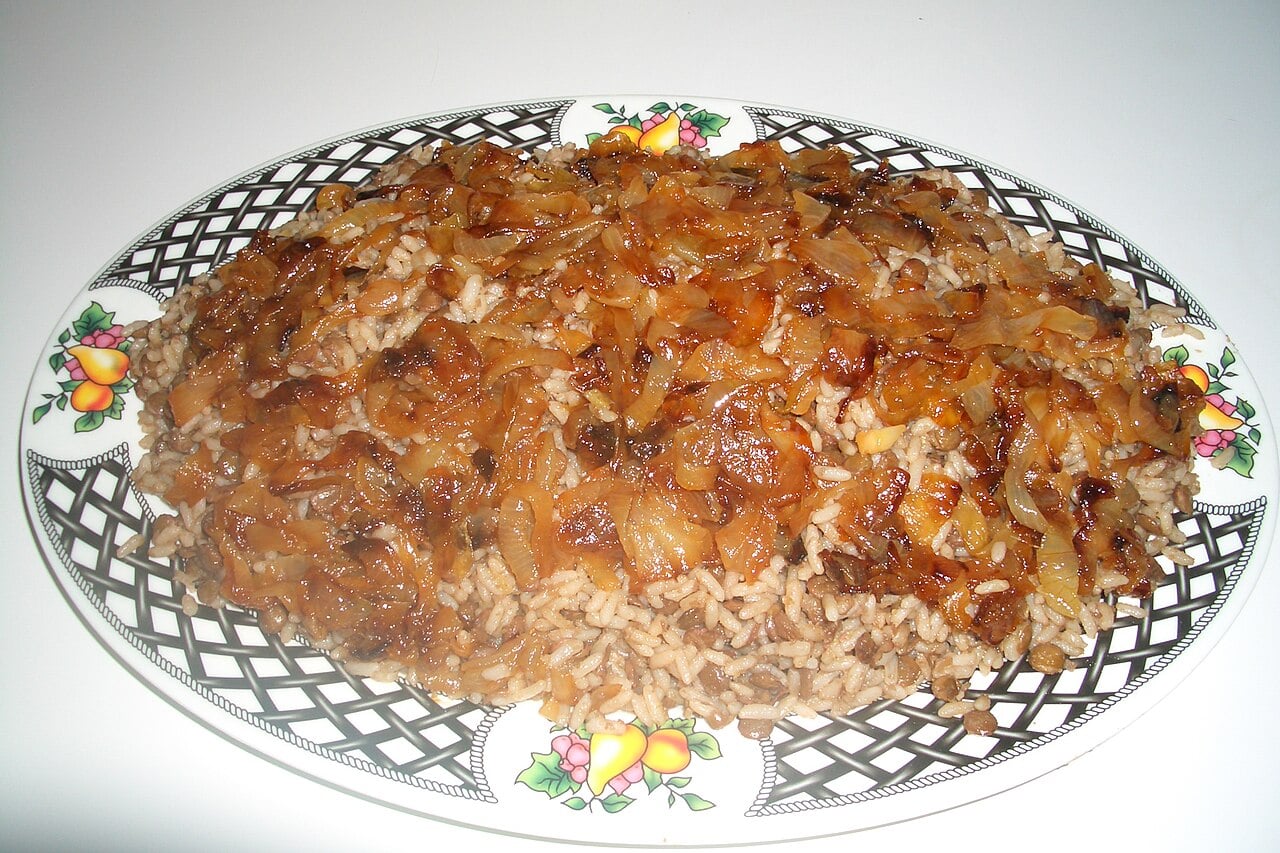
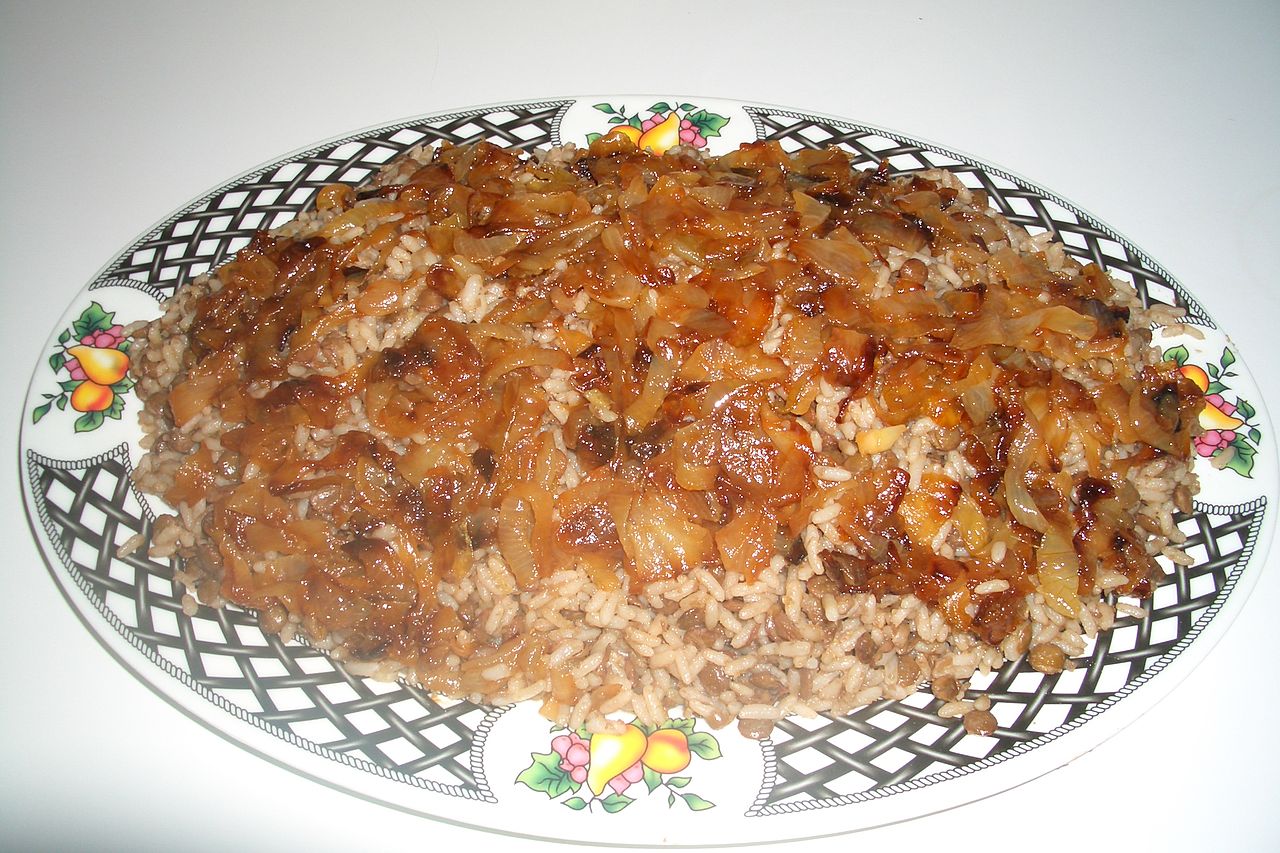
Warm dishes round out the table: spiced lamb or beef kofta, grilled and fragrant, and comforting lentil dishes such as mujadara. The beauty of mezze is that these can be mixed and matched endlessly to suit the season and the crowd.
Building your own spread
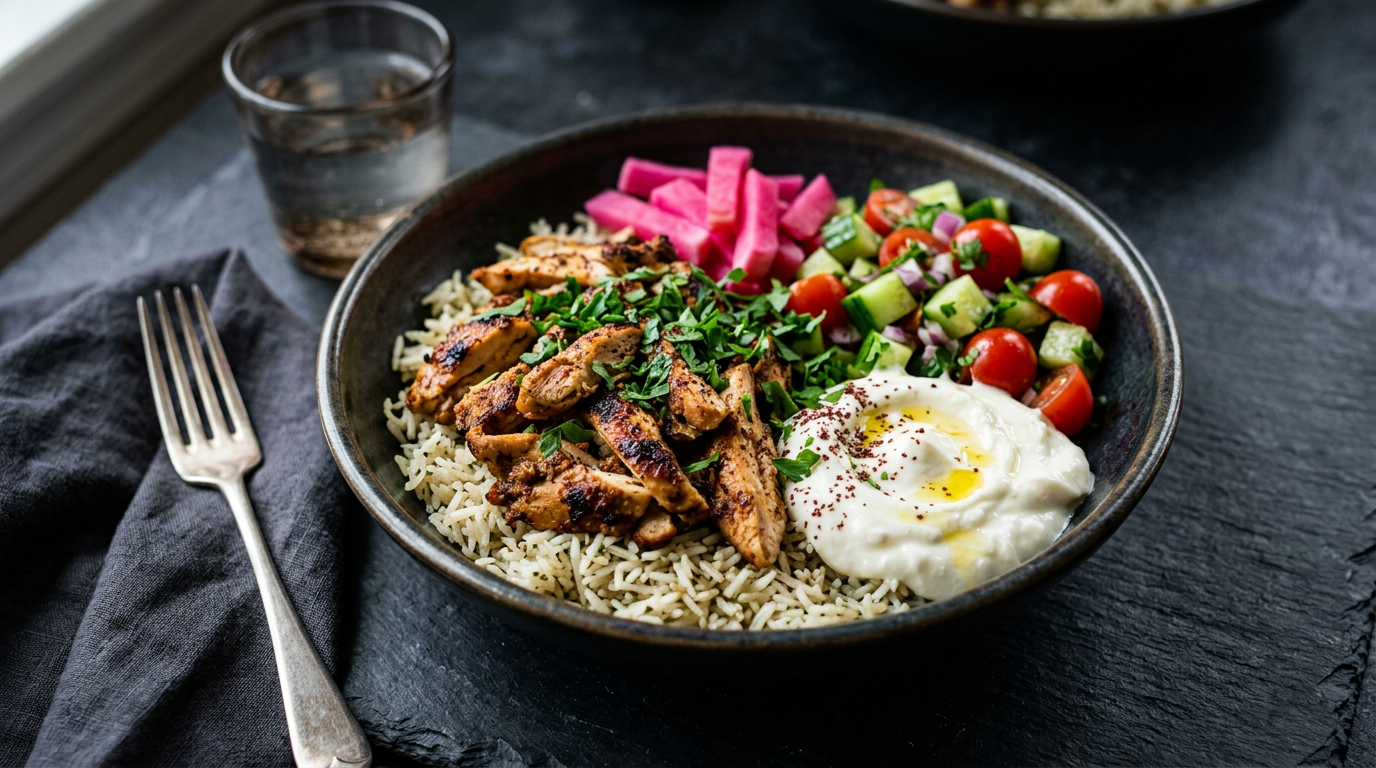
A great mezze table is about balance and color. Aim for a creamy dip, a herbaceous salad, a warm spiced dish, and something pickled or acidic to cut the richness, plus warm flatbread. Most components can be made ahead and served at room temperature, which makes mezze ideal for entertaining without last-minute stress.