
Pork
The world's most consumed meat — versatile from tenderloin to belly to shoulder.
Also known as: Sus domesticus, pork loin, pork belly, pork shoulder, pork chop
Overview
Pork is the most widely eaten meat globally, central to the cuisines of China, Southeast Asia, Europe, Mexico, and the Americas. Its neutral flavor profile makes it extraordinarily adaptable — equally at home in a delicate Japanese tonkatsu, a smoky American pulled pork, a rich French cassoulet, or a spicy Mexican al pastor.
The pig offers an enormous range of cuts with very different characteristics: lean tenderloin, richly marbled belly, tough-but-rewarding shoulder, and delicate chops. Matching the cut to the cooking method is essential.
Culinary Uses
- Slow-roasted or smoked as pulled pork, carnitas, or char siu.
- Pan-seared or grilled as chops and tenderloin medallions.
- Braised as shoulder in cider, beer, or Asian soy-based liquids.
- Cured and preserved as bacon, ham, prosciutto, chorizo, and sausages.
Flavor Profile
- Pork has a mild, slightly sweet flavor that absorbs marinades and seasonings exceptionally well.
- The fat is flavorful and renders beautifully — pork belly is prized for its layered fat and meat.
- Cured pork products (bacon, ham) develop intense umami and saltiness.
Storage
- Refrigerate fresh pork and use within 3-5 days. Ground pork should be used within 1-2 days.
- Freeze for up to 4-6 months. Wrap tightly to prevent freezer burn.
- Cooked pork keeps 3-4 days refrigerated. Pulled pork and braises freeze well for up to 3 months.
Preparation
- Brine pork chops and tenderloin for 1-4 hours to prevent drying out — pork loin is very lean.
- Score pork belly skin in a crosshatch pattern and salt heavily for crackling.
- Cook pork to 145°F internal temperature (USDA recommendation) and rest for 3 minutes. Modern pork is safe at medium.
Nutrition
Lean pork cuts (tenderloin, loin) are comparable in fat and calories to chicken breast.
Pork is an excellent source of thiamine (B1), which is less abundant in other meats.
Pork is the richest common meat source; supports energy metabolism.
An antioxidant mineral important for thyroid function.
Supports immune function and protein synthesis.
Essential for bone and teeth formation.
Dietary Considerations
- Not consumed in Islamic and Jewish dietary laws (halal/kosher).
- Lean cuts are suitable for heart-healthy diets; fattier cuts and processed pork (bacon, sausage) are higher in saturated fat and sodium.
- Naturally gluten-free and dairy-free.
Nutrition information is educational and approximate; it varies by variety, portion, and preparation, and is not a substitute for professional dietary advice.
Common Pairings
Recipes with Pork
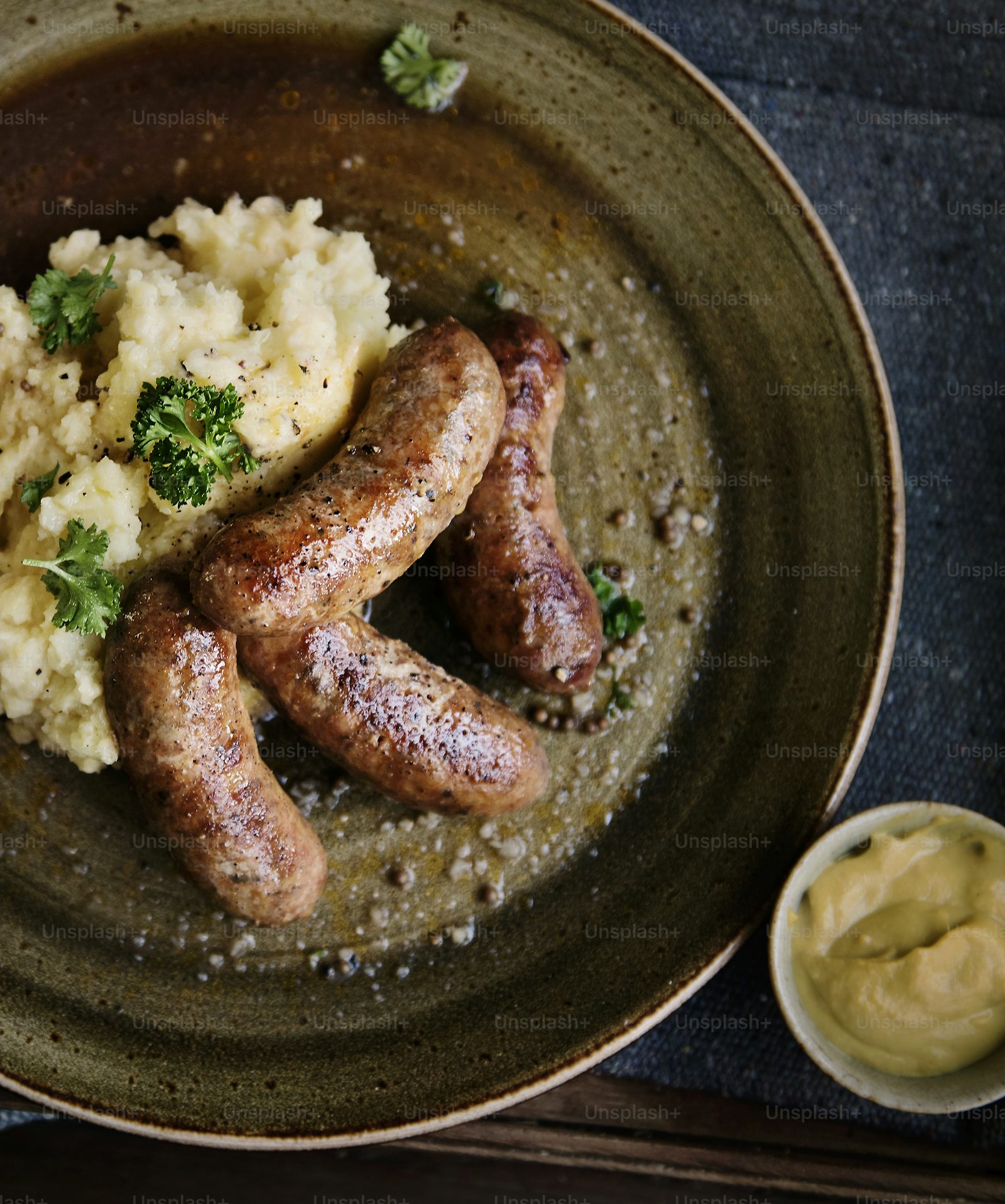
British Bangers and Mash with Onion Gravy
Plump pork sausages over buttery mashed potatoes, blanketed in a rich caramelized onion gravy — the definitive British pub comfort dinner, simple and deeply satisfying.
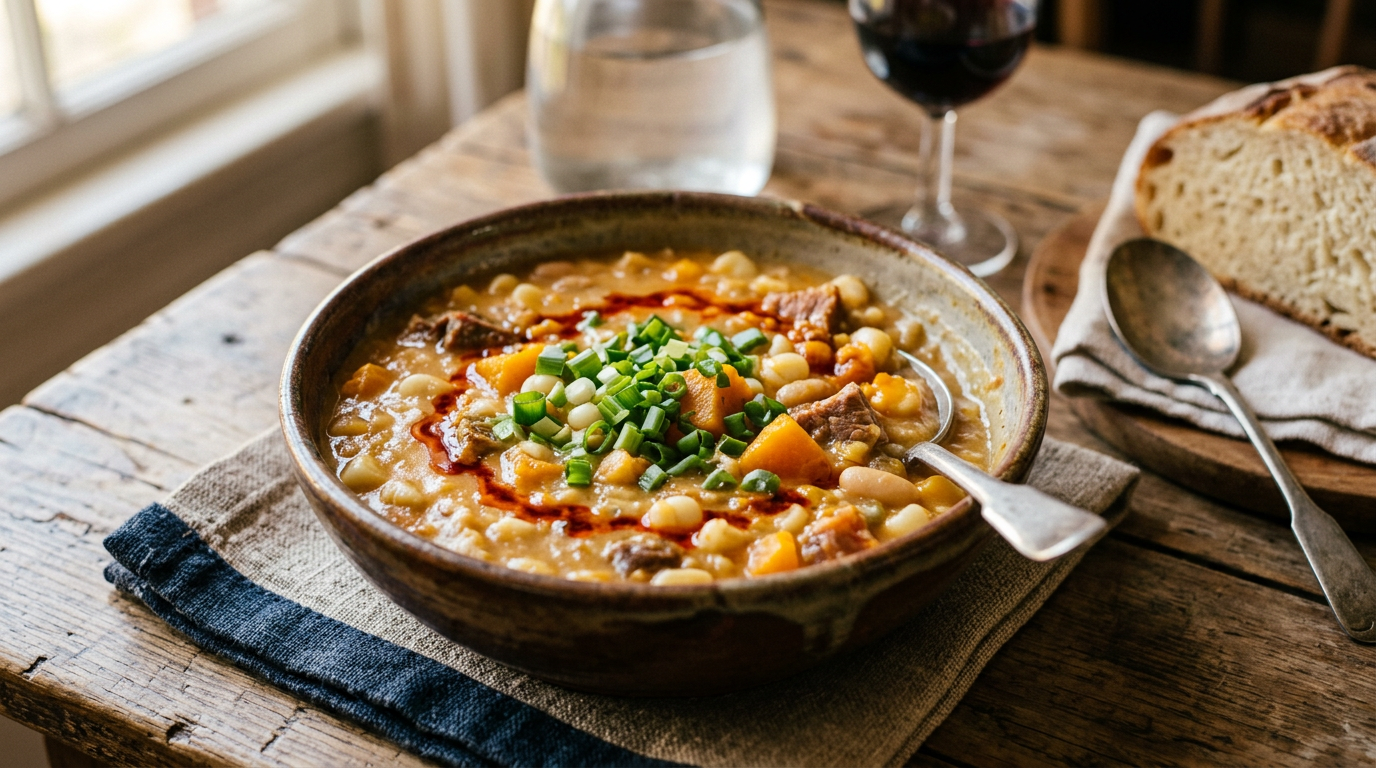
Argentine Locro (Hearty Corn & Bean Stew)
A thick, warming Argentine stew of hominy corn, white beans, squash, and slow-cooked meats — a national dish traditionally eaten on patriotic holidays, rich and deeply comforting.
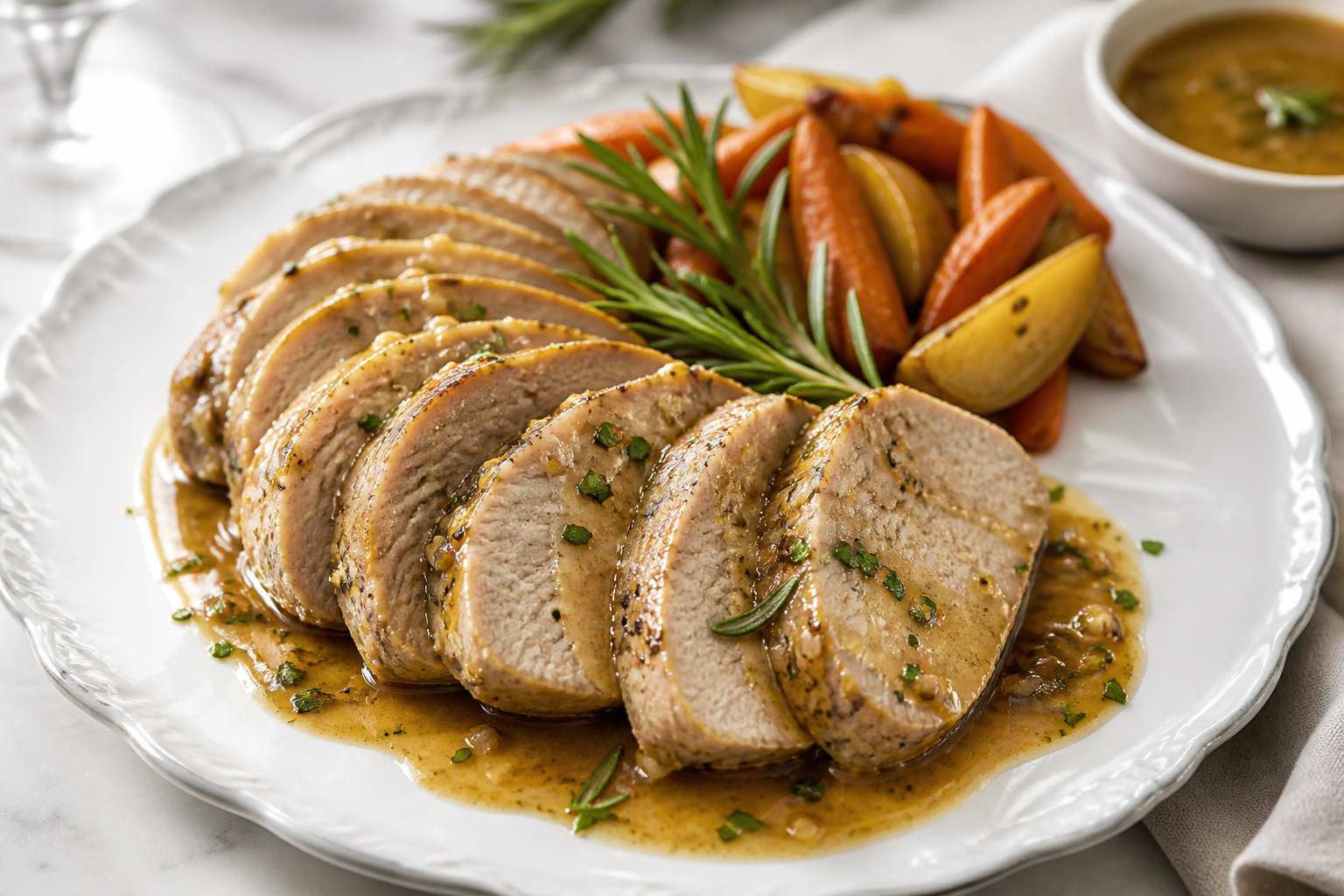
Instant Pot Dijon Rosemary Pork Loin
Tender pork loin pressure-cooked with garlic, rosemary, and Dijon mustard in a savory chicken broth sauce.
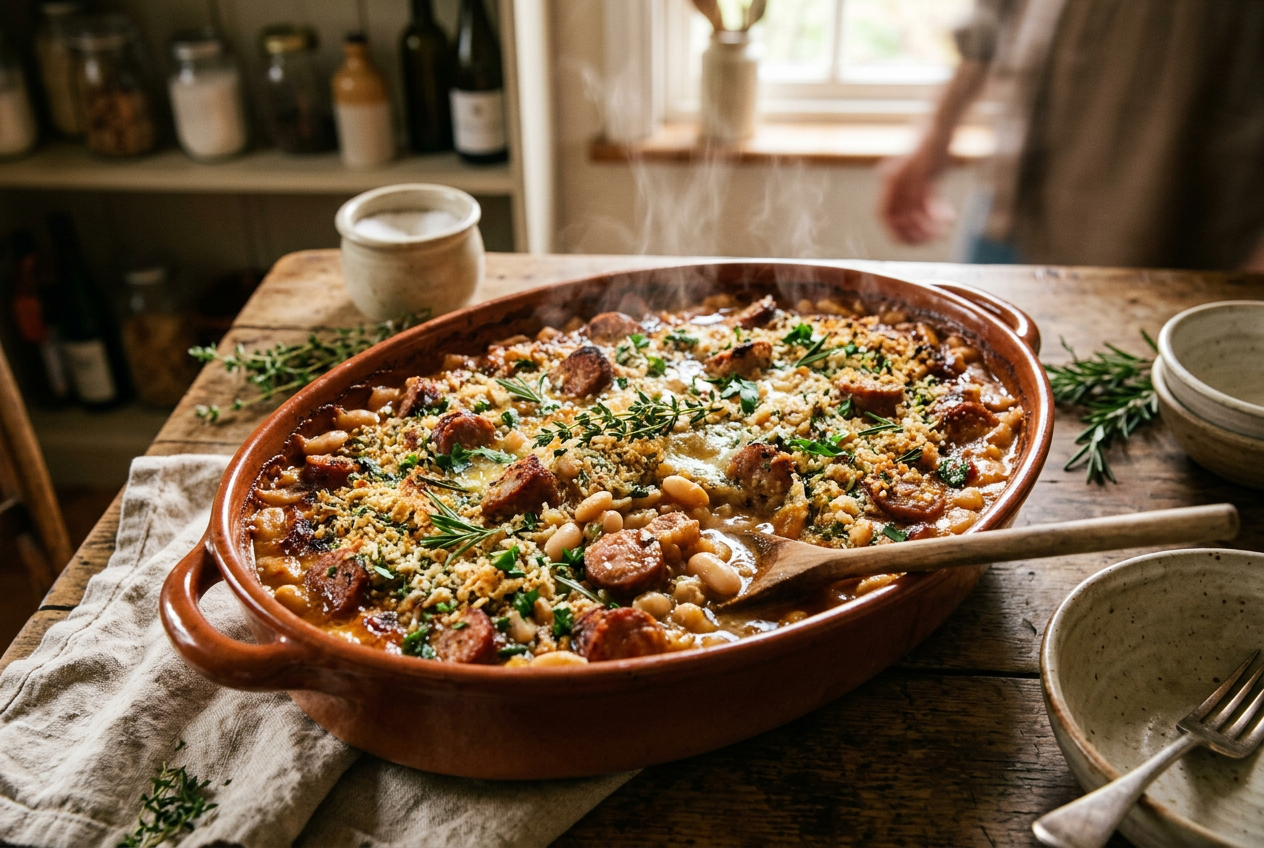
Sausage & White Bean Casserole
A cozy, family-size casserole of browned sausages baked with creamy white beans, tomato, and herbs until everything melds together. Deeply comforting, easy to stretch, and perfect for feeding a hungry household on a budget.
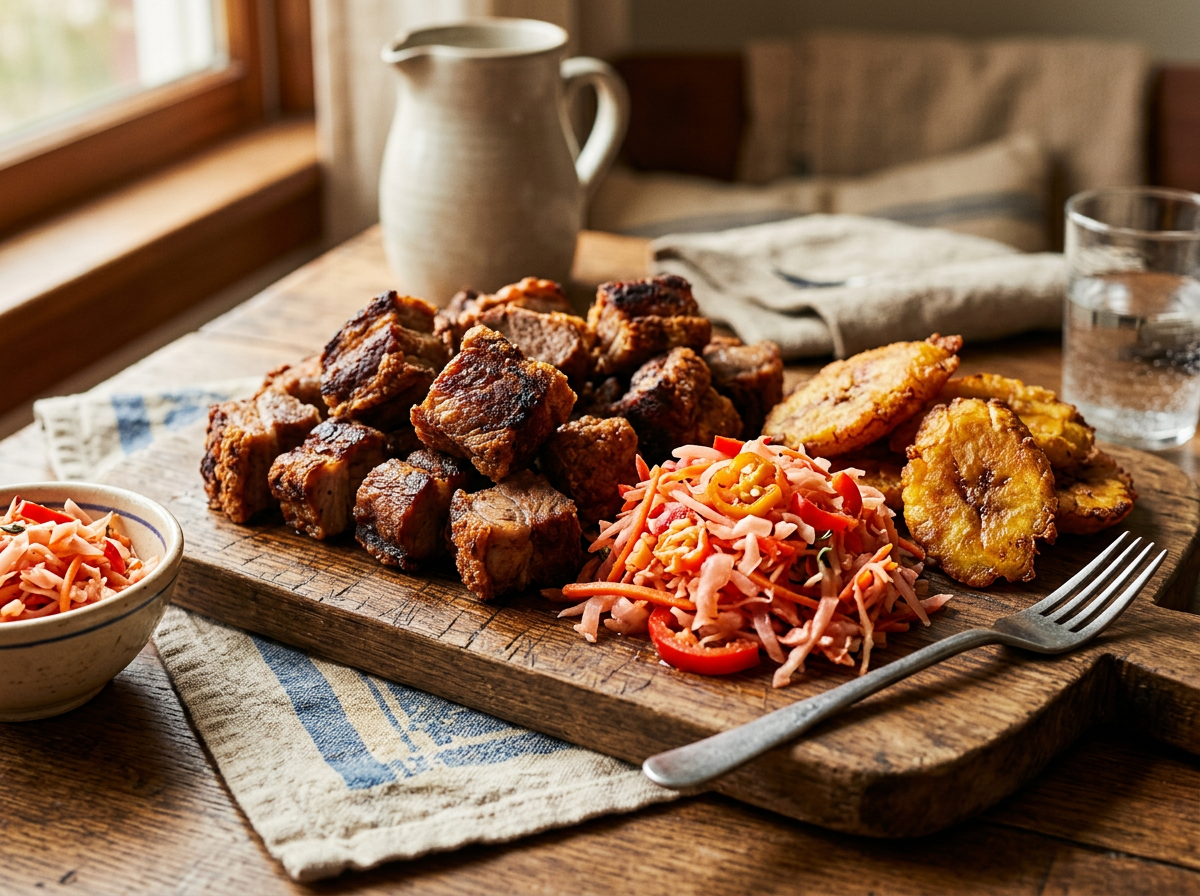
Haitian Griot with Pikliz
Cubes of pork shoulder marinated in citrusy epis, braised until tender, then fried to a crackling golden crust. Served with fiery pikliz, a Haitian pickled cabbage slaw, and fried plantains for the ultimate contrast of rich and bright.
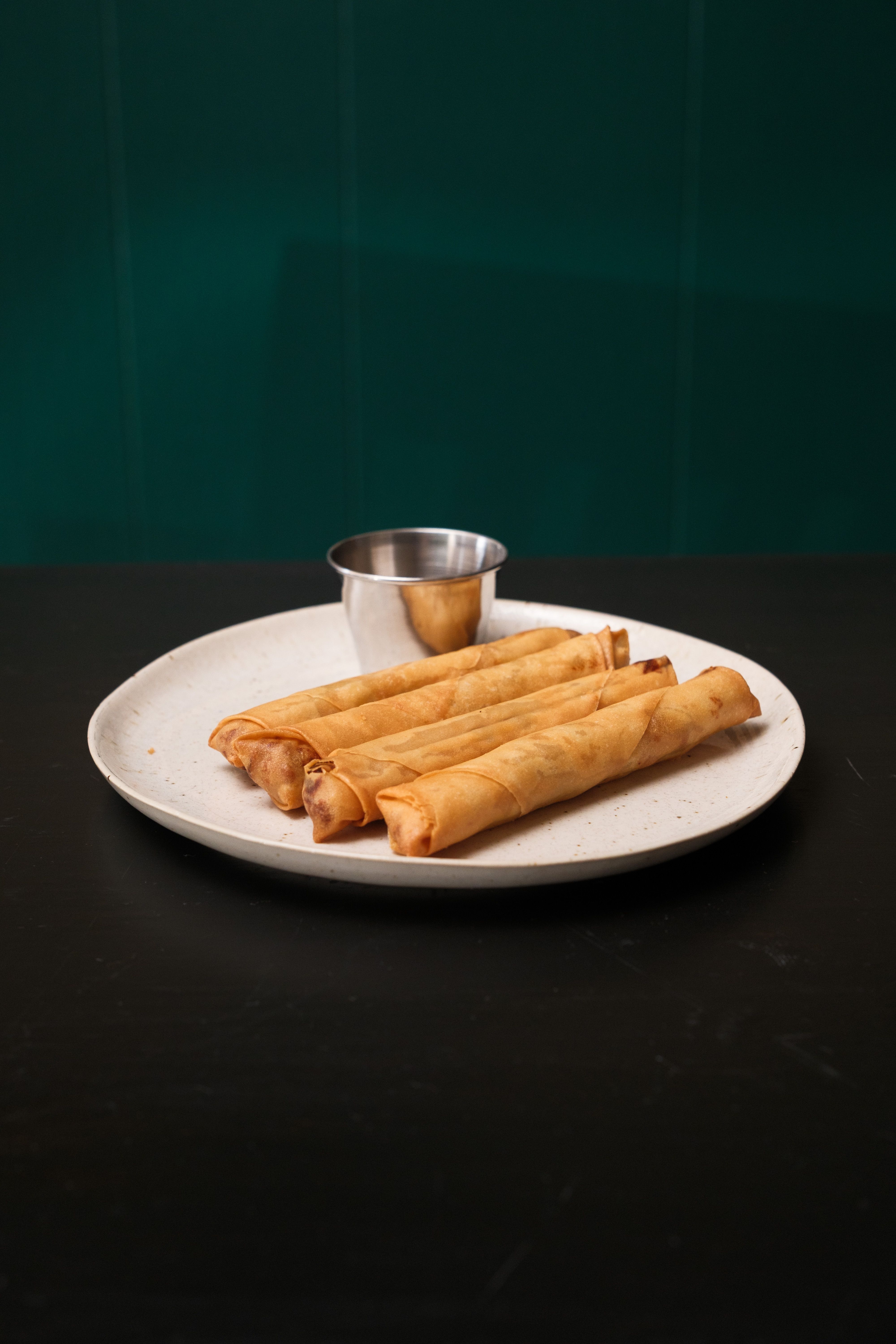
Filipino Lumpia Shanghai
Slender, crisp spring rolls filled with seasoned ground pork and vegetables, fried until golden and served with a sweet-sour dip.

Filipino Sinigang na Baboy
A beloved sour pork and vegetable soup soured with tamarind, bright and comforting with a clear, tangy broth.
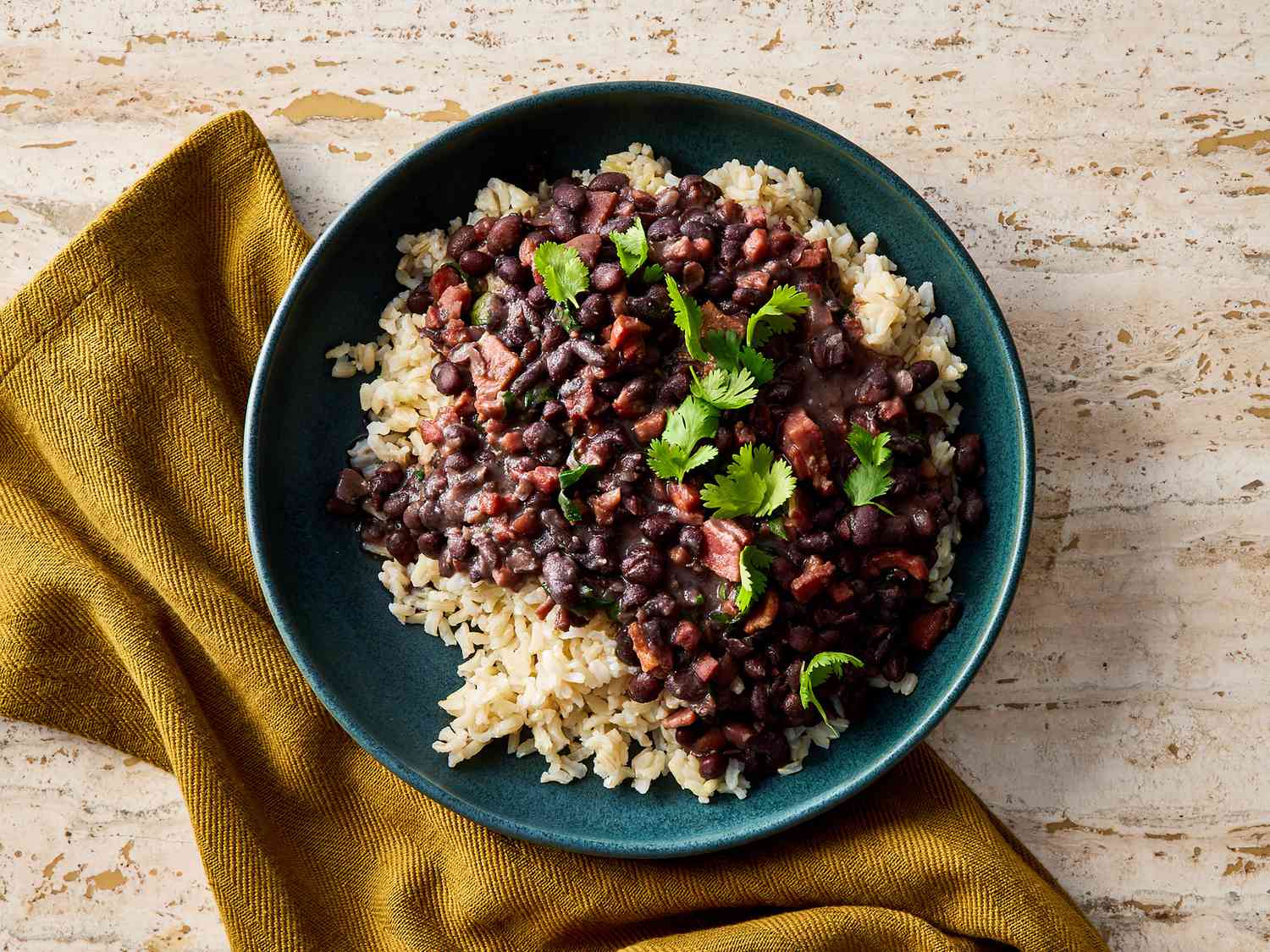
Feijoada
Brazil’s national dish: a hearty black bean stew with smoky pork and beef, served with rice and orange.
Explore Related Cuisines
Related Ingredients

Cooking Guides You May Like
How to Braise and Stew: Low, Slow, and Tender
Braising and stewing turn the cheapest, toughest ingredients into the most comforting dishes you can make. Here is how the method works.
Cooking Temperatures and Food-Safety Guide
Cooking food to the right temperature and handling it safely is the quiet foundation beneath every good meal. Here are the essentials.