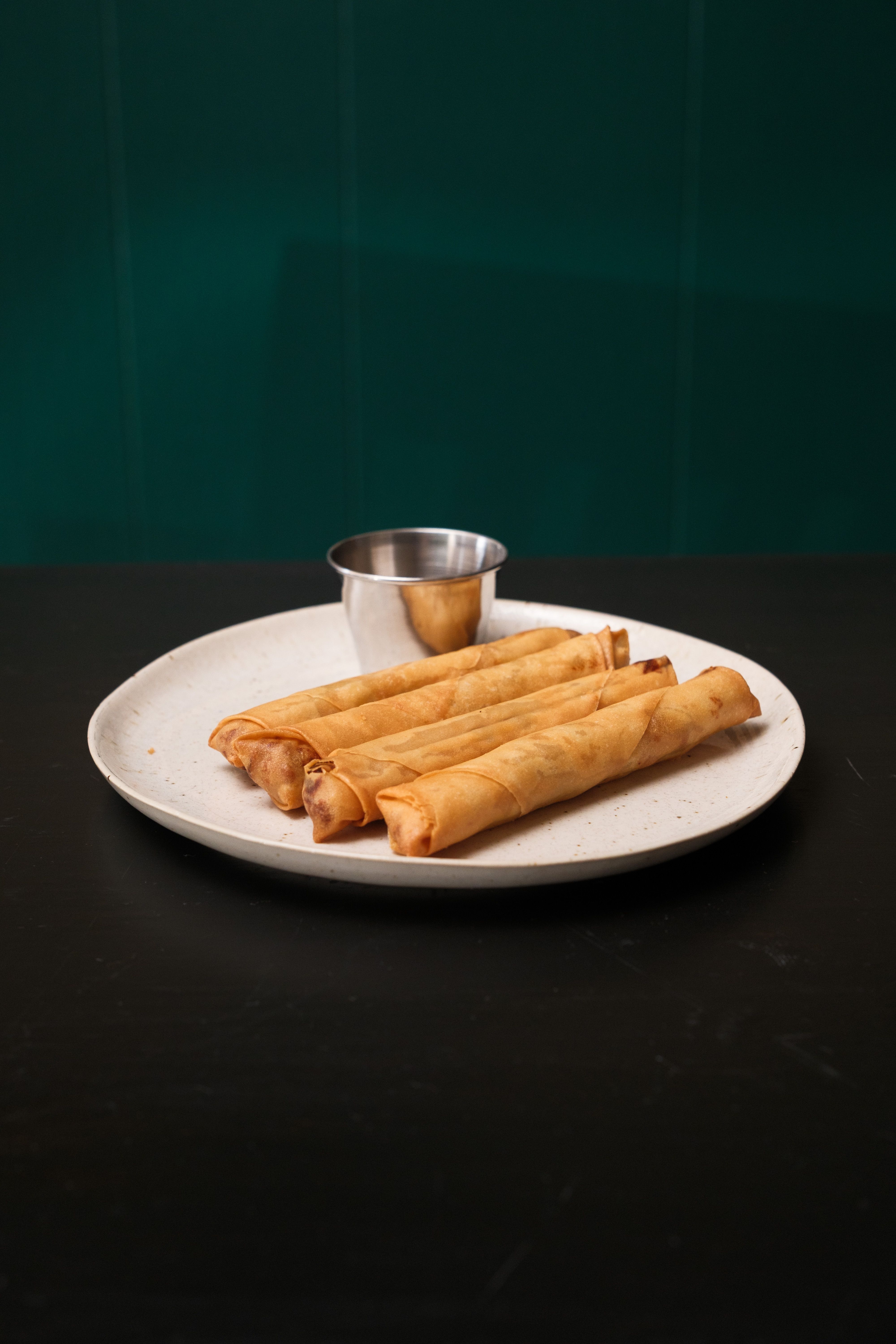
Filipino Lumpia Shanghai
Slender, crisp spring rolls filled with seasoned ground pork and vegetables, fried until golden and served with a sweet-sour dip.
By Palate Palace Kitchen
About This Recipe
Filipino Lumpia Shanghai is a classic, crowd-pleasing appetizer that brings a savory, satisfying crunch to any gathering. These crispy, golden-brown spring rolls are a beloved staple of Filipino party menus, offering a dairy-free pork filling wrapped in a delicate pastry shell.
What makes this particular preparation work so well is the balance of textures and flavors within the filling. Combining ground pork with finely diced carrots, garlic, onions, and spring onions provides a fresh, aromatic base, while soy sauce adds depth and an egg binds the mixture together. Wrapping the filling tightly in a thin line ensures that the pork cooks through evenly in the time it takes for the outer wrapper to reach maximum crispiness during deep-frying.
To achieve the best results, fry the rolls in small batches so the oil temperature does not drop, which prevents the wrappers from absorbing too much oil and becoming greasy. If you want to prepare ahead for a party, you can roll the lumpia in advance and keep them chilled or even frozen until you are ready to fry.
Serve these rolls piping hot straight from the fryer, paired with a sweet chili sauce or a tangy vinegar dip to cut through the richness of the pork. They make the perfect finger food for sharing, easily feeding a hungry crowd of eight.
Ingredients
- 500 g Ground pork
- 1 medium Carrot
- 30 sheets Spring roll wrappers
- 3 cloves Garlic
- 1 small Onion
- 2 tbsp Soy sauce
- 1 whole Egg
- 3 stalks Spring onions
Instructions
- 1
Mix pork with finely diced carrot, onion, garlic, soy, and egg.
8 min
- 2
Spoon a thin line onto each wrapper and roll tightly, sealing the edge.
20 min
- 3
Deep-fry in batches until golden and crisp.
12 min
- 4
Drain and serve hot with a sweet chili or vinegar dip.
2 min
Nutrition Facts
300
kcal
Calories
14
g
Protein
24
g
Carbs
16
g
Fat
1
g
Fiber
480
mg
Sodium
Rate This Recipe
Beverage Pairings
Great pairings balance the weight and flavor of the dish: crisp, high-acid drinks refresh rich or fried food, a touch of sweetness tames spice, and light dishes suit light-bodied drinks. Both alcoholic and non-alcoholic options can shine.
Wine, Beer & Spirits
Dry rosé is remarkably versatile across savory dishes. Enough structure to stand up to a rich, hearty dish.
Serve well chilled (8–10°C).
Non-Alcoholic
A clean, neutral refresher that suits almost any dish. Enough structure to stand up to a rich, hearty dish.
Serve cold with a citrus twist.
Light and palate-cleansing — a safe, refreshing choice. Enough structure to stand up to a rich, hearty dish.
Steep at 75–80°C for 2 minutes.
Key Ingredients
Explore the ingredient encyclopediaYou Might Also Like
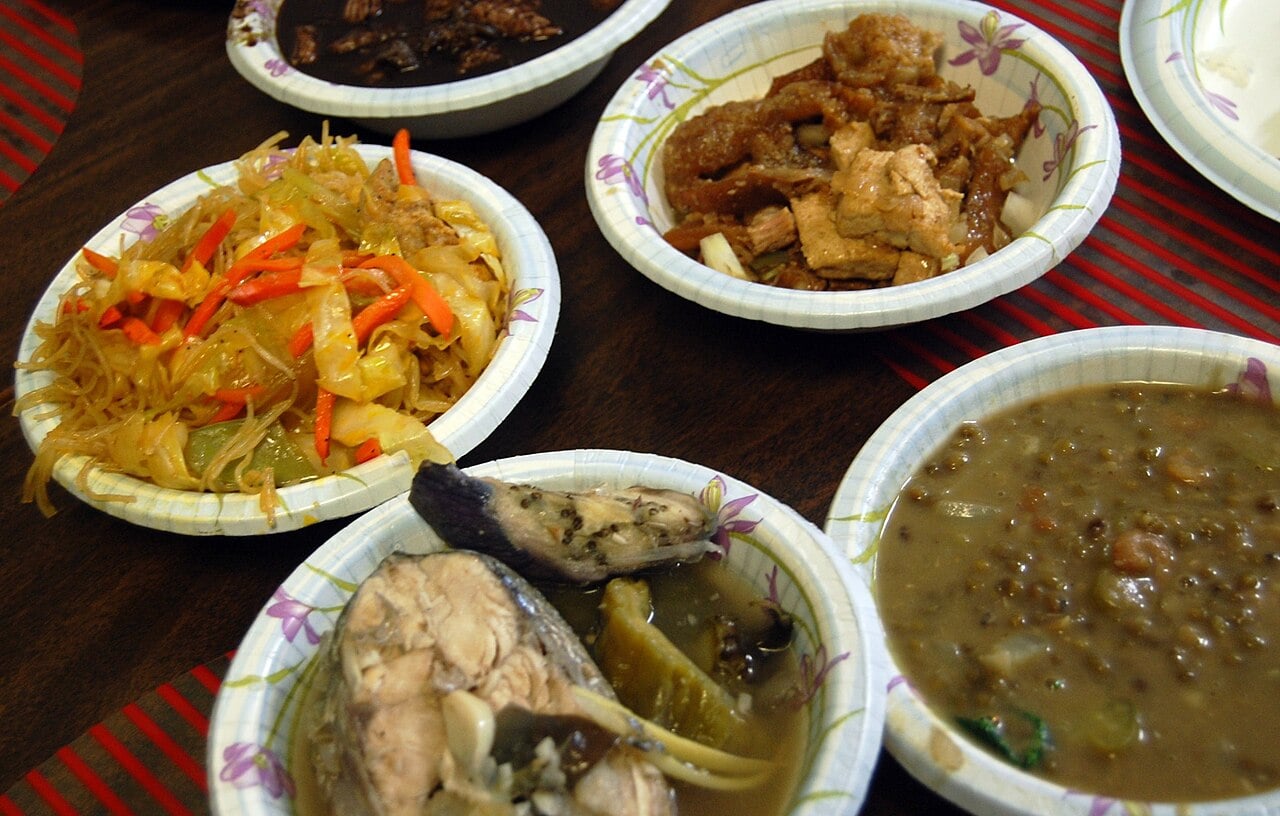
Filipino Ginisang Munggo (Mung Bean Stew)
A comforting Filipino mung bean stew simmered with garlic, tomato, and leafy greens — humble, protein-rich, and one of the most economical dinners you can make.
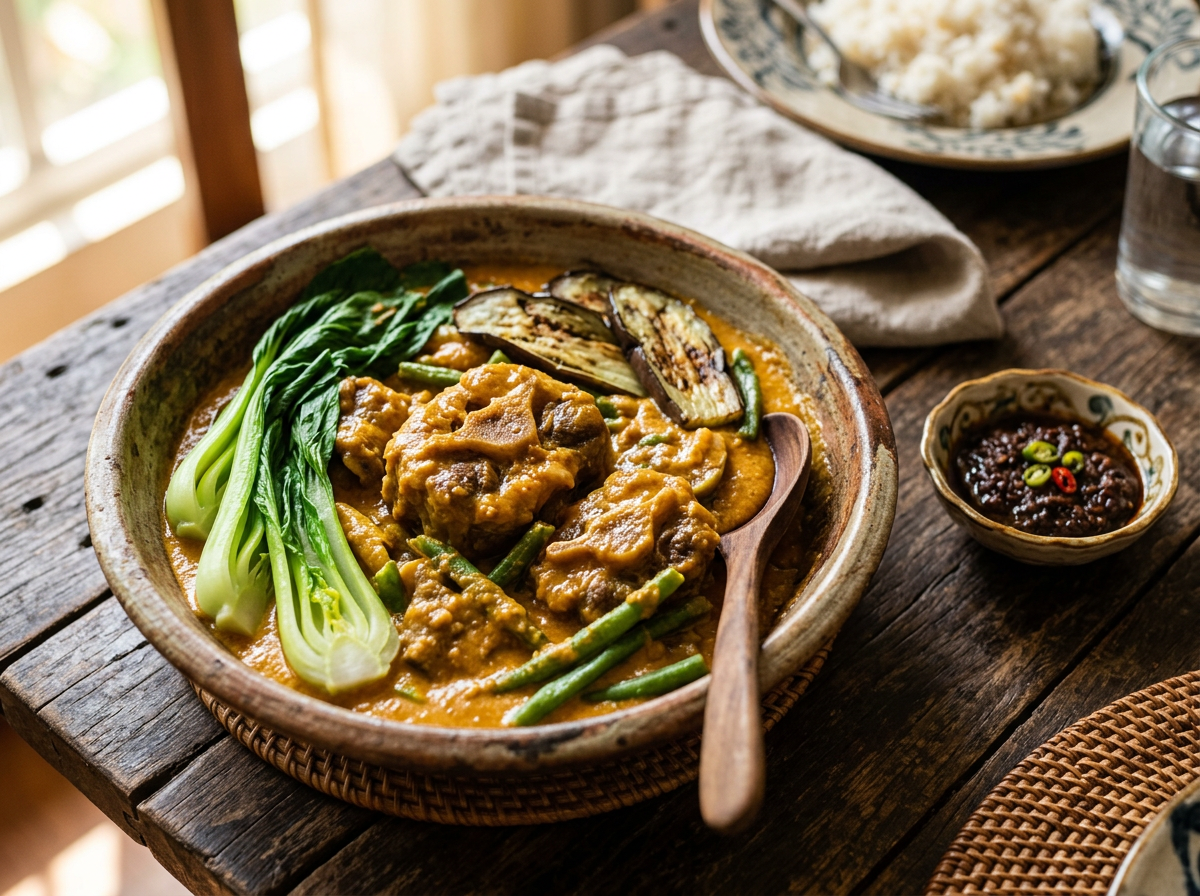
Filipino Kare-Kare (Oxtail Peanut Stew)
A festive Filipino stew of fall-apart oxtail and vegetables blanketed in a thick, nutty peanut sauce tinted golden with annatto. Always served with a side of salty bagoong shrimp paste to season each bite at the table.

Filipino Sinigang na Baboy
A beloved sour pork and vegetable soup soured with tamarind, bright and comforting with a clear, tangy broth.
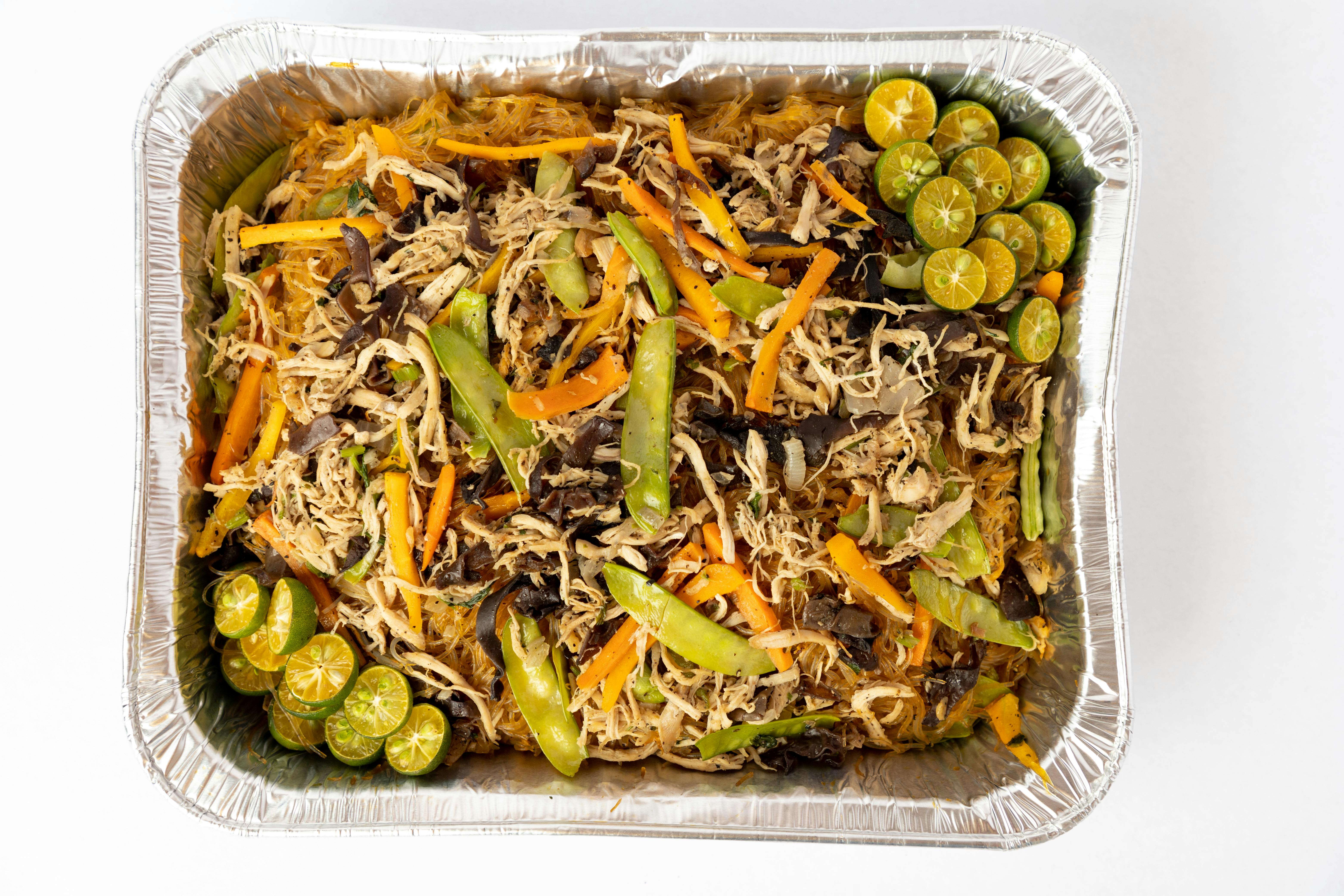
Filipino Pancit Bihon
Thin rice noodles stir-fried with chicken, shrimp, and crisp vegetables in a savoury soy-citrus sauce — a fixture at every Filipino celebration.
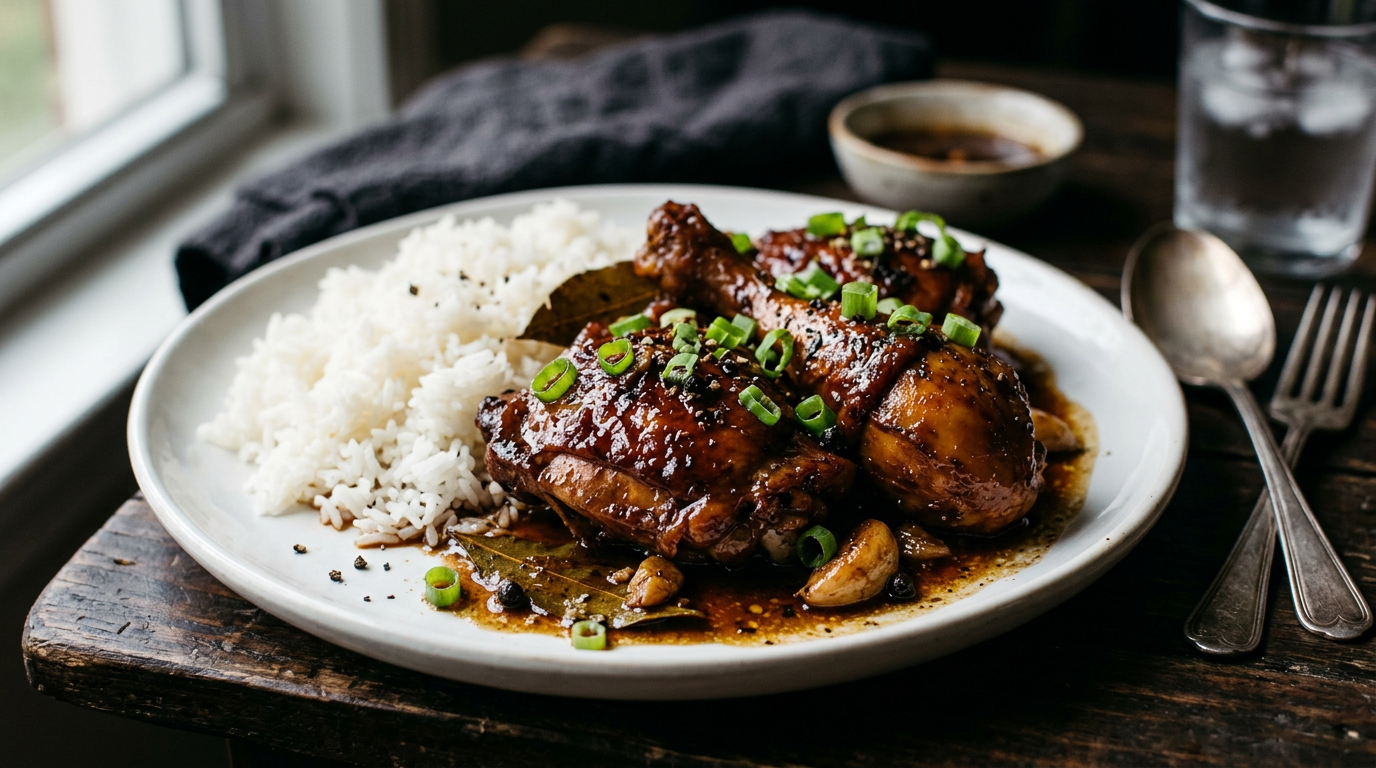
Filipino Chicken Adobo
Chicken braised in soy sauce, vinegar, garlic, and bay until glossy and deeply savoury — the unofficial national dish of the Philippines.
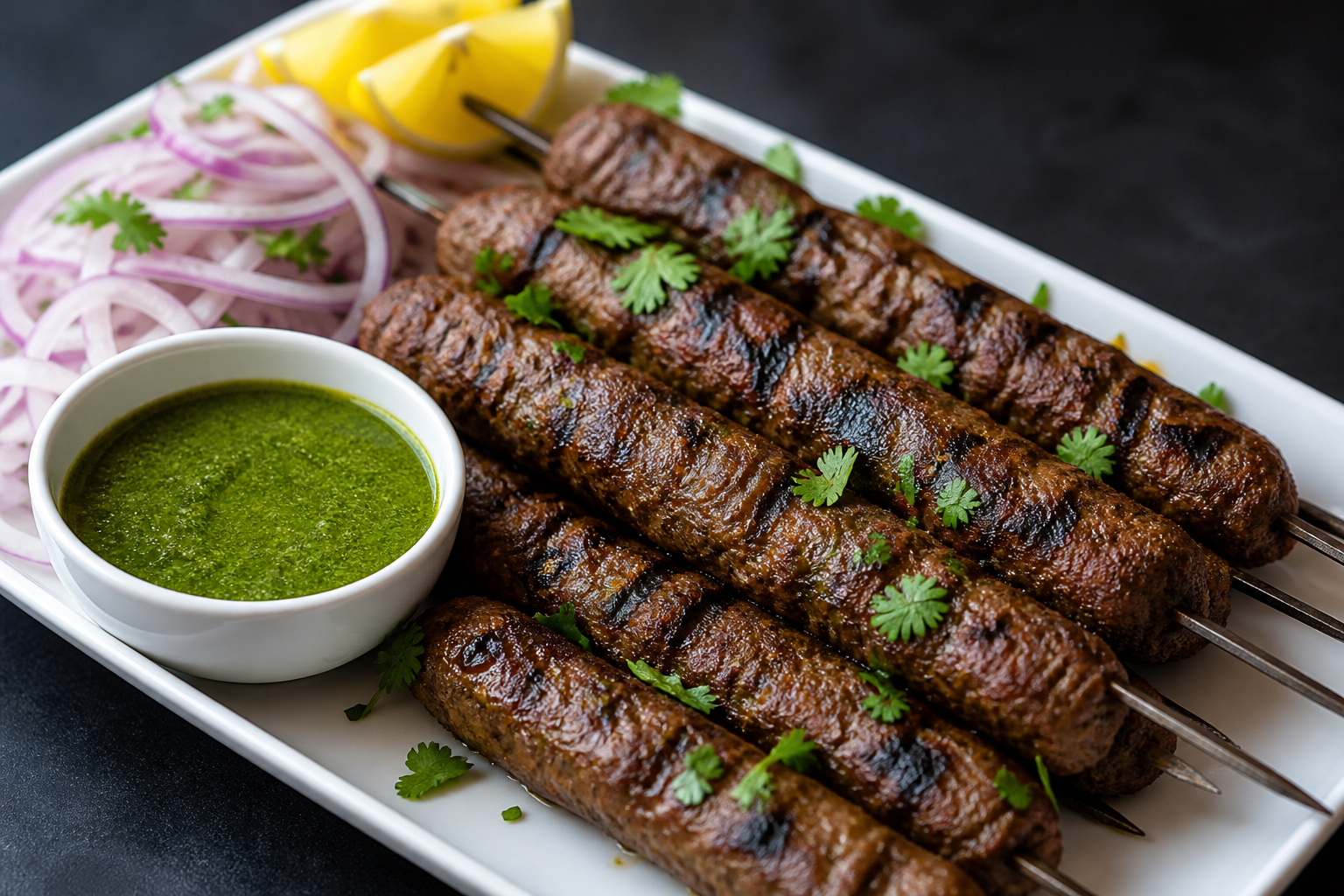
Pakistani Seekh Kebab
Smoky, spiced ground beef kebabs shaped onto skewers and char-grilled until juicy, seasoned with fresh herbs, green chili, and warm spices for a beloved Pakistani grill classic.
Explore Related Collections
Cooking Guides
Understanding Cooking Methods: Dry Heat, Moist Heat, and More
Every cooking method changes texture and flavor in a specific way. Knowing which to choose is the key to cooking anything well.
Read guideBuilding Balanced Meals: A Simple Framework
You do not need to count anything to eat well. A simple visual framework does the work for you.
Read guideEssential Kitchen Skills Every Home Cook Should Know
A short list of fundamental skills will do more for your cooking than any gadget. Here are the ones that matter most.
Read guide