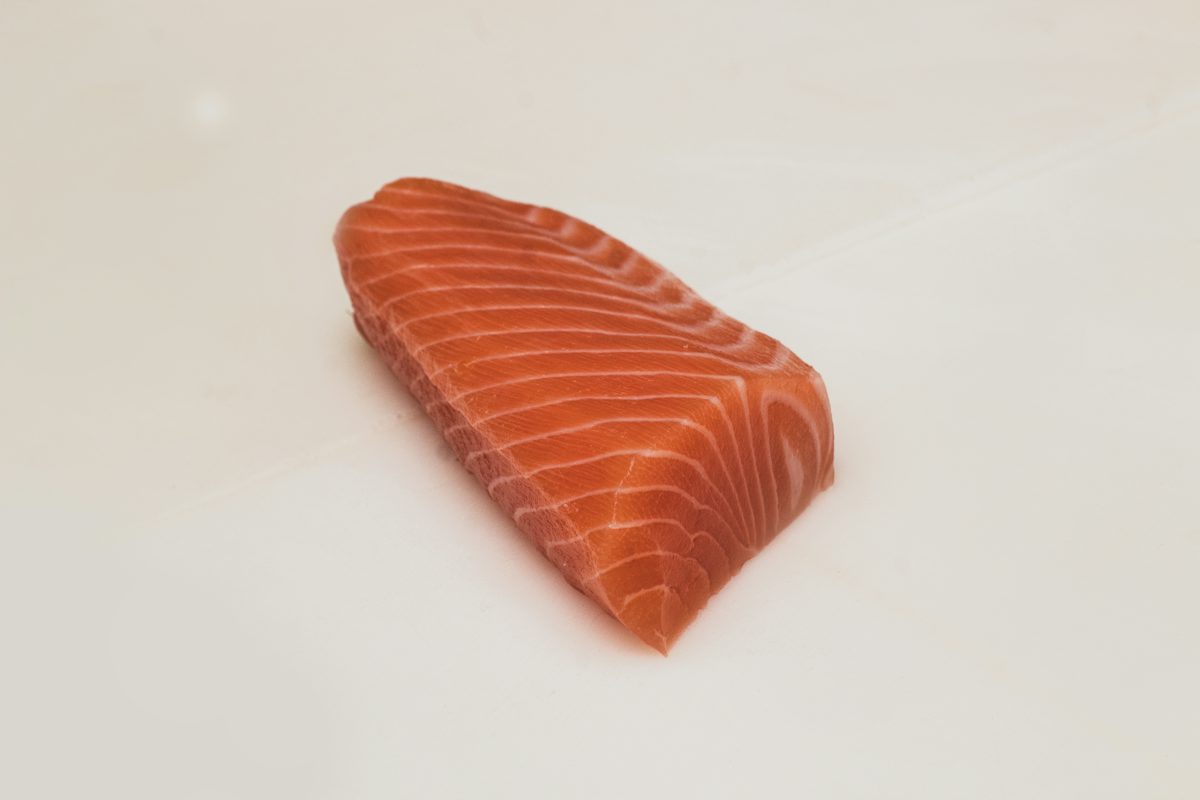
Salmon
A rich, omega-3-packed fish that is as forgiving to cook as it is nourishing.
Also known as: Atlantic salmon, sockeye, wild salmon, salmon fillet
Overview
Salmon is an oily, cold-water fish prized for its rich flavor, silky texture, and exceptional omega-3 content. Its natural fat makes it one of the most forgiving fish to cook — it stays moist even when slightly overdone.
Wild and farmed salmon differ in color, fat, and flavor; wild fish is leaner and more variable, farmed fish is consistently rich. Either way, salmon takes beautifully to searing, roasting, grilling, poaching, and curing.
Culinary Uses
- Pan-seared skin-side down for crisp skin and a tender interior.
- Roasted or baked with herbs, citrus, and olive oil.
- Grilled, poached in aromatic broth, or hot- and cold-smoked.
- Cured into gravlax or served raw as sushi and sashimi from sushi-grade fish.
Flavor Profile
- Rich, buttery, and mildly sweet with a clean, oceanic finish.
- Wild salmon is more pronounced and mineral; farmed is milder and fattier.
- Its fat carries smoke, citrus, and herbs especially well.
Storage
- Keep fresh salmon on ice or in the coldest part of the fridge and use within a day or two.
- Freeze well-wrapped for longer storage; thaw in the refrigerator.
- Smoked and cured salmon keep longer but should still be refrigerated and used by their dates.
Preparation
- Pat the fillet dry and season just before cooking for the best sear.
- Cook skin-side down first over medium-high heat, pressing gently so the skin crisps.
- Remove pin bones with tweezers, running a finger along the fillet to find them.
- Aim for just-set, slightly translucent center; carryover heat finishes it.
Nutrition
Salmon is an excellent source of high-quality protein and long-chain omega-3 fats.
It is one of the few natural food sources of vitamin D.
EPA and DHA, which support heart and brain health.
A complete, highly digestible protein.
Naturally present, supporting bone and immune health.
Abundant, supporting nerve function and energy metabolism.
Dietary Considerations
- Naturally gluten-free and dairy-free; a lean-ish animal protein rich in healthy fats.
- A finfish allergen — unsuitable for those with fish allergies.
- Pregnant people are advised to eat salmon cooked and to enjoy it as a low-mercury choice.
Nutrition information is educational and approximate; it varies by variety, portion, and preparation, and is not a substitute for professional dietary advice.
Common Pairings
Recipes with Salmon
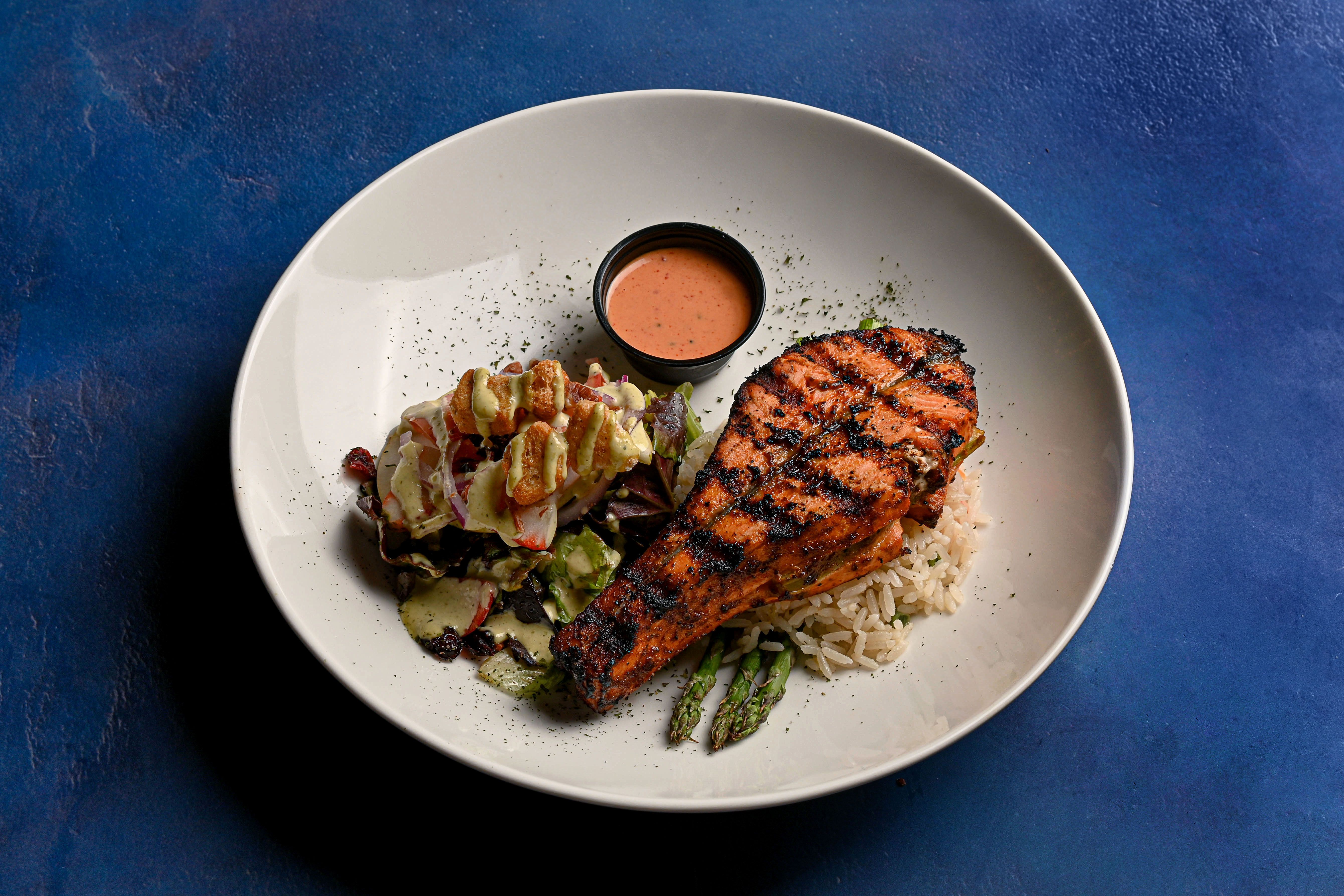
EoE-Friendly Baked Salmon & Rice
A gentle, few-ingredient baked salmon with rice and steamed carrots — built around simple, single-ingredient foods for those managing food sensitivities. Educational only, not medical advice; always follow your own care plan.
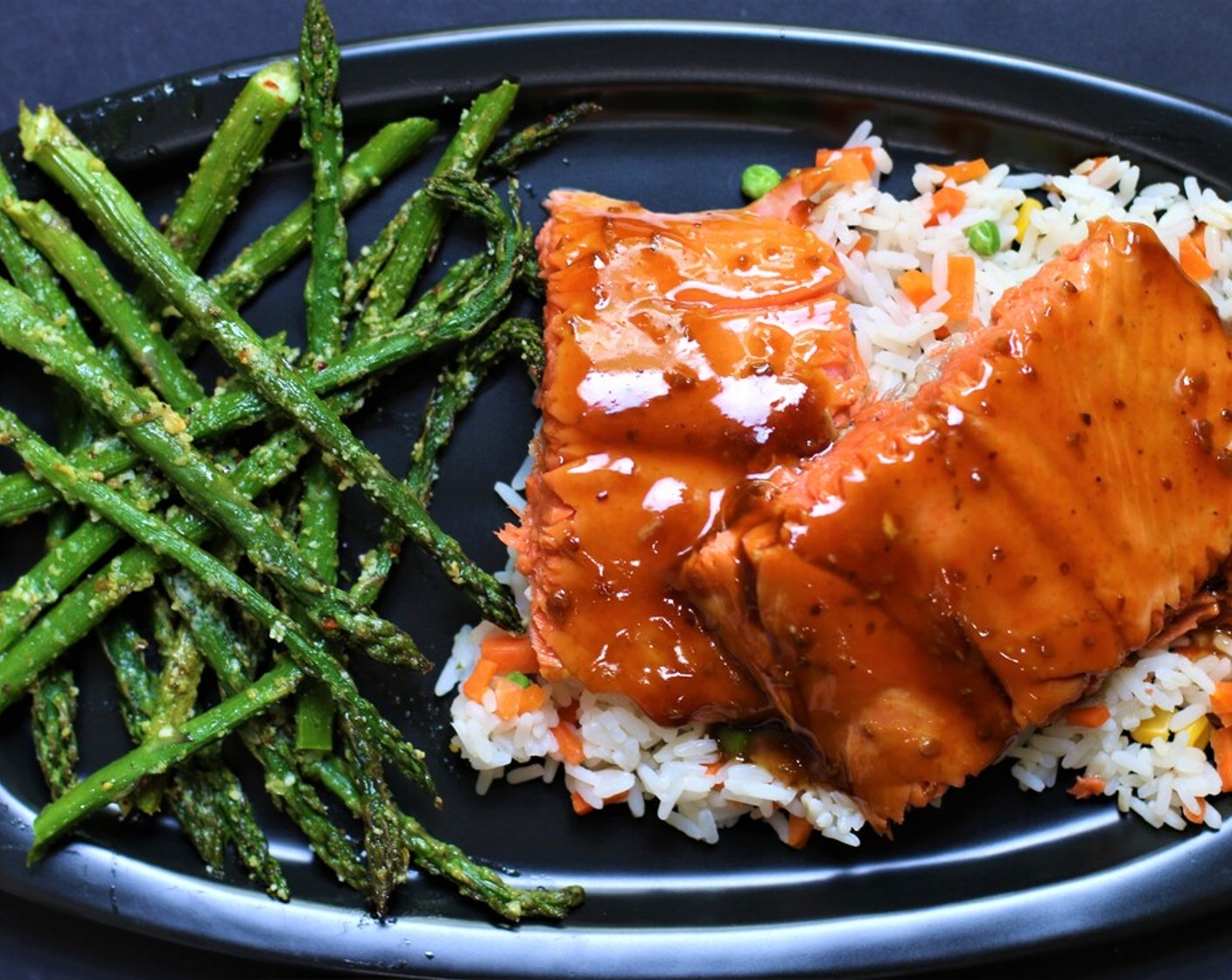
Salmon Teriyaki
Pan-seared salmon glazed in a glossy homemade teriyaki, served over rice with steamed greens.
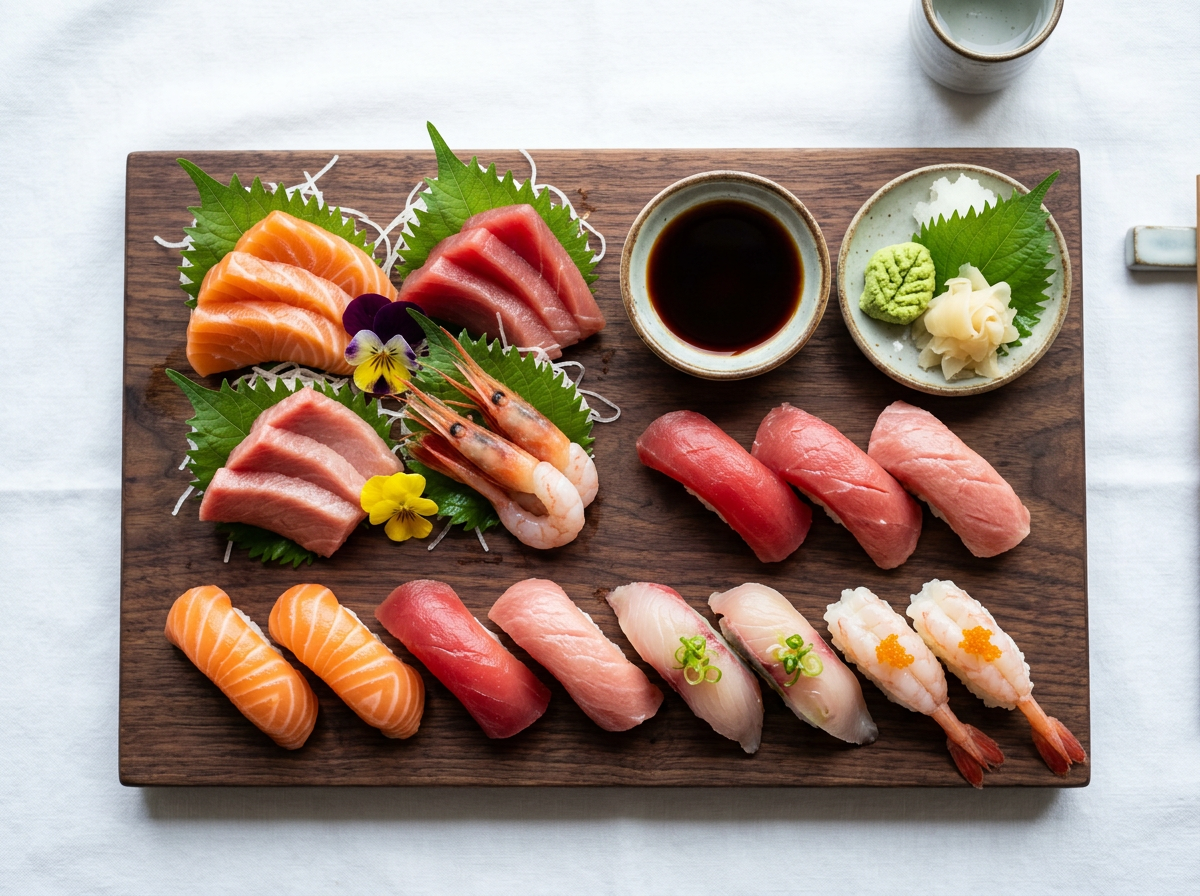
Sashimi & Nigiri Platter
An elegant assortment of fresh sashimi and nigiri featuring salmon, tuna, and yellowtail. Served with wasabi and pickled ginger.
Explore Related Cuisines
Related Ingredients
Cooking Guides You May Like
Building Balanced Meals: A Simple Framework
You do not need to count anything to eat well. A simple visual framework does the work for you.
Understanding Cooking Methods: Dry Heat, Moist Heat, and More
Every cooking method changes texture and flavor in a specific way. Knowing which to choose is the key to cooking anything well.