Bengali Cuisine
Subtle, artistic, and deeply layered — a cuisine that treats every meal as a ceremony.
Introduction
Bengali cuisine — spanning both West Bengal in India and Bangladesh — is among the most refined and artistic culinary traditions in South Asia. Distinguished by its subtle use of mustard, poppy seeds, the five-spice blend panch phoron, and an extraordinary reverence for fish, Bengali cooking treats every meal as a multi-course experience progressing from bitter to sweet.
The Bengali kitchen is where technique meets poetry: a perfectly steamed ilish (hilsa) in mustard sauce, a light jhol (brothy curry) perfumed with nigella and turmeric, and the legendary sweets — rasgulla, sandesh, mishti doi — that have made Bengal the dessert capital of the subcontinent.
History
Bengali food traditions date back millennia, shaped by the fertile Ganges delta, monsoon rhythms, and Buddhist, Hindu, and later Islamic cultural influences. The region's extraordinary riverine ecosystem made fish the centerpiece of the diet, while the fertile soil yielded rice, mustard, and an abundance of vegetables.
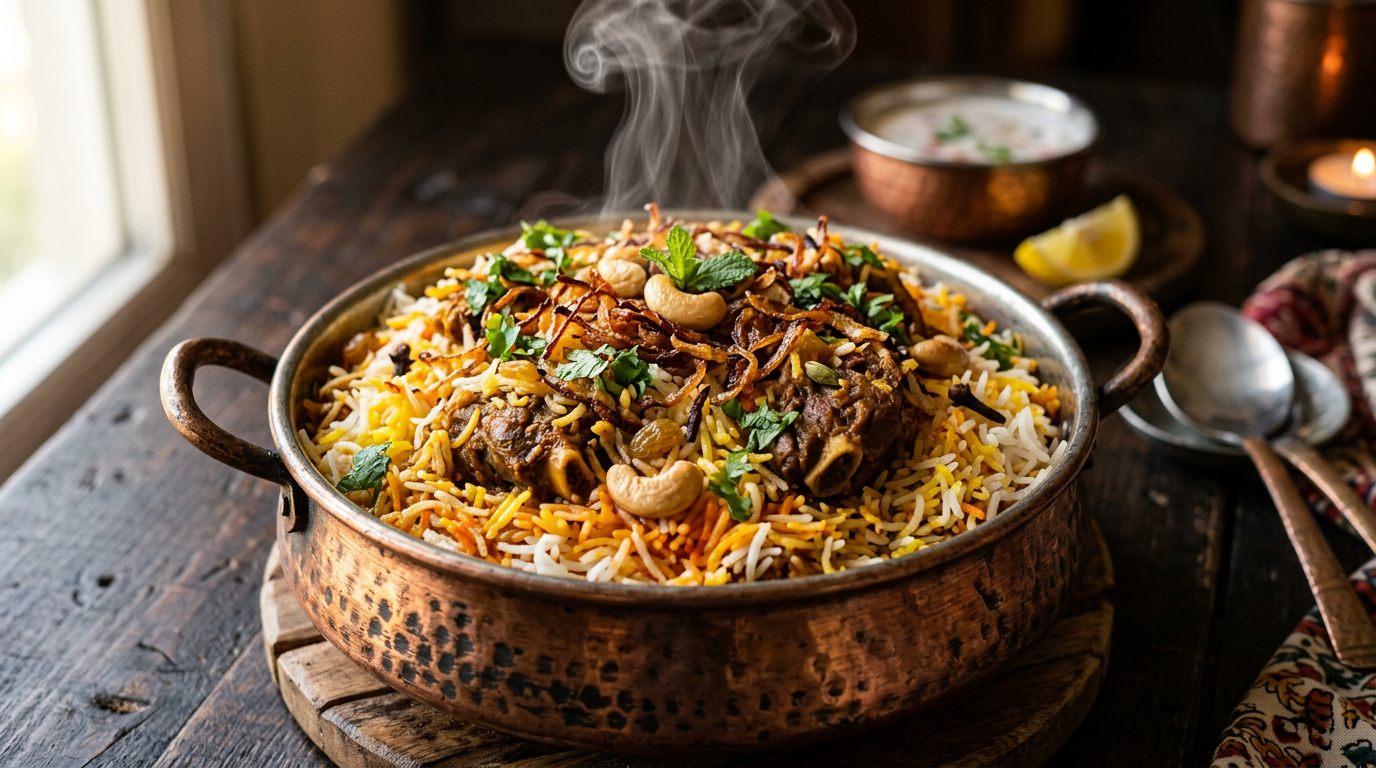
Mughal influence introduced rich meat preparations and elaborate pilafs, while Portuguese traders brought chili peppers and sweets-making techniques. The Bengali Renaissance of the 19th century elevated the culture of food appreciation, and Kolkata became a city of legendary food traditions — from street-side phuchka to grand wedding feasts.
Cultural Context
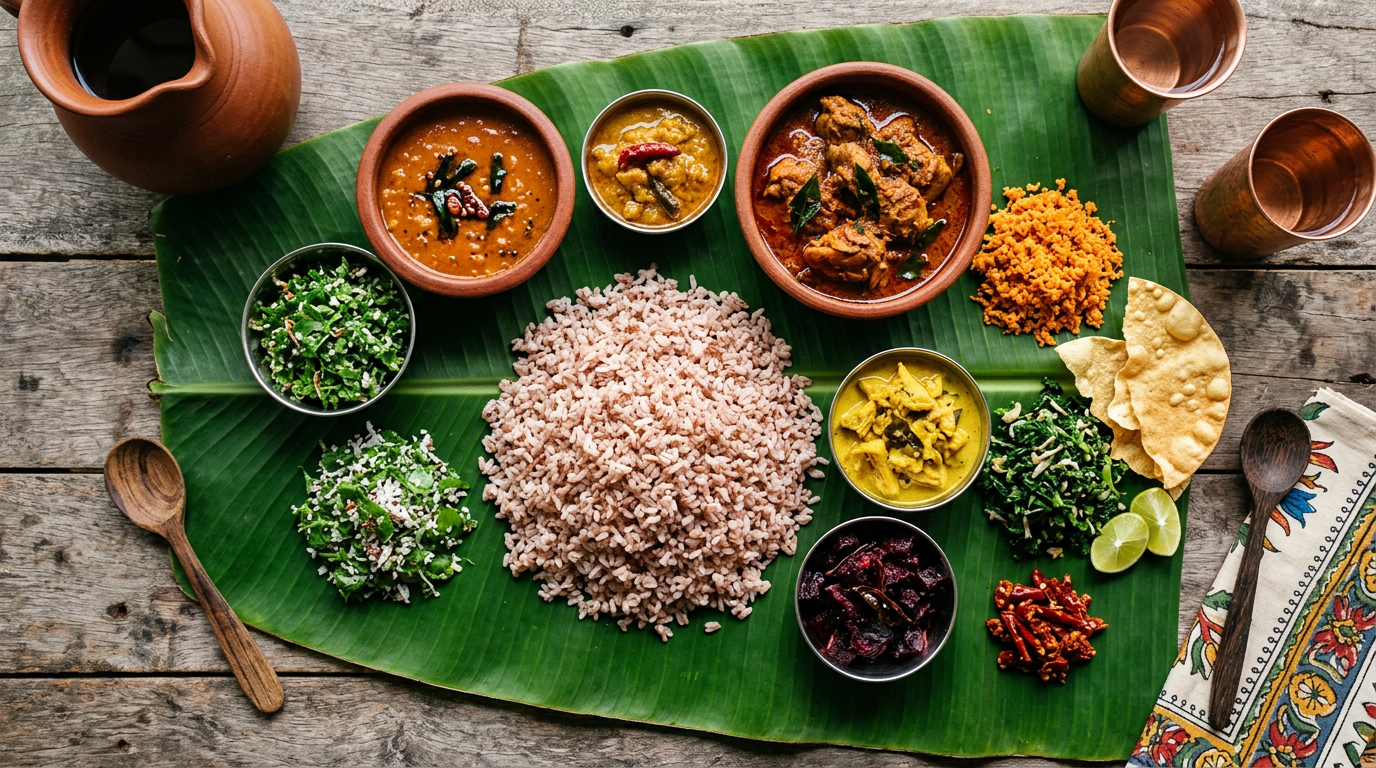
In Bengali culture, food is inseparable from art, literature, and celebration. A proper Bengali meal follows a specific course order: shukto (bitter) first, then dal, vegetables, fish, meat (if served), chutney, and sweets. This progression is considered essential to digestion and aesthetic satisfaction.
Durga Puja and other festivals bring elaborate feasting. Sweet-making is elevated to an art form — every neighborhood has its cherished mithai shop, and gifting sweets is central to Bengali hospitality and celebration.
Regional Variations
Known for refined fish curries, street food (phuchka, kathi rolls), and the legendary sweet shops of North Kolkata.
Bolder, sometimes more chili-forward preparations, with shutki (dried fish) and distinct rice varieties.
River fish specialties, ilish preparations, and coconut-based sweets.
Distinct dishes like sador maas (dried meat) and influences from Himalayan and Assamese cooking.
Core Ingredients
The soul of Bengali cooking — mustard oil for frying, ground paste for fish curries, and seeds in tempering.
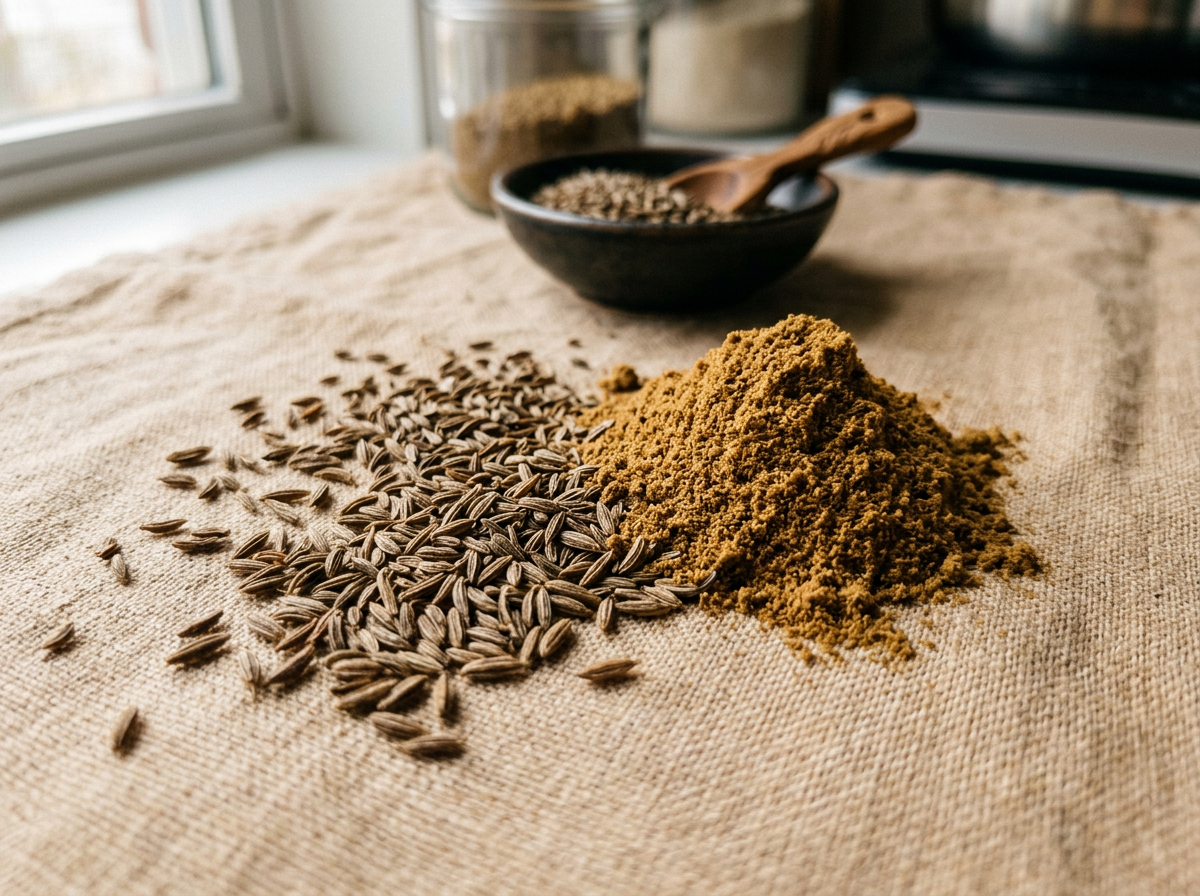
The Bengali five-spice: fenugreek, nigella, cumin, mustard, and fennel seeds — tempered whole in hot oil.
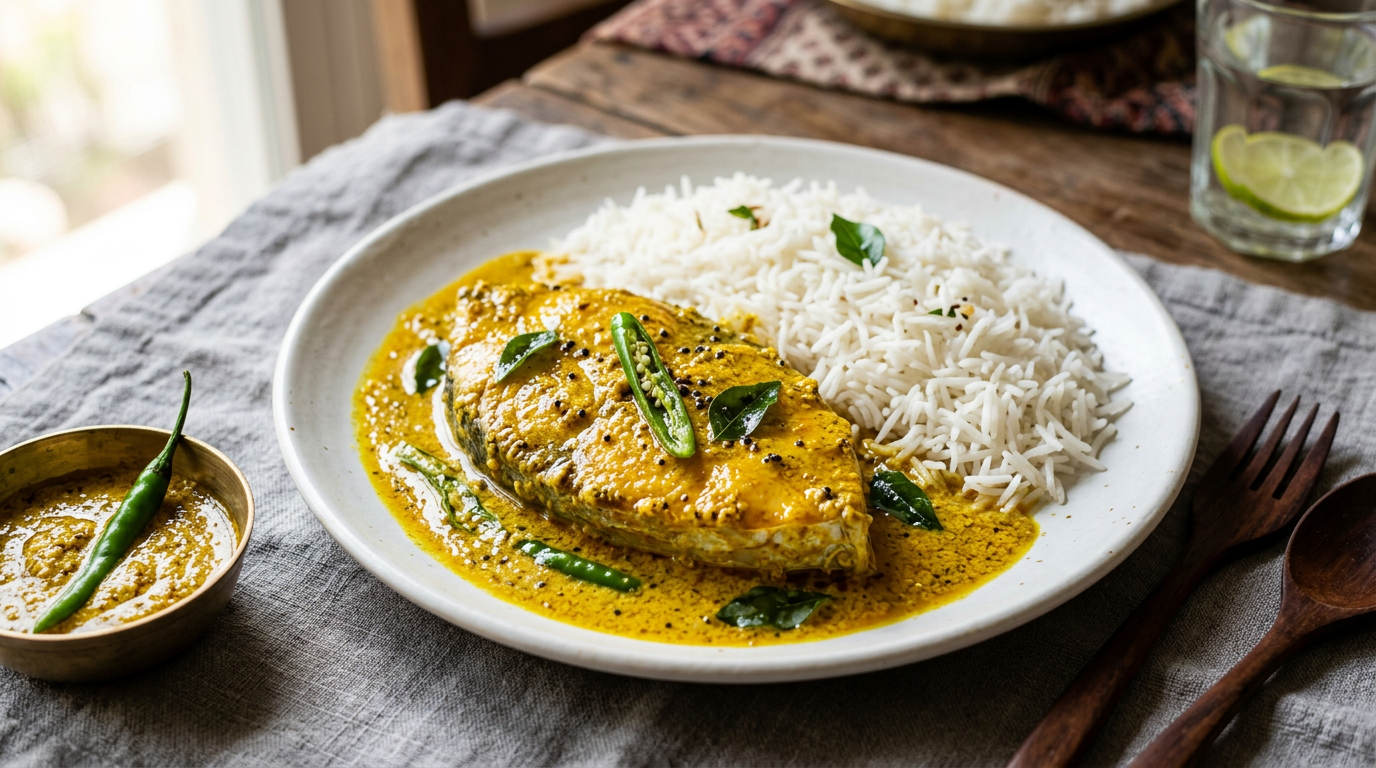
The king of Bengali fish, revered and prepared in dozens of ways — most iconically in mustard sauce.
Ground into paste for curries and fritters — a distinctive Bengali ingredient.
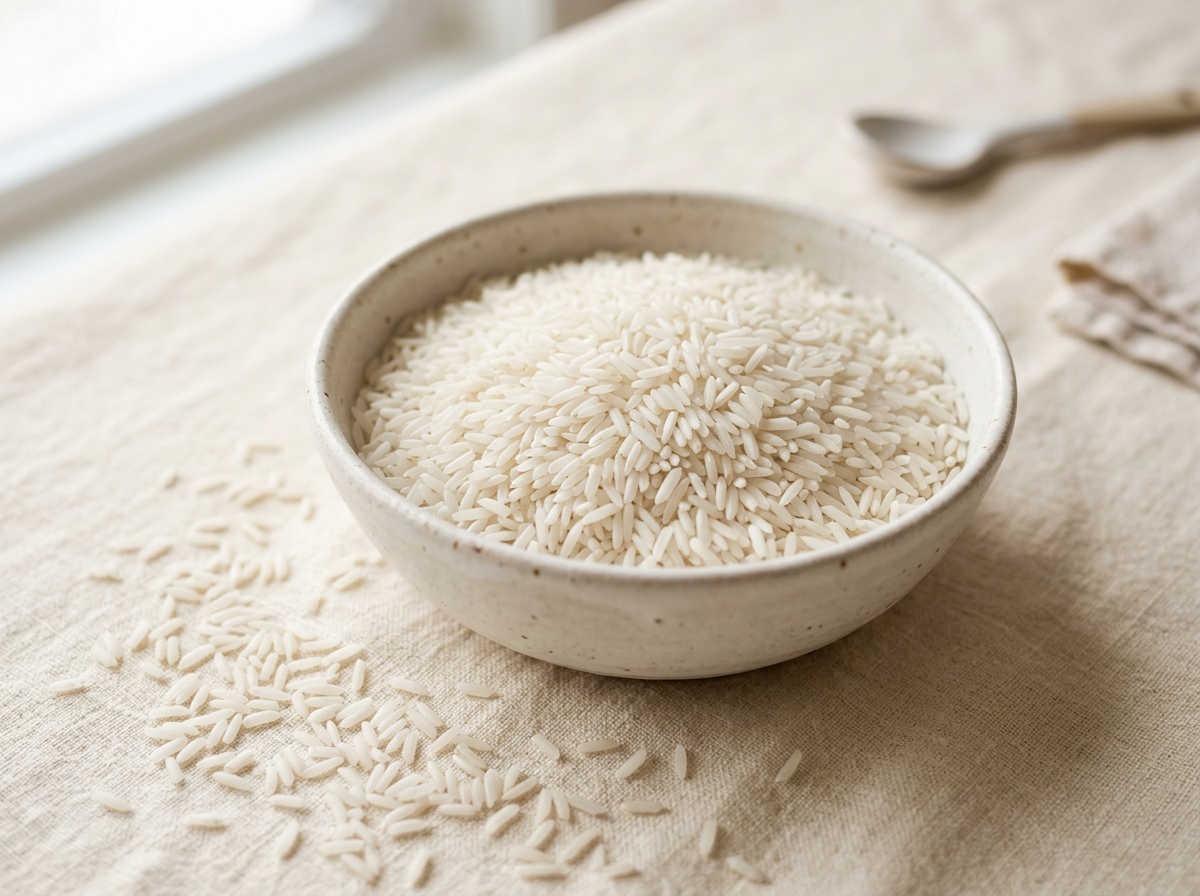
Multiple varieties for different meals — gobindobhog for festive occasions, miniket for everyday.
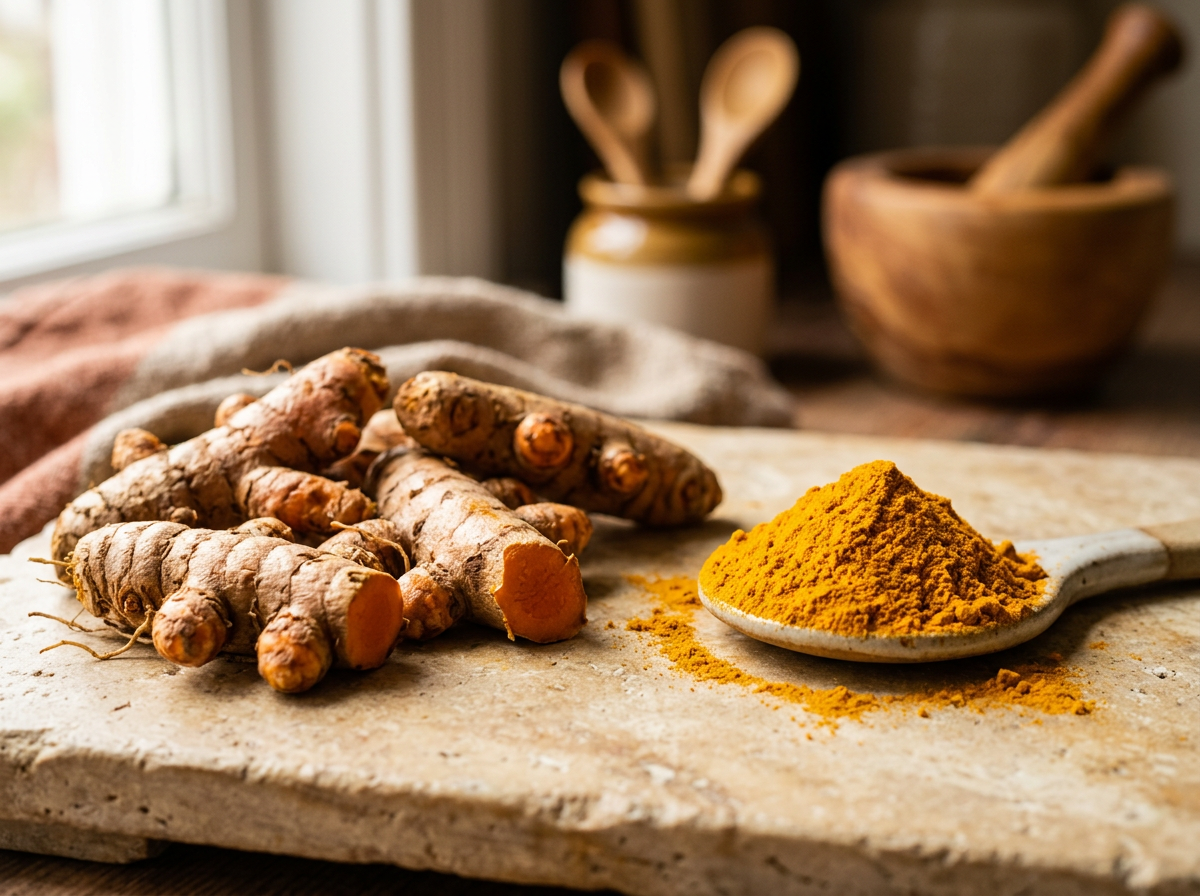
Fresh green chilies for gentle heat; turmeric for color and earthiness in virtually every dish.
Signature Techniques
The five whole spices are crackled in hot mustard oil to start a dish — the aromatic signature of Bengali cooking.
Fish is coated in ground mustard, turmeric, and green chili paste before steaming or simmering.
Vegetables and fish are lightly coated in turmeric and fried until golden — an everyday technique.
Dishes are served in a deliberate order from bitter to sweet, each course designed to complement the next.
Signature Dishes
Hilsa fish steamed in a pungent mustard-green chili paste — the quintessential Bengali delicacy.
A light, turmeric-golden fish curry with potatoes and nigella seeds — everyday comfort.
Puffy deep-fried bread with slow-cooked Bengal gram dal — a festive breakfast favorite.
Sweet, caramelized yogurt set in earthen pots — Bengal's beloved dessert.
Soft, spongy cheese balls soaked in sugar syrup — a Bengali sweet known worldwide.
Bengali Recipes to Cook
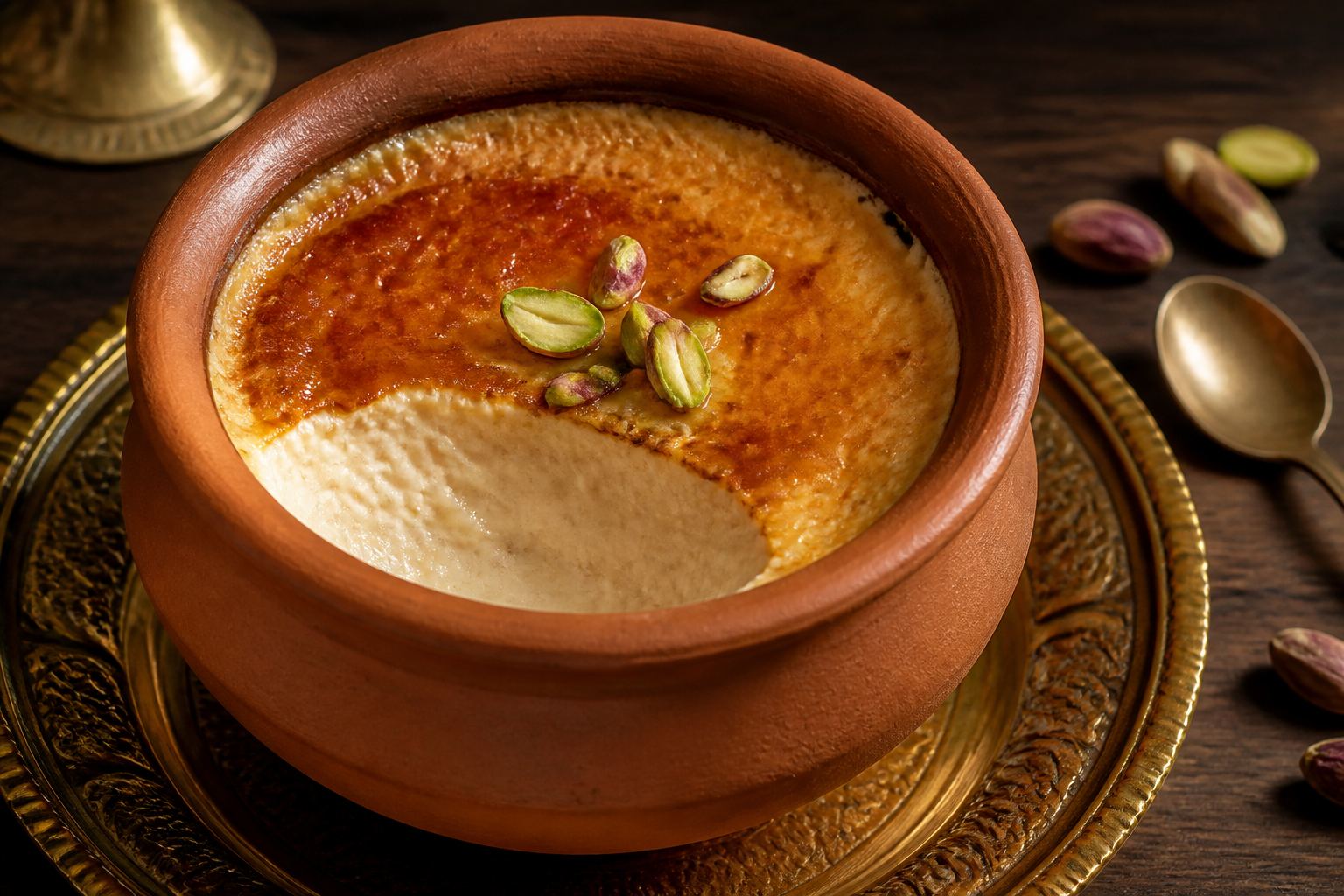
Bengali Mishti Doi
A classic Bengali sweet yogurt dessert of thickened milk sweetened with caramelised jaggery and set until softly firm, offering a gentle caramel note and creamy tang.
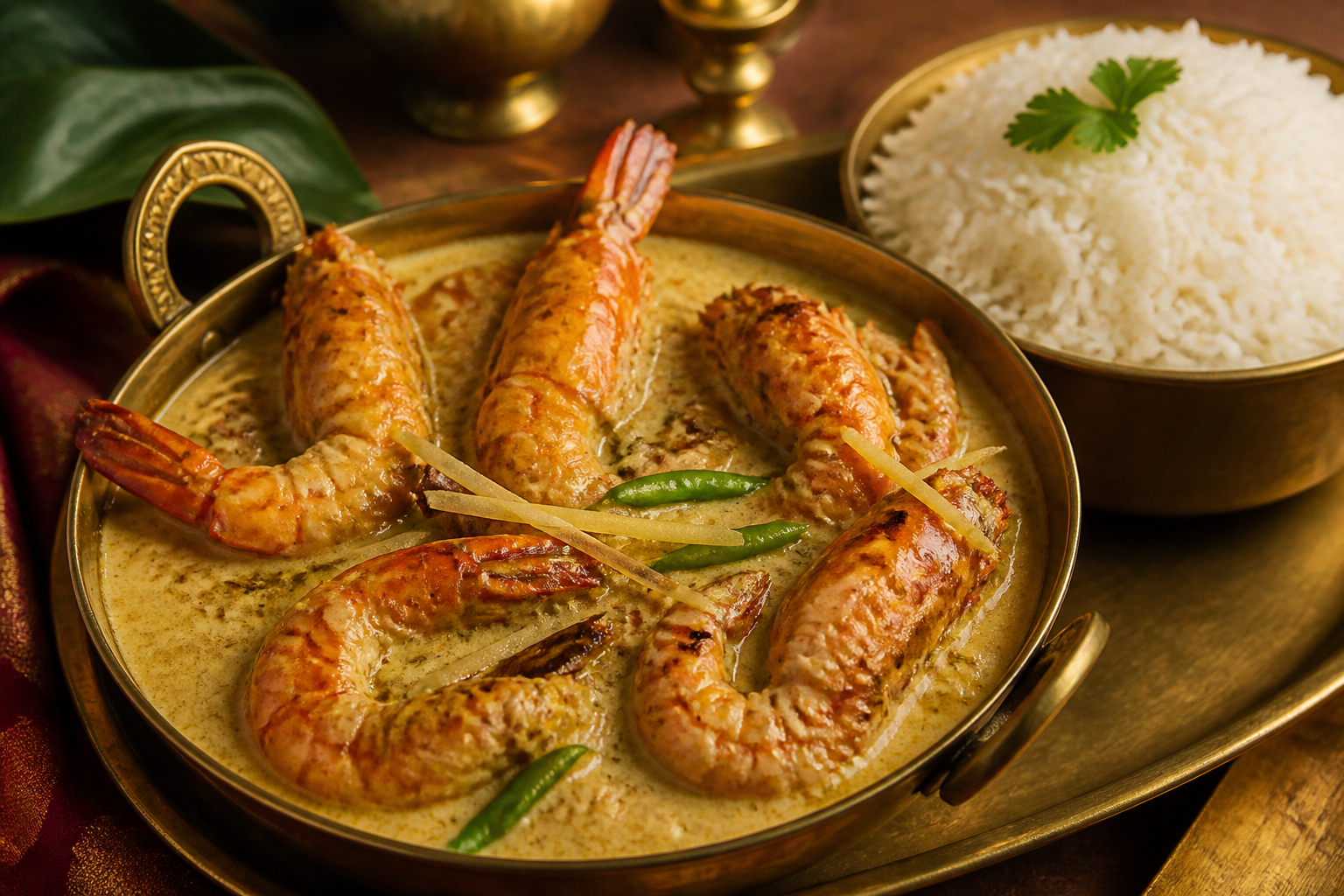
Bengali Chingri Malai Curry
An elegant Bengali prawn curry simmered in sweet coconut milk with warm spices and a hint of green chili, rich and aromatic, reserved for special occasions.
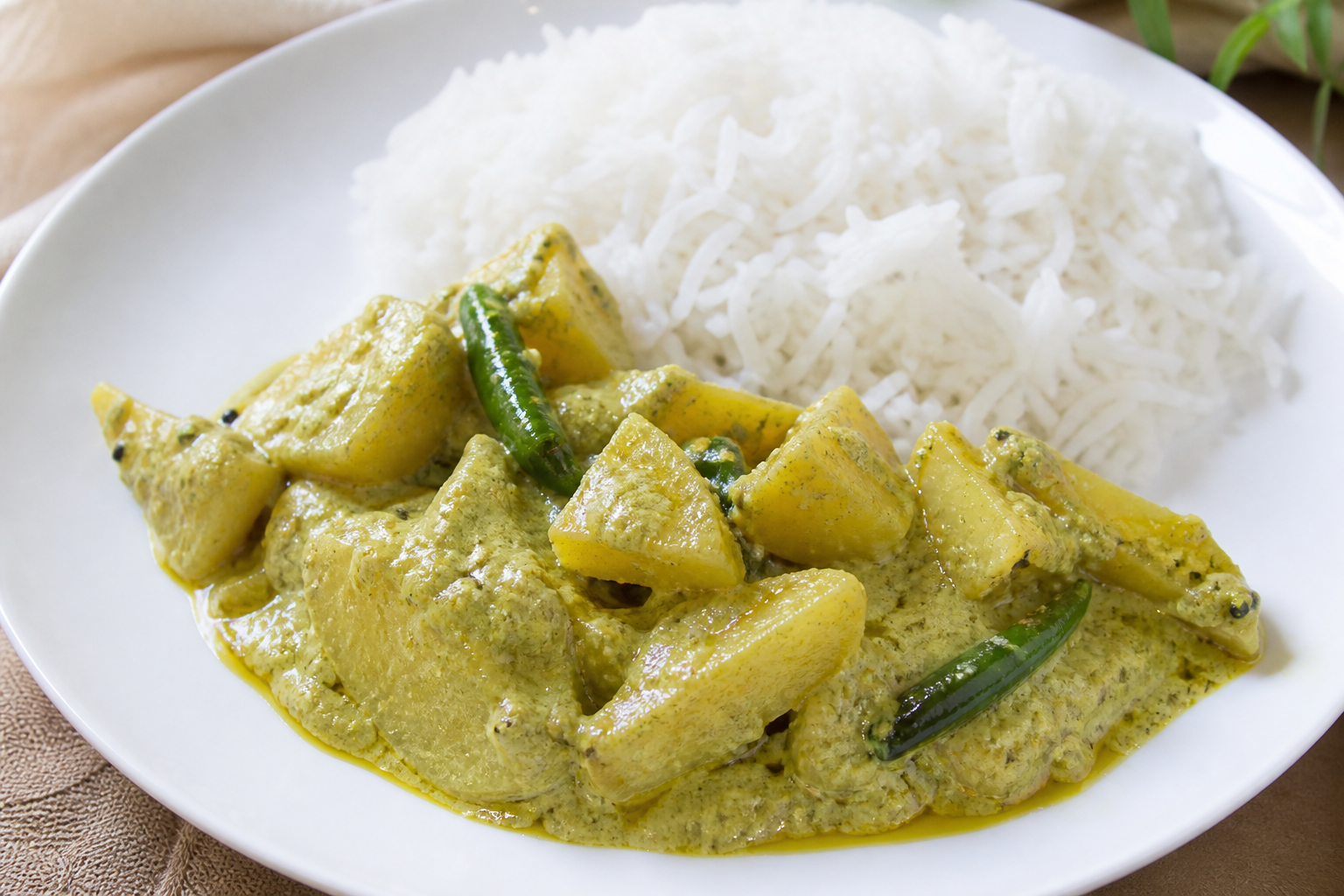
Bengali Aloo Posto
A humble, beloved Bengali vegetarian dish of potatoes cooked in a creamy poppy seed paste with green chili and mustard oil, subtly nutty and deeply comforting.
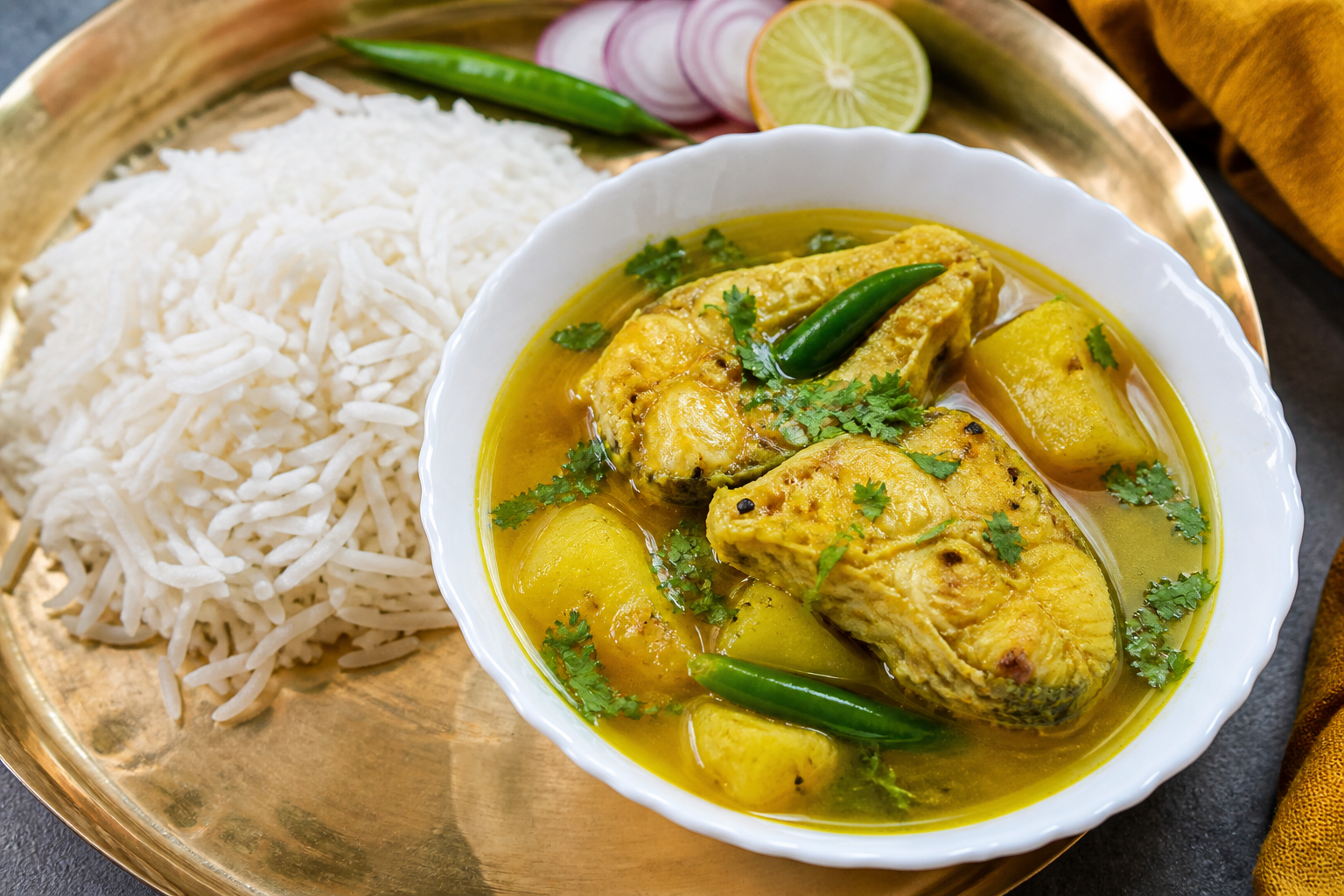
Bengali Macher Jhol
A light, soupy Bengali fish curry of pan-fried fish simmered in a turmeric-and-cumin broth with potatoes and tomato, delicately spiced and traditionally served with steamed rice.
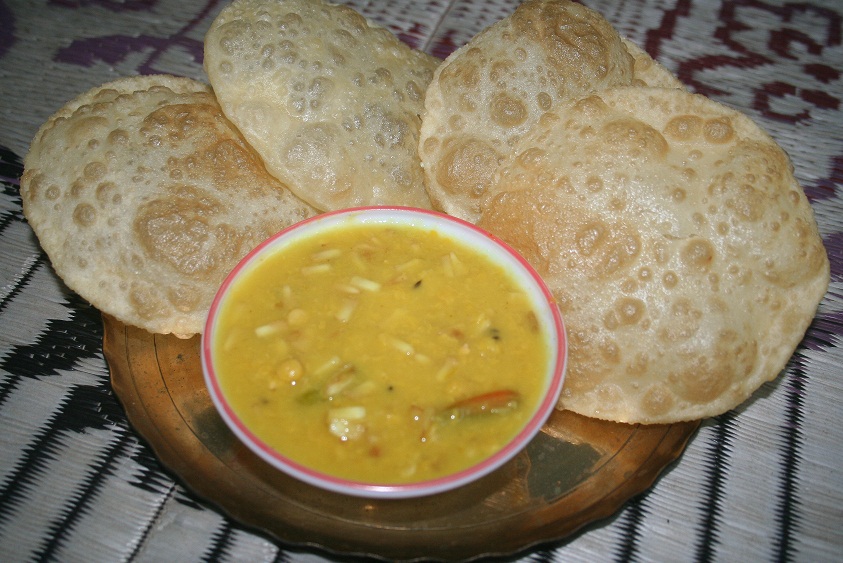
Bengali Cholar Dal
A lightly sweet Bengali split chana dal tempered with cumin, bay, and coconut — festive yet everyday, vegetarian, and beautifully fragrant.
Key Ingredients to Explore
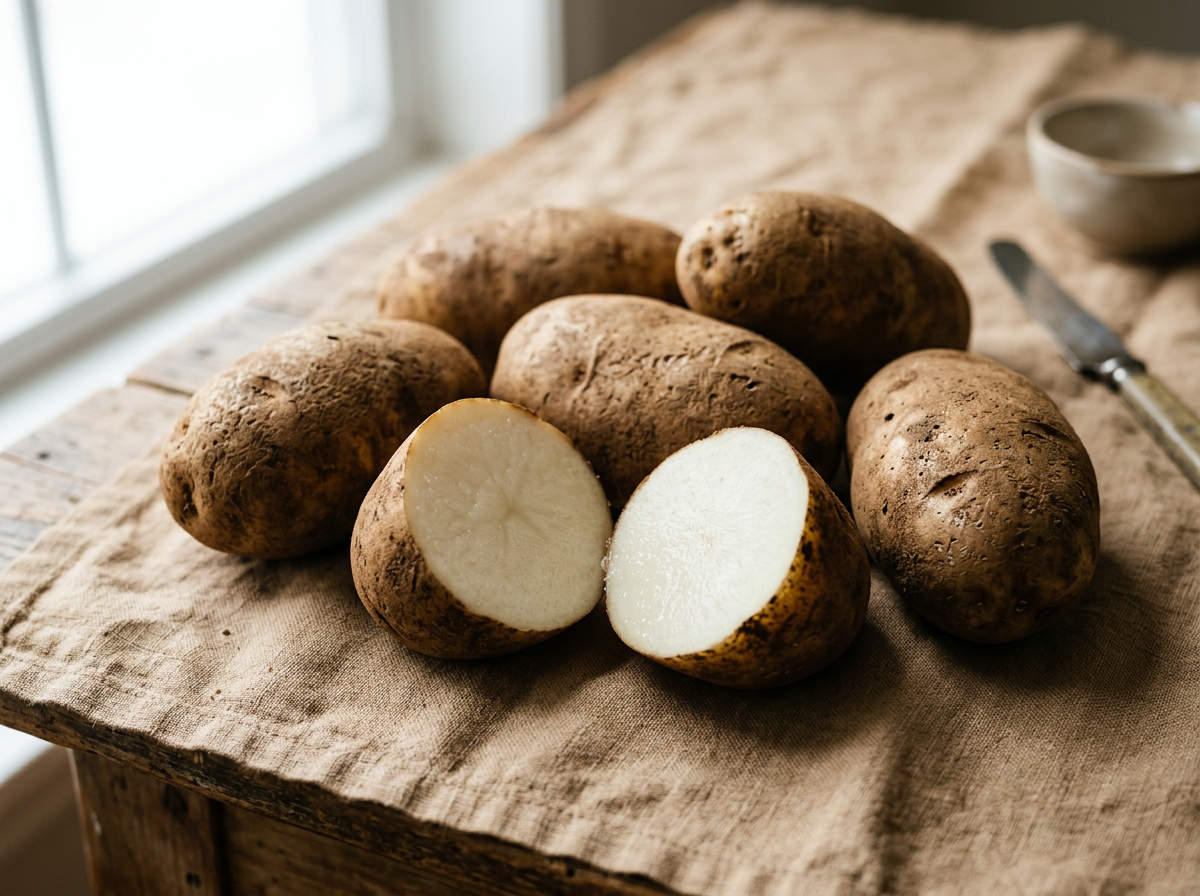
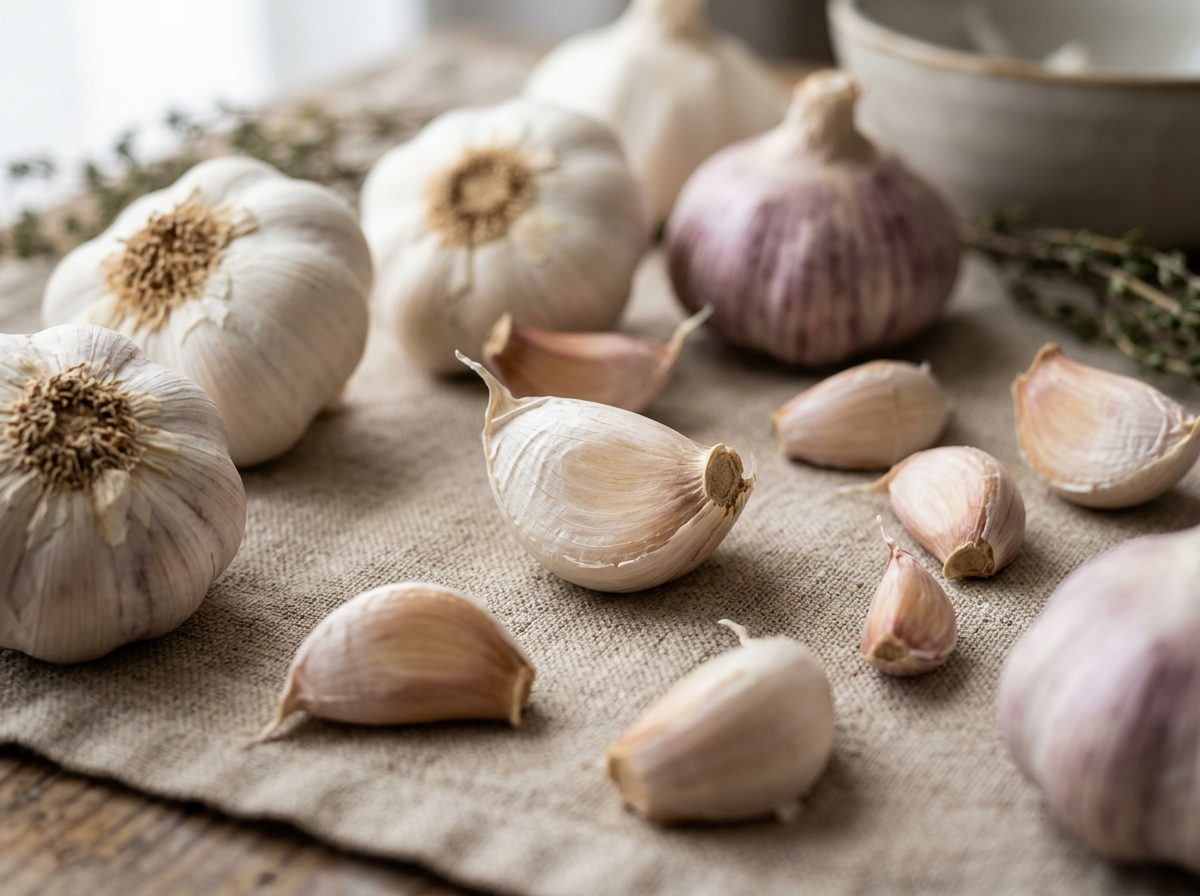
Cooking Guides You May Like
Exploring the Regional Cuisines of India
From rich North Indian curries to tangy South Indian dosas, India’s regional cuisines are strikingly different. Here is a guide to both.
Building Balanced Meals: A Simple Framework
You do not need to count anything to eat well. A simple visual framework does the work for you.
Understanding Cooking Methods: Dry Heat, Moist Heat, and More
Every cooking method changes texture and flavor in a specific way. Knowing which to choose is the key to cooking anything well.