Sri Lankan Cuisine
Vibrant, aromatic, and layered in spice — island curries like nowhere else.
Introduction
Sri Lankan cuisine is a dazzling, spice-layered island tradition that stands apart from its South Asian neighbors through its unique use of dark-roasted curry powders, pandan leaves, goraka (garcinia), and the generous application of coconut in every form — milk, oil, flakes, and toddy. The result is a cuisine of remarkable aromatic depth, where every meal is a symphony of textures and tastes.
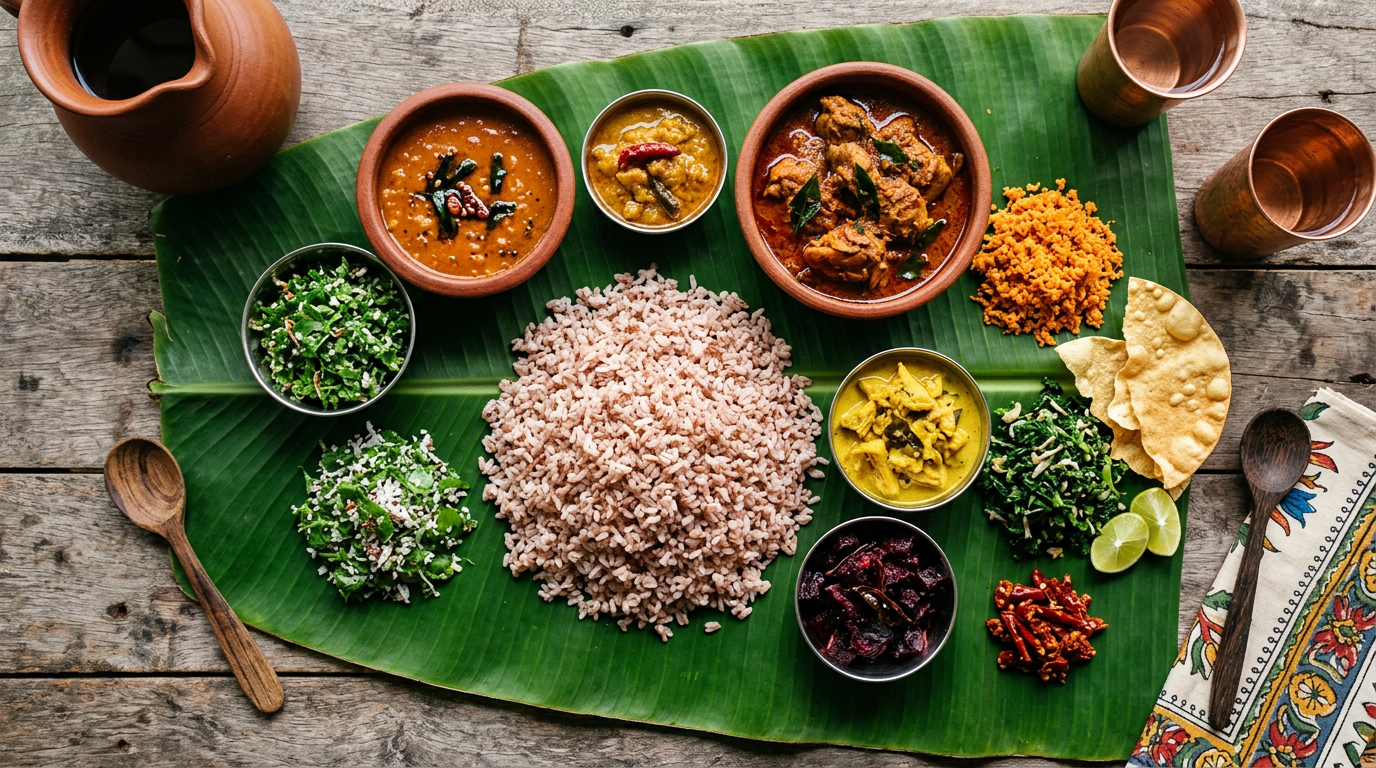
A typical Sri Lankan rice and curry spread is not a single dish but a feast: a mound of red or white rice surrounded by multiple curries, sambols, pickles, and papadam. The island's street-food culture — hoppers, kottu roti, and egg rotis — is equally vibrant and addictive.
History
Sri Lanka's culinary heritage reflects its position on the ancient spice route. Arab, Portuguese, Dutch, and British traders and colonizers left their mark, but the foundation remains Sinhalese and Tamil cooking traditions stretching back millennia. The island was famed in antiquity for cinnamon, and its spice gardens continue to produce some of the world's finest cinnamon, pepper, cloves, and cardamom.
Portuguese colonizers introduced chili peppers, which transformed the cuisine's heat profile. Dutch and British influences contributed baking traditions (love cake, breudher) and plantation-era tea culture. Throughout, the island's Buddhist, Hindu, Muslim, and Christian communities maintained distinct food traditions that enrich the national table.
Cultural Context
Sri Lankan meals follow a generous, multi-dish format. Lunch — the main meal — typically features rice with five to eight accompanying curries, sambols, and pickles. Eating with the right hand is traditional; the warmth of the hand is said to enhance the flavors.
Tea culture is central to daily life — Sri Lanka (formerly Ceylon) produces some of the world's finest teas, and a cup of strong, milky tea punctuates every part of the day. Short eats (cutlets, rolls, patties) from bakeries are a beloved snack tradition.
Regional Variations
Coconut-rich curries, dark-roasted curry powder, and elaborate rice-and-curry spreads.
Distinctive curry styles, heavy on black pepper and tamarind, plus unique preparations like Jaffna crab curry.
Kandyan cuisine features unique specialties and the influence of cooler-climate produce.
Seafood-forward cooking: fish curries, prawn preparations, and dishes using umbalakada (Maldive fish).
Core Ingredients
The defining ingredient — fresh coconut enriches curries, sambols, and rice dishes in every form.
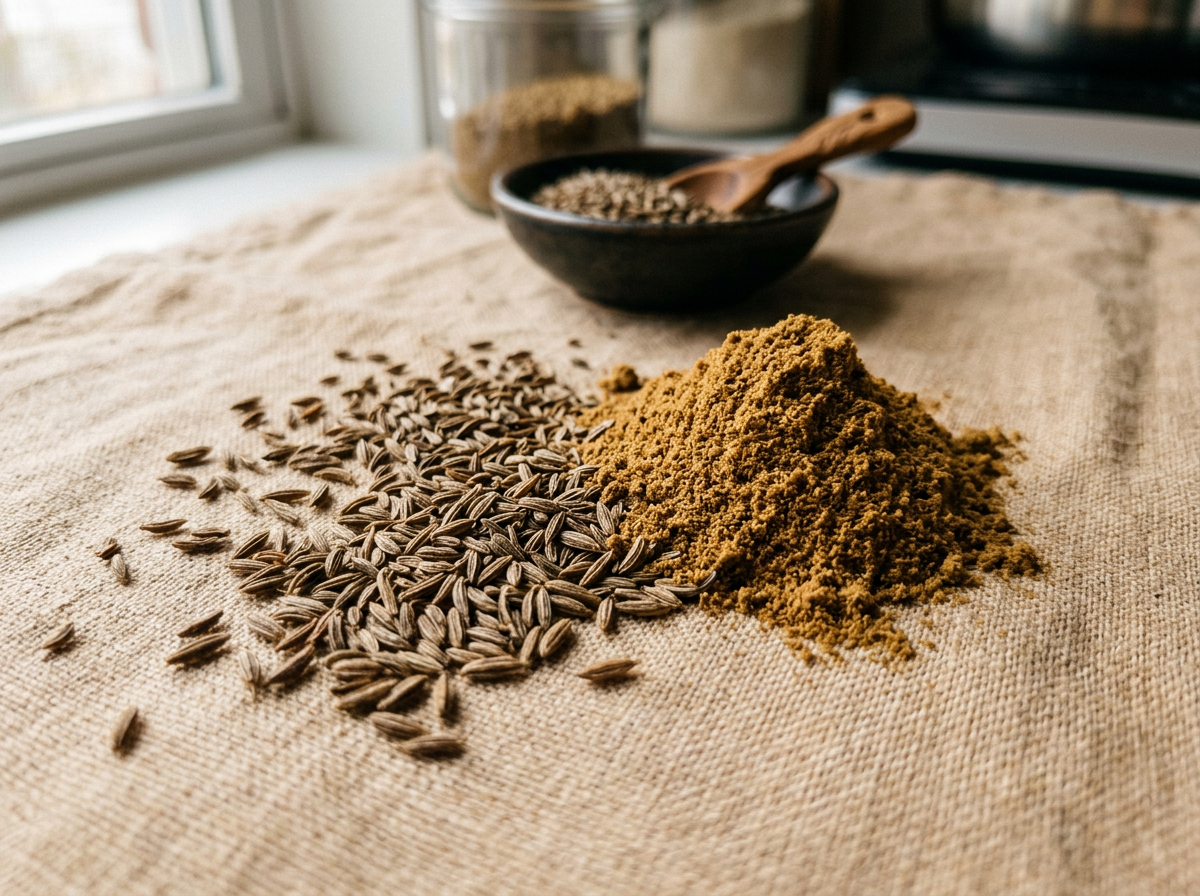
Sri Lanka's signature spice blend: coriander, cumin, fennel, and other spices roasted until nearly black.
Added to curries and rice for a subtle, sweet-grassy fragrance unique to Sri Lankan cooking.
Tempered in oil at the start of cooking, providing a distinctive, aromatic foundation.
A dried fruit that adds tangy, sour depth to fish curries — uniquely Sri Lankan.
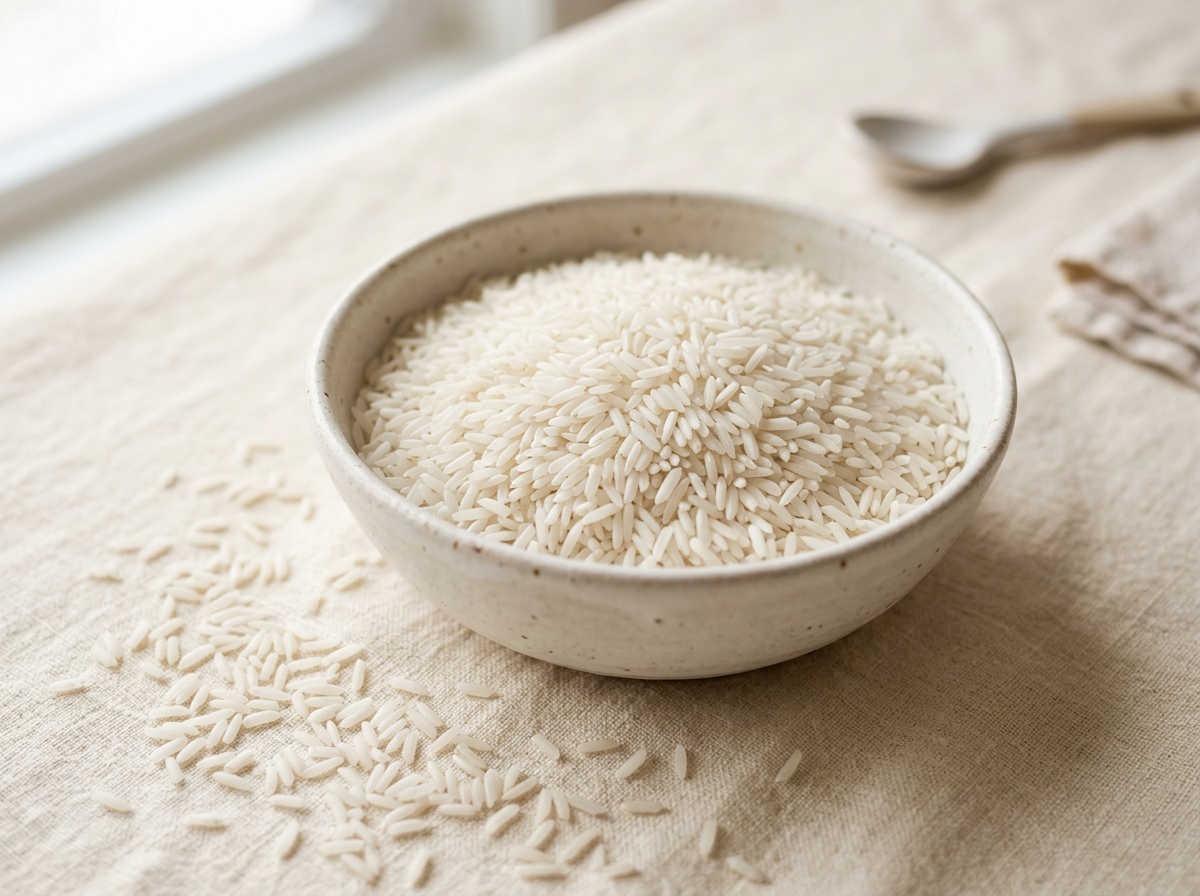
Partially milled, nutty rice that is the traditional everyday staple.
Signature Techniques
Whole spices are dry-roasted until very dark, then ground — creating the deep, complex flavor unique to Sri Lankan curry.
Mustard seeds, curry leaves, and dried chilies are crackled in hot oil to finish curries and sambols.
A fermented rice-flour batter is swirled in a small wok to create crisp, bowl-shaped pancakes.
Fresh coconut is grated and squeezed for thick first-press milk and thinner second-press milk, used at different stages of cooking.
Signature Dishes
A multi-dish feast: rice with multiple curries, sambol, pickle, and papadam — the daily Sri Lankan meal.
Crisp, bowl-shaped fermented rice-flour pancakes — plain, egg, or string — eaten for breakfast or dinner.
Chopped roti stir-fried on a hot griddle with vegetables, egg, and meat — a street-food sensation.
Freshly scraped coconut mixed with chili, lime, onion, and Maldive fish — the essential condiment.
Dry fish curry cooked with goraka — tangy, dark, and intensely flavored.
Sri Lankan Recipes to Cook
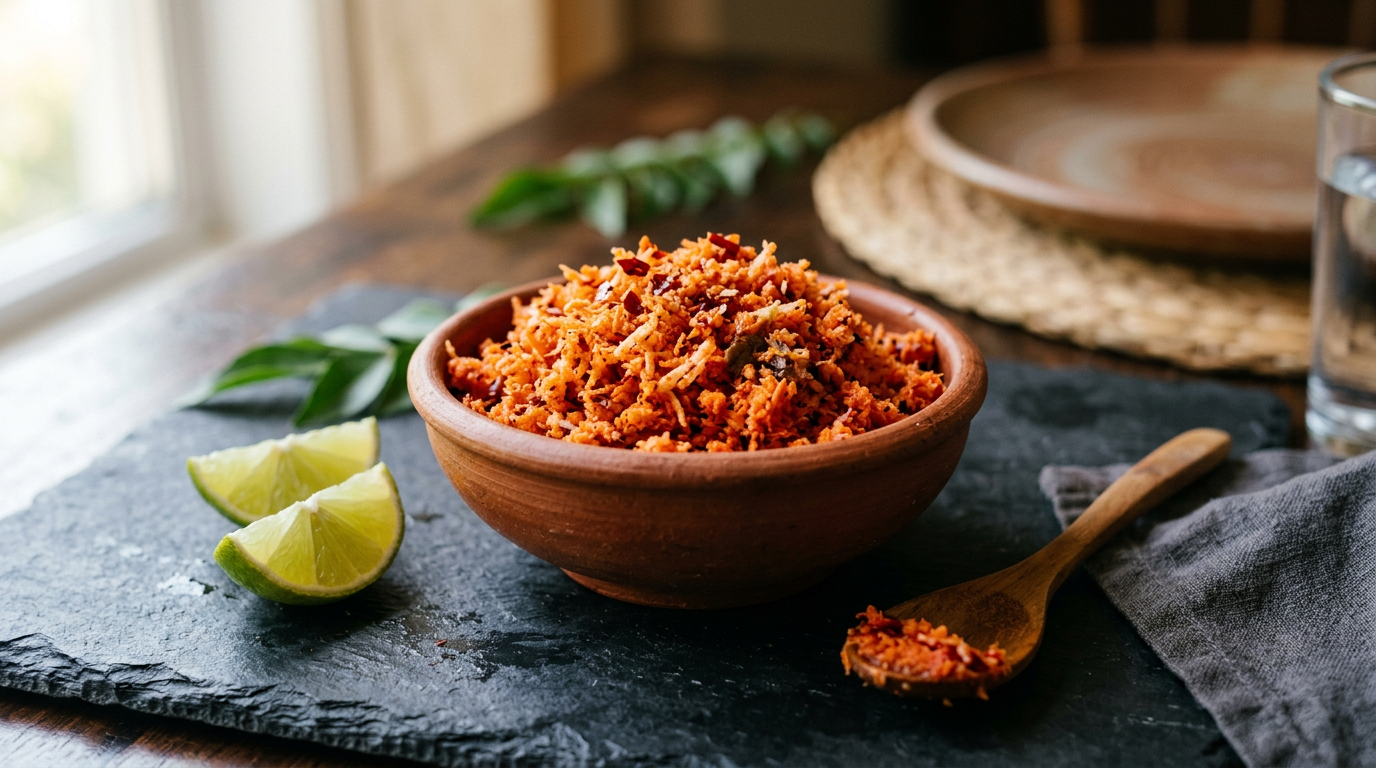
Sri Lankan Pol Sambol (Coconut Relish)
A fiery, fresh Sri Lankan coconut relish pounded with red chili, lime, and Maldive fish (optional) — the vibrant, five-minute condiment that livens up rice, hoppers, and bread.

Sri Lankan Kottu Roti
Sri Lanka's beloved street food — shredded godamba roti stir-fried with vegetables, egg, and fragrant curry spices to a rhythmic chop-chop on the griddle. Fast, savory, and endlessly adaptable.
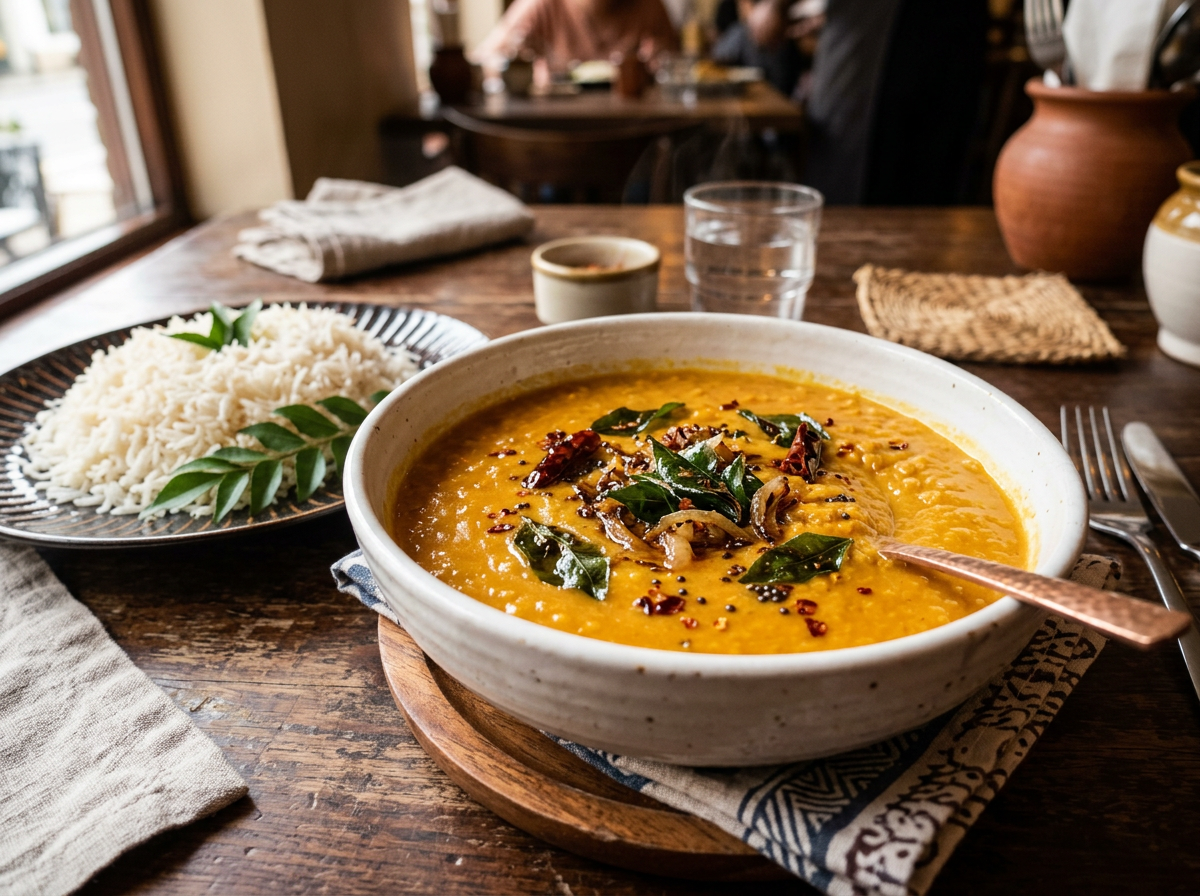
Sri Lankan Dhal Curry (Parippu)
Creamy red lentils simmered in coconut milk with turmeric, curry leaves, and a fragrant tempering — Sri Lanka's everyday comfort curry, vegan and ready in half an hour.
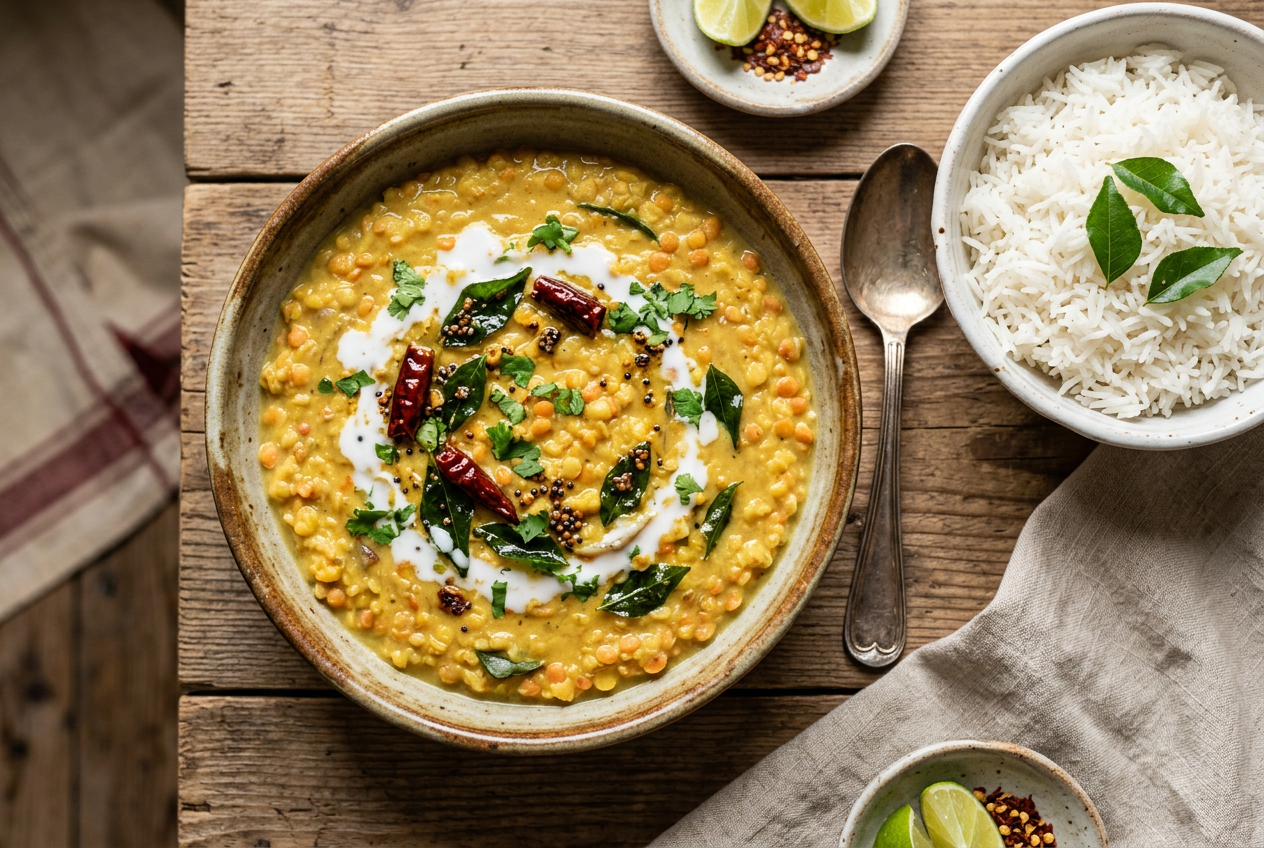
Sri Lankan Coconut Dhal
Red lentils simmered in a fragrant coconut milk broth with curry leaves, turmeric, and a sizzling tempered spice finish — a creamy, affordable staple that pairs perfectly with rice.
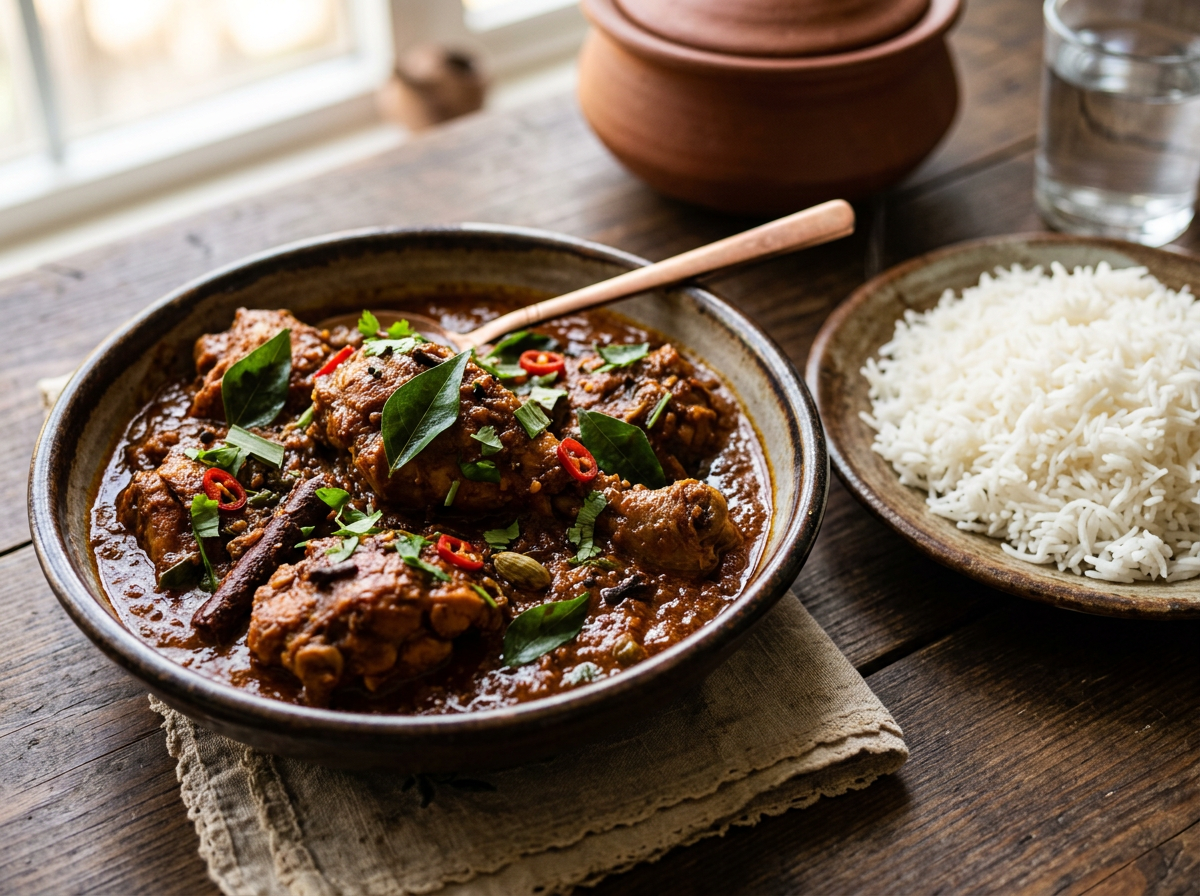
Sri Lankan Chicken Curry
A deeply aromatic island curry built on dark-roasted Sri Lankan curry powder, coconut milk, pandan, and curry leaves. Warmly spiced rather than fiery, with a rich mahogany sauce made for spooning over rice.
Key Ingredients to Explore

Cooking Guides You May Like
Exploring the Regional Cuisines of India
From rich North Indian curries to tangy South Indian dosas, India’s regional cuisines are strikingly different. Here is a guide to both.
A Guide to Southeast Asian Flavors
Southeast Asian cooking thrives on balance — salty, sour, sweet, and hot in every bite. Here is how those flavors come together.
Understanding Cooking Methods: Dry Heat, Moist Heat, and More
Every cooking method changes texture and flavor in a specific way. Knowing which to choose is the key to cooking anything well.