Pakistani Cuisine
Bold, aromatic, and generously spiced — the warmth of the karahi and the tandoor.
Introduction
Pakistani cuisine is a celebration of bold, aromatic flavors — deeply spiced curries, wok-seared karahi, fragrant biryanis, and the smoky char of tandoor-cooked meats. Rooted in the culinary traditions of the Indus Valley and refined over centuries of Mughal, Central Asian, and regional influence, Pakistani cooking is generous, warm, and unapologetically rich.
From the bustling food streets of Lahore, where nihari and paye simmer through the night, to the kebab culture of Peshawar and the coastal seafood of Karachi, Pakistani food is as diverse as the country itself — united by a love of full-flavored, slow-built dishes shared communally.
History
Pakistani cuisine draws from the ancient culinary traditions of the Indus Valley, layered with Mughal court cooking, Central Asian grilling techniques, Persian refinement, and the rich regional traditions of Punjab, Sindh, Khyber Pakhtunkhwa, and Balochistan. The Mughal era elevated rice dishes, kebabs, and slow-cooked stews to high art.
After Partition in 1947, the migration of communities across the new border enriched cities like Karachi and Lahore with diverse regional flavors. Today, Pakistani cuisine is a living tradition that honors its historical depth while evolving through street-food innovation and home-kitchen creativity.
Cultural Context
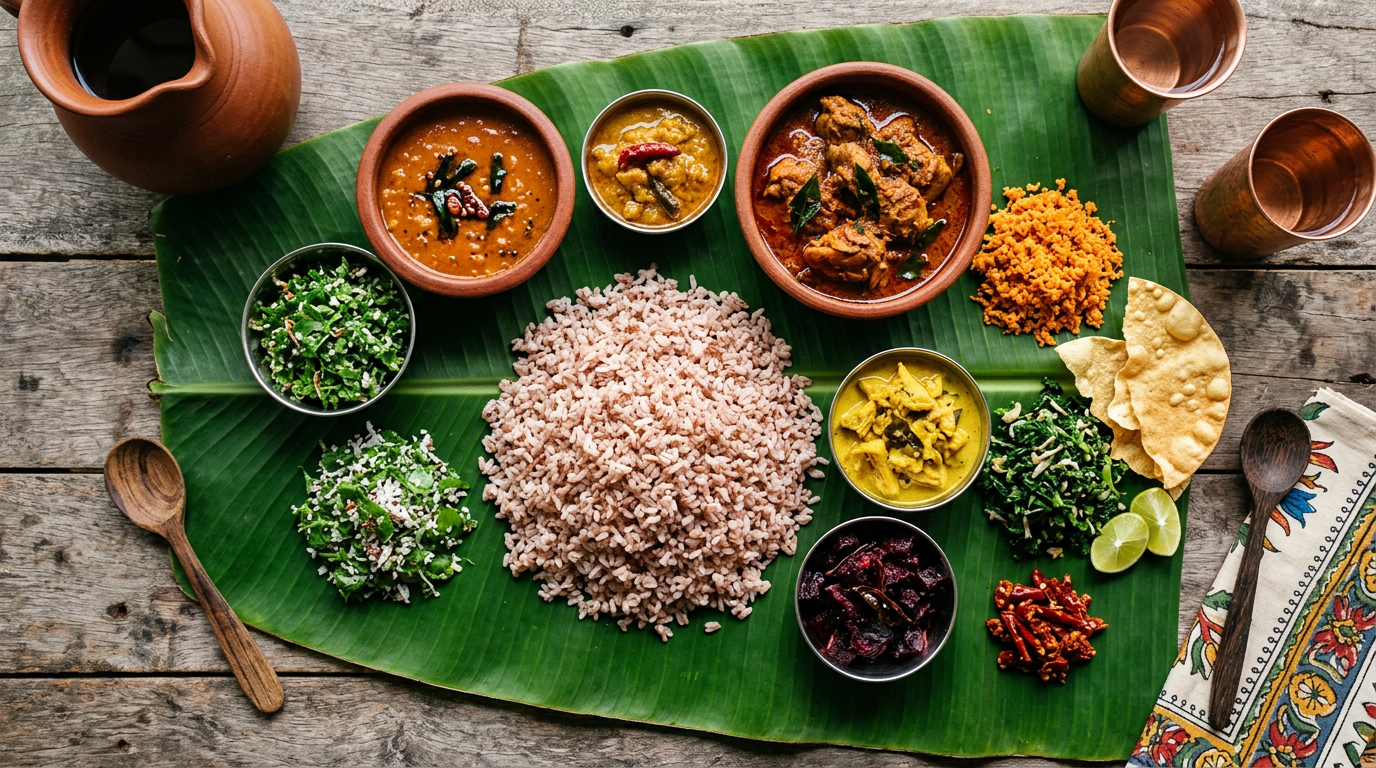
Hospitality is paramount in Pakistani culture — guests are served generously and refusing food is considered impolite. Meals are communal, typically served on a dastarkhwan (cloth spread) with naan, rice, multiple curries, and chutneys.
Ramadan transforms the food landscape: iftar spreads feature fruit chaat, samosas, pakoras, and rich haleem. Eid celebrations bring biryani, sheer khurma, and elaborately spiced roast meats. Street-food culture thrives, particularly in Lahore's famous Food Street.
Regional Variations
Rich, butter-laden curries, tandoori meats, sarson ka saag, and Lahore's legendary food streets.
Known for Sindhi biryani, sai bhaji (spinach and lentil curry), and Karachi's coastal seafood.
Hearty, meat-centric Pashtun cooking — chapli kebab, Peshawari karahi, and simple grilled lamb.
Nomadic traditions with sajji (whole roasted lamb), kaak (bread), and simple, robust flavors.
Core Ingredients
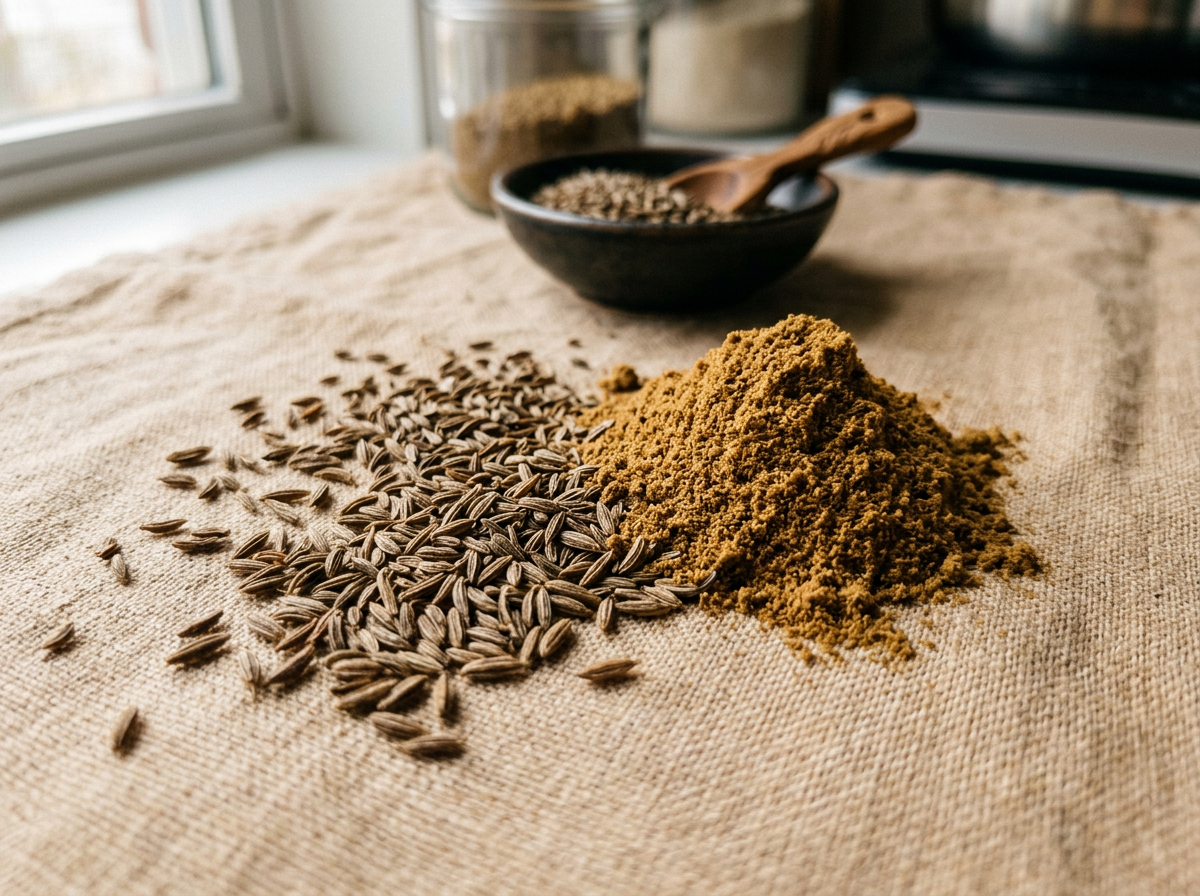
Cumin, coriander, cardamom, cinnamon, cloves, and black pepper — the aromatic backbone.
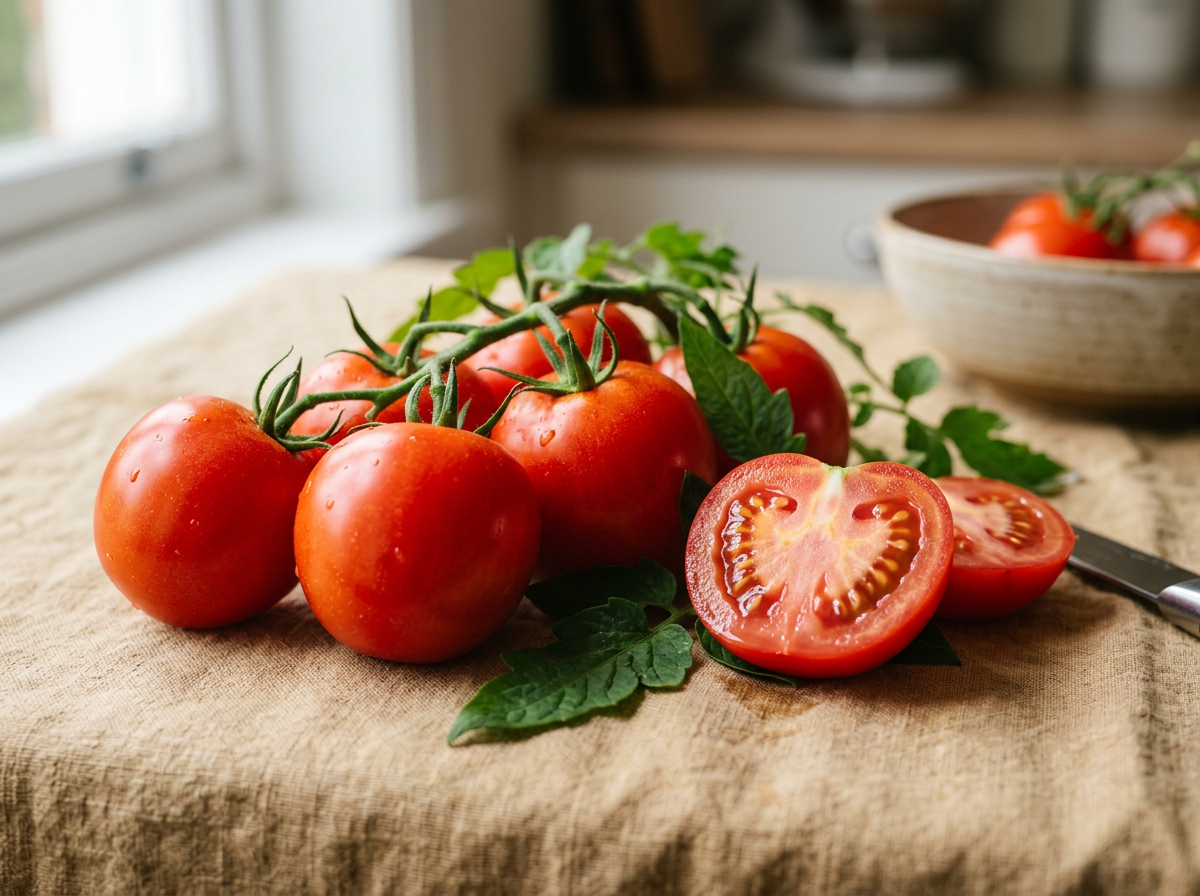
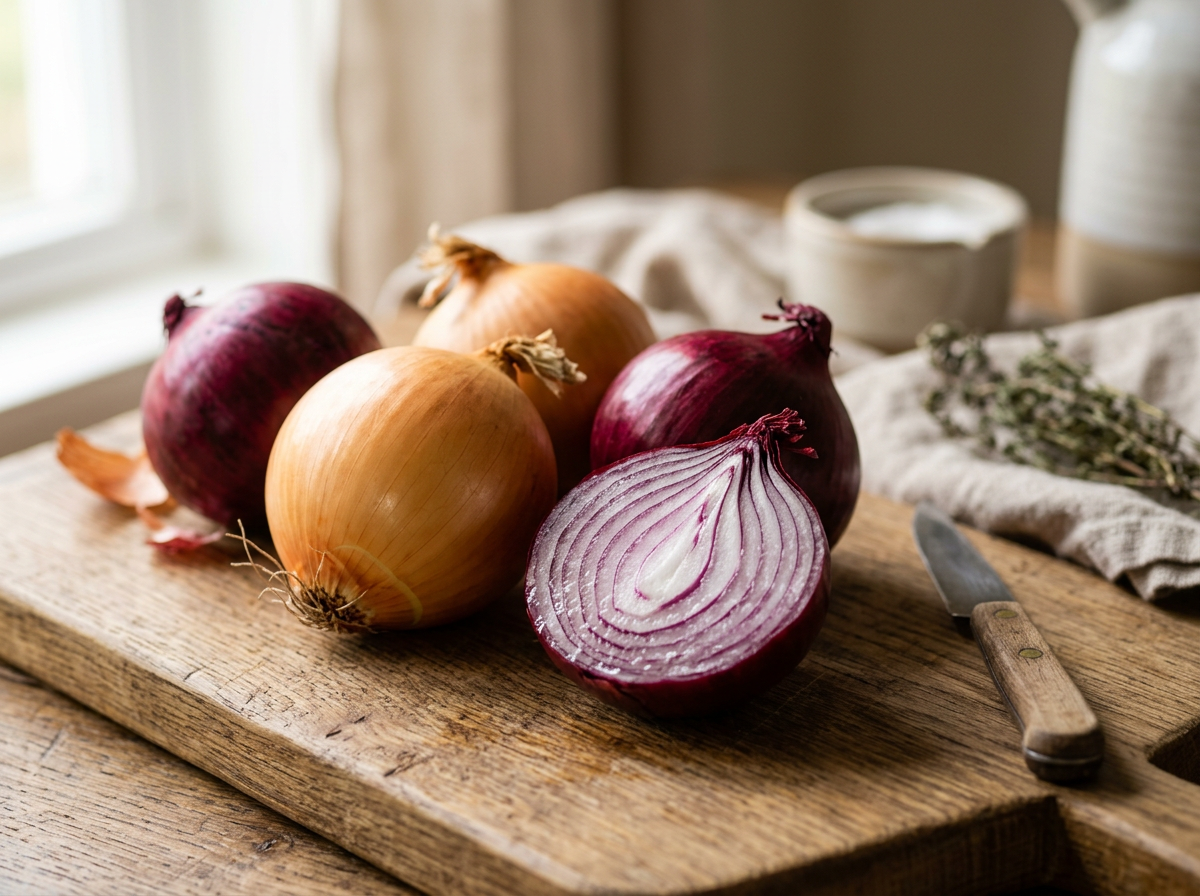
The salan (curry) base: onions browned until golden, tomatoes cooked until oil separates.
Used to marinate meats, enrich curries, and serve as cooling raita alongside spiced dishes.
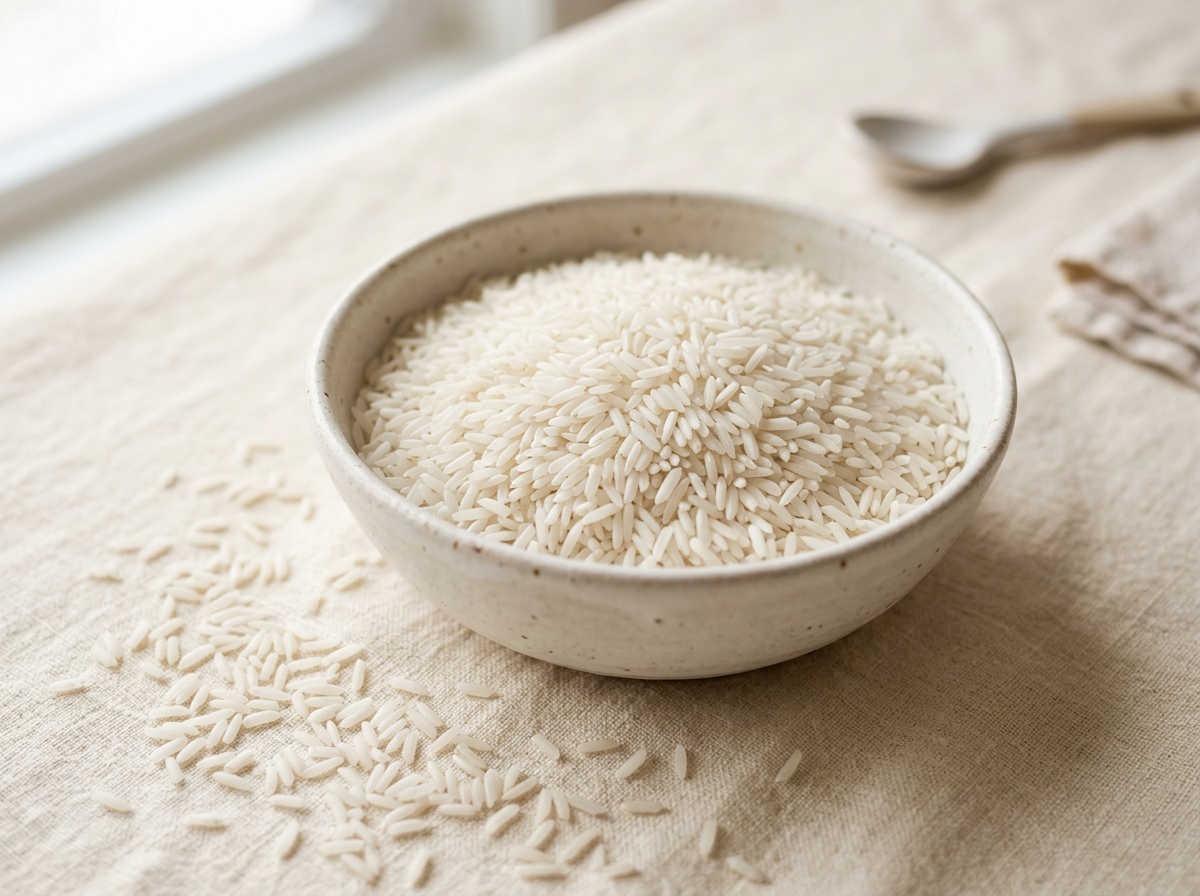
Long-grained, fragrant rice for biryani, pulao, and everyday meals.
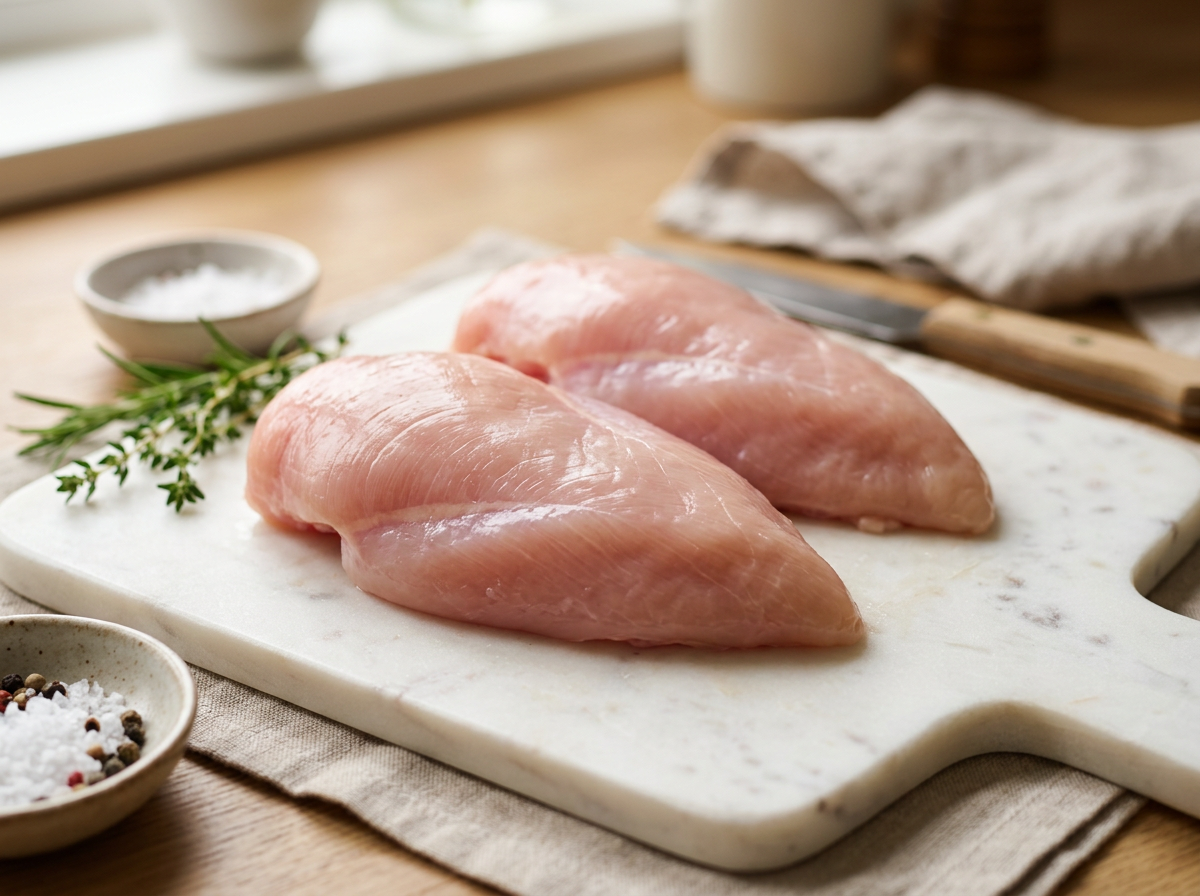
The primary proteins — cooked in karahi, simmered in curries, or grilled as kebabs.
Cooking fats that contribute richness and distinctive regional character.
Signature Techniques
Meat is wok-seared at high heat with tomatoes, green chilies, and ginger in a thick iron karahi (wok).
Biryani and slow-cooked dishes are sealed with dough and steamed gently over low heat.
Naan, kebabs, and whole meats are cooked in a cylindrical clay oven at extreme heat.
Spices and tomato-onion paste are fried until oil separates — the sign of a properly cooked curry base.
Signature Dishes
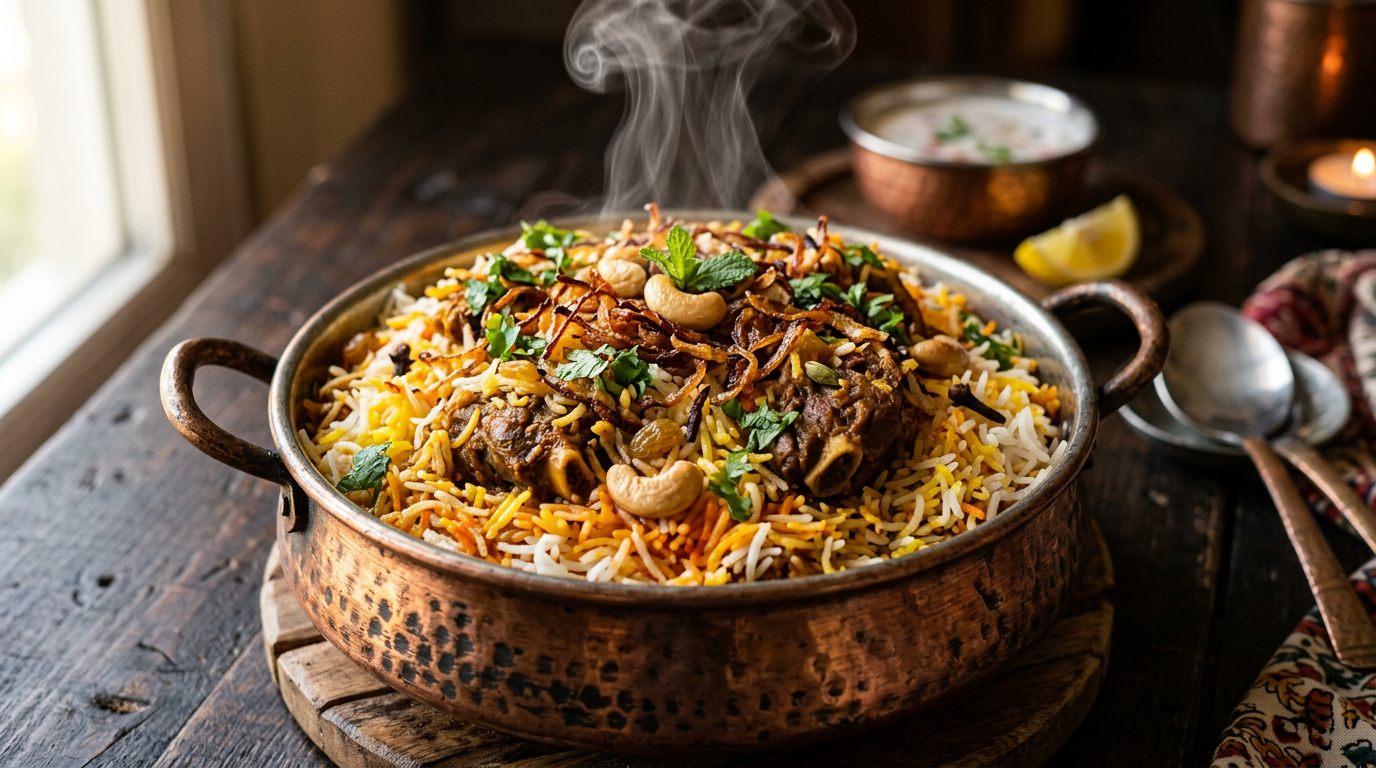
Fragrant layered rice and spiced meat, slow-steamed under a sealed lid — Pakistan's celebration dish.
Overnight slow-cooked beef or lamb shank stew, rich with bone marrow and spices — a Lahore breakfast icon.
Minced spiced meat pressed onto skewers and grilled over charcoal.
Wok-cooked chicken or mutton with tomatoes, green chilies, and fresh ginger — served sizzling.
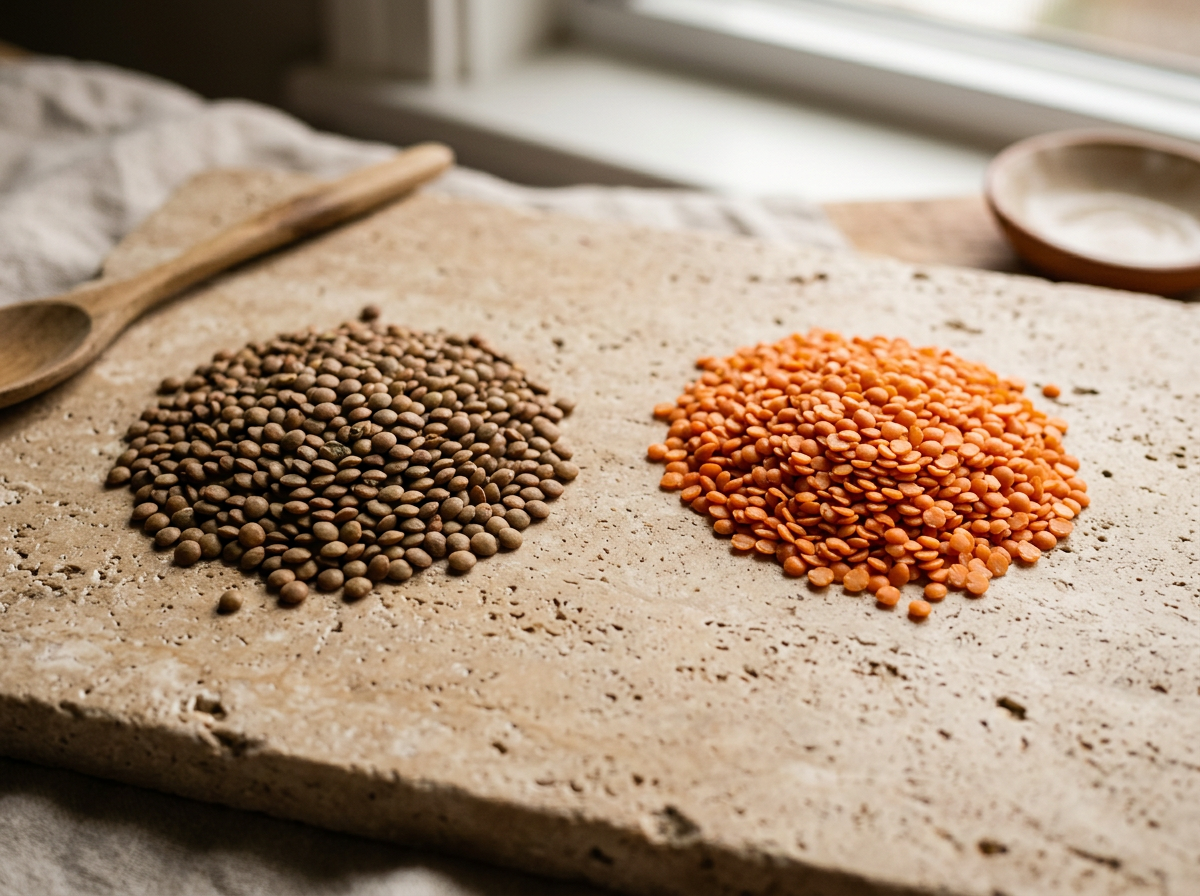
A slow-cooked porridge of wheat, lentils, and shredded meat — rich, thick, and deeply comforting.
Pakistani Recipes to Cook
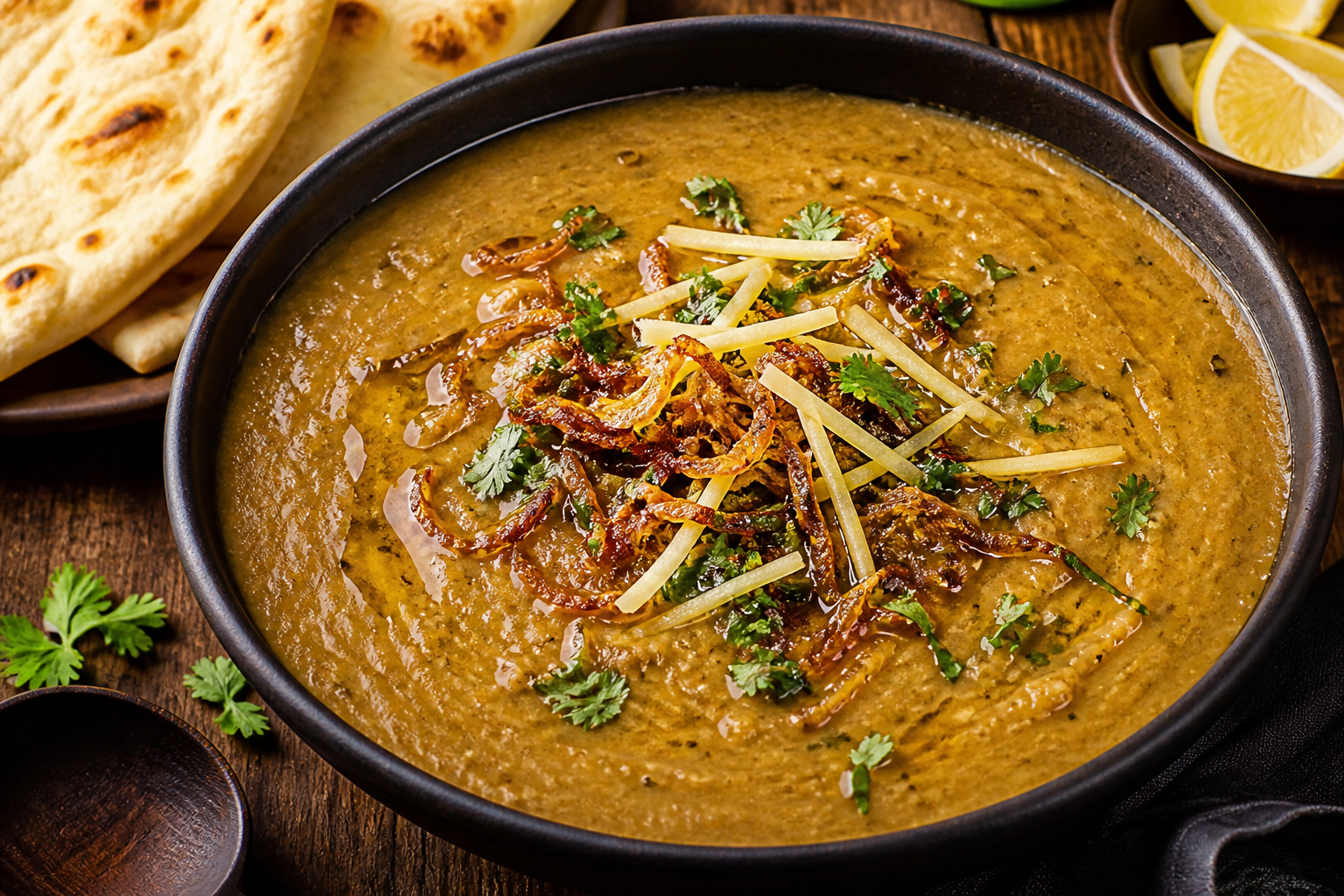
Pakistani Chicken Haleem
A hearty, slow-cooked porridge of wheat, barley, lentils, and shredded chicken, blended smooth and finished with fried onions, ginger, and garam masala for a nourishing, deeply savoury dish.
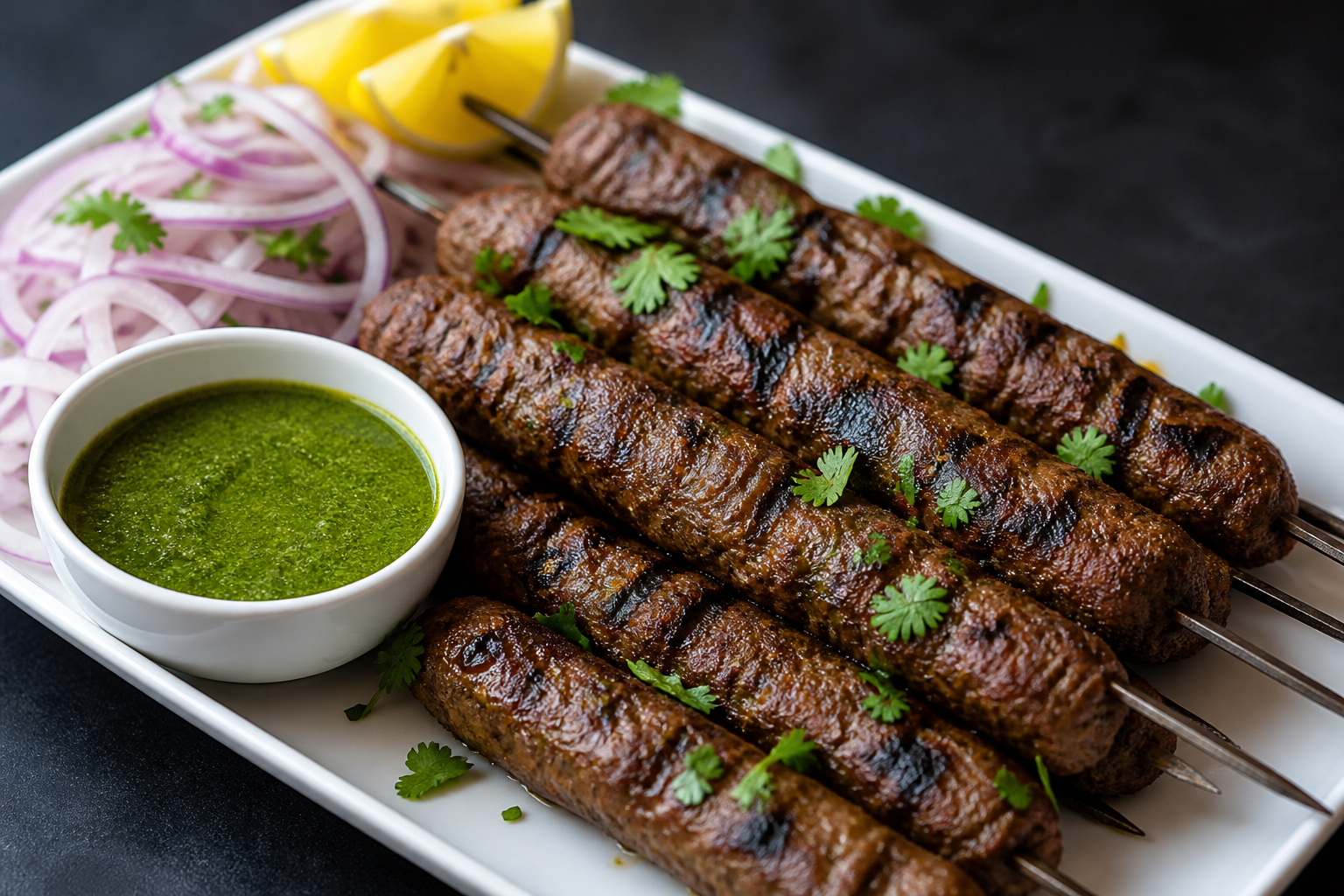
Pakistani Seekh Kebab
Smoky, spiced ground beef kebabs shaped onto skewers and char-grilled until juicy, seasoned with fresh herbs, green chili, and warm spices for a beloved Pakistani grill classic.
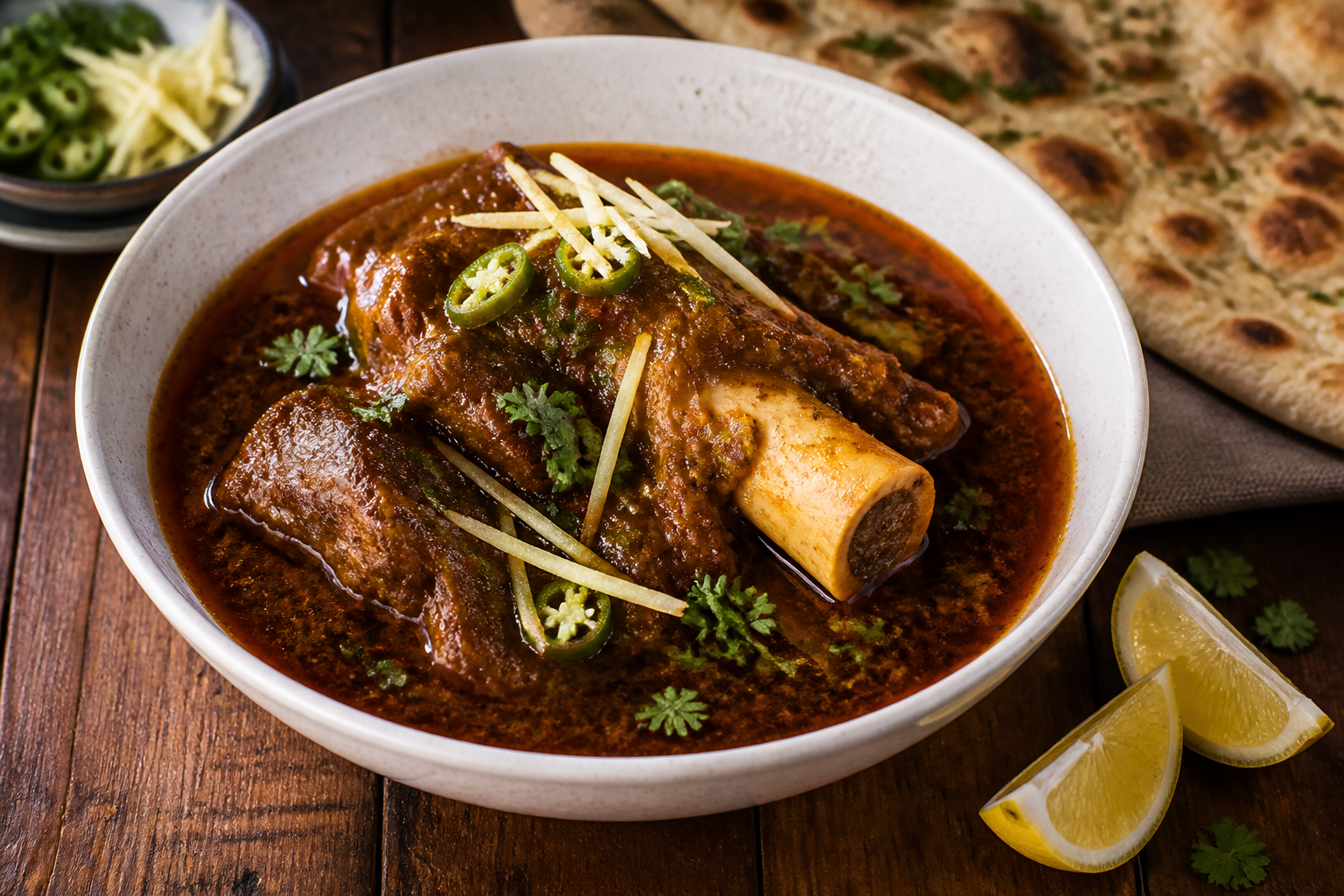
Pakistani Beef Nihari
A slow-cooked, deeply spiced beef shank stew thickened with a wheat-flour slurry and perfumed with long pepper and fennel, traditionally enjoyed as a rich, warming breakfast in Pakistan.
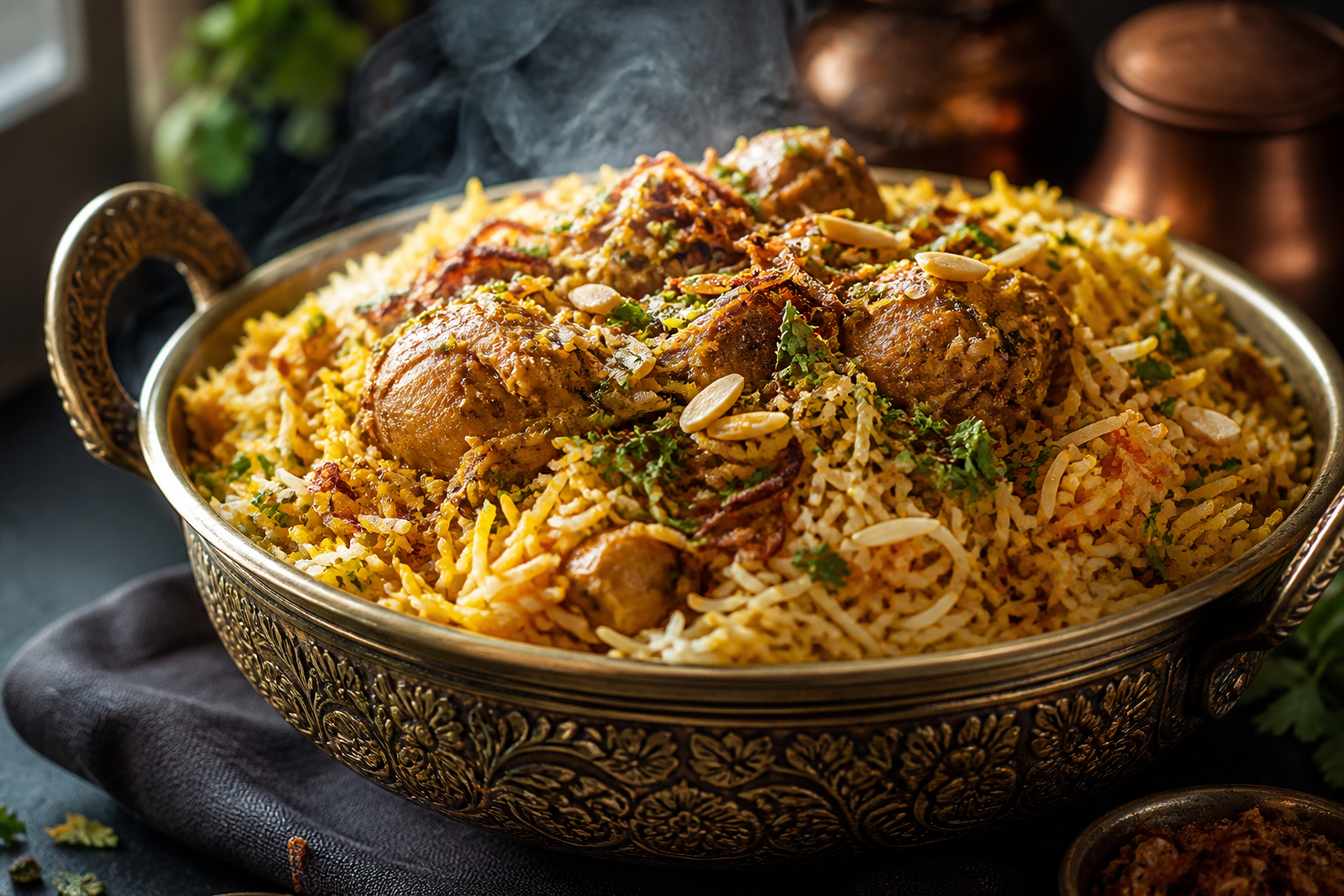
Pakistani Chicken Biryani
A celebrated layered rice dish of marinated chicken, aromatic basmati, and warm whole spices, finished with saffron milk and fried onions for a fragrant, festive centrepiece of Pakistani cooking.
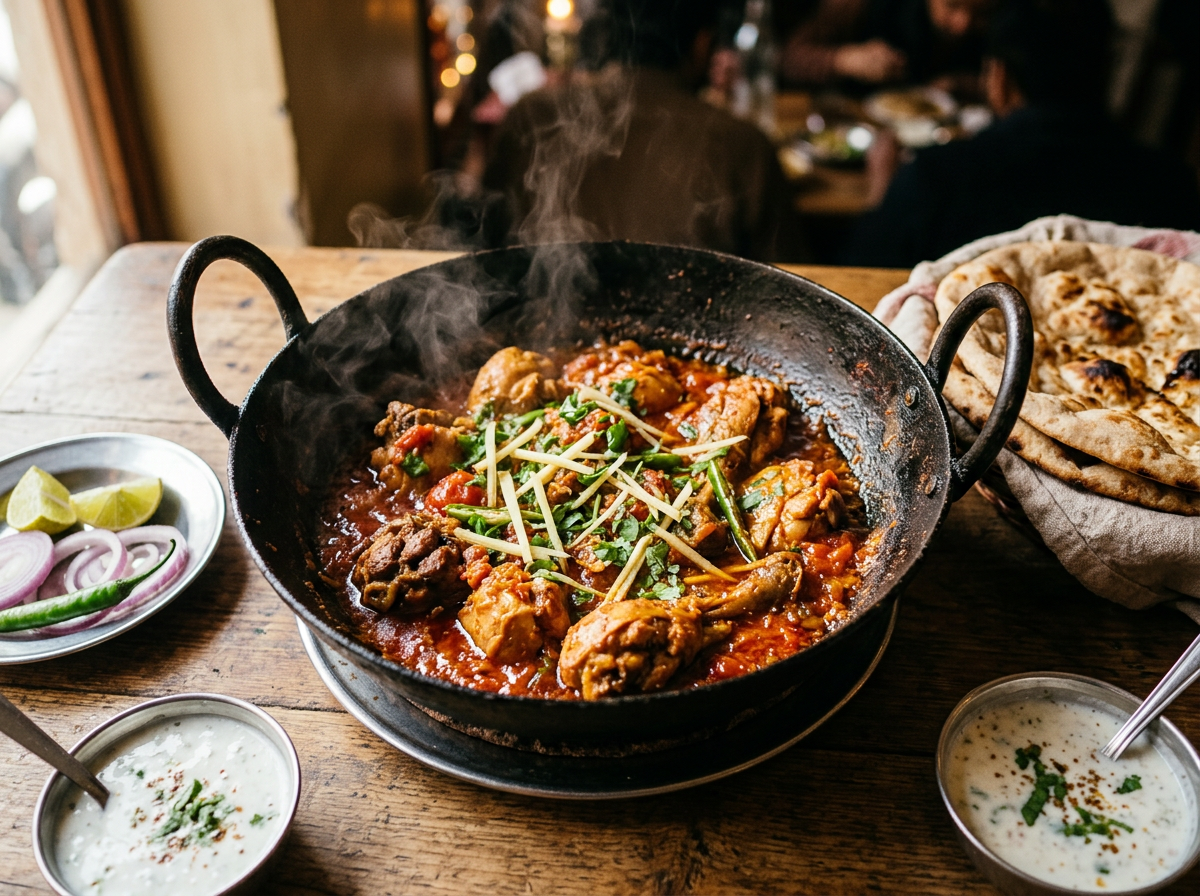
Pakistani Chicken Karahi
A fiery, fragrant wok-cooked curry of bone-in chicken seared with tomatoes, ginger, and green chilies until the sauce clings and glistens. Named for the karahi it is cooked in, this is Pakistani comfort food at its boldest.
Key Ingredients to Explore
Cooking Guides You May Like
Exploring the Regional Cuisines of India
From rich North Indian curries to tangy South Indian dosas, India’s regional cuisines are strikingly different. Here is a guide to both.
Understanding Cooking Methods: Dry Heat, Moist Heat, and More
Every cooking method changes texture and flavor in a specific way. Knowing which to choose is the key to cooking anything well.
Building Balanced Meals: A Simple Framework
You do not need to count anything to eat well. A simple visual framework does the work for you.