Cambodian Cuisine
Delicate, aromatic, and refreshingly light — the gentle heart of Southeast Asian cooking.
Introduction
Cambodian — or Khmer — cuisine is the gentle, aromatic heart of Southeast Asian cooking, distinguished by its reliance on freshwater fish, fragrant kroeung paste, and a delicacy that sets it apart from the bolder heat of neighboring Thai and Vietnamese cuisines. The flavors are nuanced rather than fiery, balancing sour, sweet, salty, and bitter with herbs, lemongrass, and galangal.
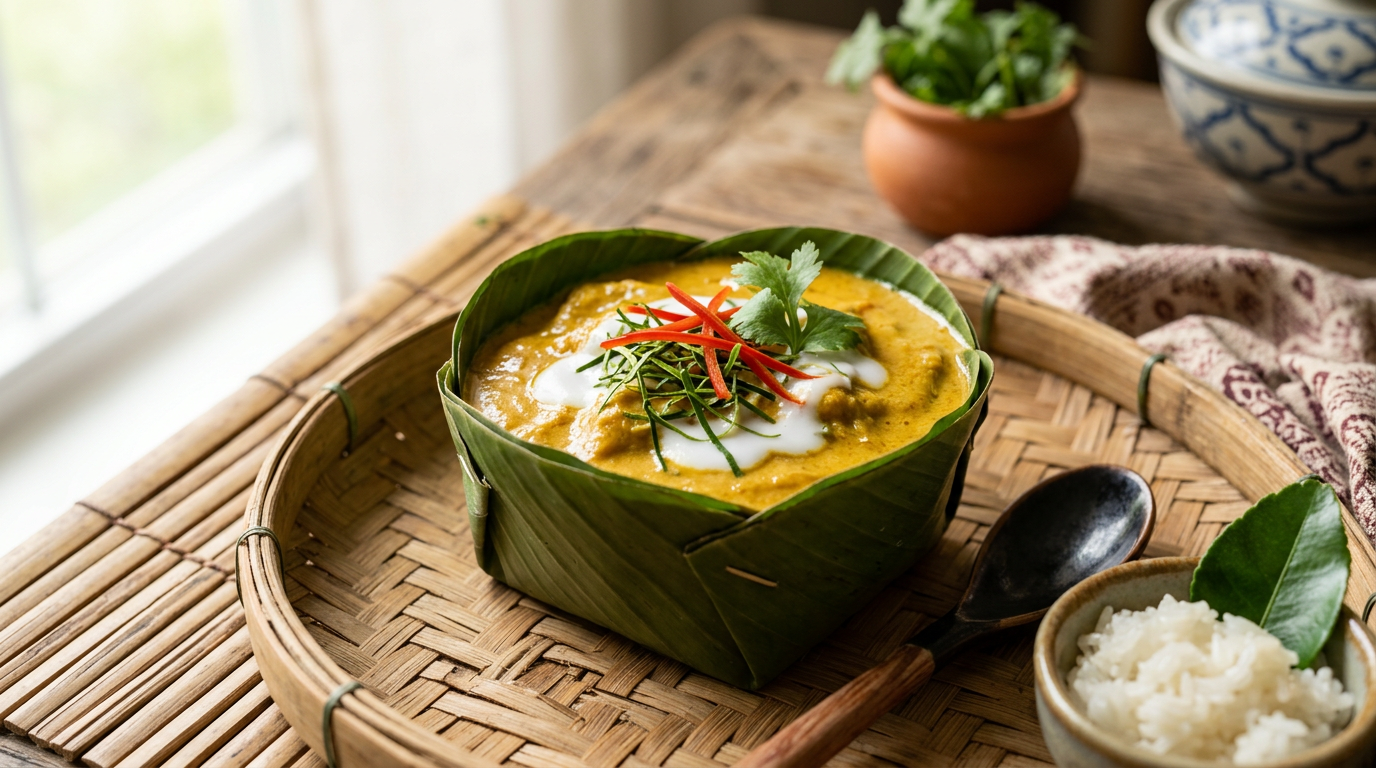
From the silky, banana-leaf-steamed fish amok that has become Cambodia's culinary ambassador to the morning bowls of num banh chok (rice noodles in green curry) sold by vendors across the countryside, Khmer food reflects a culture deeply connected to the Mekong River, rice paddies, and the rhythms of the natural world.
History
Cambodian cuisine traces its roots to the great Angkorian Empire, whose bas-reliefs at Angkor Wat depict feasting, fishing, and market scenes. The empire's sophisticated water management system supported rice cultivation that remains the backbone of Khmer agriculture and diet.
Indian and Chinese cultural influences arrived through trade and religion, bringing curry concepts, stir-frying, and noodle traditions. French colonial rule (1863-1953) introduced baguettes, pâté, and café culture — visible today in Phnom Penh's coffee shops and the popular num pang (baguette sandwich). Despite the devastating Khmer Rouge era, Cambodian culinary traditions survived through oral tradition and family cooking.
Cultural Context
Rice is sacred in Khmer culture — the greeting 'nyam bai haey nov?' (have you eaten rice yet?) reflects this centrality. Meals are communal, served family-style with multiple dishes shared around a central rice pot.
Prahok (fermented fish paste) is the ingredient most closely tied to Khmer identity — its pungent, umami-rich flavor is indispensable to many dishes. Water festivals, Khmer New Year, and ancestral ceremonies all feature specific traditional foods.
Regional Variations
Cosmopolitan, with French-influenced cafes, Chinese noodle houses, and a vibrant street-food scene.
Traditional Khmer cooking near Angkor, with loc lac, amok, and morning market culture.
The rice bowl of Cambodia — agricultural heartland with traditional Khmer home cooking.
Famous for Kampot pepper crab and fresh seafood grilled with lime and pepper.
Core Ingredients
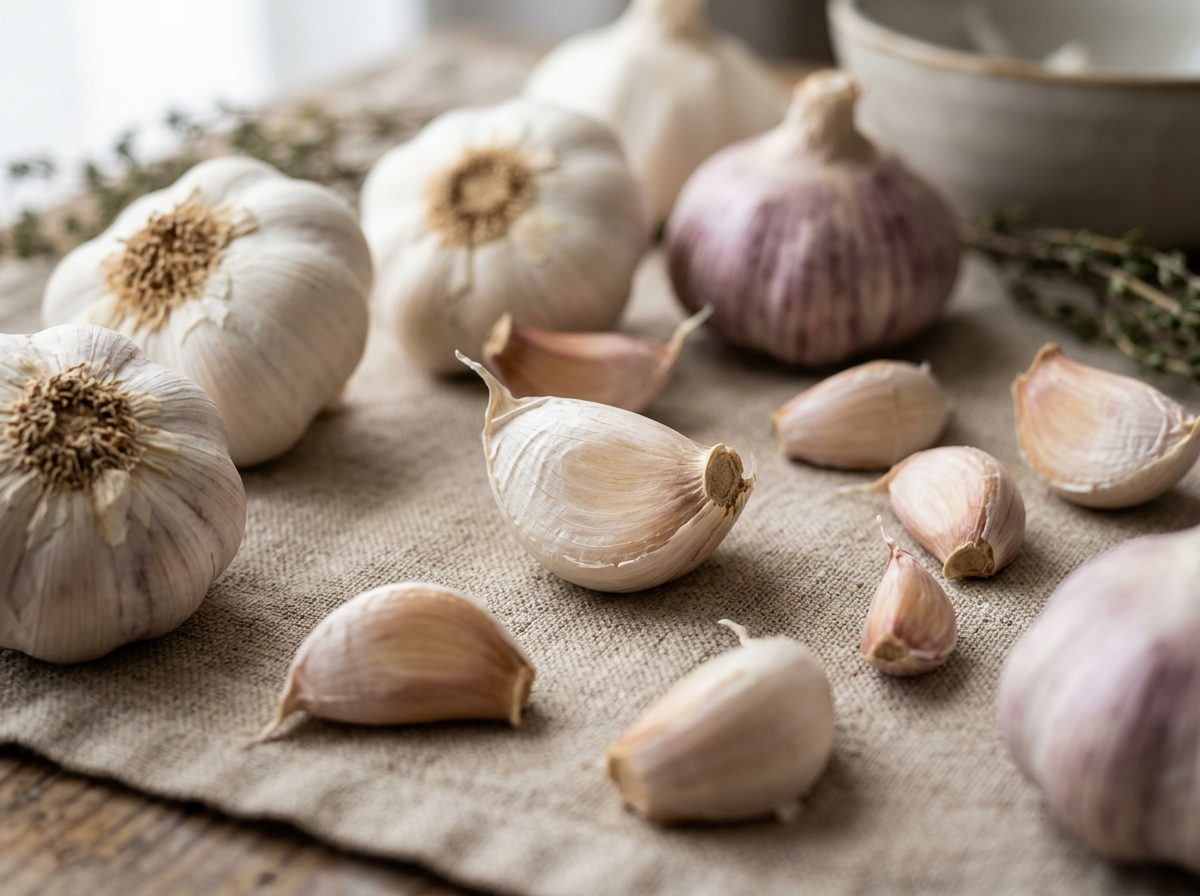
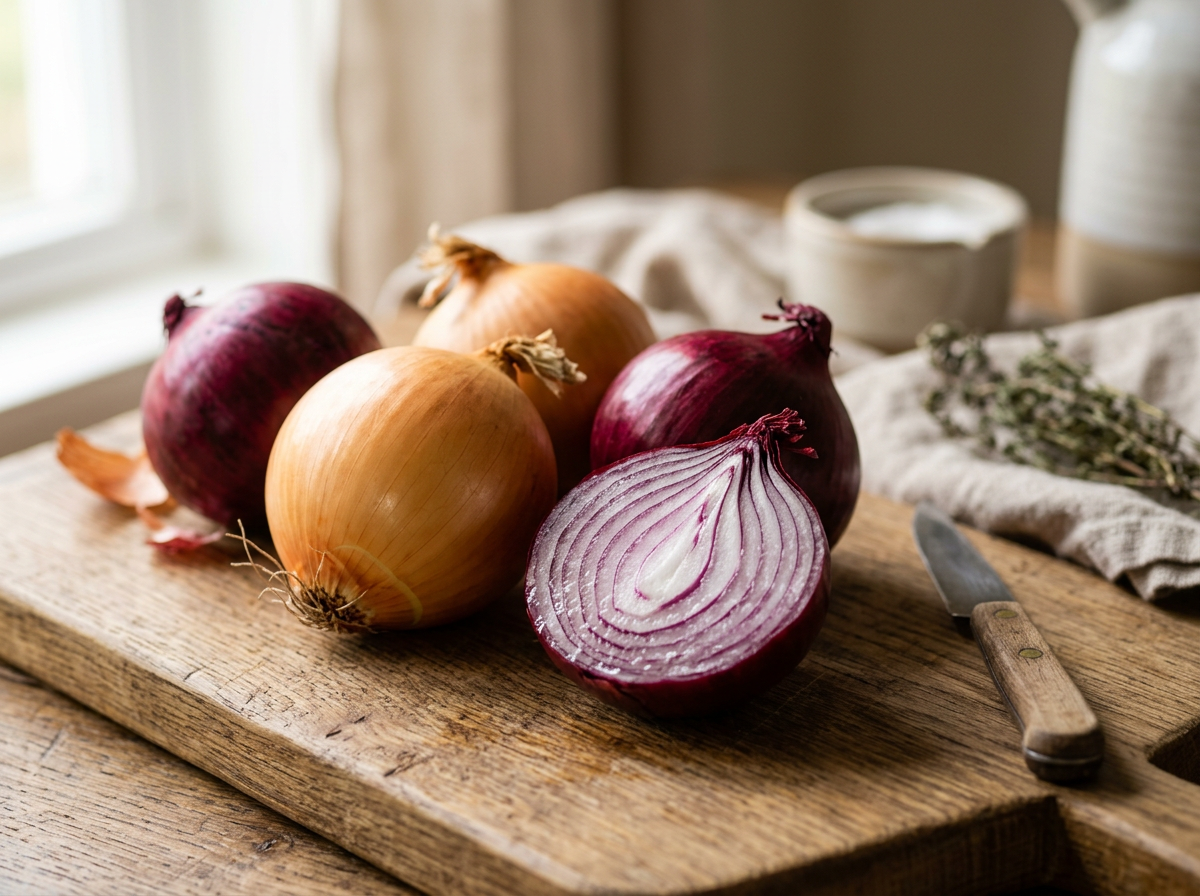
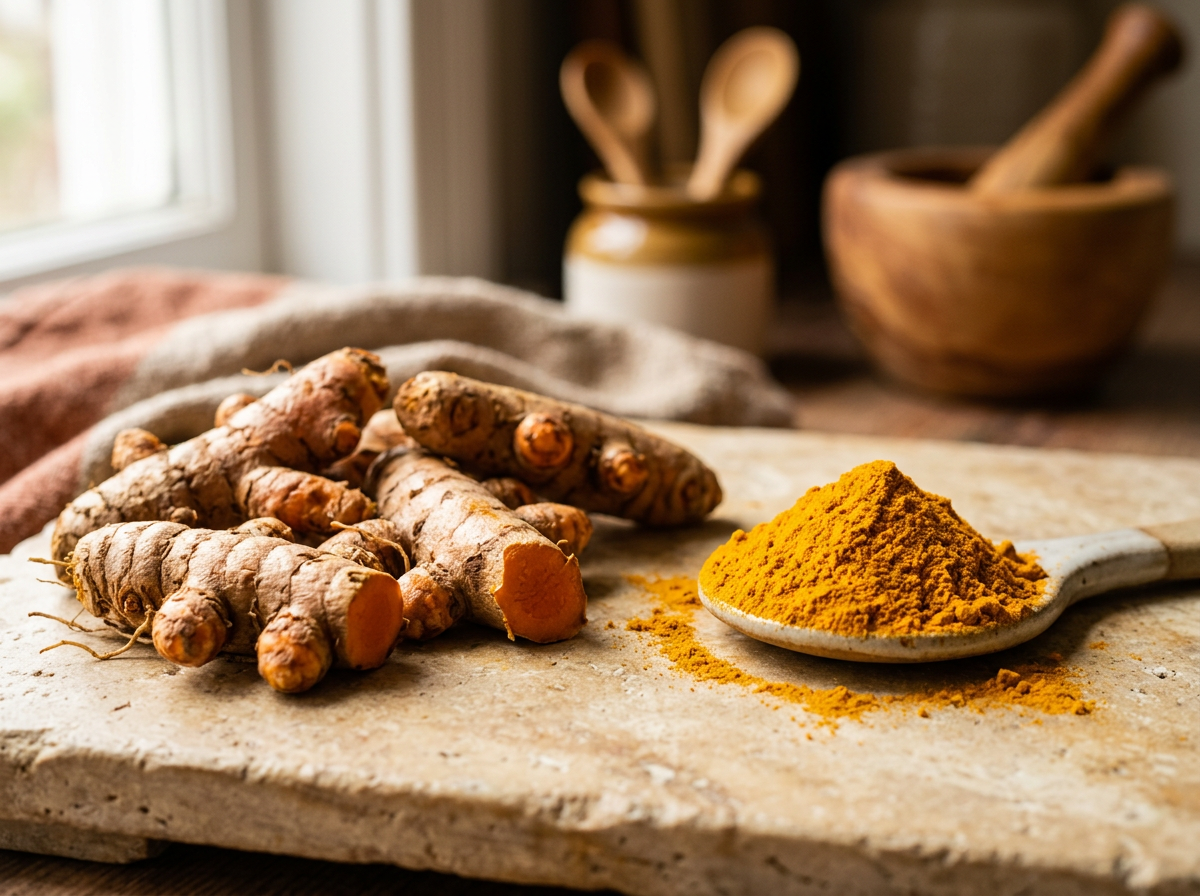
The aromatic base: lemongrass, galangal, turmeric, garlic, shallots, and kaffir lime — pounded fresh for each dish.
Cambodia's signature condiment — intensely umami, used as seasoning, dip, and curry base.
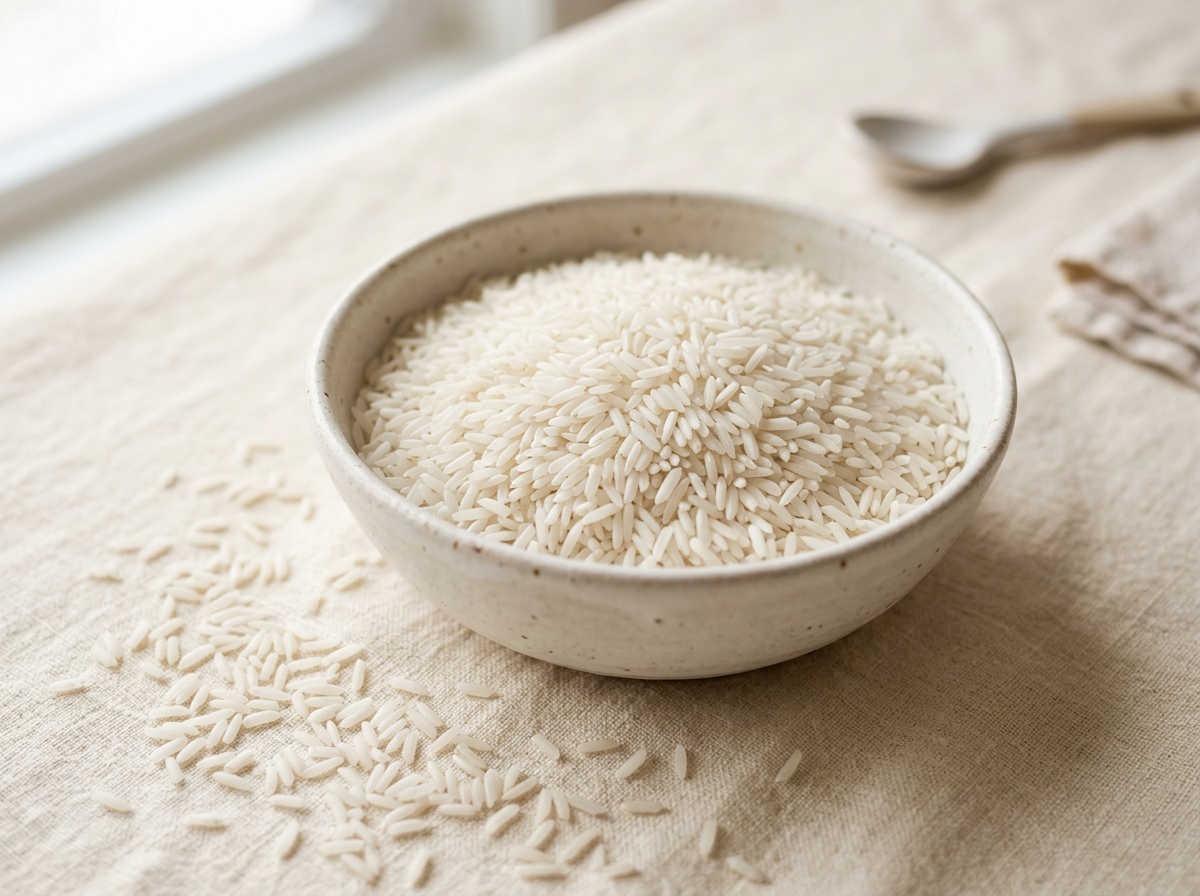
The sacred staple, served with every meal and processed into noodles, flour, and desserts.
From the Tonle Sap and Mekong — grilled, steamed in amok, or fermented into prahok.
World-renowned pepper from southwestern Cambodia — used fresh (green) and dried (black).
Fresh herbs are served alongside and stirred into almost every dish.
Signature Techniques
Fresh aromatics are pounded in a mortar until smooth — the fragrant paste at the heart of Khmer cooking.
Fish or meat is mixed with kroeung, coconut milk, and egg, then steamed in banana-leaf cups.
High-heat wok cooking used for morning glory, beef lok lak, and vegetable dishes.
Freshwater fish is salted, pounded, and fermented for months — a traditional preservation method.
Signature Dishes
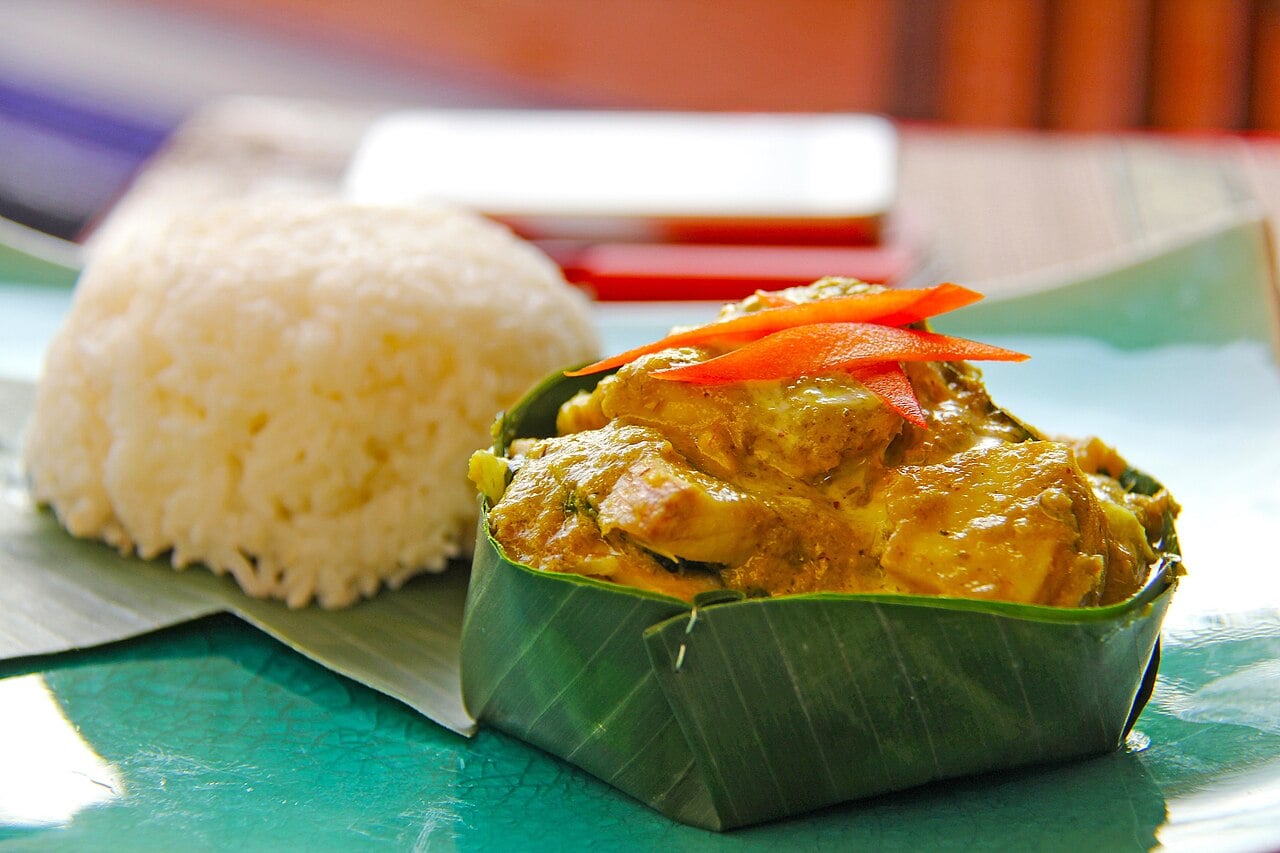
Silky fish mousse steamed in banana-leaf cups with kroeung and coconut — Cambodia's signature dish.
Stir-fried beef with lettuce, tomato, and a tangy lime-pepper dipping sauce.
Fresh rice noodles with a green fish curry sauce, topped with herbs and vegetables — a breakfast staple.
Stir-fried crab with fresh Kampot green peppercorns — a coastal delicacy.
A rich, complex soup of vegetables, prahok, and kroeung — considered the quintessential Khmer home dish.
Cambodian Recipes to Cook
Key Ingredients to Explore
Cooking Guides You May Like
A Guide to Southeast Asian Flavors
Southeast Asian cooking thrives on balance — salty, sour, sweet, and hot in every bite. Here is how those flavors come together.
Understanding Cooking Methods: Dry Heat, Moist Heat, and More
Every cooking method changes texture and flavor in a specific way. Knowing which to choose is the key to cooking anything well.
Building Balanced Meals: A Simple Framework
You do not need to count anything to eat well. A simple visual framework does the work for you.