Malaysian Cuisine
A dazzling crossroads of Malay, Chinese, and Indian flavors — hawker-stall magic.
Introduction
Malaysian cuisine is a breathtaking fusion of Malay, Chinese, Indian, and indigenous Bornean flavors, making it one of the most diverse and exciting food cultures in the world. The magic happens in the hawker centers, kopitiams (coffee shops), and night markets where char kway teow sizzles in giant woks, fragrant laksa broth simmers in massive pots, and nasi lemak — coconut rice with sambal — is wrapped in banana leaves for breakfast.
What makes Malaysian food extraordinary is not just its multicultural roots but the way those traditions have cross-pollinated into something uniquely Malaysian: Peranakan (Nyonya) cuisine, Mamak stalls serving Indian-Muslim roti and murtabak, and Malay kampung cooking elevated through spice pastes and coconut milk.
History
Malaysia's position on the ancient maritime spice route made it a crossroads of trade and migration. Malay, Chinese, Indian, Arab, Portuguese, Dutch, and British influences layered over indigenous cooking traditions. The Malaccan Sultanate's spice trade brought global attention, and the Straits Settlements created the Peranakan (Nyonya) tradition — a fusion of Chinese and Malay cooking.
Chinese migrants brought wok cooking, noodles, and dim sum; Indian communities contributed curry, roti, and banana-leaf dining. Each tradition evolved in the Malaysian context, creating dishes that exist nowhere else.
Cultural Context
Eating out is a way of life in Malaysia — hawker centers and mamak stalls are open from dawn until well past midnight. The phrase 'sudah makan?' (have you eaten?) is a common greeting that underscores food's centrality to social life.
Nasi lemak is the unofficial national dish, eaten at any hour. Religious diversity (Muslim, Buddhist, Hindu, Christian) means halal, vegetarian, and pork-based food traditions coexist, often in the same hawker center, creating an extraordinarily inclusive food culture.
Regional Variations
The hawker-food capital: asam laksa, char kway teow, Hokkien mee, and an extraordinary density of street food.
Mamak stalls, nasi kandar, pan mee, and cosmopolitan fusion alongside traditional kampung cooking.
Peranakan (Nyonya) cuisine at its finest: laksa, ayam pongteh, and kuih — intricate bite-sized sweets.
Indigenous flavors: sago, jungle ferns, and unique preparations like hinava (raw fish salad) and ayam pansuh (bamboo chicken).
Core Ingredients
The enriching base of rendang, laksa, nasi lemak, and countless curries and desserts.
Freshly pounded pastes of chilies, lemongrass, galangal, turmeric, shallots, and belacan — the flavor foundation.
Fermented, pungent shrimp paste that adds deep umami to sambals and spice pastes.
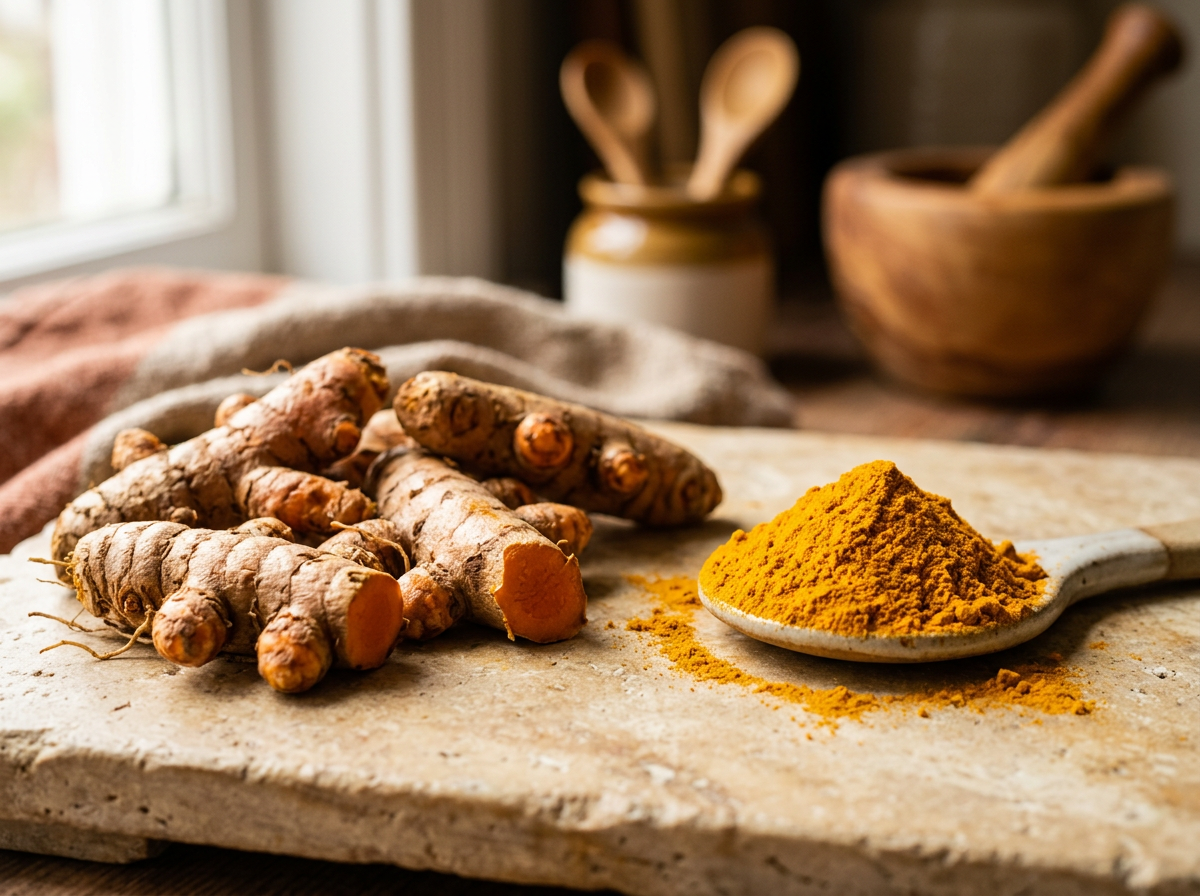
Aromatic rhizomes that perfume curries, soups, and stir-fries.
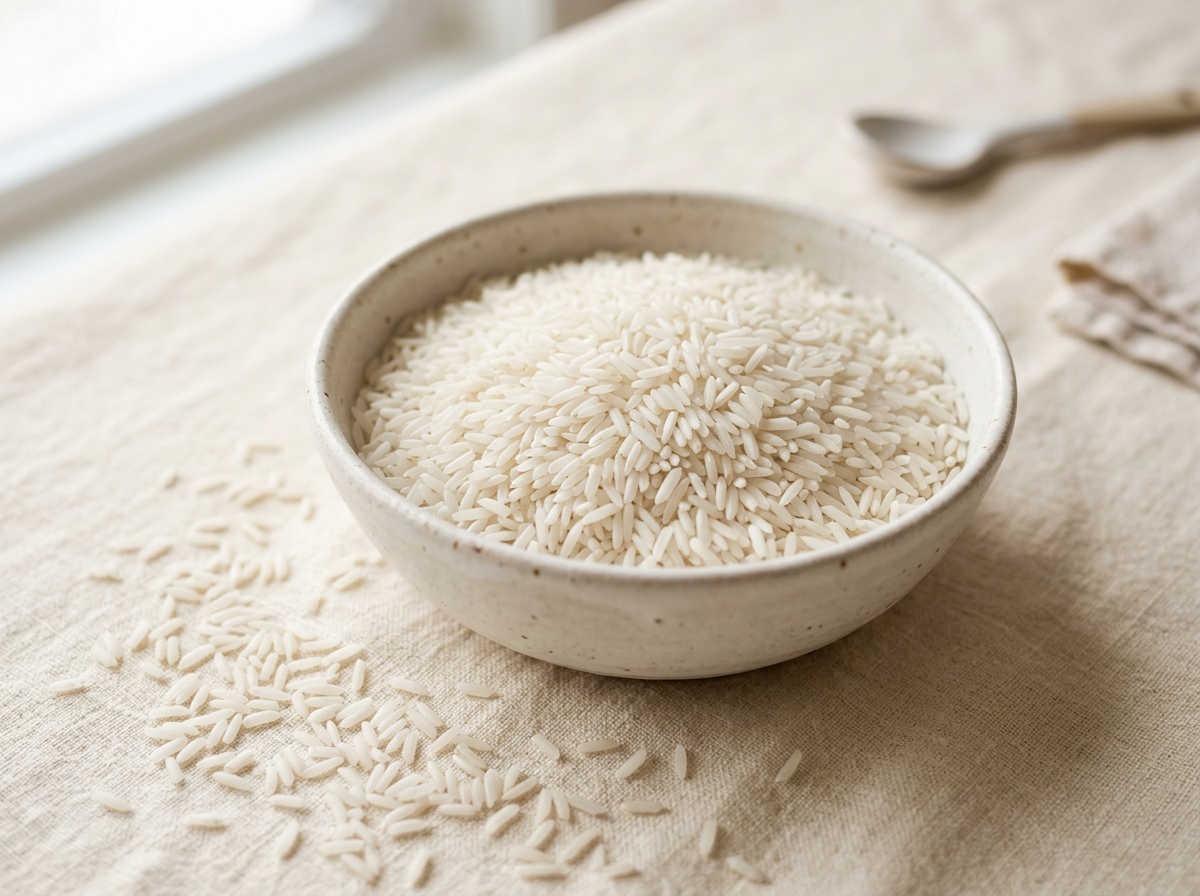
Rice is the staple; a dazzling variety of noodles (kuey teow, mee, bee hoon) fill hawker stalls.
Knotted and added to rice and desserts for a sweet, vanilla-like fragrance.
Signature Techniques
Fresh aromatics are pounded in a mortar to create the spice paste that forms the base of most Malay dishes.
Stir-frying over extremely high heat to achieve the smoky sear that defines char kway teow.
Meat is simmered in coconut milk and spice paste until the liquid evaporates and the meat is coated in a dry, caramelized spice crust.
Nasi lemak, otak-otak, and kuih are wrapped and steamed or grilled in banana leaves for aroma.
Signature Dishes
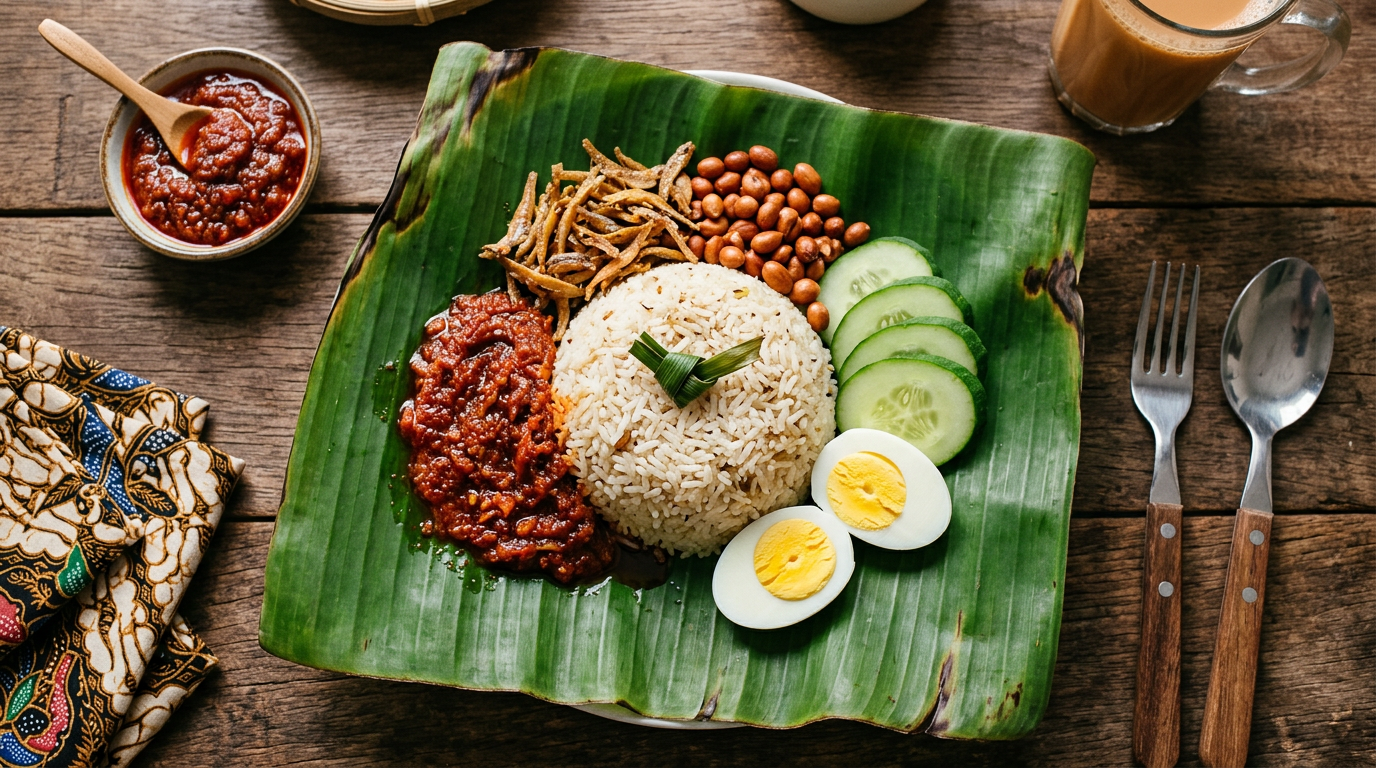
Coconut-milk rice with sambal, anchovies, peanuts, egg, and cucumber — the unofficial national dish.
Dry-braised meat in a rich coconut-spice paste until deeply caramelized — named the world's most delicious food.
Spicy coconut-curry noodle soup (or tangy asam laksa) — Malaysia's legendary bowl.
Smoky wok-fried flat noodles with prawns, Chinese sausage, and bean sprouts.
Flaky, layered flatbread served with dhal or curry — a mamak-stall staple.
Malaysian Recipes to Cook
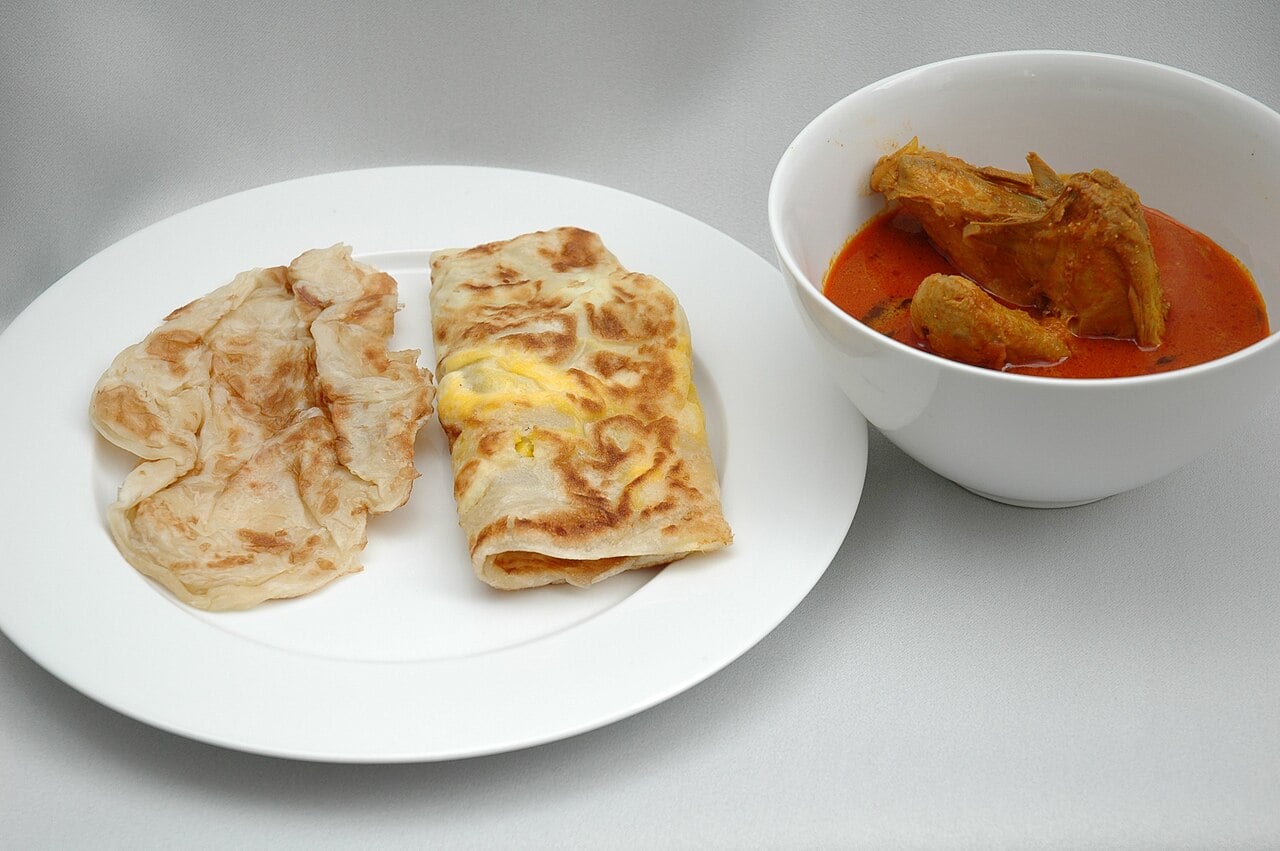
Malaysian Roti Canai
A flaky, layered flatbread stretched paper-thin and griddled until crisp and golden, served with dhal or curry for dipping, a cherished Malaysian breakfast staple.
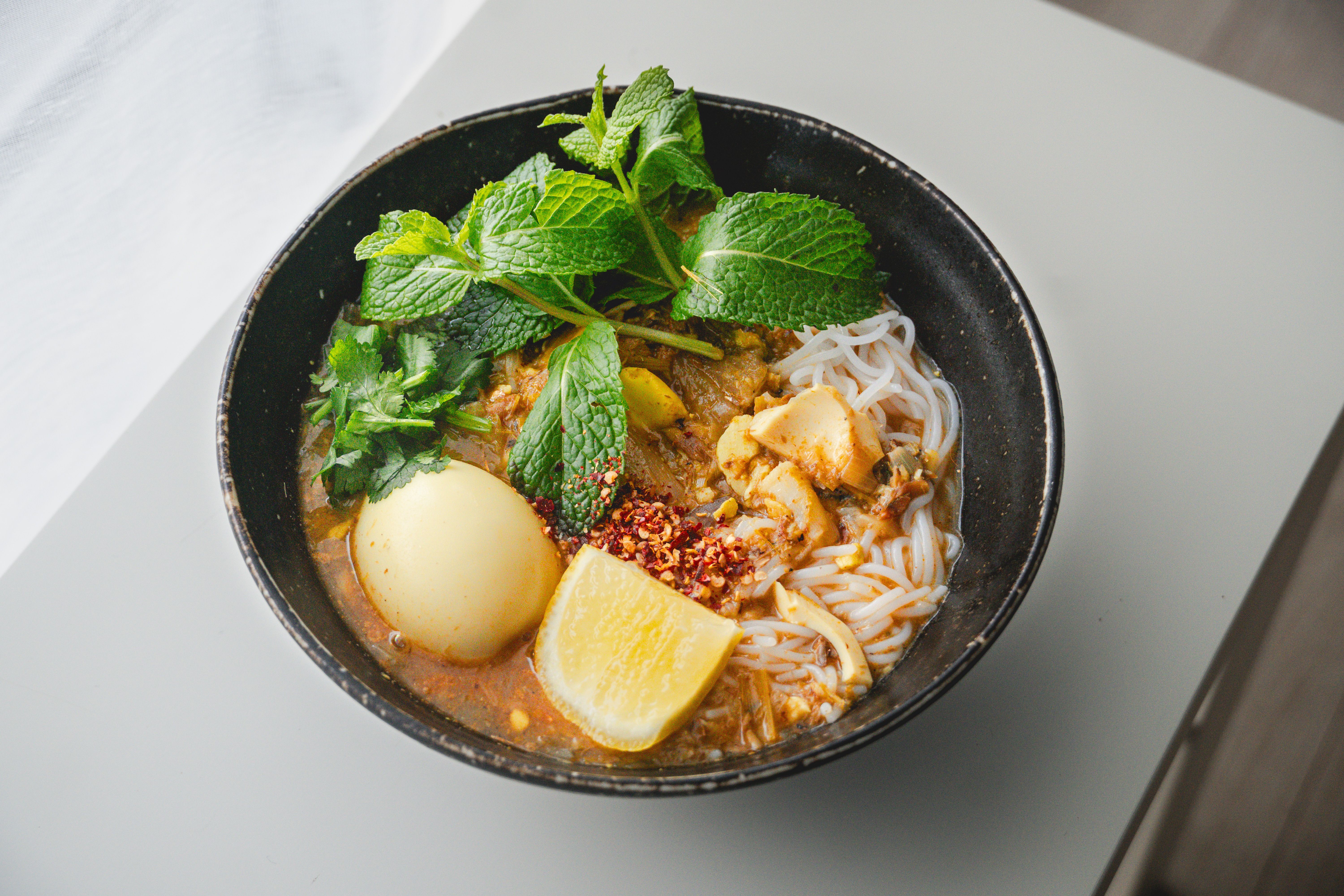
Malaysian Chicken Curry Laksa
A comforting bowl of noodles in a rich, spicy coconut curry broth topped with poached chicken, tofu puffs, bean sprouts, and fresh herbs, a Malaysian hawker favourite.
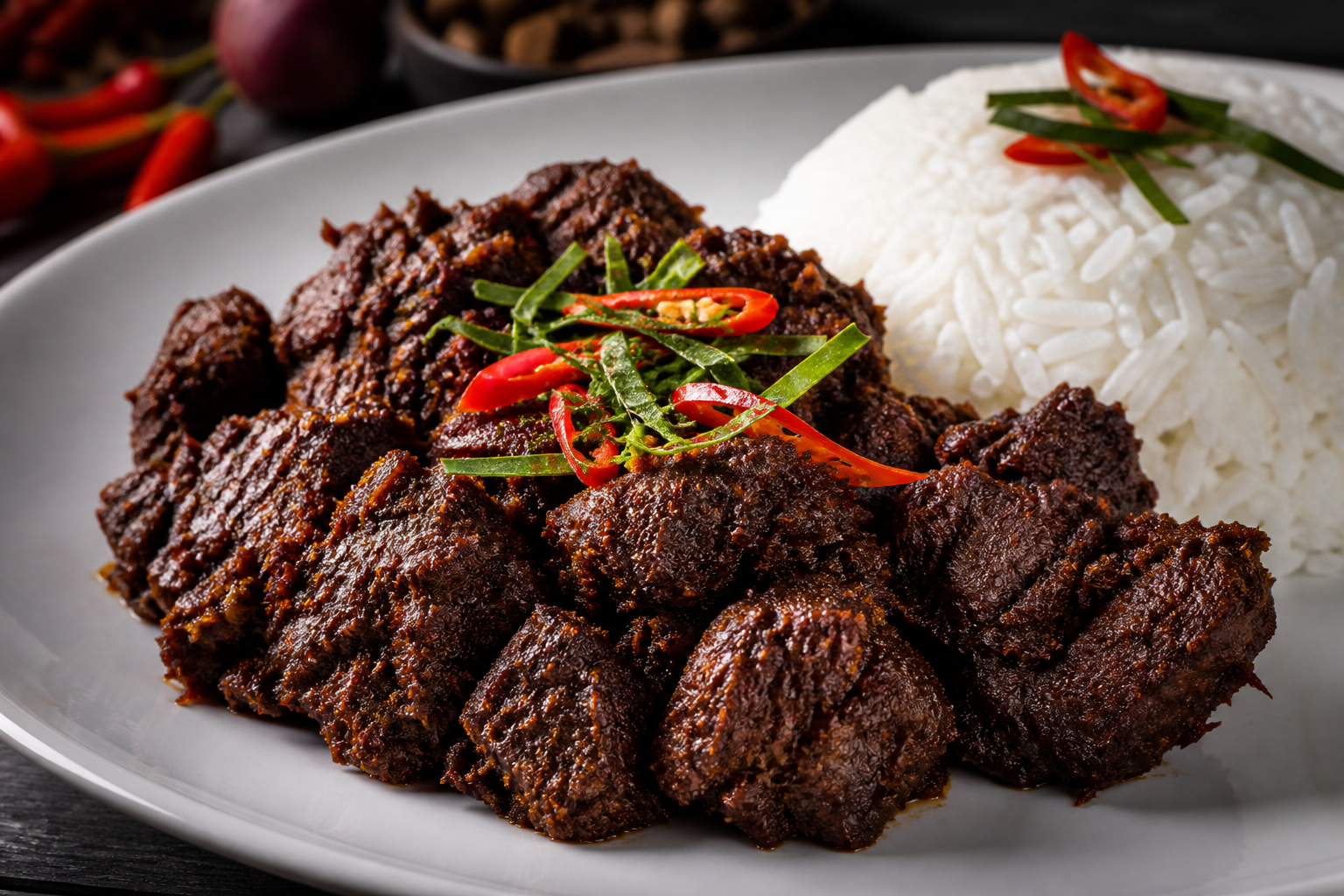
Malaysian Beef Rendang
A rich, dry-style curry of beef slow-simmered in coconut milk and a fragrant spice paste with lemongrass, galangal, and toasted coconut until intensely flavourful and tender.
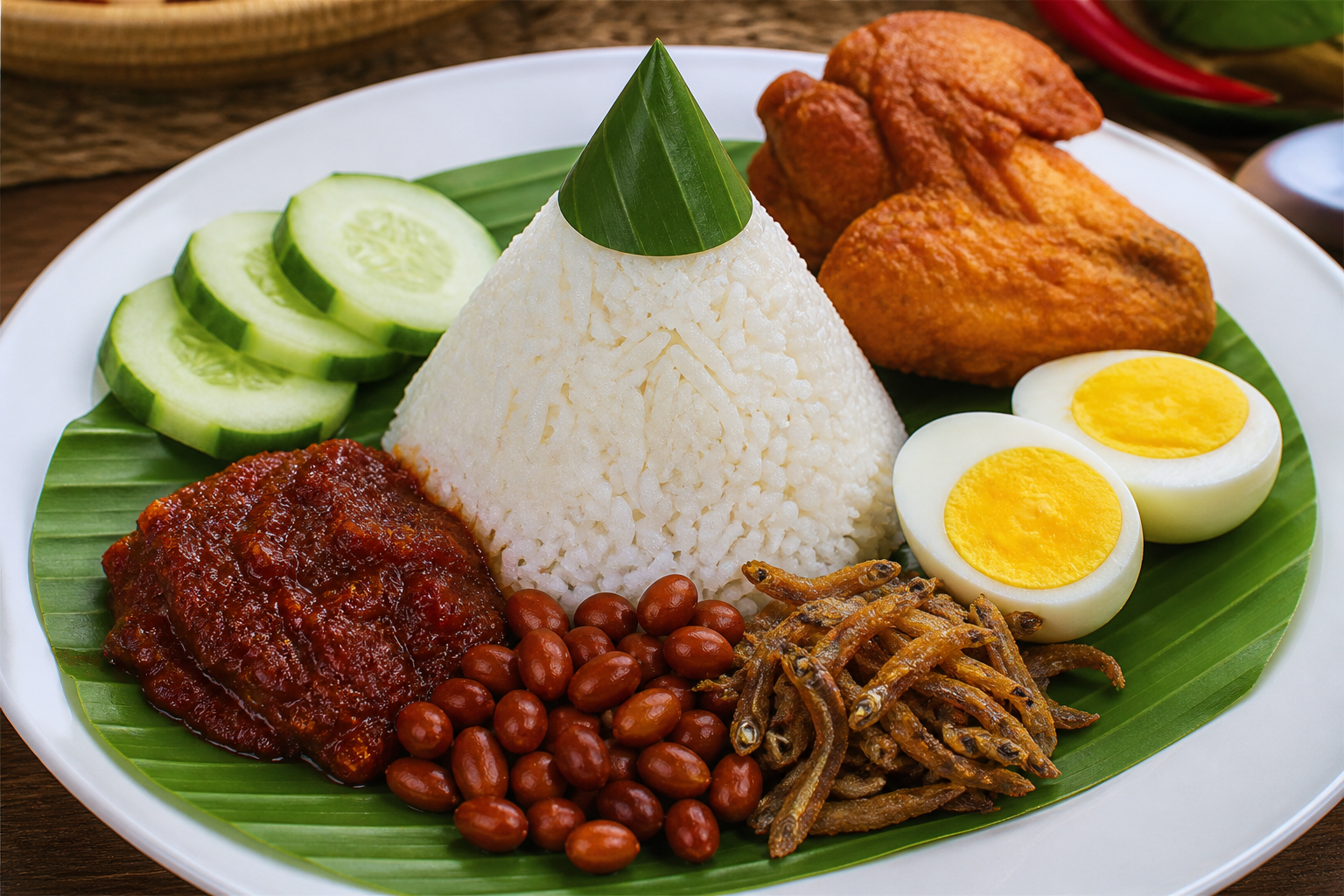
Malaysian Nasi Lemak
Malaysia's beloved national dish of fragrant coconut rice served with spicy sambal, crispy anchovies, roasted peanuts, cucumber, and boiled egg for a balanced, aromatic plate.
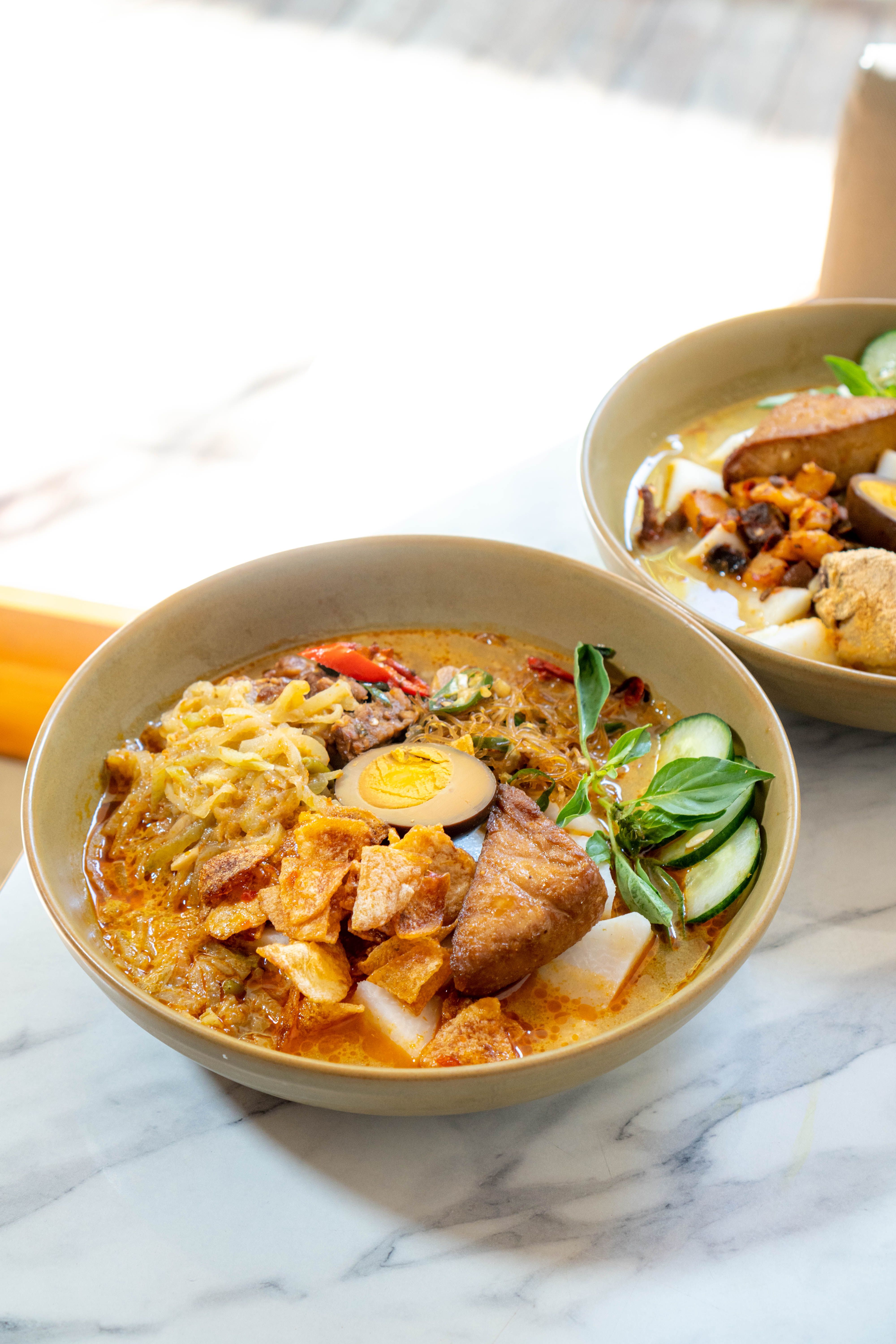
Malaysian Sayur Lodeh
A comforting Malaysian coconut vegetable curry with cabbage, green beans, and tofu in a gently spiced turmeric-coconut broth — vegan, colorful, and endlessly adaptable.
Key Ingredients to Explore

Cooking Guides You May Like
A Guide to Southeast Asian Flavors
Southeast Asian cooking thrives on balance — salty, sour, sweet, and hot in every bite. Here is how those flavors come together.
Understanding Cooking Methods: Dry Heat, Moist Heat, and More
Every cooking method changes texture and flavor in a specific way. Knowing which to choose is the key to cooking anything well.
Building Balanced Meals: A Simple Framework
You do not need to count anything to eat well. A simple visual framework does the work for you.