Kenyan Cuisine
Warming, communal, and deeply nourishing — the soul food of East Africa.
Introduction
Kenyan cuisine is the comforting heart of East African cooking — generous, communal, and built on a foundation of slow-simmered stews, grilled meats, and the beloved cornmeal staple ugali. With over 40 ethnic communities contributing their own traditions, Kenya offers an extraordinary diversity of flavors unified by a shared love of fresh, whole ingredients cooked simply and eaten together.
From the smoky aroma of nyama choma (grilled meat) wafting from roadside joints to the fragrant coastal pilau of Mombasa, Kenyan food tells the story of a country at the crossroads of African, Arab, and Indian culinary traditions.
History
Kenya's food traditions draw from the agricultural practices of its many ethnic groups — the Kikuyu grain and tuber farming of the highlands, the Maasai pastoral traditions of the Rift Valley, and the Swahili coastal cuisine shaped by centuries of Indian Ocean trade. Arab, Persian, Indian, and later British influences layered spices, tea culture, and baking traditions onto an indigenous foundation of millet, sorghum, and foraged greens.
The introduction of maize transformed the national diet, making ugali the ubiquitous staple. Chapati, originally brought by Indian railway workers, became so beloved it is now considered a Kenyan classic.
Cultural Context
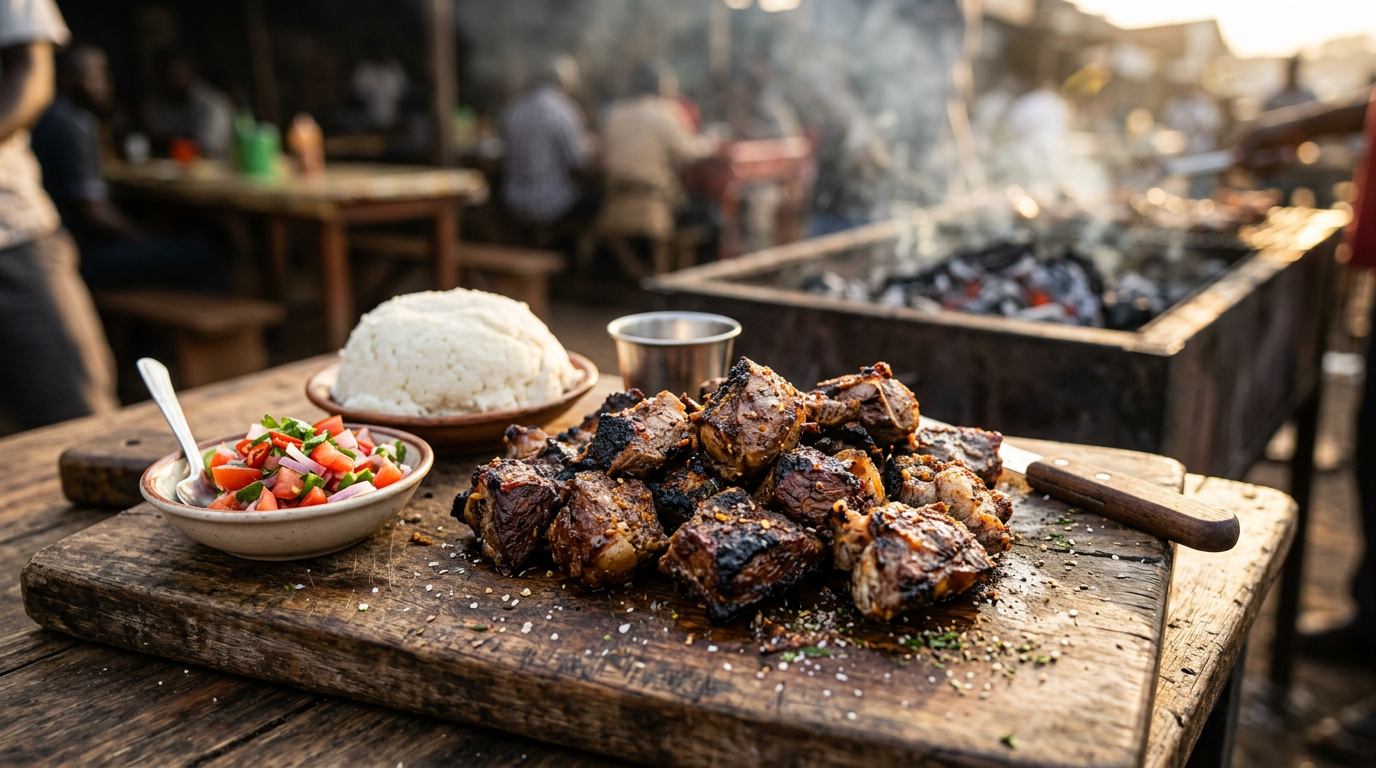
Food in Kenya is deeply communal. Nyama choma gatherings — where friends and family share platters of grilled goat or beef with ugali and kachumbari salad — are a national social ritual, particularly on weekends. The phrase 'Karibu chakula' (welcome to eat) reflects a culture where sharing food is an expression of warmth and belonging.
Tea, introduced during the colonial era, has become central to daily life. Kenyan chai — strong, milky, and simmered with ginger — is served throughout the day, from breakfast to late-afternoon breaks.
Regional Variations
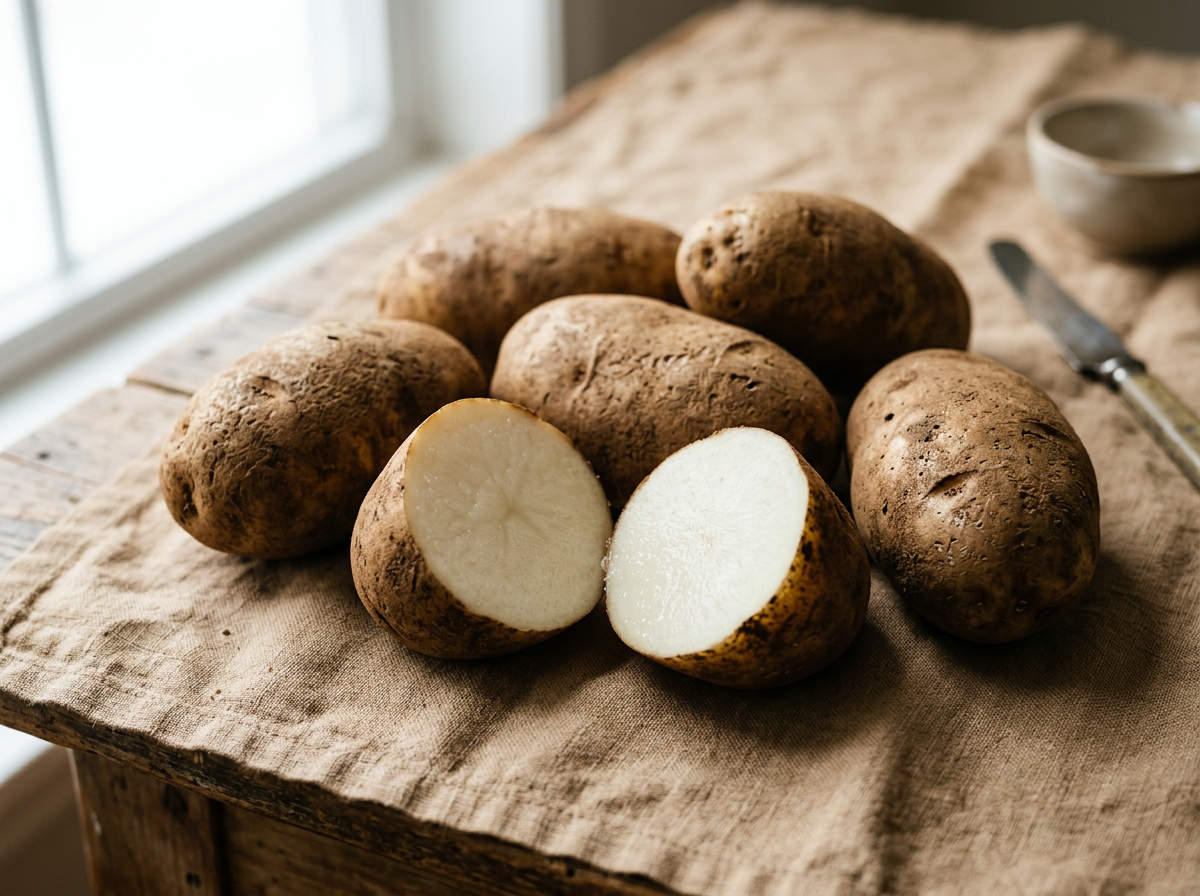
Known for irio (mashed peas, potatoes, and corn) and mukimo, plus hearty stews of beans and greens.
Pastoral traditions emphasize grilled meats, fresh milk, and mursik (fermented milk seasoned with charcoal).
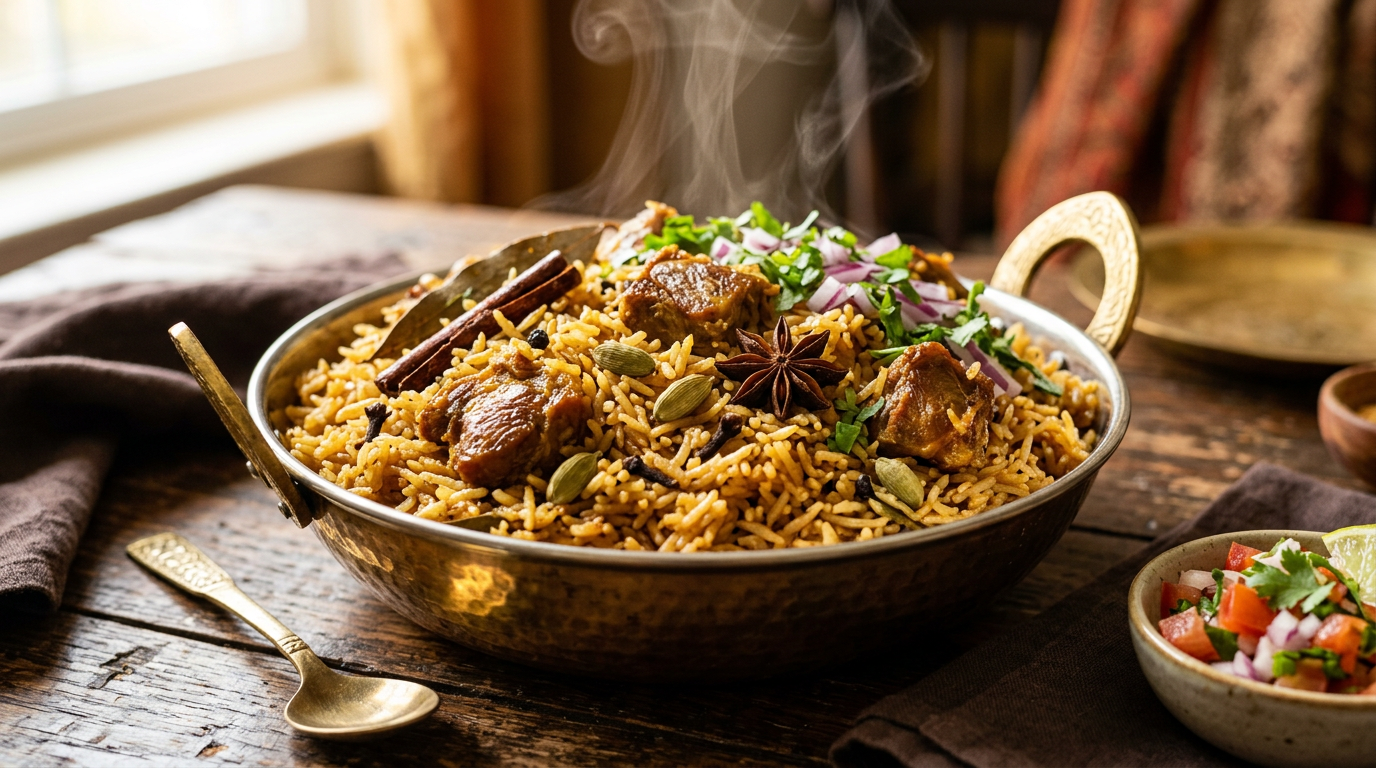
Indian Ocean influences bring pilau, biryani, coconut-sauced curries, and samosas to the table.
Fish from Lake Victoria features prominently, along with omena (silver cyprinid) and ugali with greens.
Core Ingredients
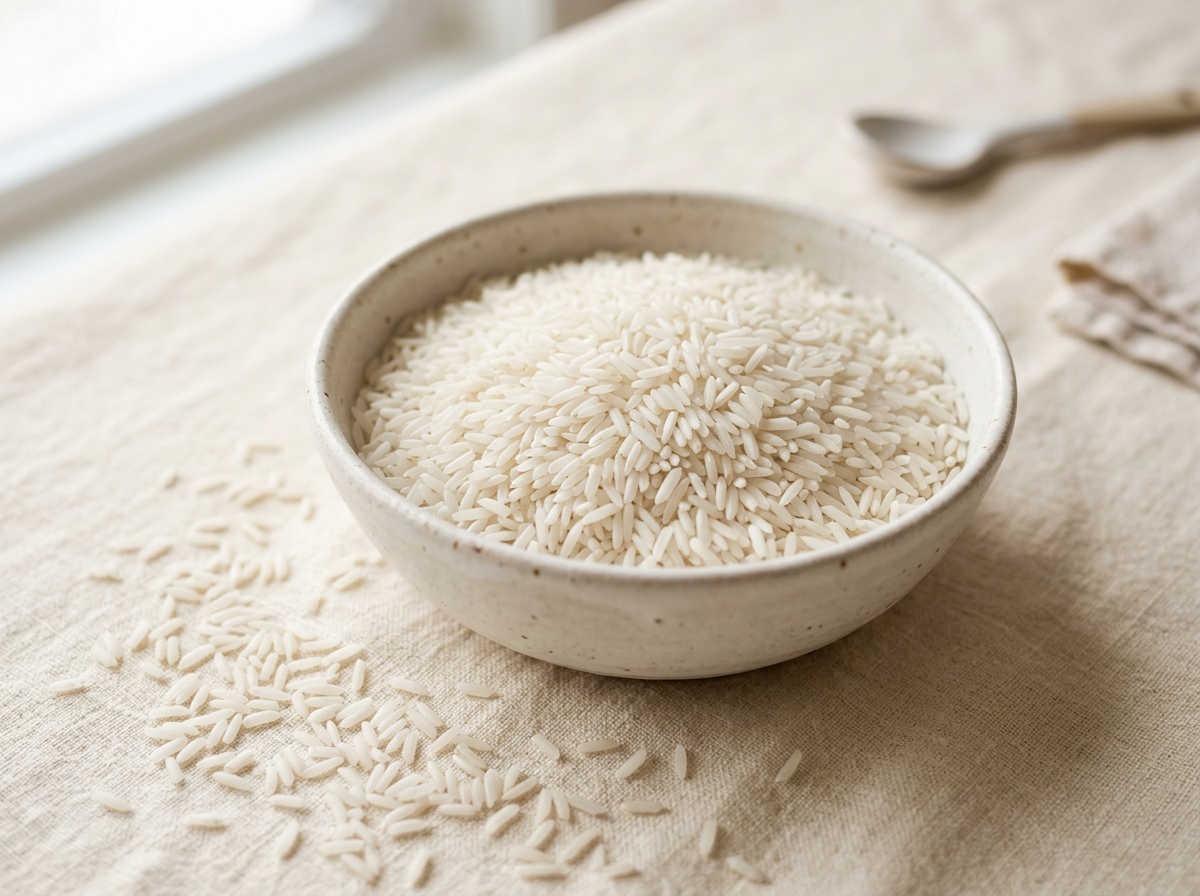
Ground into flour for ugali, the stiff porridge that accompanies nearly every meal in Kenya.
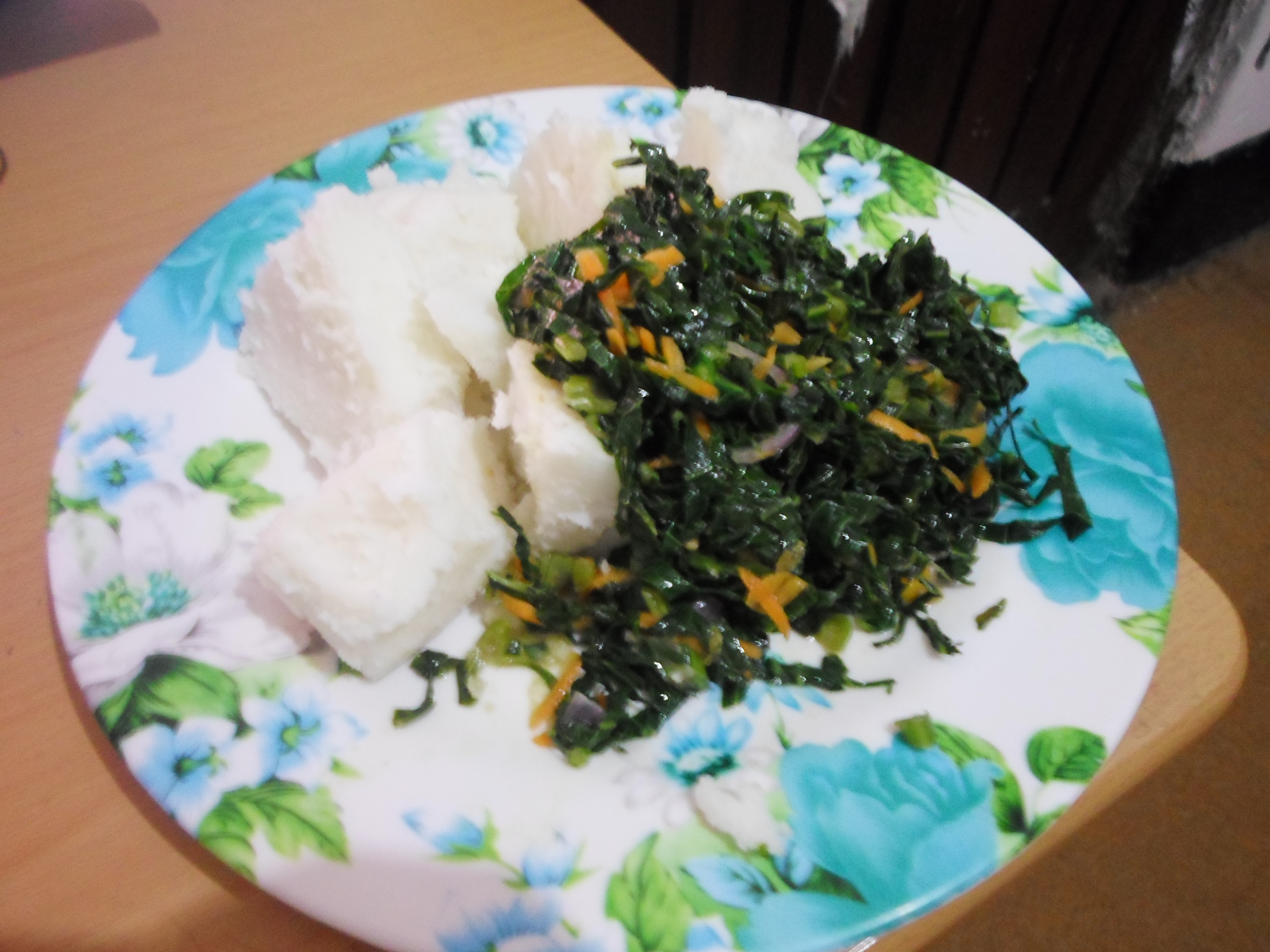
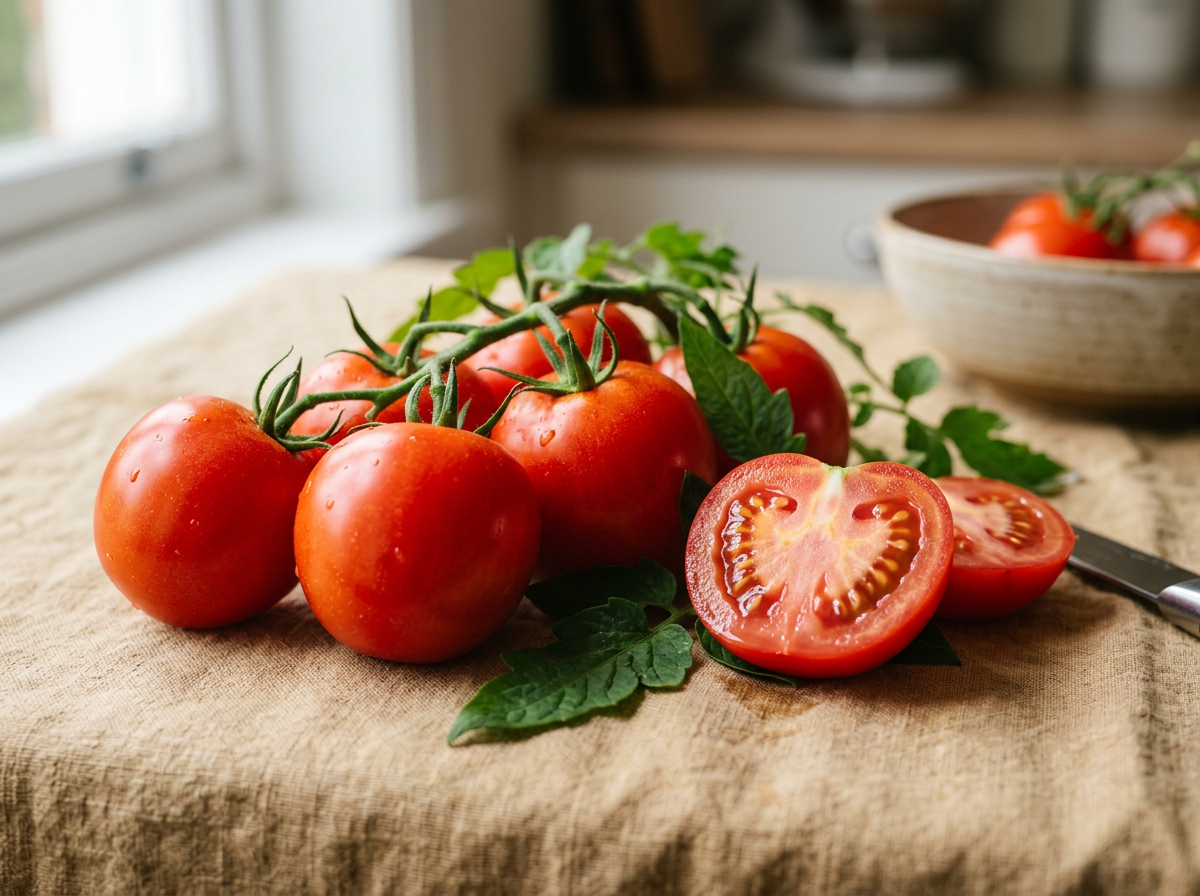
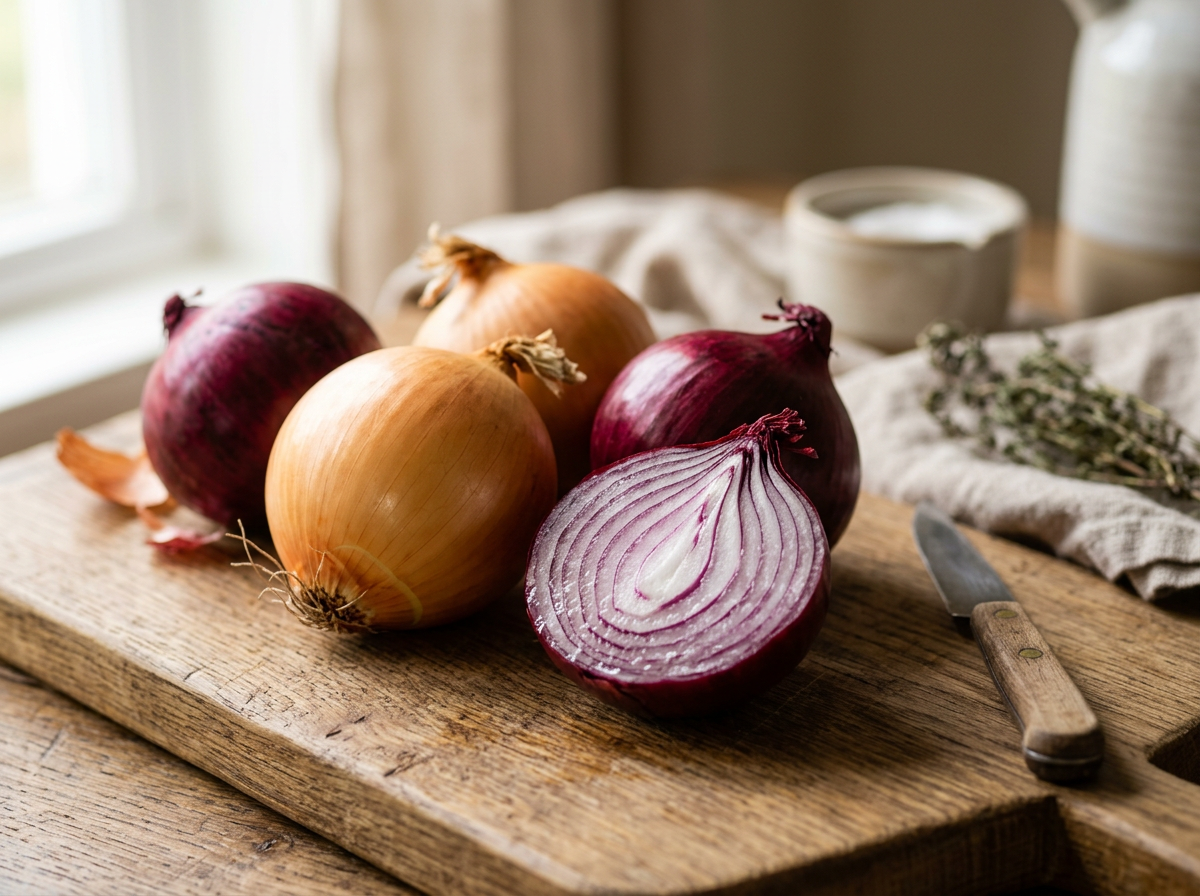
Sautéed with onions and tomatoes, these affordable greens are Kenya's most popular everyday vegetable.
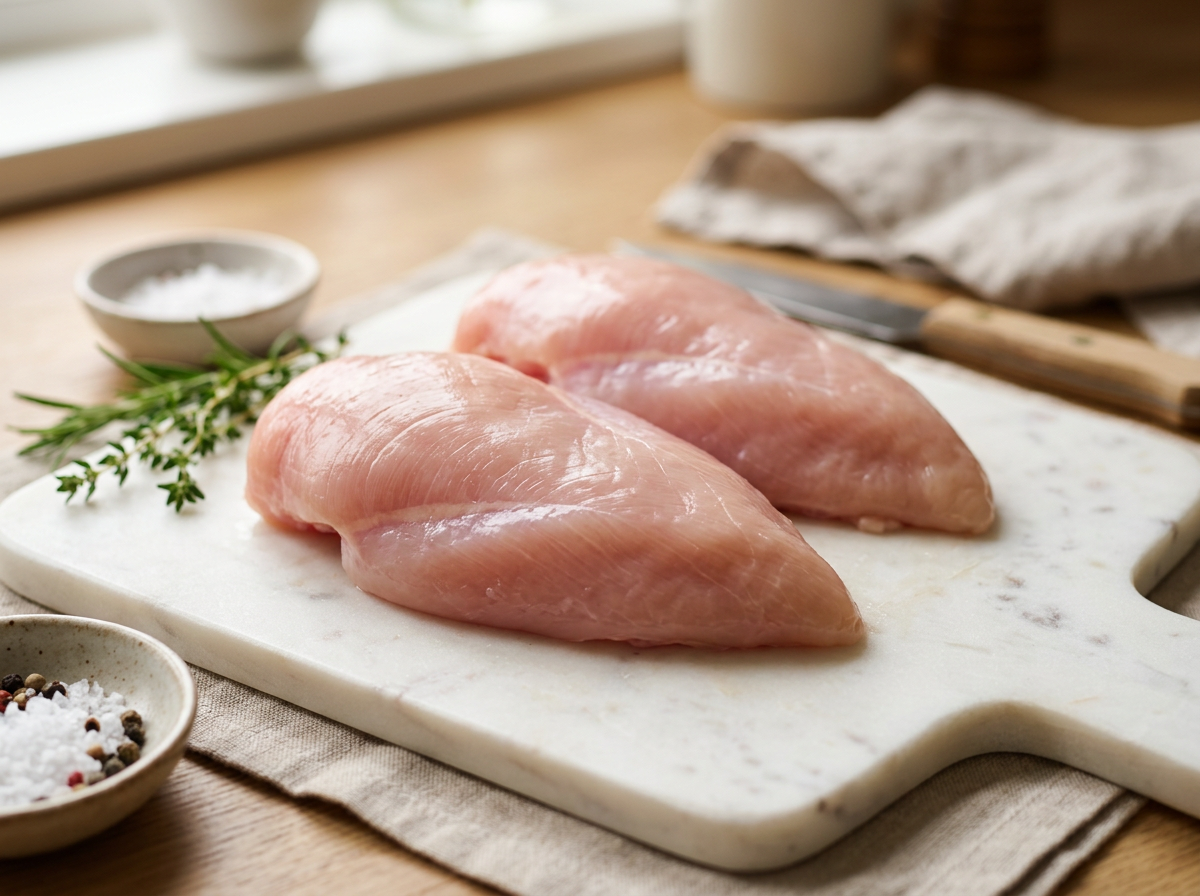
Grilled as nyama choma or slow-stewed in tomato-onion sauces for daily meals.
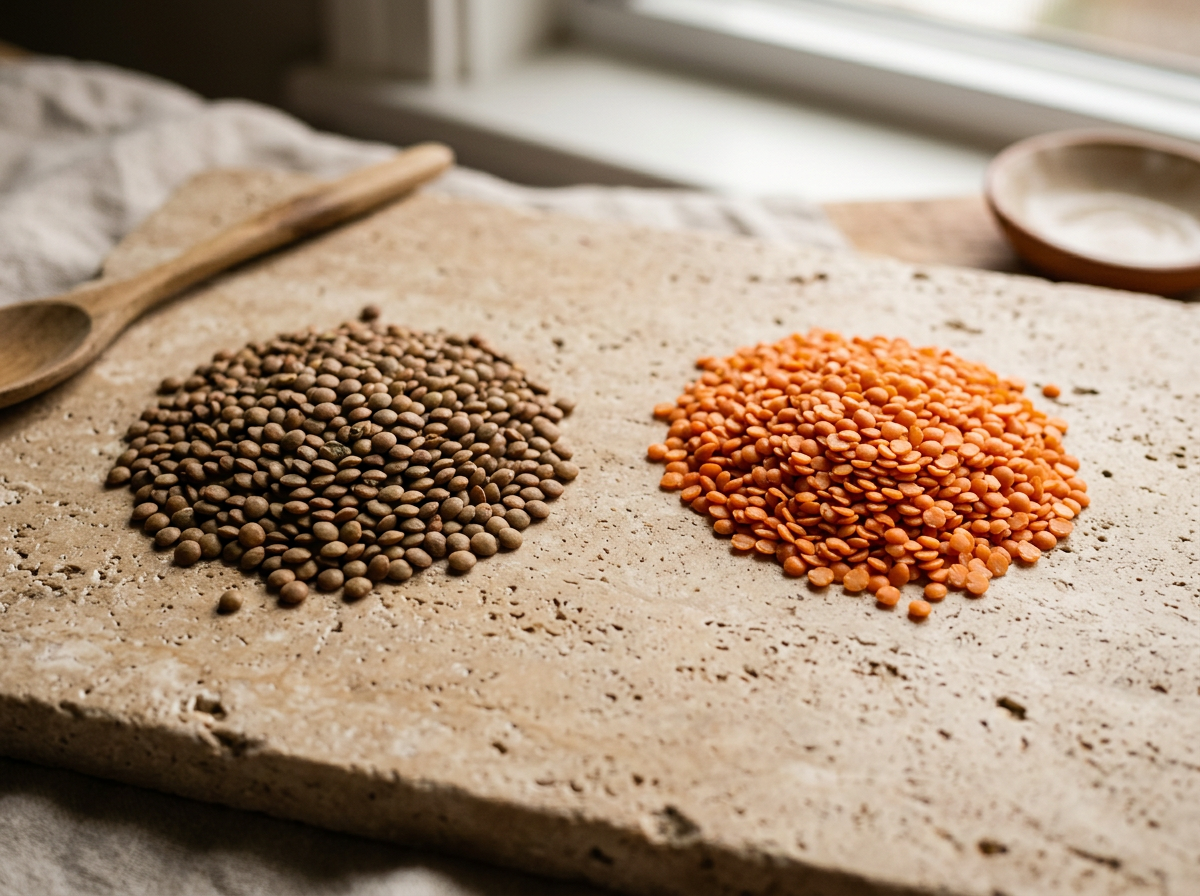
Githeri (boiled maize and beans) is a foundational dish; lentils appear in coastal dals.
Layered flatbread, pan-fried until golden and flaky, served with stews or eaten as a snack.
Essential in coastal cooking, enriching rice dishes, curries, and desserts.
Signature Techniques
Meat is seasoned simply with salt and lemon, then slow-grilled over charcoal until smoky and tender.
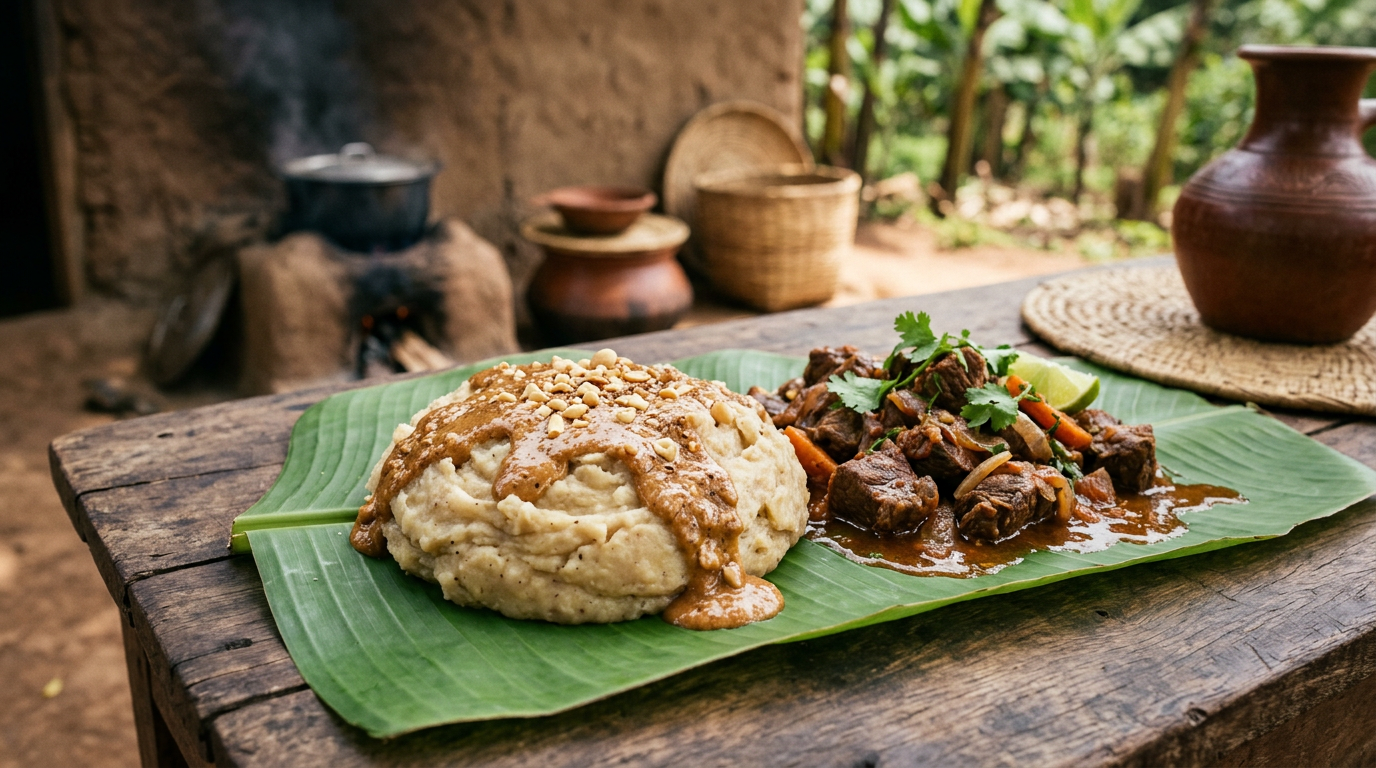
Maize flour is stirred into boiling water and worked with a wooden spoon until it forms a firm, smooth mound.
Dough is rolled, oiled, coiled, and re-rolled to create the flaky layers that make Kenyan chapati distinctive.
Meats and vegetables are simmered low and slow in tomato-onion bases until deeply tender and flavorful.
Signature Dishes
Charcoal-grilled goat or beef, simply seasoned — Kenya's most iconic social food.
Firm cornmeal porridge paired with sautéed collard greens and tomatoes — the everyday staple.
Fragrant spiced rice with meat, potatoes, and whole spices, reflecting Swahili coastal heritage.
Boiled maize and beans, sometimes enriched with vegetables — hearty, affordable, and nourishing.
Flaky, golden layered flatbread served alongside stews and curries.
Kenyan Recipes to Cook
Key Ingredients to Explore
Cooking Guides You May Like
Understanding Cooking Methods: Dry Heat, Moist Heat, and More
Every cooking method changes texture and flavor in a specific way. Knowing which to choose is the key to cooking anything well.
Building Balanced Meals: A Simple Framework
You do not need to count anything to eat well. A simple visual framework does the work for you.
Essential Kitchen Skills Every Home Cook Should Know
A short list of fundamental skills will do more for your cooking than any gadget. Here are the ones that matter most.