Tanzanian Cuisine
Spiced by the Indian Ocean and grounded in mainland tradition — a crossroads of flavor.
Introduction
Tanzanian cuisine sits at the crossroads of East Africa's mainland traditions and the aromatic spice trade of the Indian Ocean. The result is a cooking style that ranges from hearty inland stews built on beans, plantains, and ugali to the fragrant pilafs, curries, and grilled meats of the Swahili coast and Zanzibar.
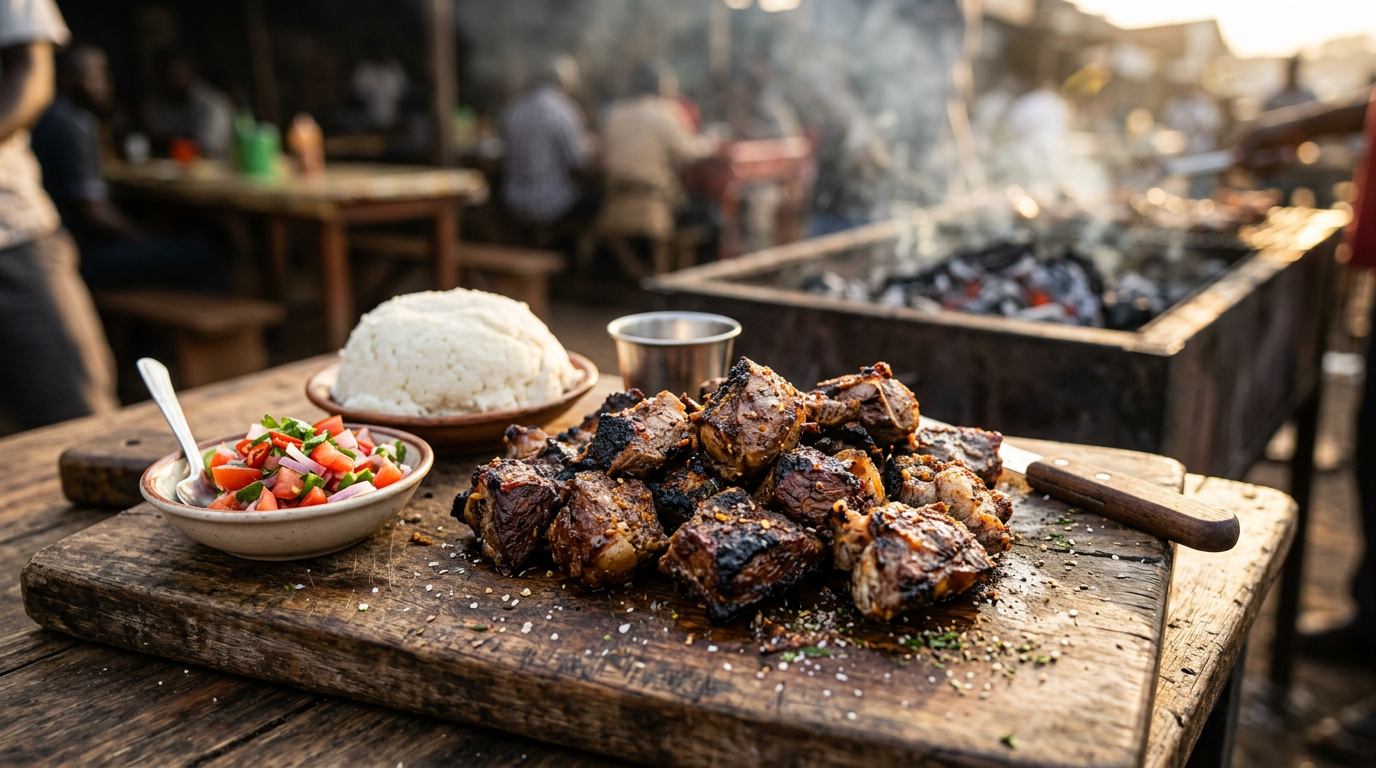
What unites Tanzanian cooking is a love of communal eating, generous seasoning, and fresh, whole ingredients prepared with care. Whether it is mishkaki sizzling over charcoal in Dar es Salaam or a bowl of slow-cooked beans in the highlands, Tanzanian food is warm, satisfying, and welcoming.
History
Tanzania's culinary heritage reflects centuries of Bantu agriculture, Arab and Persian spice trading through Zanzibar, Indian migration, and brief European colonial influence. The Swahili coast became a hub of the global spice trade, introducing cloves, cardamom, cinnamon, and cumin that now define Zanzibari and coastal cooking.
Inland, Bantu farming communities cultivated bananas, millet, sorghum, and later maize, creating staples like ugali and ndizi (cooked plantains) that remain everyday foods. Indian settlers brought chapati, samosa, and curry techniques that are now deeply embedded in Tanzanian daily life.
Cultural Context
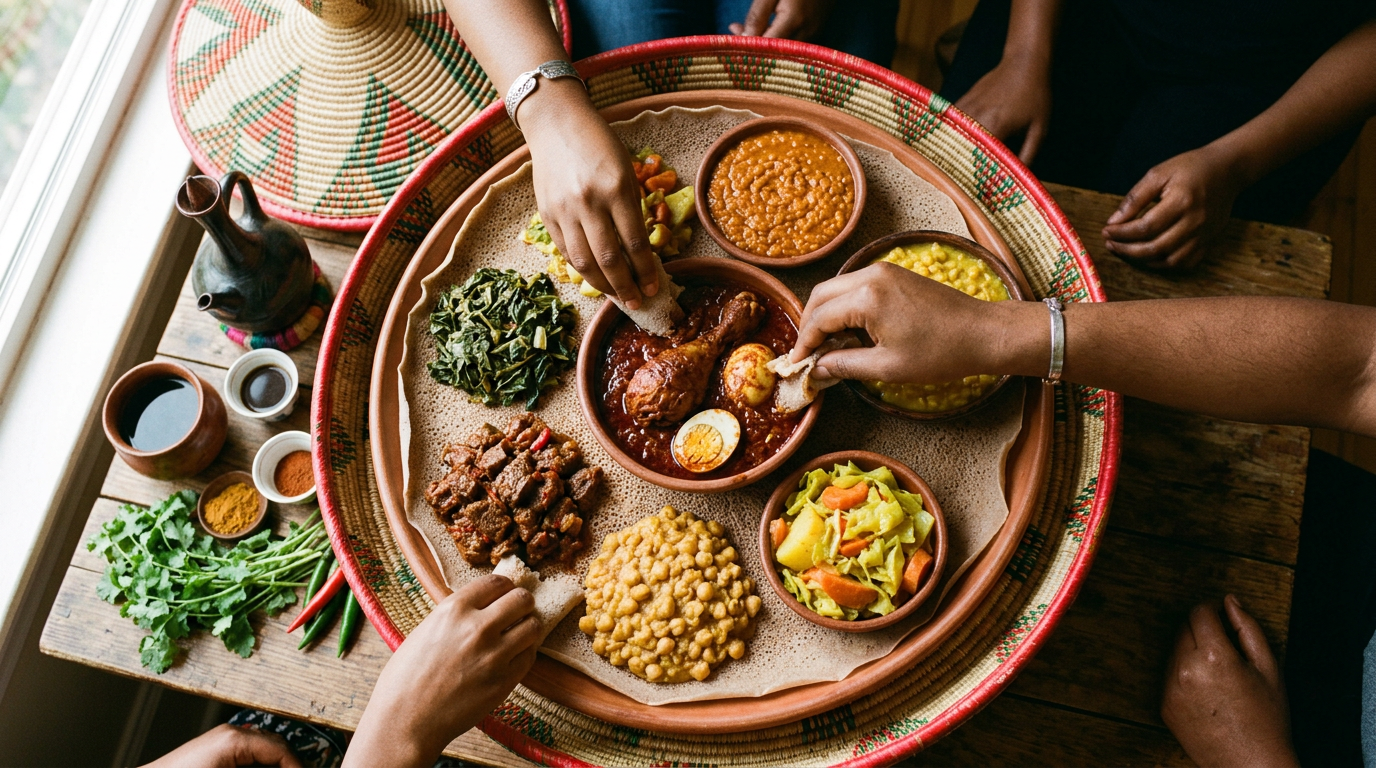
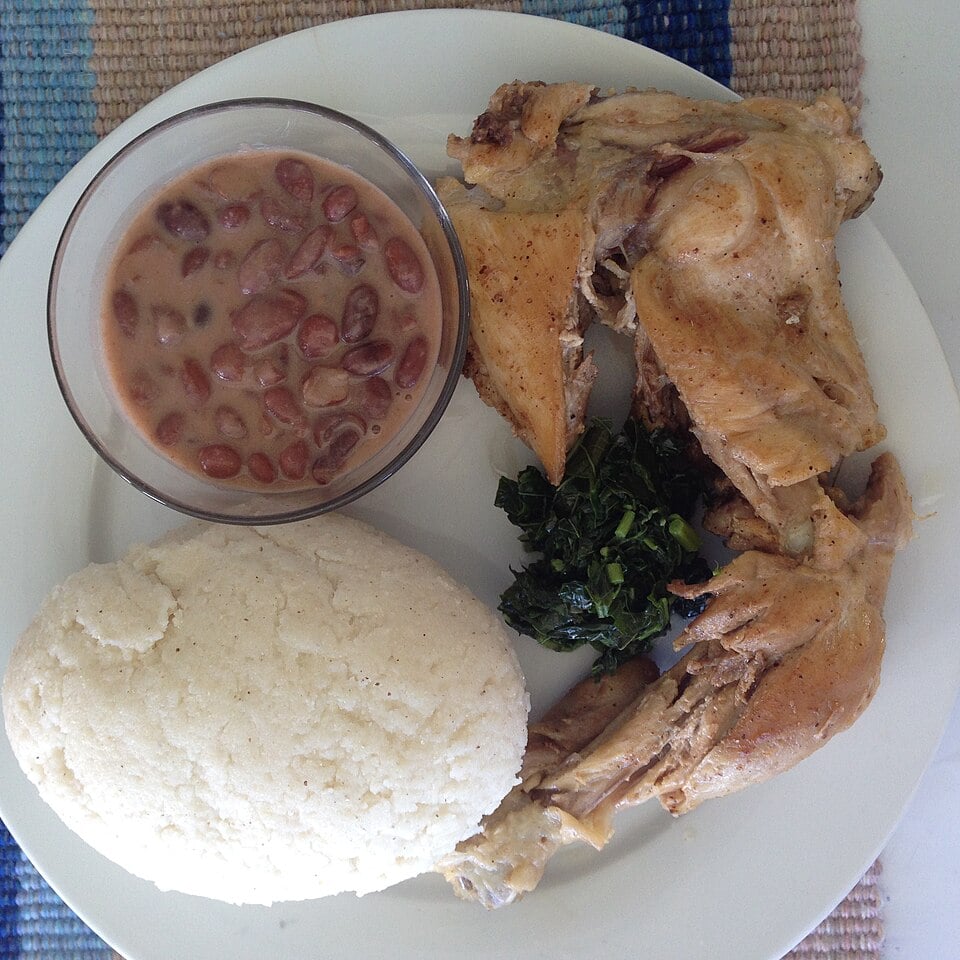
Tanzanian meals are communal, typically served on a shared platter. Rice or ugali forms the center, surrounded by stews, vegetables, and grilled meats. Hospitality is paramount — visitors are always offered food and chai, and refusing is considered impolite.
Street food culture thrives, particularly in Dar es Salaam and Stone Town. Zanzibar's night market at Forodhani Gardens is legendary, offering grilled seafood, Zanzibar pizza (stuffed crepe), and sugar-cane juice. Chai ya tangawizi (ginger tea) punctuates the day.
Regional Variations
Aromatic pilau, biryani, coconut curries, and grilled seafood dominate, reflecting Arab, Persian, and Indian influences.
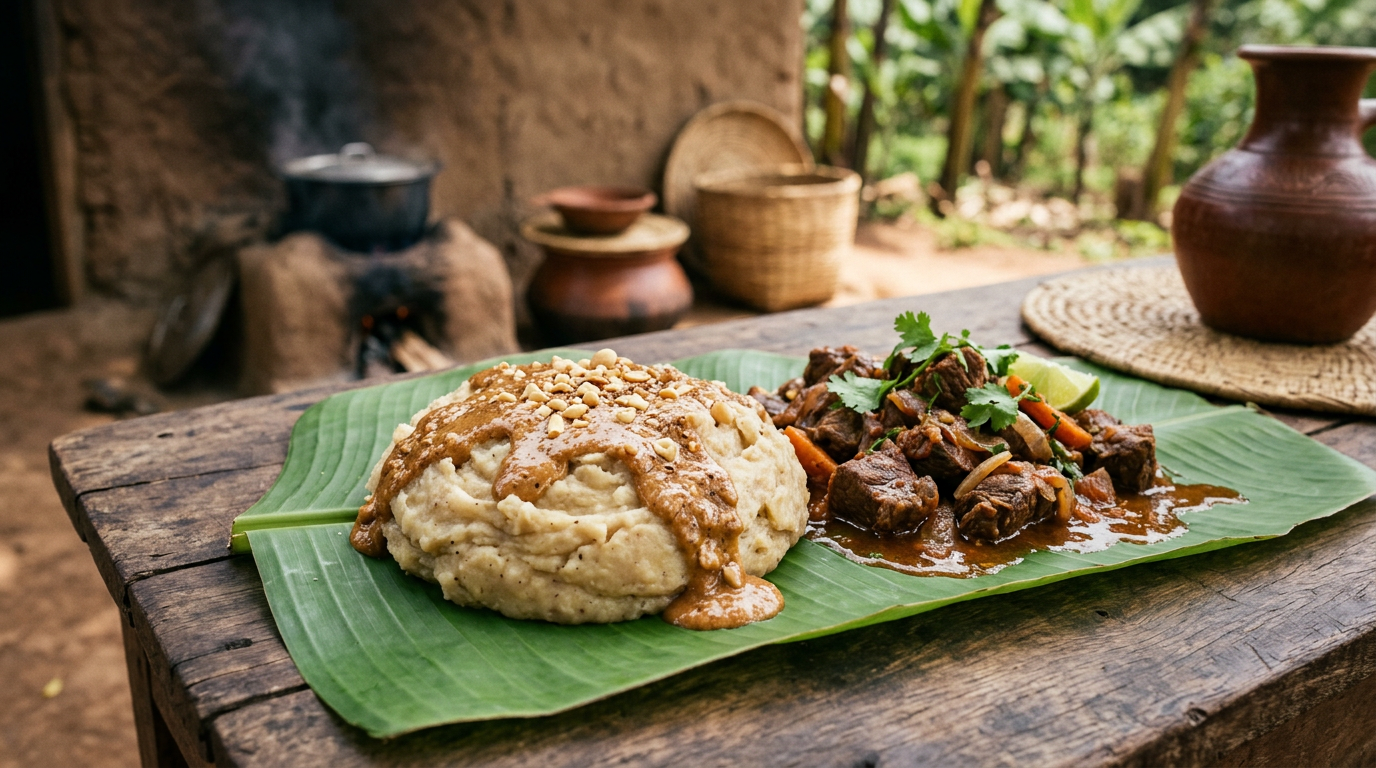
Chagga banana-based dishes like ndizi nyama (plantain and meat stew) and hearty bean soups.
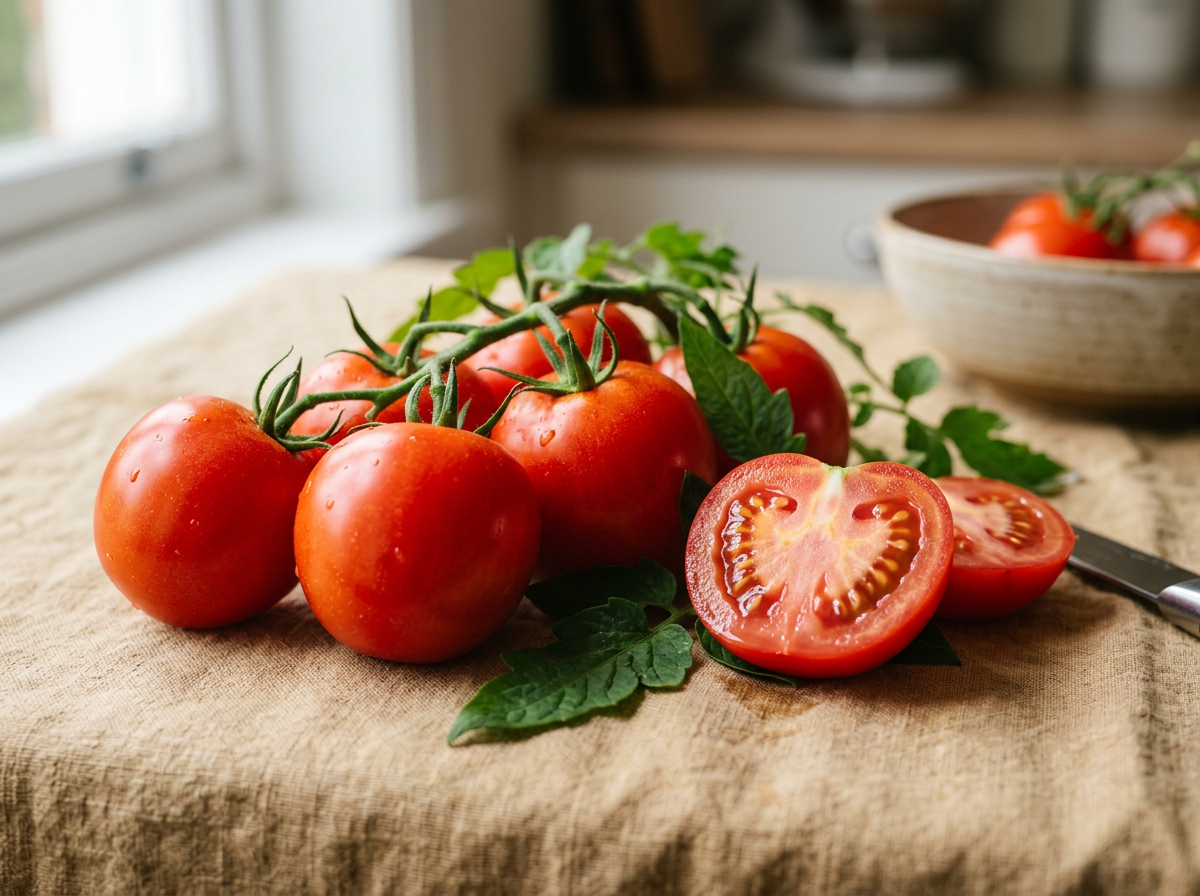
Freshwater fish from Lake Victoria — tilapia and Nile perch — grilled or stewed with tomatoes.
Agricultural heartland with abundant rice, avocado, and slow-cooked bean dishes.
Core Ingredients
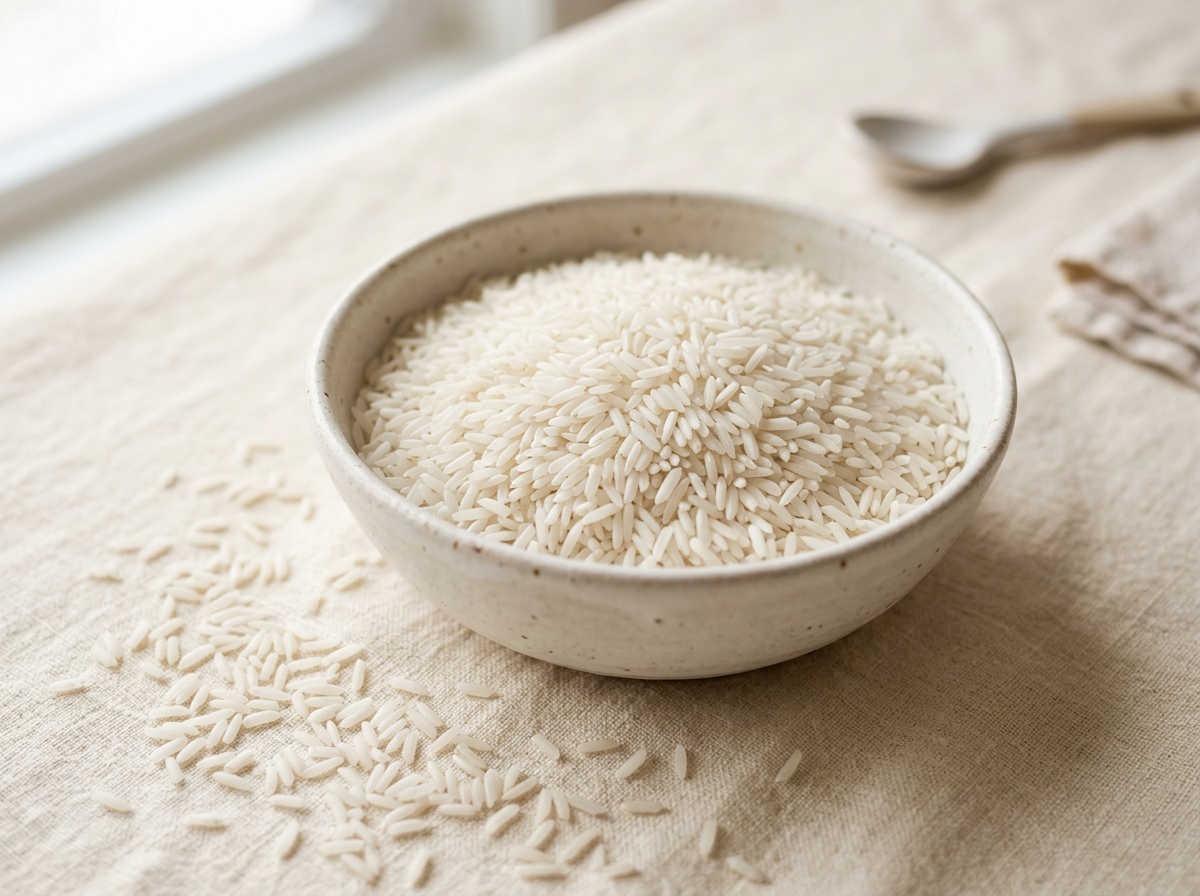
Rice dominates the coast; ugali (stiff maize porridge) anchors inland meals.
Central to coastal cooking — enriches curries, rice dishes, and desserts.
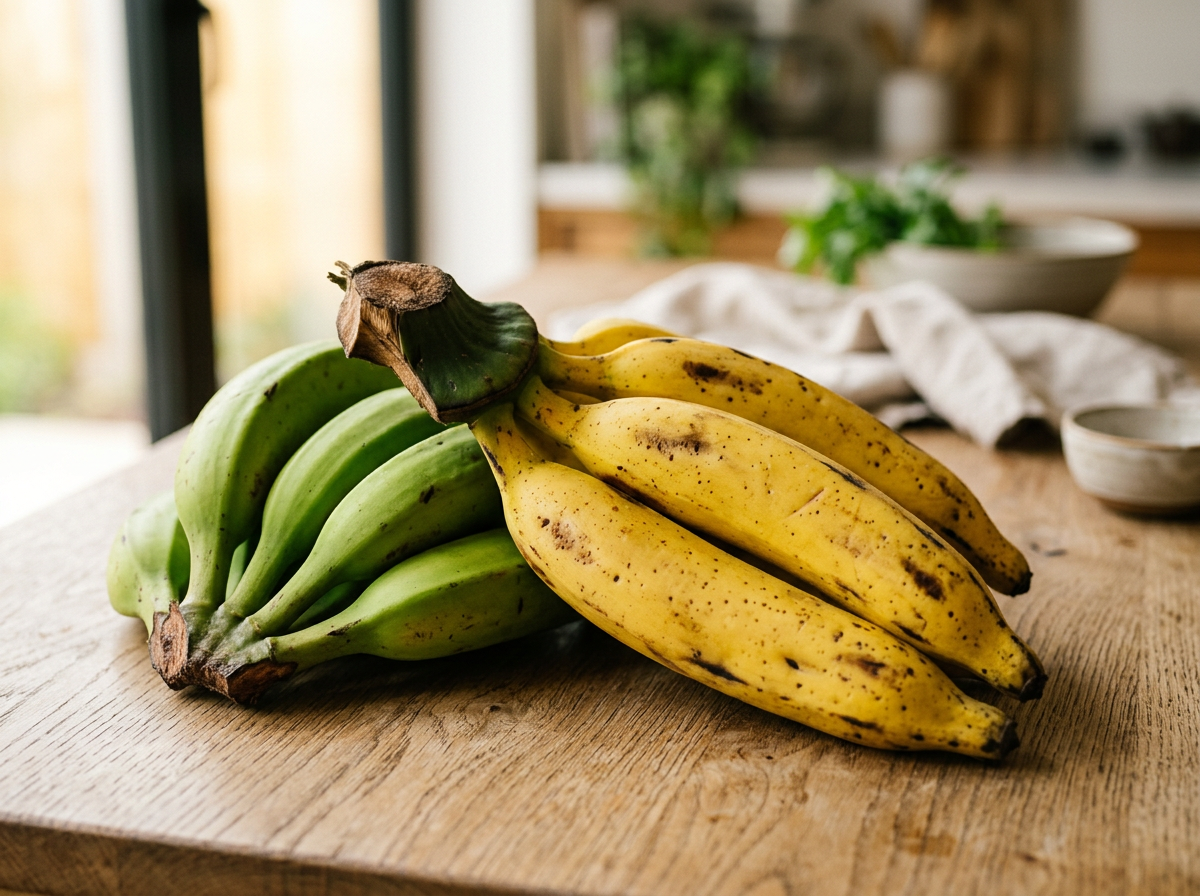
Cooked green as a savory staple or ripe as a sweet accompaniment.
Zanzibar's spice heritage flavors pilau, curries, and grilled meats.
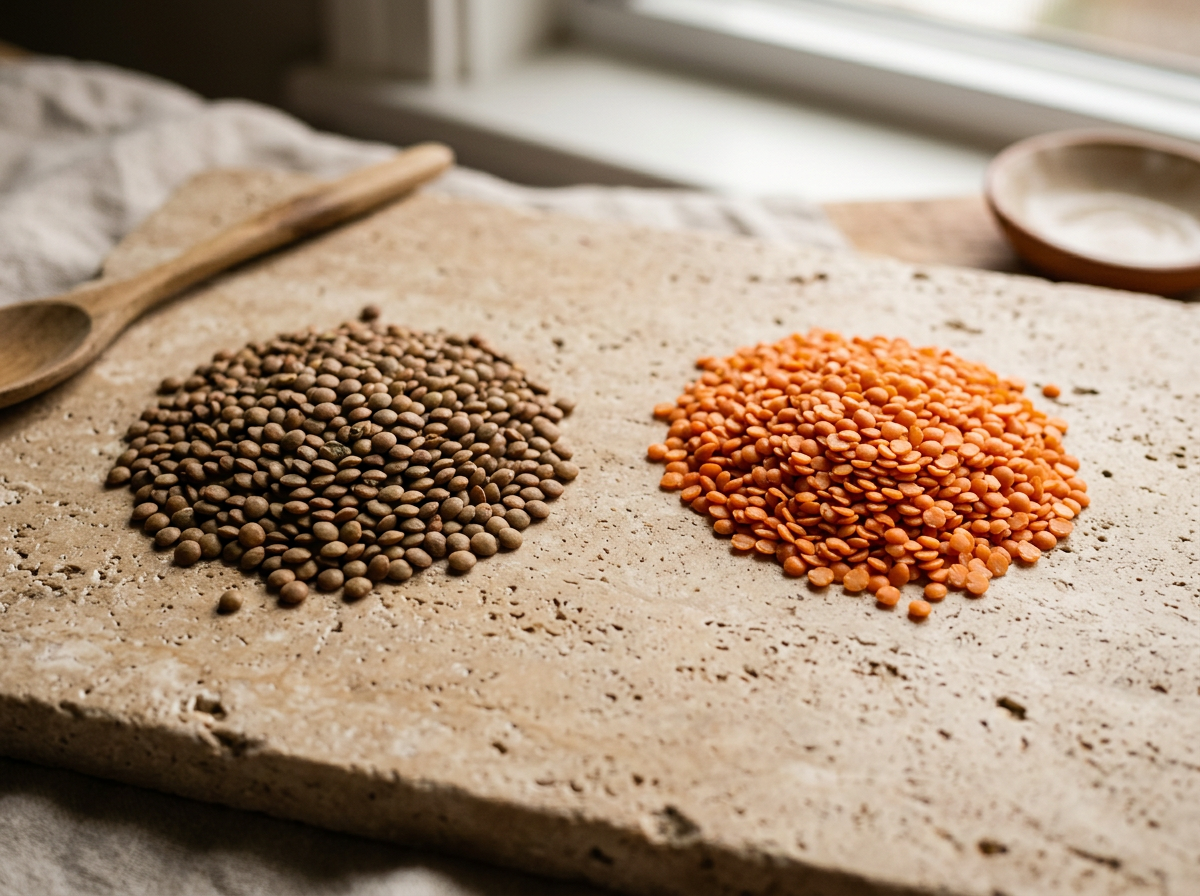
Slow-cooked with coconut or tomato, beans are a daily protein source.
Tilapia from the lakes, tuna and prawns from the coast — grilled, fried, or curried.
Signature Techniques
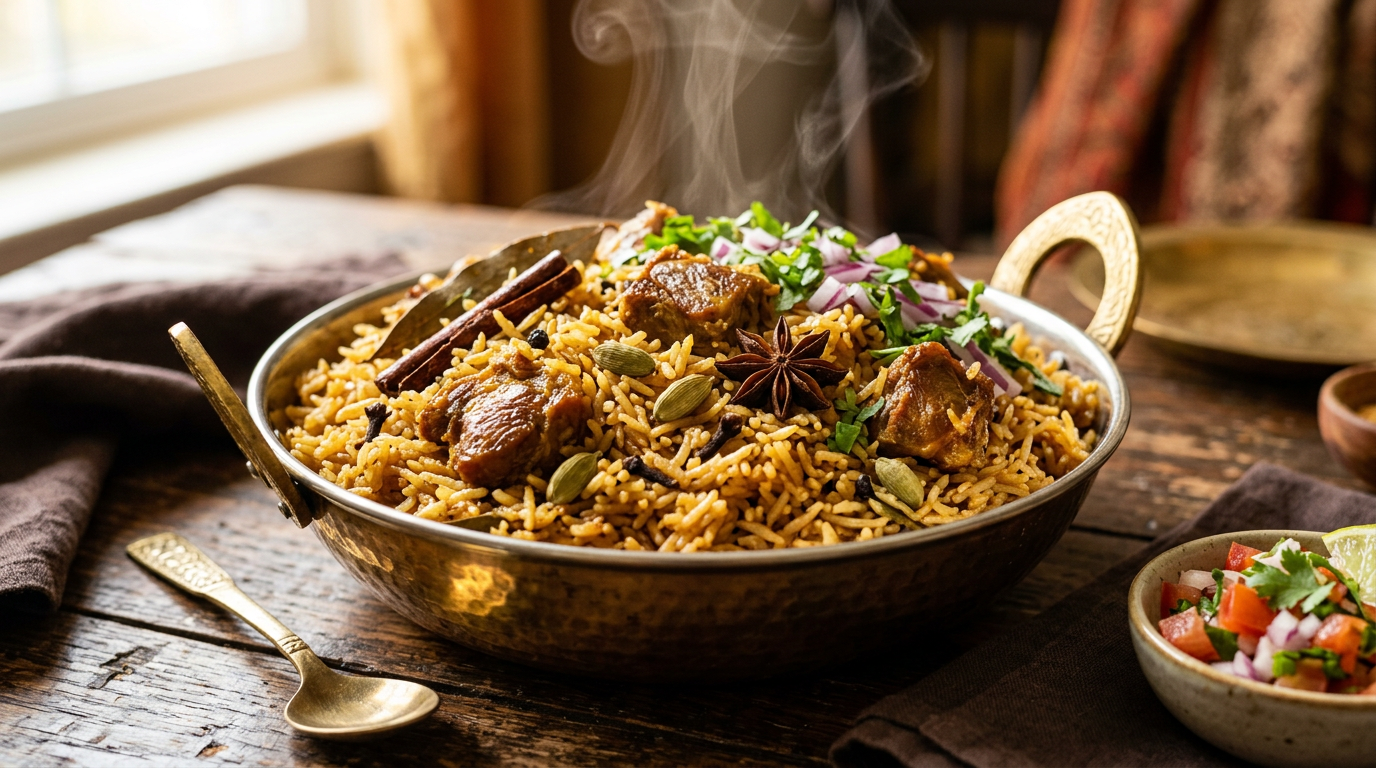
Whole spices are bloomed in oil, then meat and rice are layered and slow-cooked until fragrant and tender.
Marinated meat skewers are grilled over charcoal, basted with spiced oil.
Fresh coconut is grated and pressed to yield thick and thin milk used throughout coastal cooking.
Beans are simmered for hours with coconut milk or tomatoes until creamy and deeply flavored.
Signature Dishes
Aromatic spiced rice with meat and potatoes, perfumed with cardamom, cinnamon, and cumin — a celebration staple.
Marinated beef or chicken skewers grilled over charcoal — popular street food.
French fries folded into an omelette — Tanzania's beloved street-food creation.
Green plantains stewed with meat in a savory sauce — a hearty highland comfort dish.
A thin crepe stuffed with meat, egg, vegetables, and cheese, folded and griddled — a Stone Town icon.
Tanzanian Recipes to Cook
Key Ingredients to Explore

Cooking Guides You May Like
Understanding Cooking Methods: Dry Heat, Moist Heat, and More
Every cooking method changes texture and flavor in a specific way. Knowing which to choose is the key to cooking anything well.
Building Balanced Meals: A Simple Framework
You do not need to count anything to eat well. A simple visual framework does the work for you.
A Guide to Southeast Asian Flavors
Southeast Asian cooking thrives on balance — salty, sour, sweet, and hot in every bite. Here is how those flavors come together.