Ugandan Cuisine
Hearty, banana-centered, and warmly communal — the green heart of East Africa.
Introduction
Ugandan cuisine is built on the extraordinary abundance of the East African highlands — banana plantains, root vegetables, freshwater fish, and lush greens that grow year-round in fertile volcanic soil. The cooking is hearty, naturally fresh, and centered on the banana in a way unique among world cuisines: steamed, mashed, roasted, or fermented, the matoke banana is the national staple and cultural symbol.
From the elegant, slow-steamed banana-leaf parcels of luwombo to the street-corner rolex (a chapati-wrapped omelette that has become a national icon), Ugandan food is generous, flavorful, and deeply tied to the rhythms of community and family life.
History
Uganda's culinary traditions are rooted in the Bantu agricultural societies that cultivated bananas, millet, sorghum, and a wide range of tubers and greens. The kingdom of Buganda, centered around Kampala, developed refined cooking traditions — particularly luwombo, a royal court dish of meat steamed in banana leaves — that remain cherished today.
Arab traders, Indian migrants, and British colonial influence introduced spices, chapati, and tea, which were absorbed into the national diet. The result is a cuisine that honors indigenous ingredients while incorporating flavors from across the Indian Ocean world.
Cultural Context
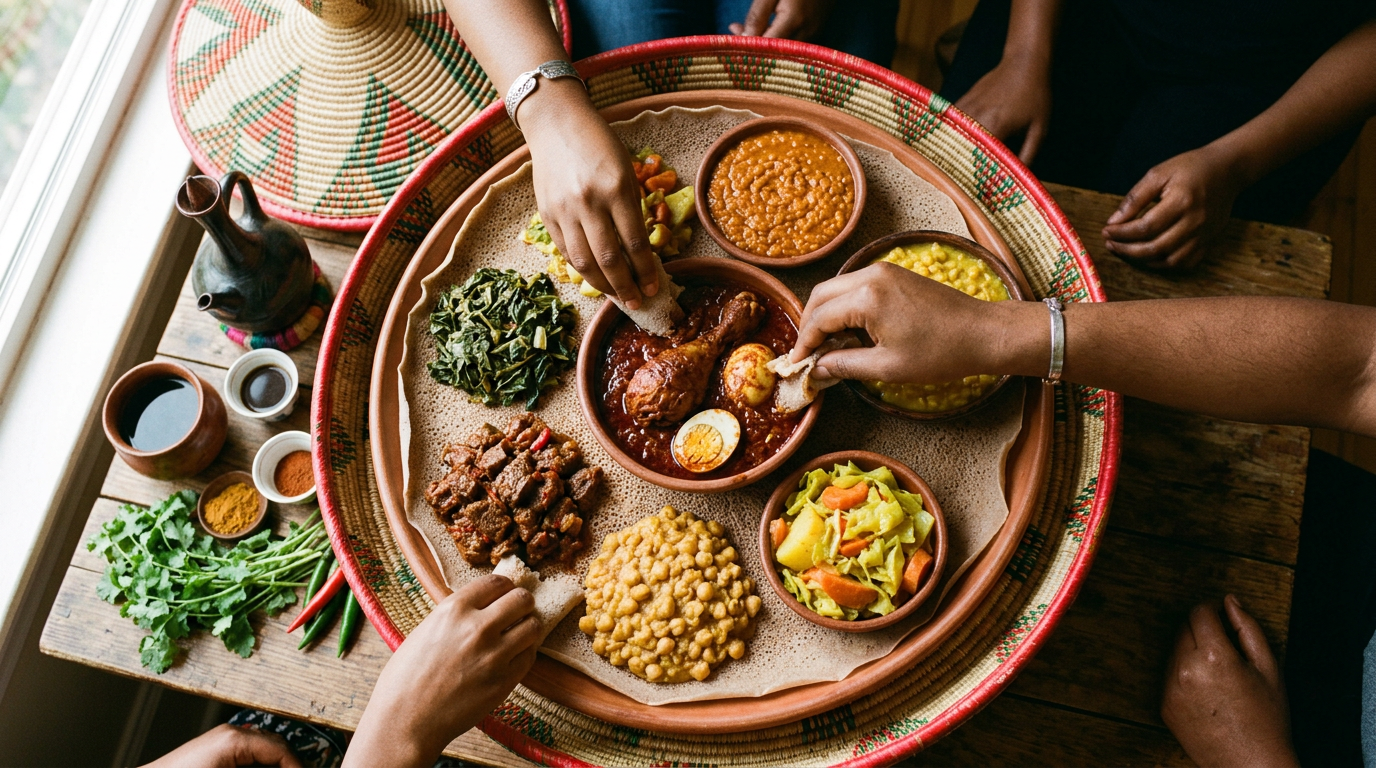
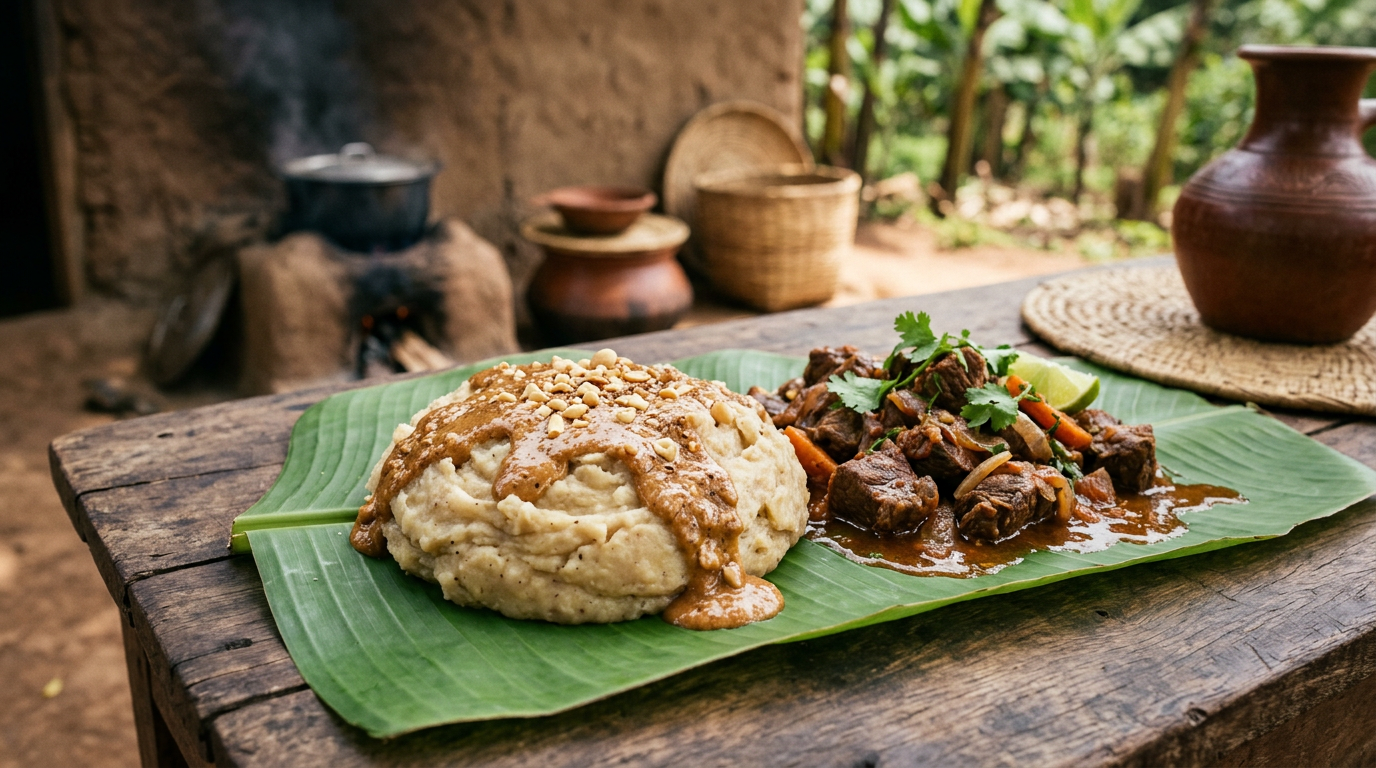
Meals in Uganda are communal affairs. A typical spread features a starchy staple — matoke, posho (ugali), or sweet potatoes — surrounded by stews, greens, and groundnut sauce. Food is often eaten by hand, with the starchy base used to scoop sauces.
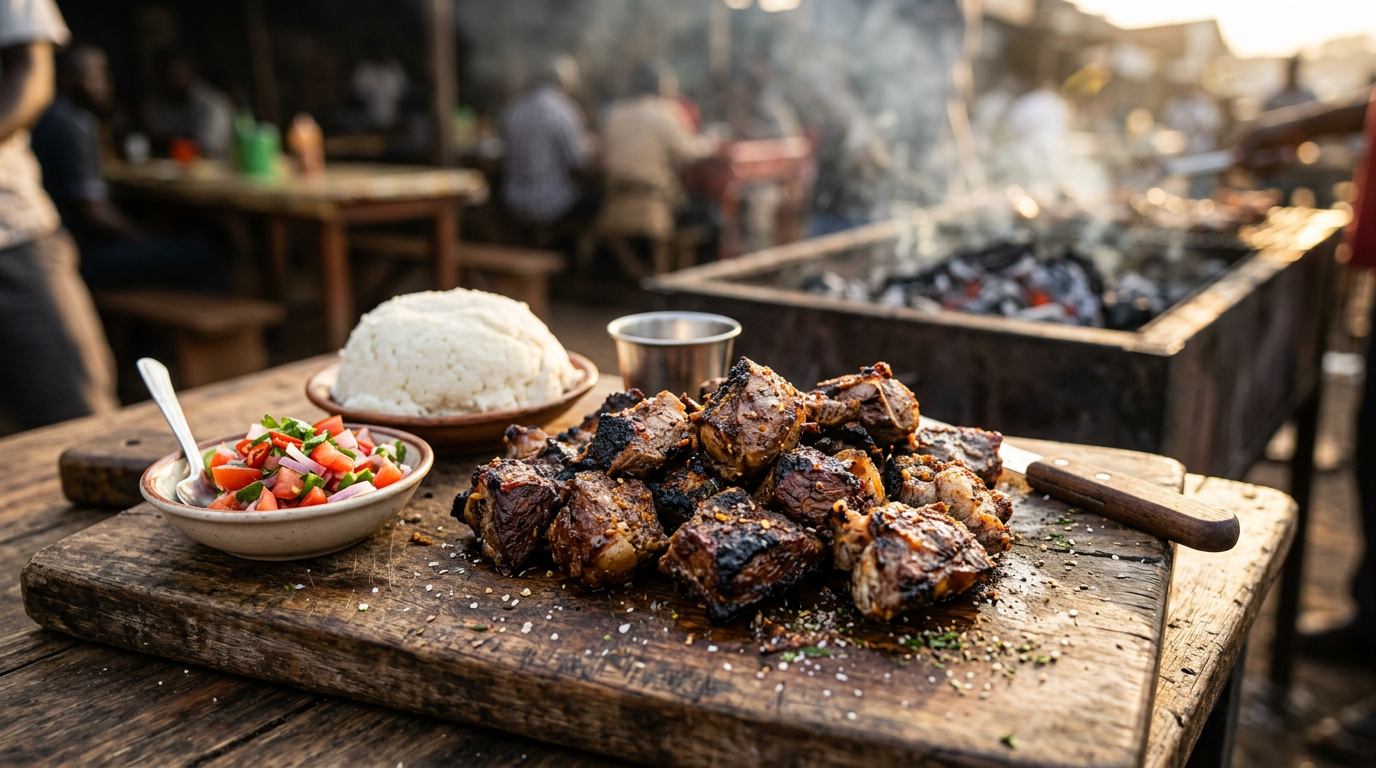
The rolex, born as a quick street snack in Kampala, has become an unofficial national dish and cultural phenomenon. Tea and roasted groundnuts are constant companions throughout the day.
Regional Variations
Matoke-centered cuisine with luwombo, groundnut stews, and steamed banana as the everyday staple.
Known for malewa (bamboo shoots), roasted meats, and abundant sweet potatoes.
Rich dairy traditions, millet bread (kalo), and slow-cooked bean dishes from the cattle-raising highlands.
Millet and sorghum porridges, dried meat, and simple, nourishing stews reflecting semi-arid conditions.
Core Ingredients
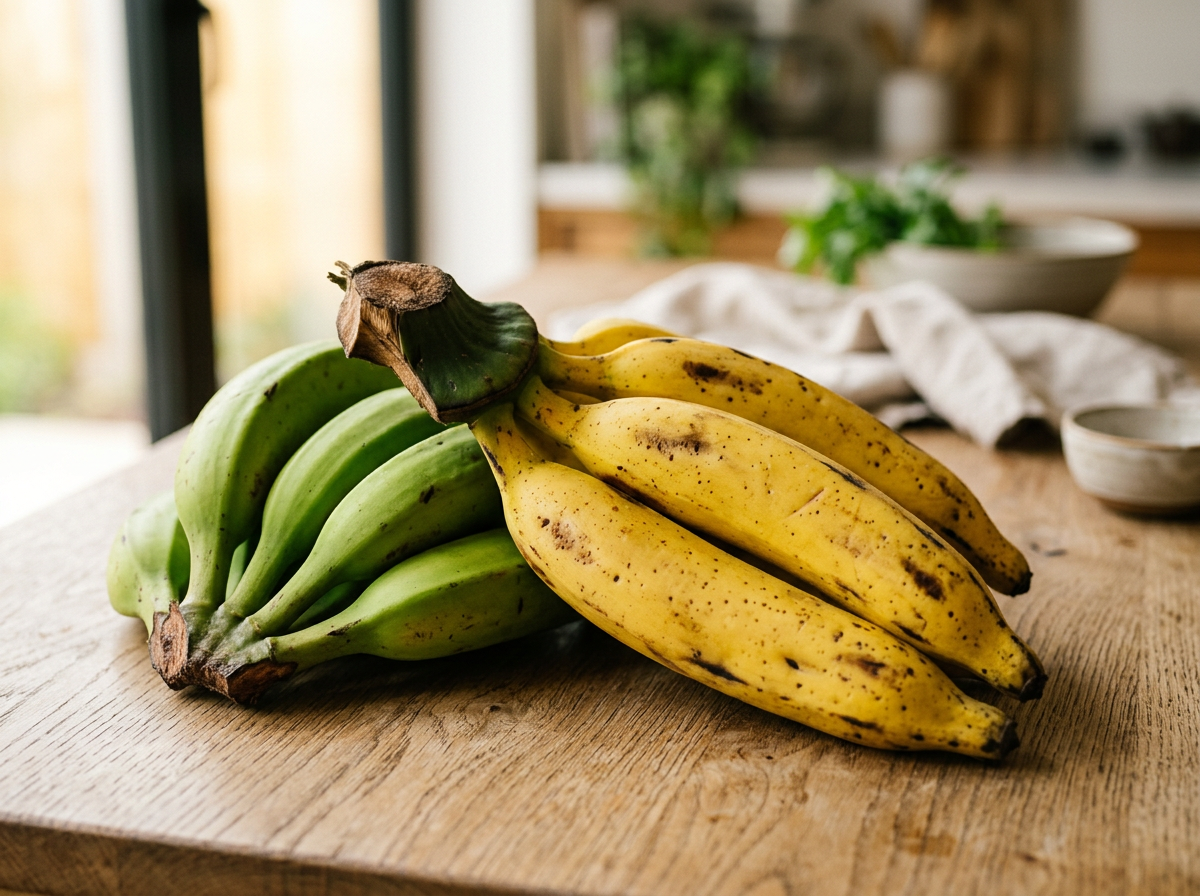
Steamed and mashed green bananas — the national staple, served with nearly every meal.
Ground into a rich sauce (binyebwa) that accompanies matoke, rice, and greens.
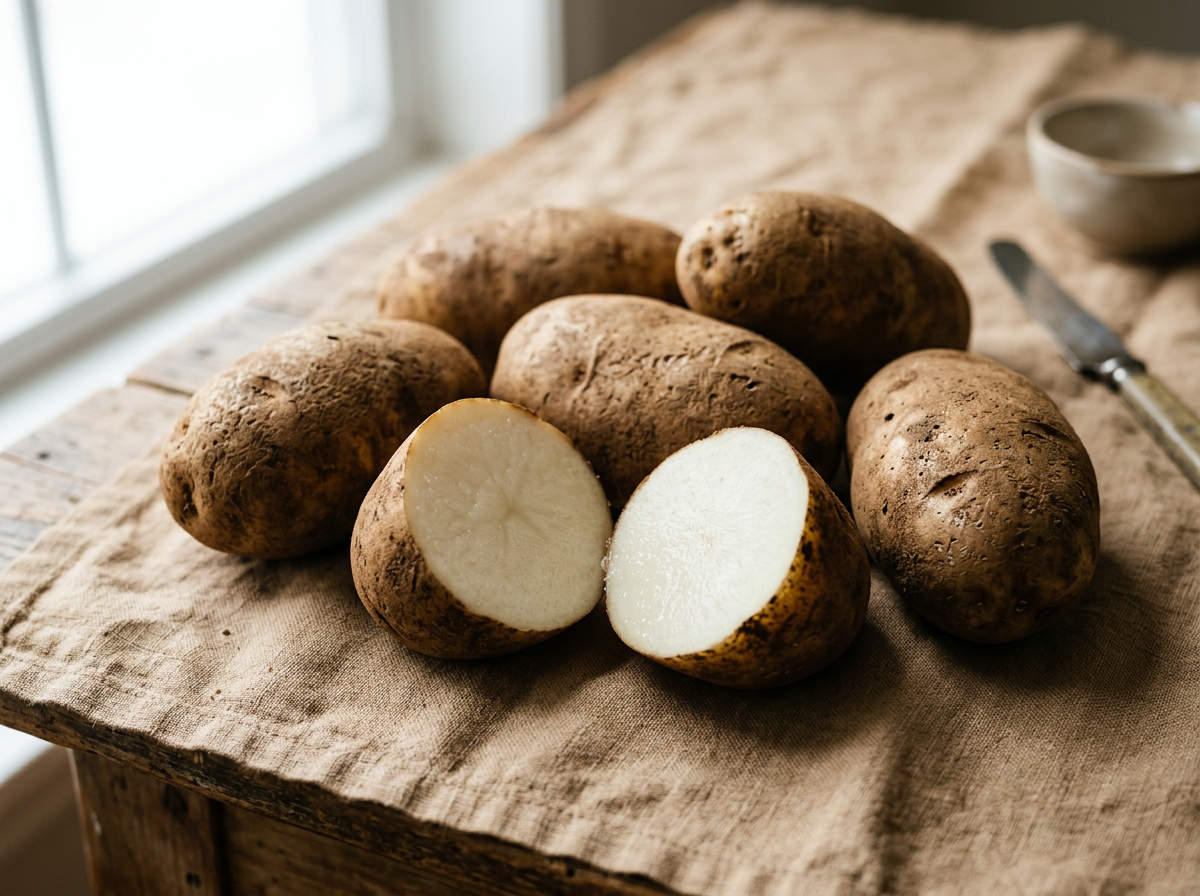
Boiled or roasted, these root vegetables are everyday staples alongside matoke.
Simmered slowly, beans are a daily protein source across all regions.
Used to wrap and steam luwombo parcels, imparting a subtle, earthy fragrance.
Tilapia and Nile perch from Lake Victoria, grilled, fried, or stewed.
Signature Techniques
Meat, chicken, or fish is wrapped with groundnut sauce in banana leaves and slow-steamed until tender — a royal court technique.
Steamed green bananas are mashed while still in the banana leaves until smooth and starchy.
Roasted groundnuts are pounded and simmered with water to create a thick, savory sauce.
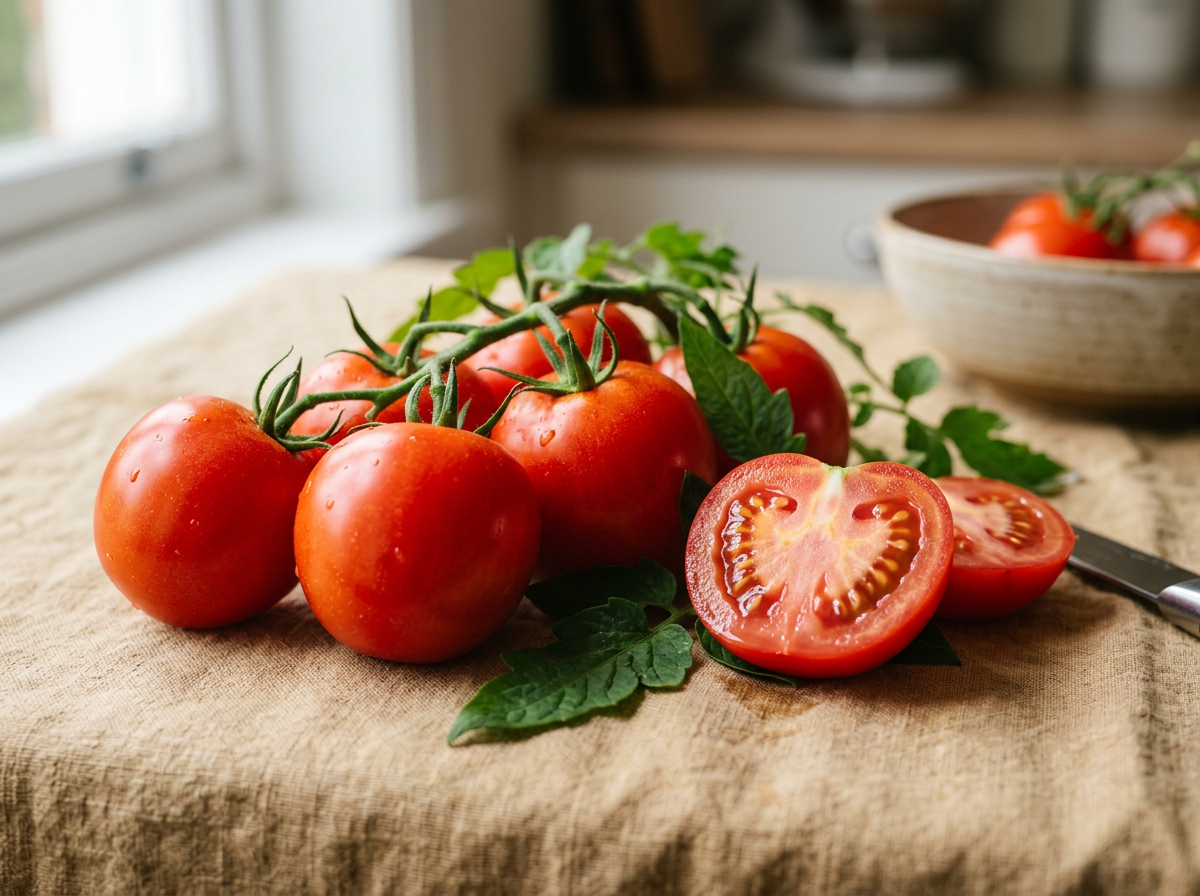
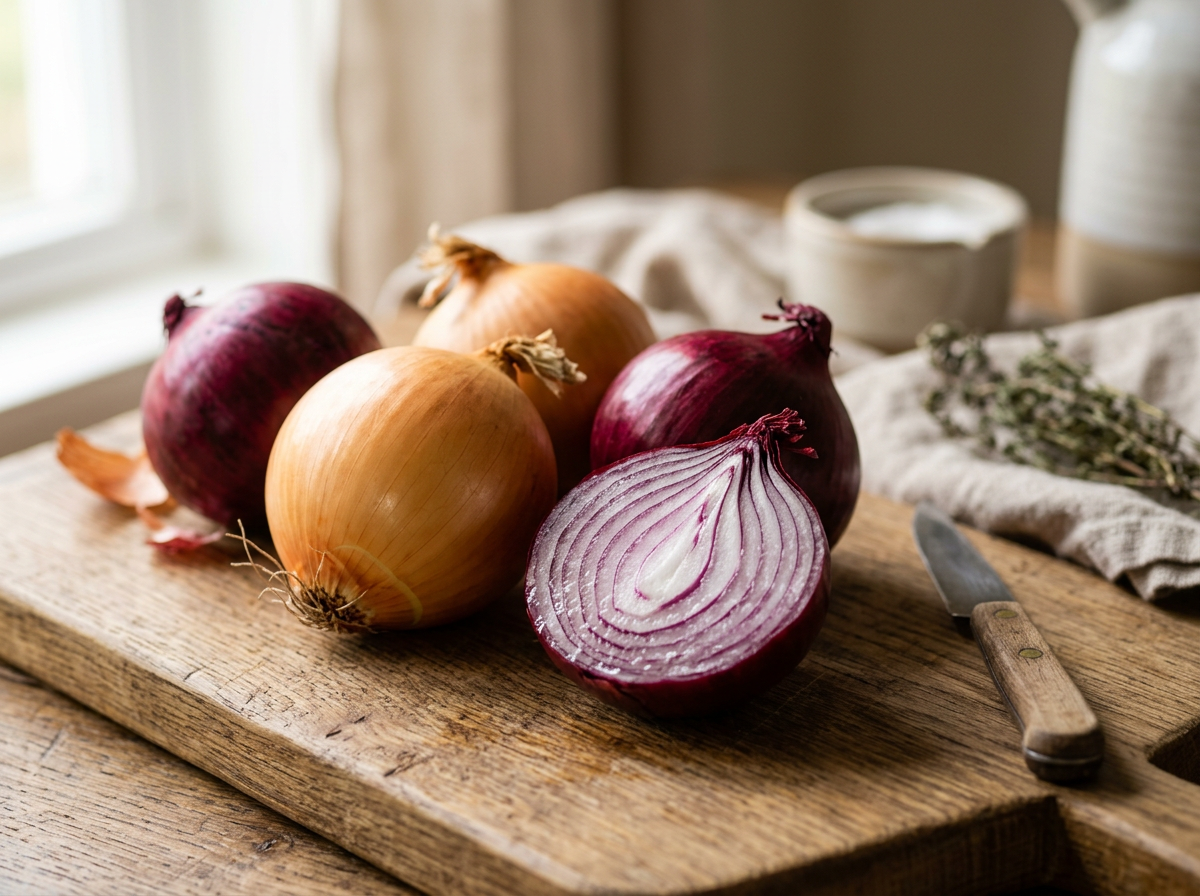
A thin omelette with tomatoes, onions, and cabbage is rolled inside a freshly fried chapati.
Signature Dishes
Steamed and mashed green bananas served with groundnut sauce or meat stew — the national staple.
Meat or chicken slow-steamed in banana-leaf parcels with groundnut sauce — an elegant celebration dish.
A chapati rolled around a vegetable omelette — Uganda's iconic street food.
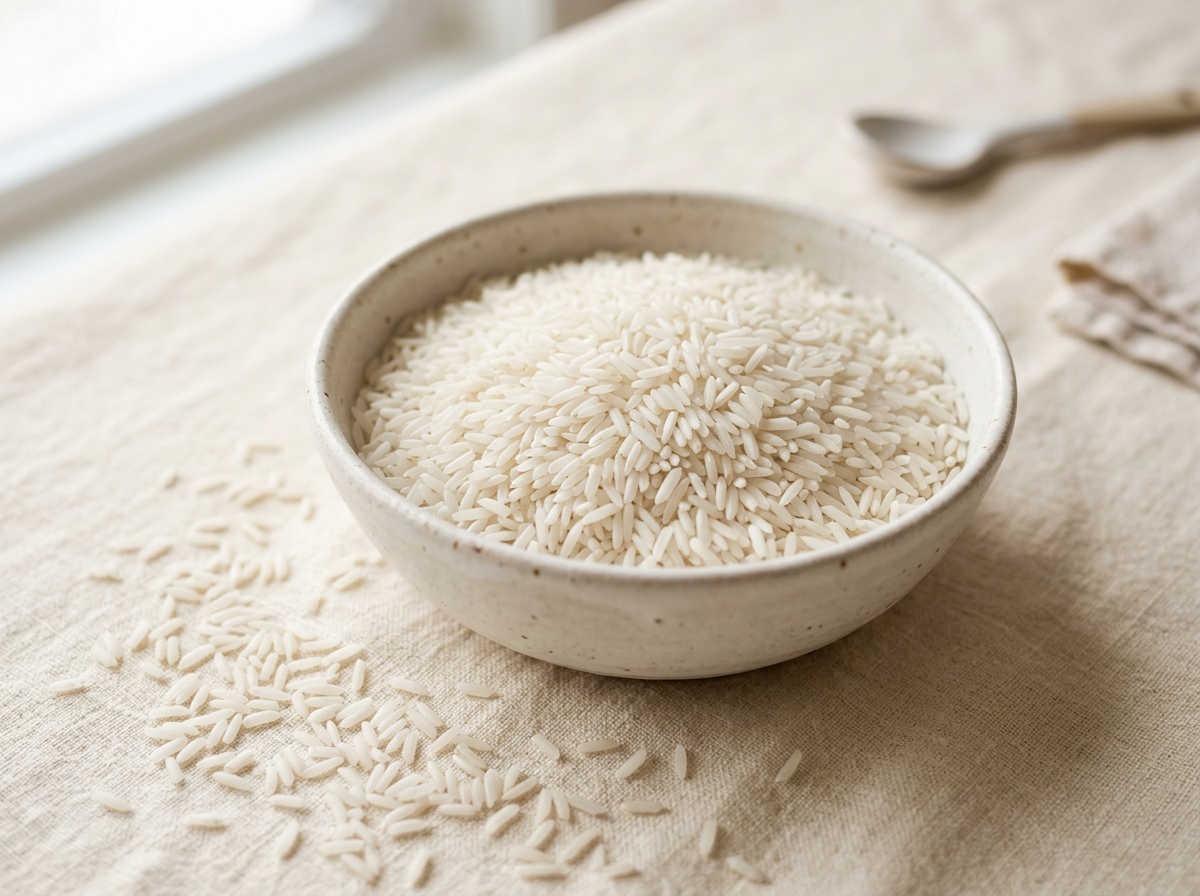
A thick, savory peanut-based stew served over rice or matoke.
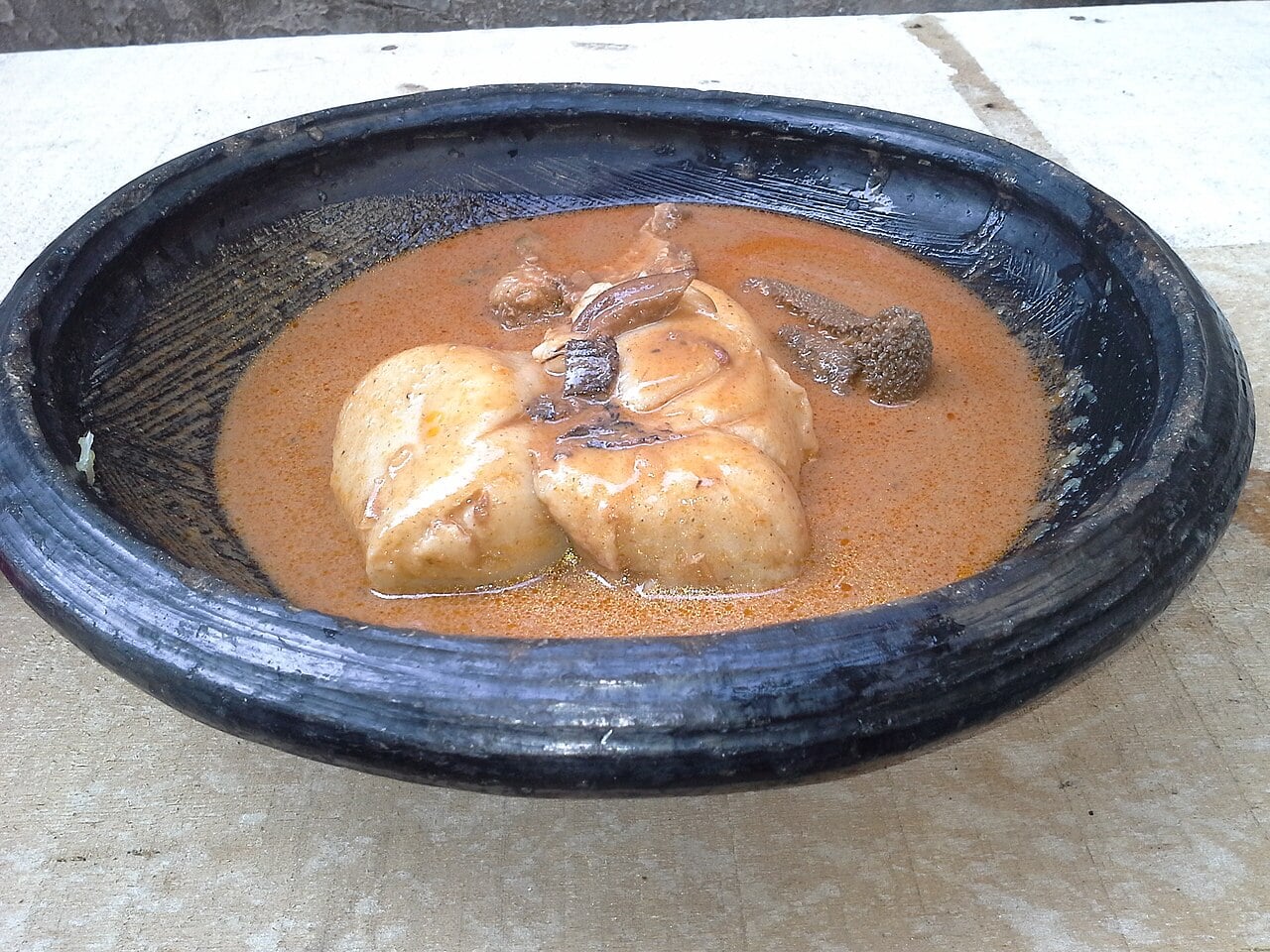
A hearty breakfast stew of plantains cooked with beans, offal, or vegetables.
Ugandan Recipes to Cook
Key Ingredients to Explore

Cooking Guides You May Like
Understanding Cooking Methods: Dry Heat, Moist Heat, and More
Every cooking method changes texture and flavor in a specific way. Knowing which to choose is the key to cooking anything well.
Building Balanced Meals: A Simple Framework
You do not need to count anything to eat well. A simple visual framework does the work for you.
A Guide to West African Cooking
From jollof rice to groundnut stew, West African cooking is generous, spice-forward, and made for sharing. Here is an introduction.