Singaporean Cuisine
A melting-pot masterpiece — hawker heritage, bold fusion, and meticulous flavor.
Introduction
Singaporean cuisine is a melting pot of Chinese, Malay, Indian, and Peranakan traditions, refined in one of the world's great food cities. The island nation's hawker centers — recognized by UNESCO as intangible cultural heritage — are where the magic happens: Hainanese chicken rice poached to silky perfection, chili crab drenched in sweet-spicy sauce, and laksa simmering in fragrant coconut broth, all served at communal tables for a few dollars.
What distinguishes Singaporean food is not just its multicultural origins but the meticulous standards Singaporeans apply to every dish. A bowl of bak kut teh or a plate of char siu must meet exacting local standards — and the debate over which hawker stall serves the best version is a national pastime.
History
Singapore's food story mirrors its history as a trading port. Chinese immigrants (Hokkien, Teochew, Cantonese, Hakka) brought noodle and rice traditions. Malay and Indonesian communities contributed spice pastes and coconut-based cooking. Indian laborers and merchants established Little India's curry and roti culture.
The Peranakan community — descendants of Chinese settlers who married Malay women — created the intricate Nyonya cuisine that blends both traditions. British colonial influence added curry puffs, kaya toast, and the kopitiam (coffee shop) culture. Singapore's post-independence hawker policy formalized street-food vending into the beloved hawker center system.
Cultural Context
Food is Singapore's national obsession. Hawker centers are designated as UNESCO Intangible Cultural Heritage, and the question 'Where to eat?' drives daily conversation. Office workers, families, and celebrities eat side by side at shared tables.
The kopi (coffee) ritual is uniquely Singaporean — ordering involves a shorthand language (kopi-o, kopi-c, kopi-gao) that reflects how seriously Singaporeans take their daily brew. Supper culture thrives: zi char stalls and mamak joints stay open until the early hours.
Regional Variations
Classic hawker fare: Hainanese chicken rice, bak kut teh, char kway teow, and dim sum.
Banana-leaf rice, fish-head curry, murtabak, and elaborate thali spreads.
Peranakan heartland: Katong laksa, ayam buah keluak, and Nyonya kuih.
Late-night dining: zi char, frog porridge, durian stalls, and old-school coffee shops.
Core Ingredients
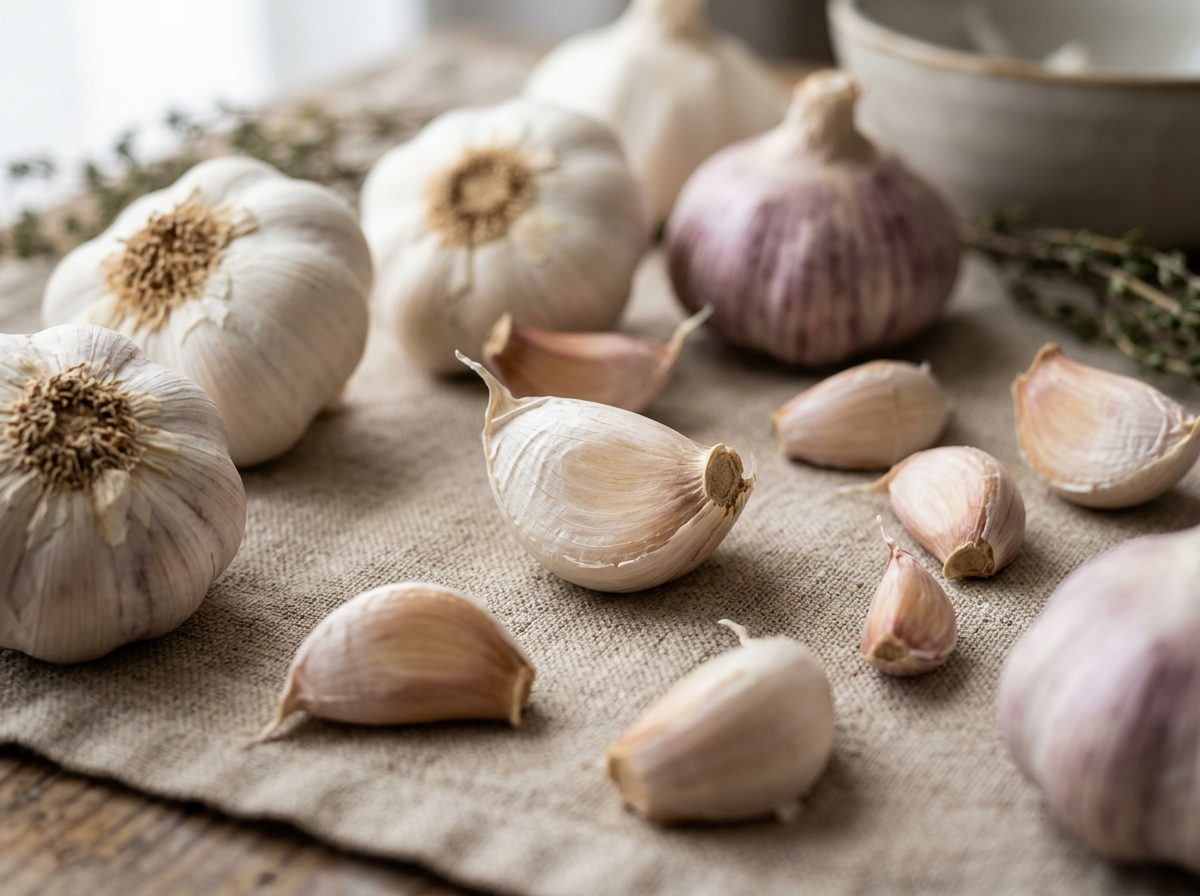
Chinese-origin umami foundations used in stir-fries, marinades, and braised dishes.
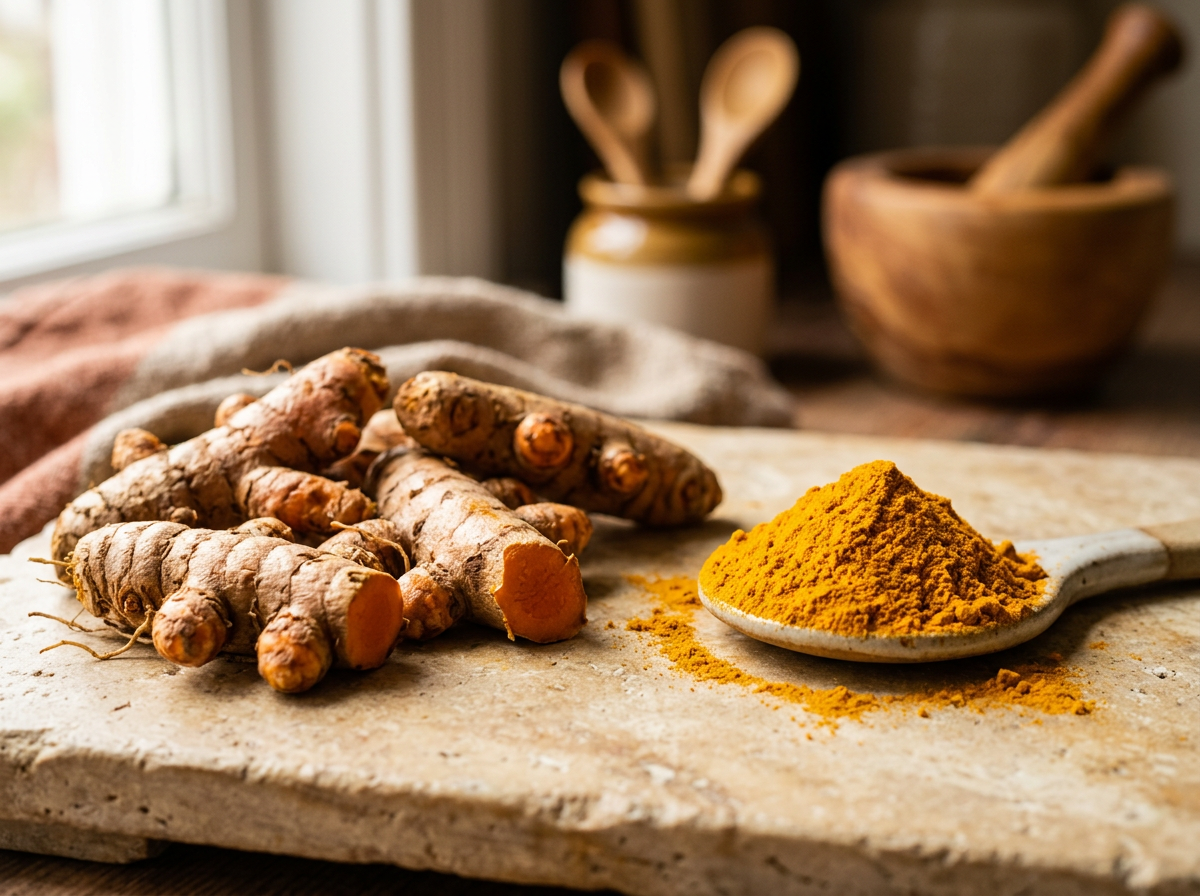
Malay-origin bases for curries, laksa, and sambals.
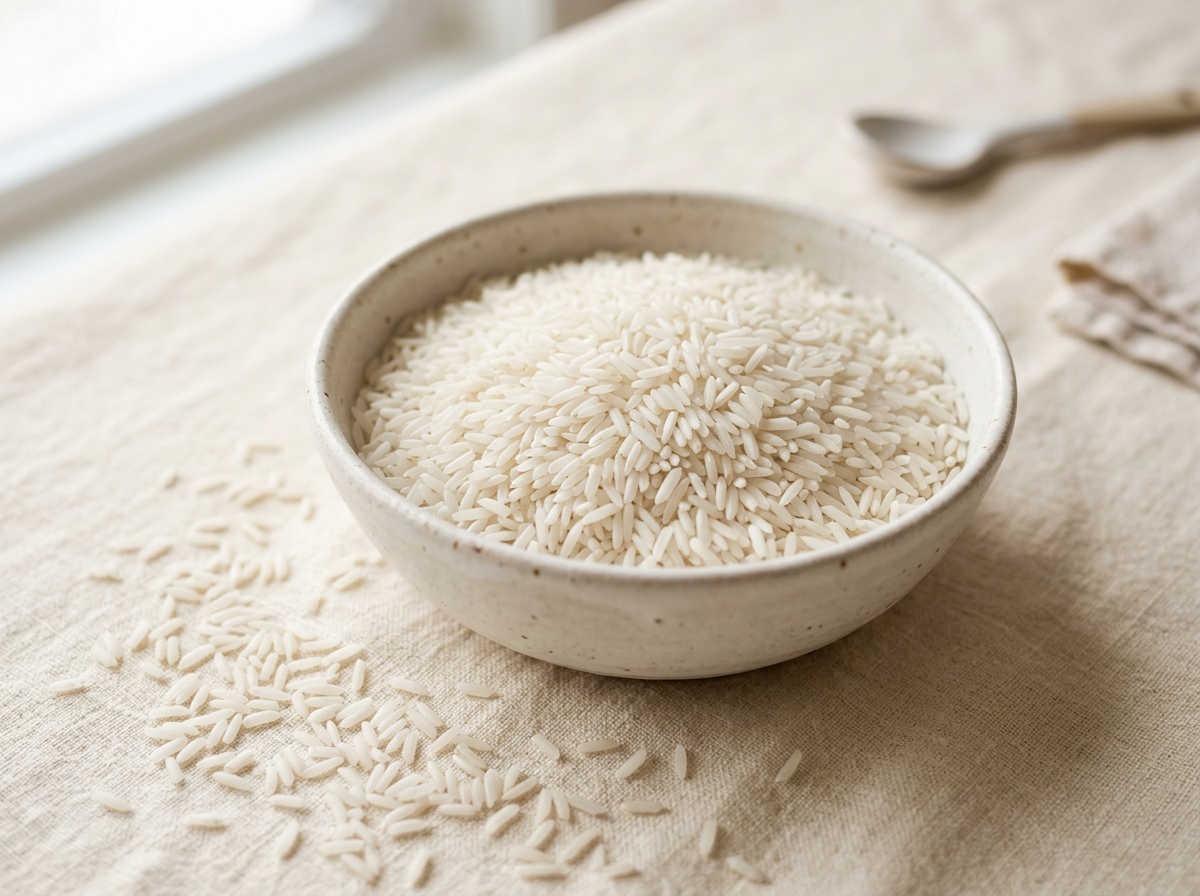
The vanilla of Southeast Asia — used in rice, desserts, and kuih for its sweet, green fragrance.
A Singaporean meal without chili sauce is incomplete — from sambal belacan to the sweet-spicy chili crab sauce.
Rice is the daily staple; noodles (kway teow, mee, bee hoon) anchor hawker classics.
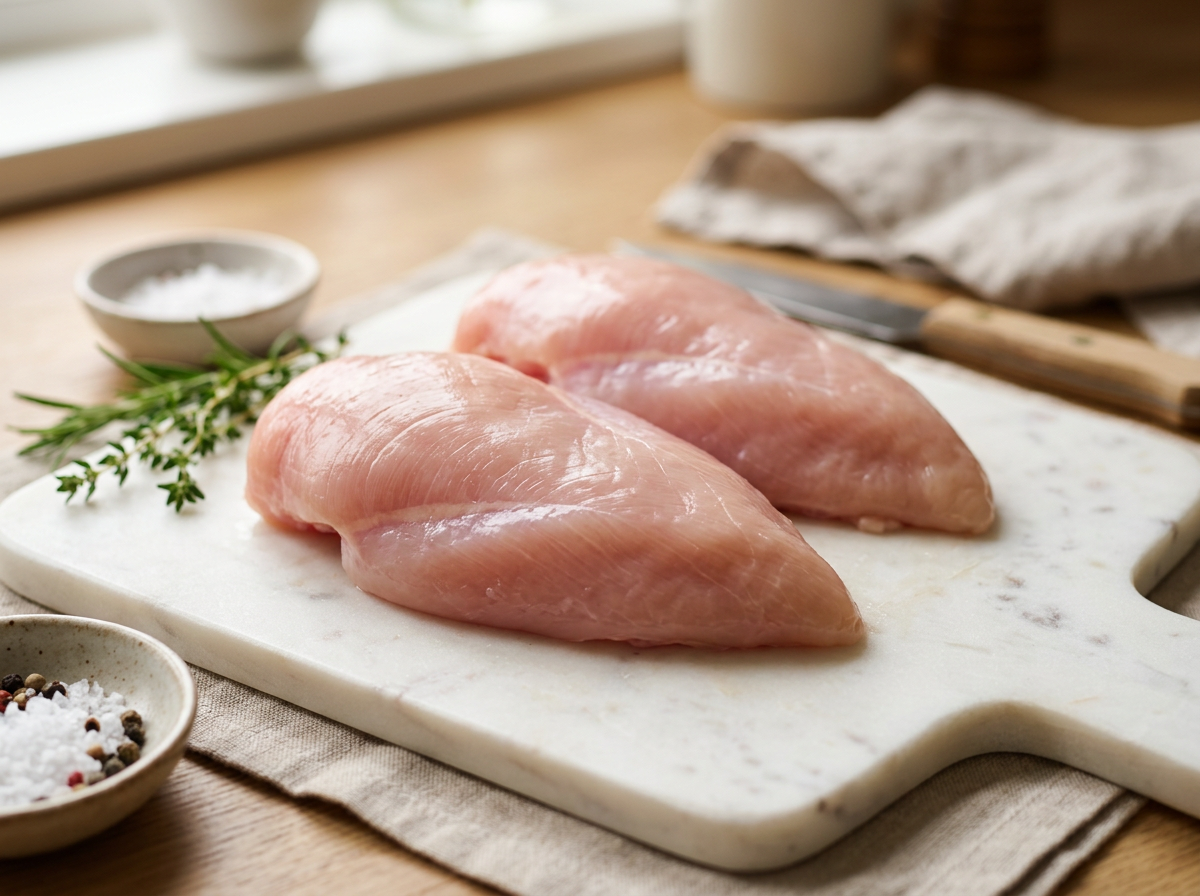
Poached, roasted, or braised — chicken rice is the national icon.
Signature Techniques
Whole chicken is gently poached in stock, then shocked in ice water for silky, tender meat.
Intense wok heat creates the smoky char essential to char kway teow and Hokkien mee.
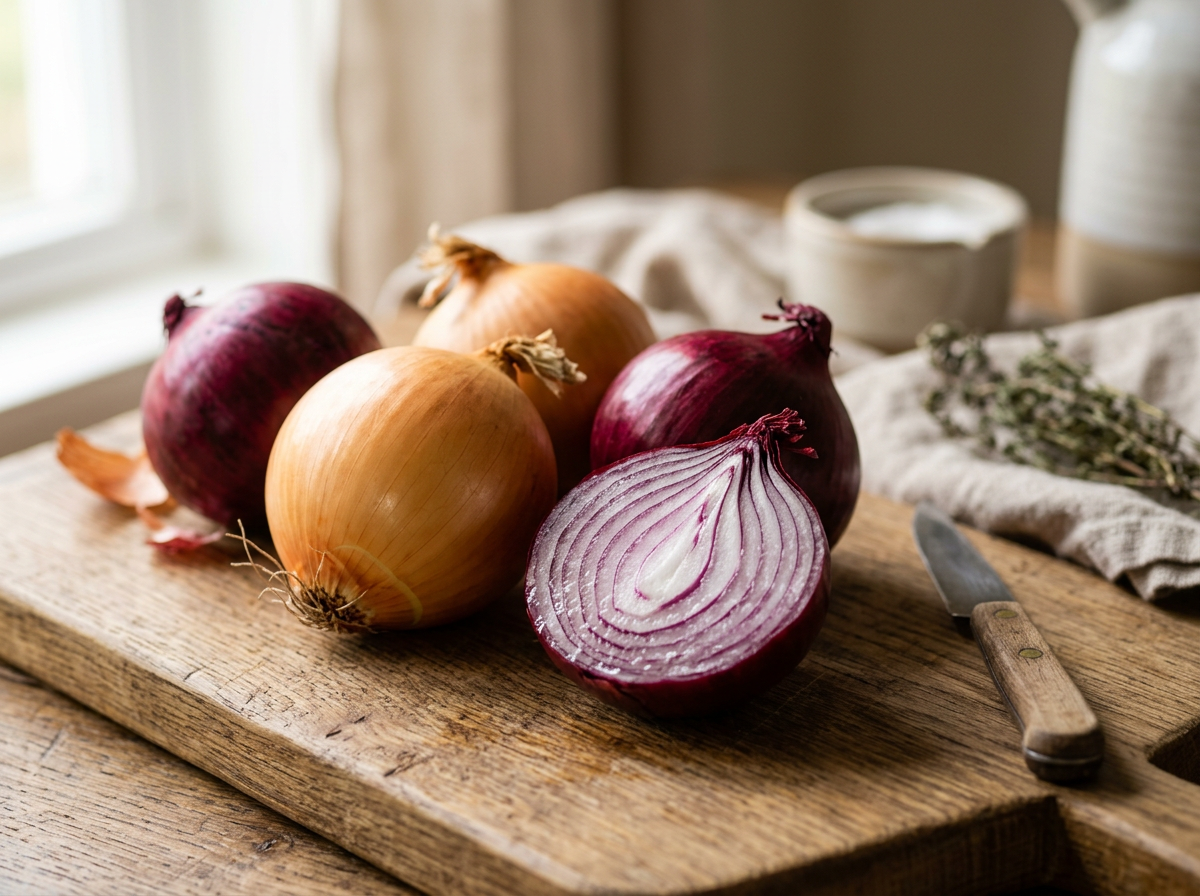
Spice pastes are pounded or blended from fresh chilies, shallots, lemongrass, and belacan.
Rice and meats are cooked in clay pots over charcoal for a distinctive smoky crust and flavor.
Signature Dishes
Poached or roasted chicken with fragrant rice, chili sauce, and ginger paste — the national dish.
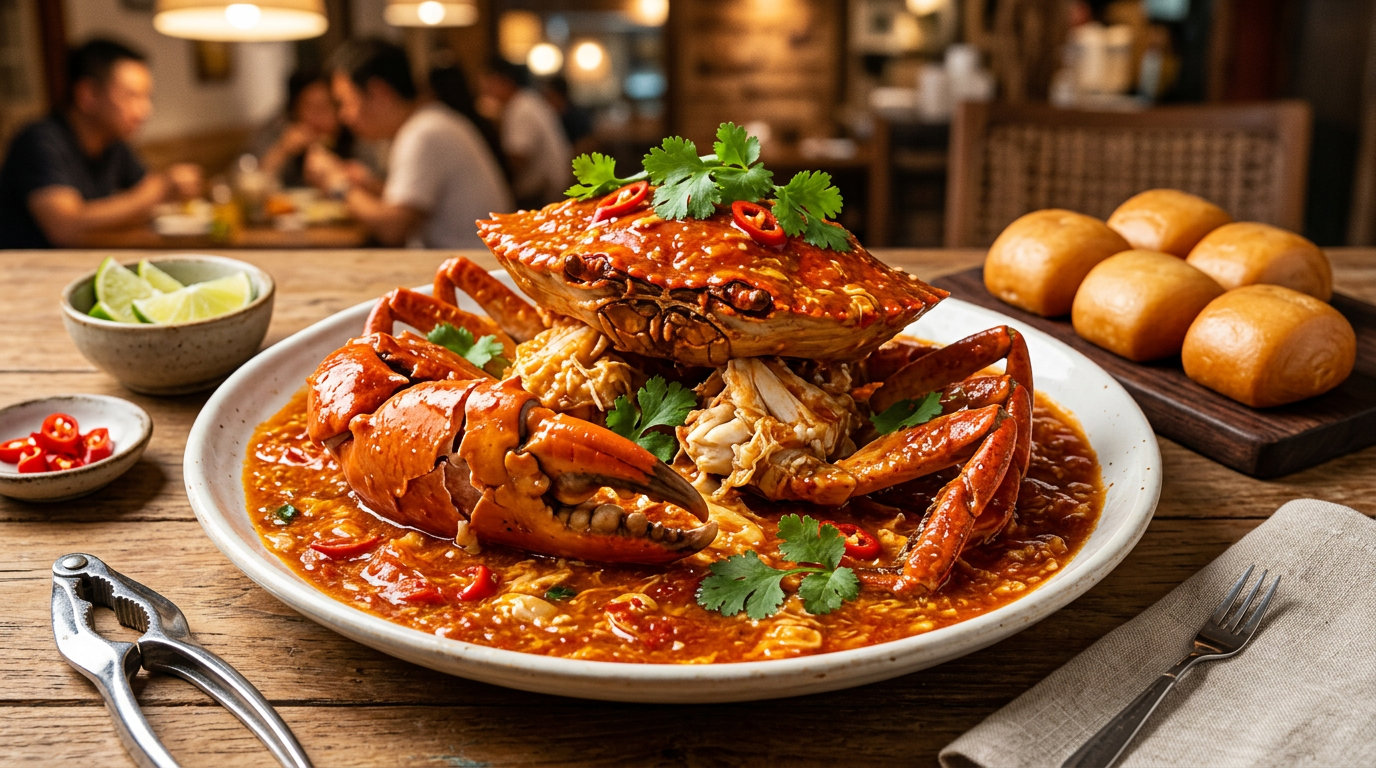
Mud crab in a sweet, spicy, tangy tomato-chili sauce — Singapore's most famous seafood dish.
Rich coconut-curry noodle soup with prawns, fish cake, and tofu puffs.
Wok-fried flat noodles with Chinese sausage, cockles, egg, and bean sprouts.
Toasted bread with coconut-egg jam and butter, served with soft-boiled eggs and kopi — the classic breakfast.
Singaporean Recipes to Cook
New Singaporean recipes are on the way. Meanwhile, browse all recipes.
Key Ingredients to Explore

Cooking Guides You May Like
A Guide to Southeast Asian Flavors
Southeast Asian cooking thrives on balance — salty, sour, sweet, and hot in every bite. Here is how those flavors come together.
Understanding Cooking Methods: Dry Heat, Moist Heat, and More
Every cooking method changes texture and flavor in a specific way. Knowing which to choose is the key to cooking anything well.
Essential Kitchen Skills Every Home Cook Should Know
A short list of fundamental skills will do more for your cooking than any gadget. Here are the ones that matter most.