Lebanese Cuisine
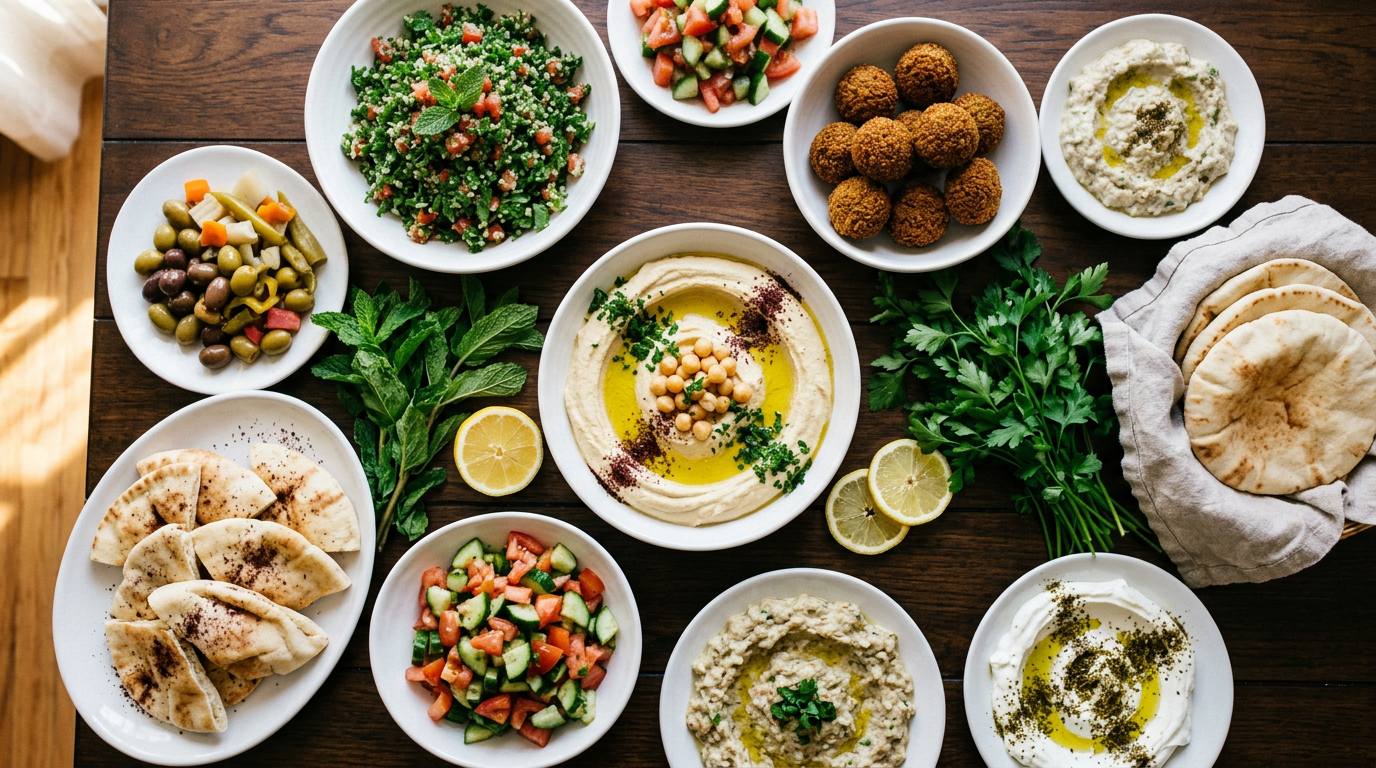
Fresh herbs, lemon, and olive oil — the bright, generous heart of the mezze table.
Introduction
Lebanese cuisine is the celebrated jewel of Levantine cooking — fresh, bright, and built around the generous spread of small dishes known as mezze. Lemon, olive oil, garlic, and a wealth of fresh herbs give it a clean, vibrant character loved around the world.
From silky hummus and parsley-packed tabbouleh to charcoal-grilled meats and delicate stuffed vegetables, Lebanese food balances vegetables, legumes, and grains with grilled proteins in a way that feels both indulgent and wholesome.
History
Lebanese cooking draws on thousands of years of Phoenician, Arab, Ottoman, and Mediterranean influence. The fertile Levant coast and mountains supplied olives, wheat, grapes, and an abundance of herbs and vegetables that remain central to the table.
Ottoman rule left its mark in grilled kebabs, stuffed vegetables, and syrup-soaked pastries, while the enduring emphasis on fresh, seasonal produce and olive oil ties the cuisine firmly to its Mediterranean roots.
Cultural Context
The mezze tradition — a long, leisurely spread of many small plates shared among friends and family — is the soul of Lebanese dining, meant to encourage conversation and lingering at the table.
Hospitality is a point of pride: guests are offered far more than they can eat, and the table becomes a stage for warmth, abundance, and connection.
Regional Variations
Cosmopolitan mezze culture, fresh seafood, and refined restaurant cooking.
Heartier fare with preserved foods, kishk (fermented grain and yogurt), and rustic stews.
Agricultural heartland known for fresh produce, grains, and wine.
Core Ingredients
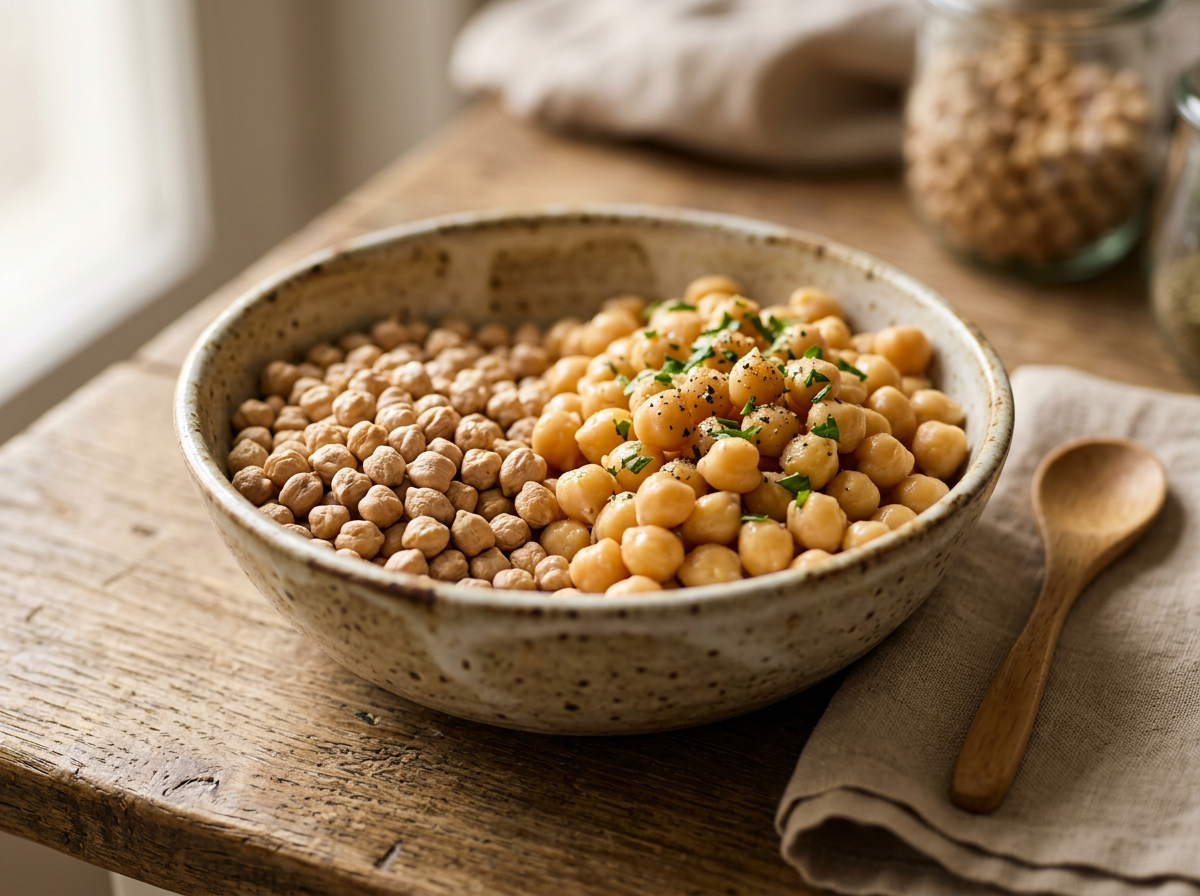
Blended into hummus and fried into falafel — a Levantine cornerstone.
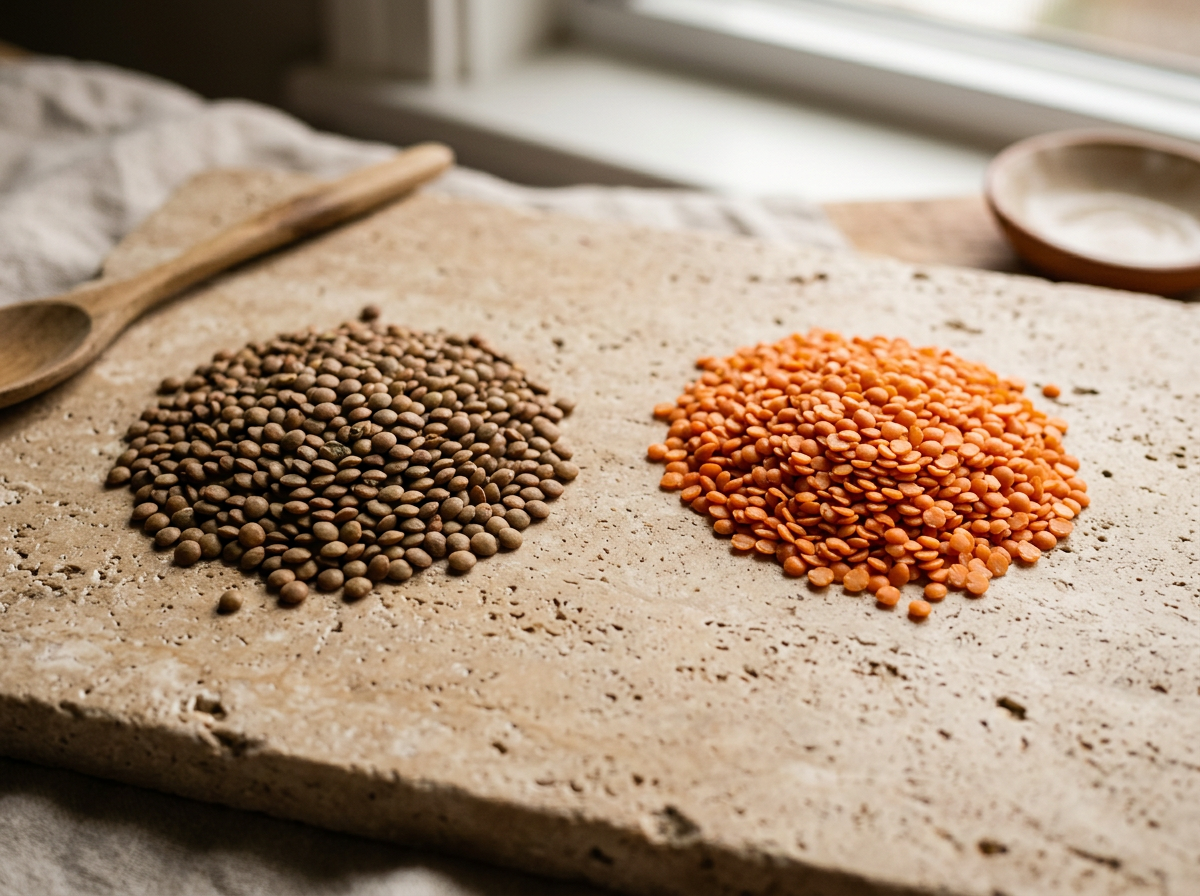
The base of comforting mujadara and hearty soups.
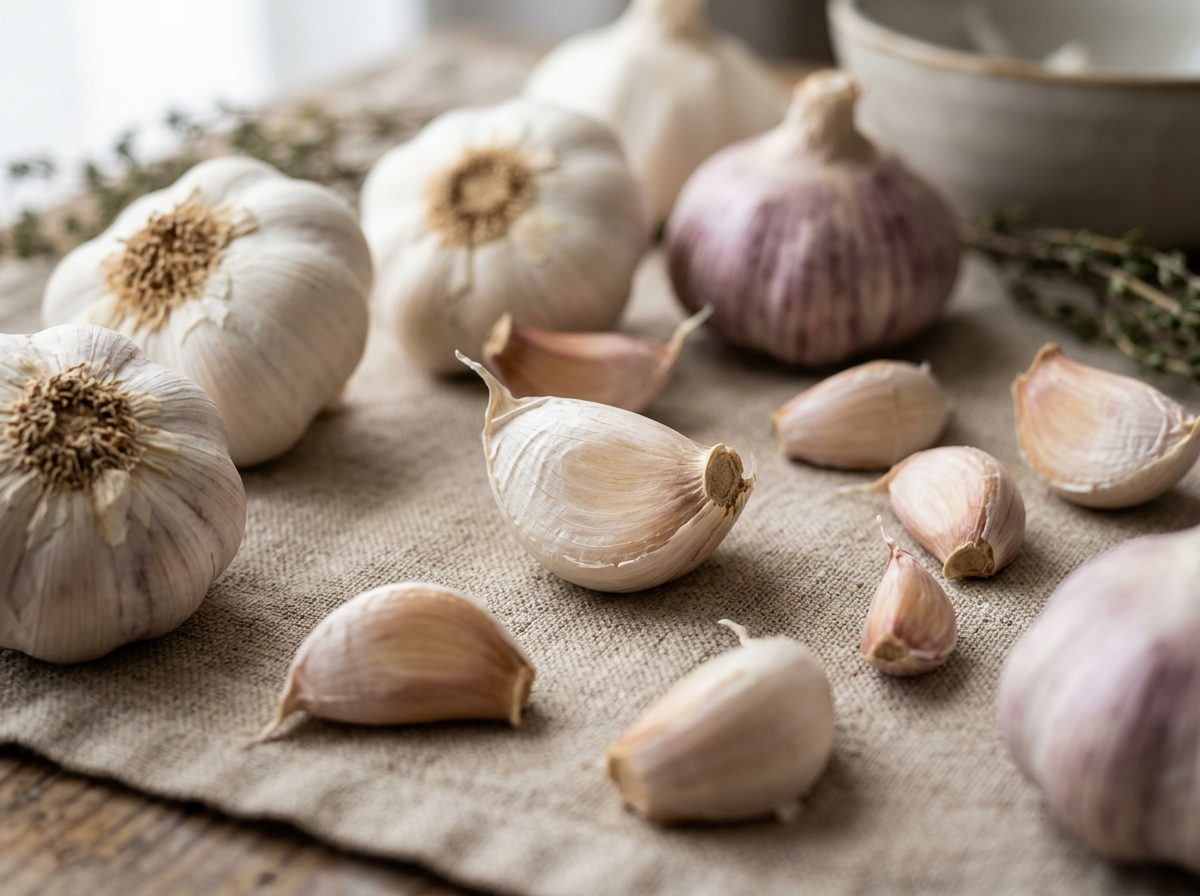
Pounded into toum (garlic sauce) and used throughout mezze.
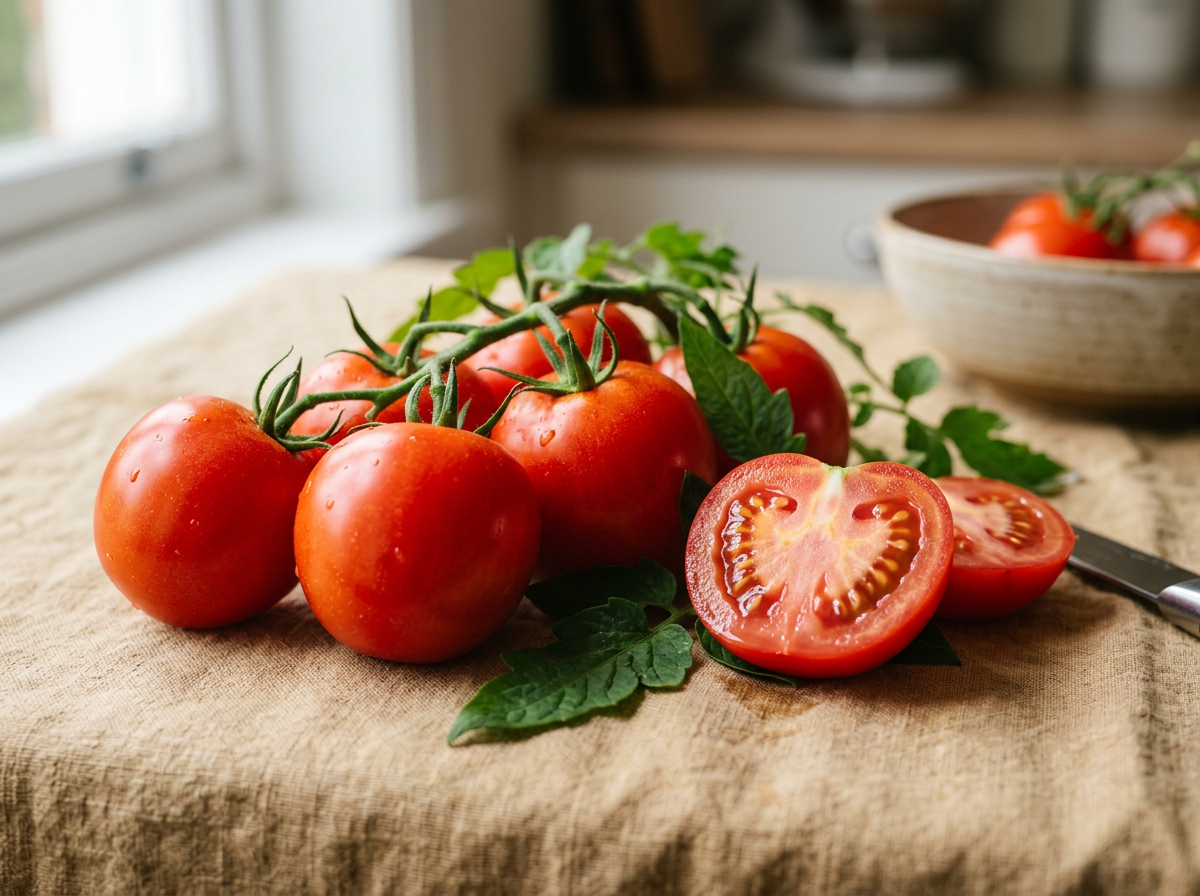
Fresh in salads like fattoush and cooked into sauces and stews.
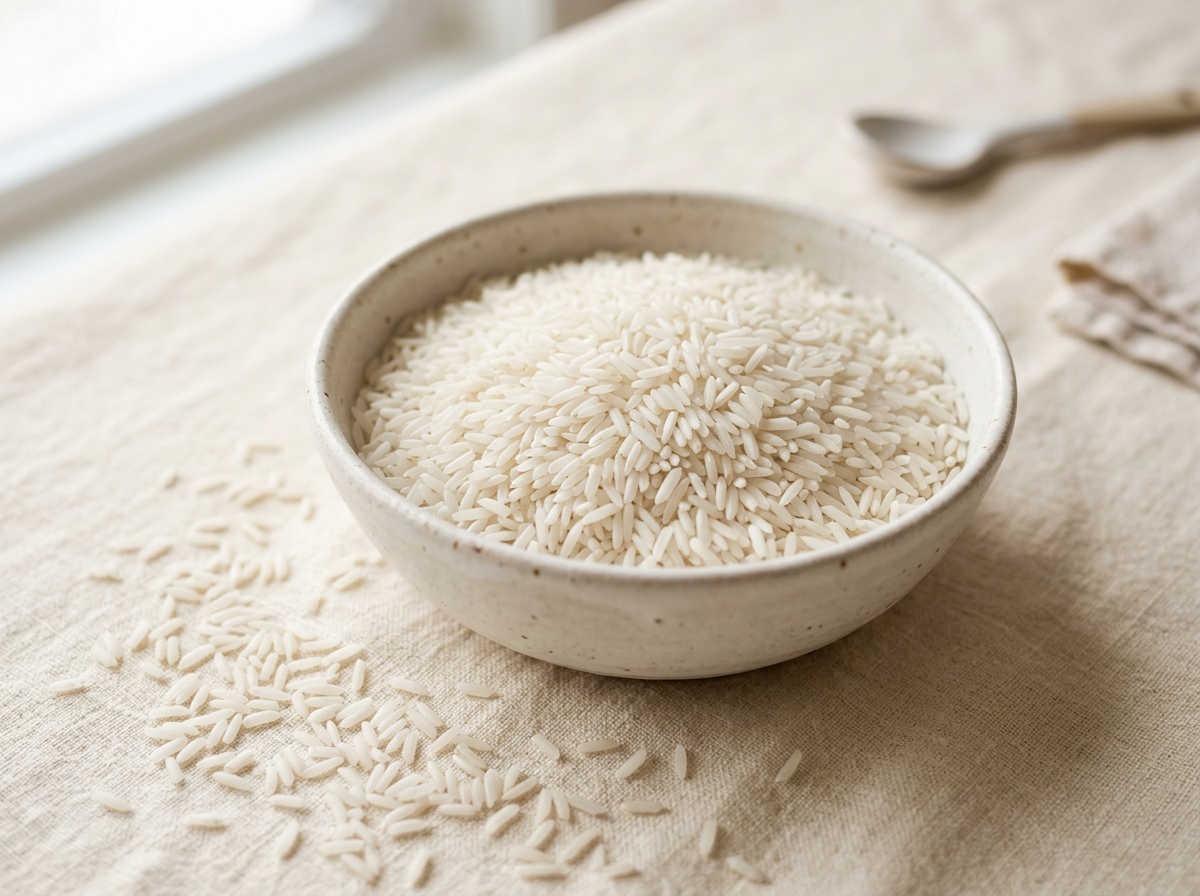
Grains that anchor tabbouleh, kibbeh, and pilafs.
The defining dressing of countless Lebanese dishes.
Signature Techniques
Balancing many small hot and cold dishes — dips, salads, pastries, grills — into one harmonious spread.
Marinated meats and kofta grilled over coals for smoky char.
Generous use of parsley, mint, lemon, and olive oil for brightness.
Vegetables and vine leaves are carefully stuffed with rice and herbs (warak enab).
Signature Dishes
Creamy blended chickpeas with tahini, lemon, and garlic.
A bright parsley salad with bulgur, tomato, mint, and lemon.
Spiced minced meat and bulgur, fried, baked, or served raw.
Crisp fried chickpea fritters, a mezze and street-food favorite.
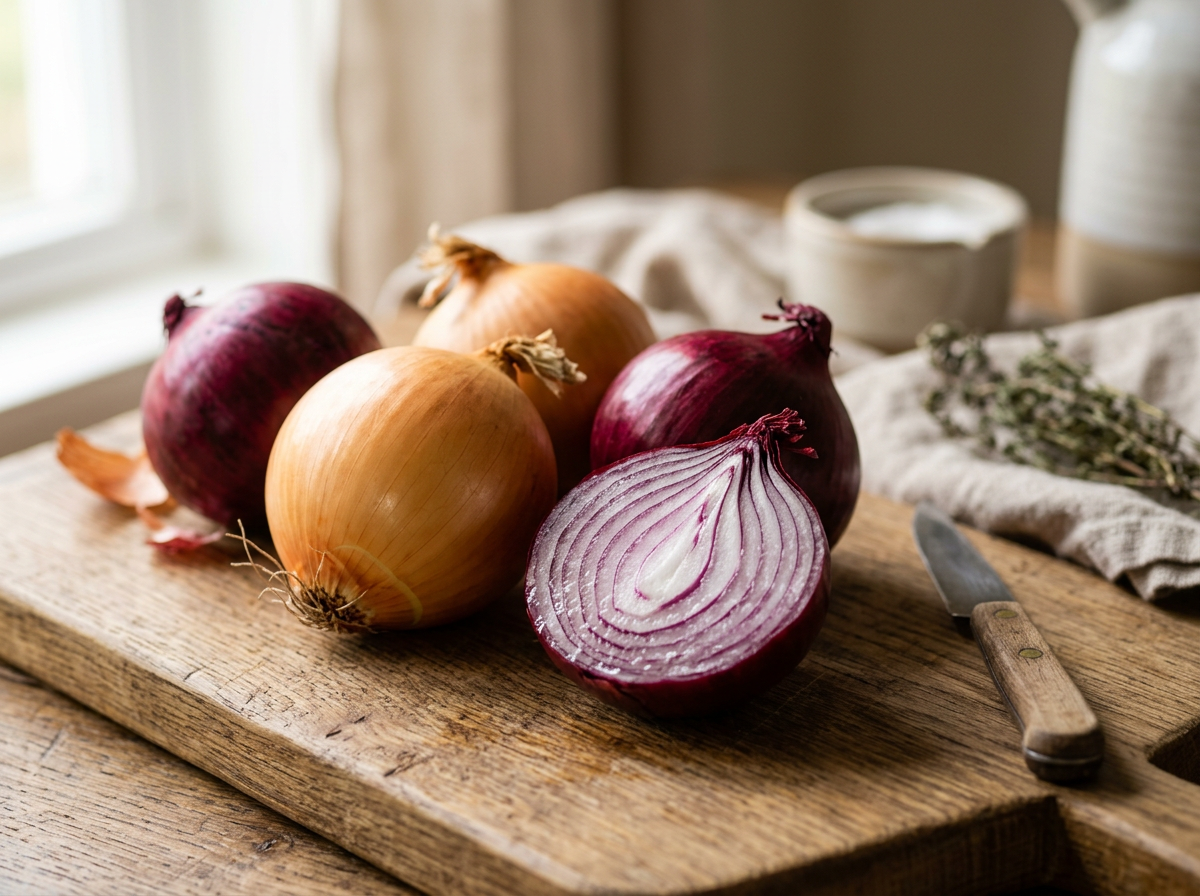
Humble, delicious lentils and rice topped with caramelized onions.
Lebanese Recipes to Cook

Lebanese Fattoush Salad
A crisp, tangy Lebanese bread salad of cucumbers, tomatoes, radishes, and herbs tossed with crunchy toasted pita and a bright sumac-lemon dressing — fresh, vegan, and full of texture.
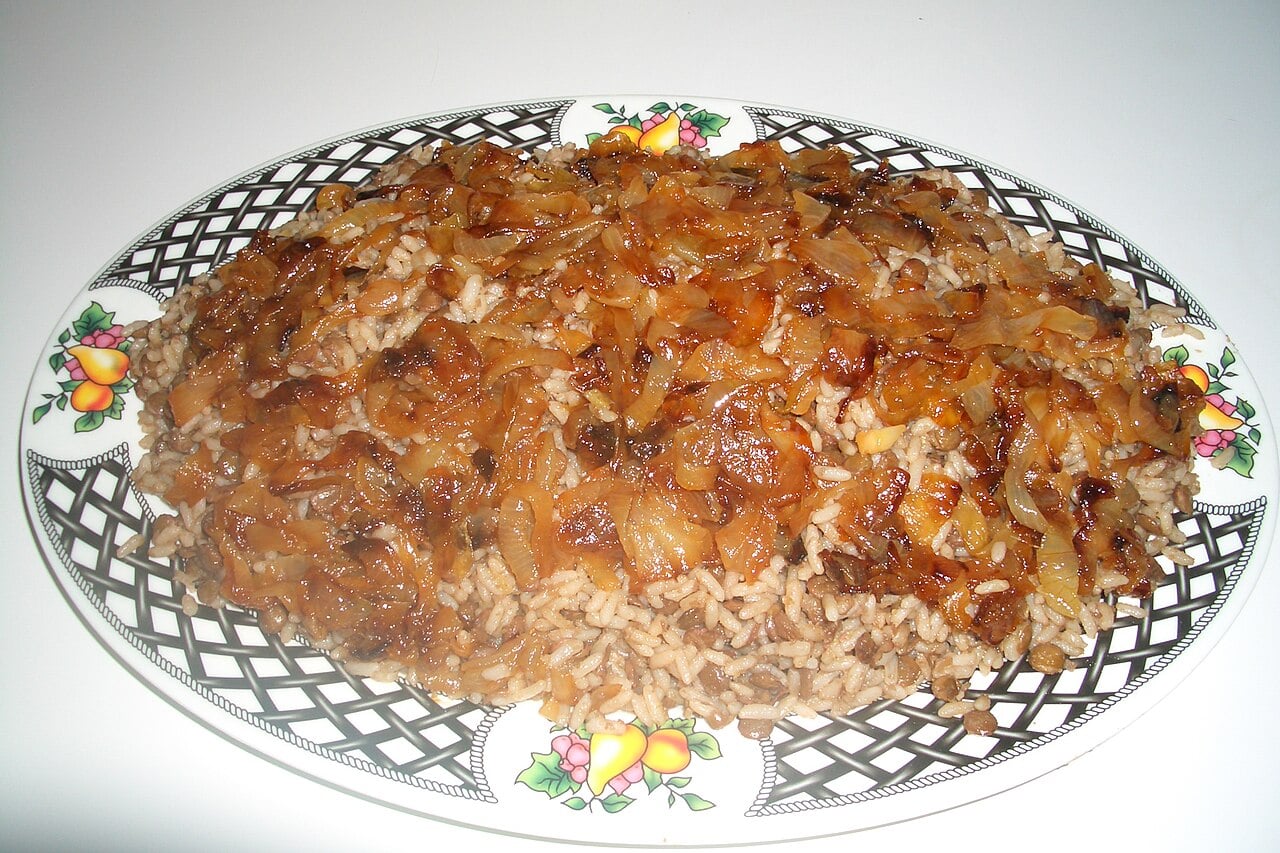
Lebanese Mujadara
Humble and beloved across the Levant — lentils and rice crowned with deeply caramelized onions. Vegan, budget-friendly, and satisfying enough to be a meal on its own.
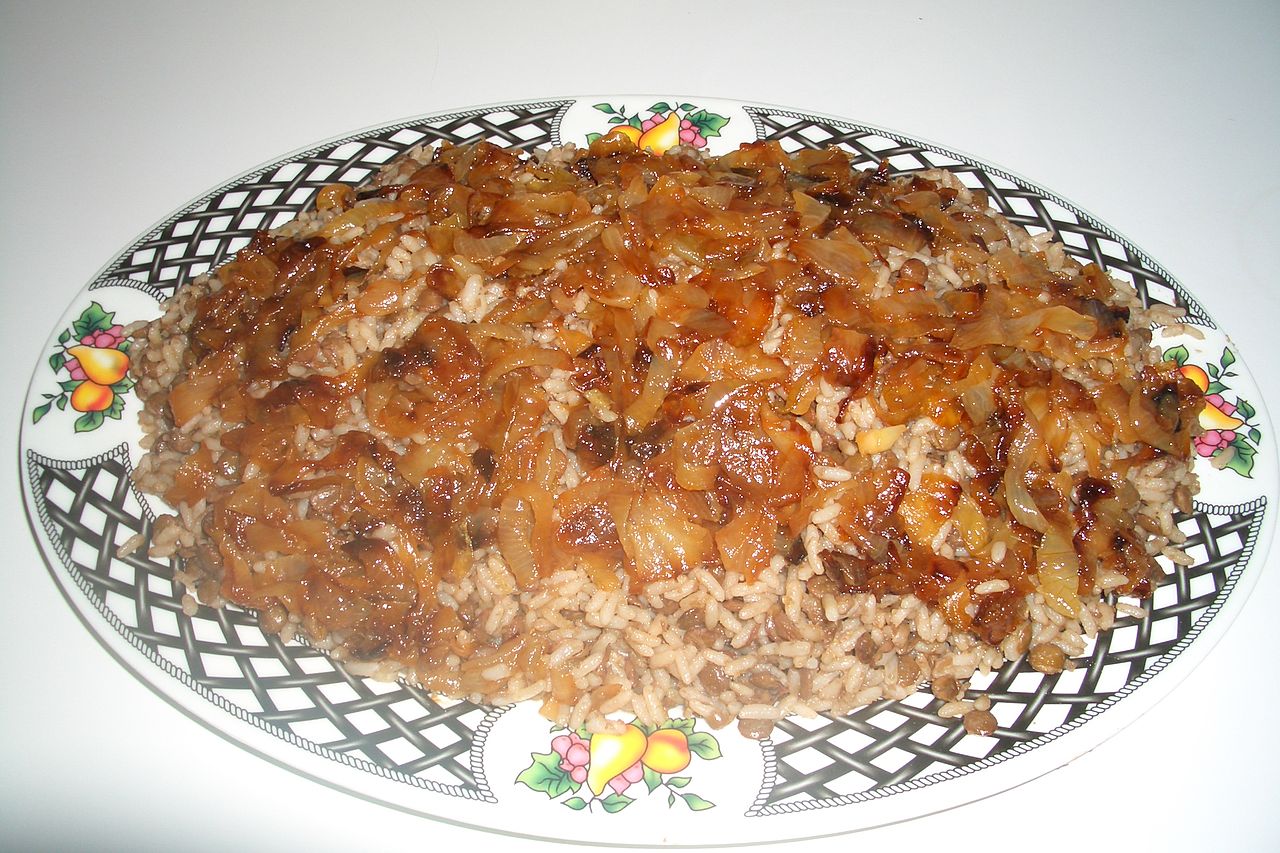
Lebanese Mujadara (Lentils & Rice)
Humble and deeply savory: earthy lentils and rice crowned with a mountain of sweet, deeply caramelized onions. Pure vegan comfort food.
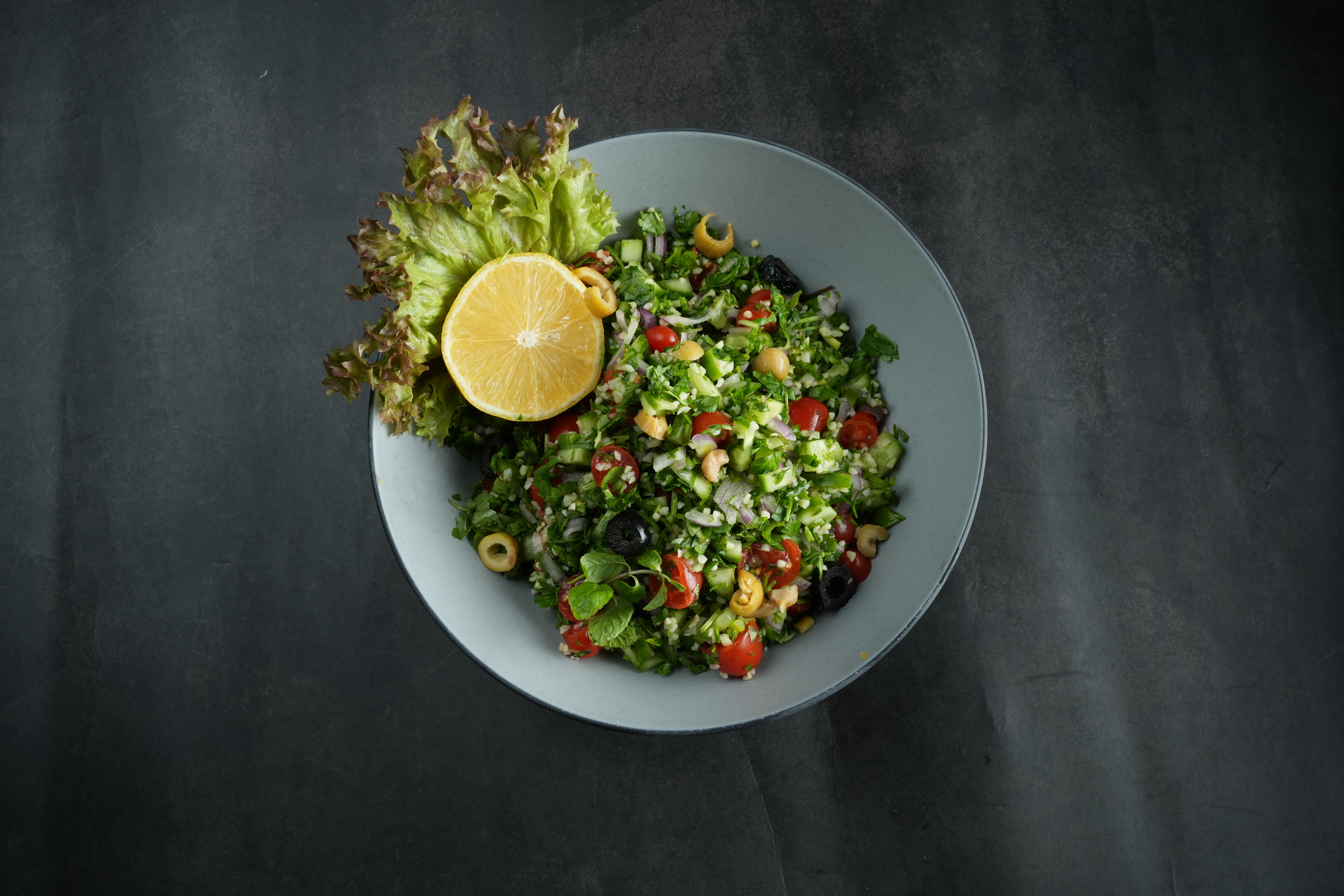
Lebanese Tabbouleh
A bright, herb-forward salad of finely chopped parsley and mint with bulgur, tomato, and a lemon-olive oil dressing — refreshing and vibrant.
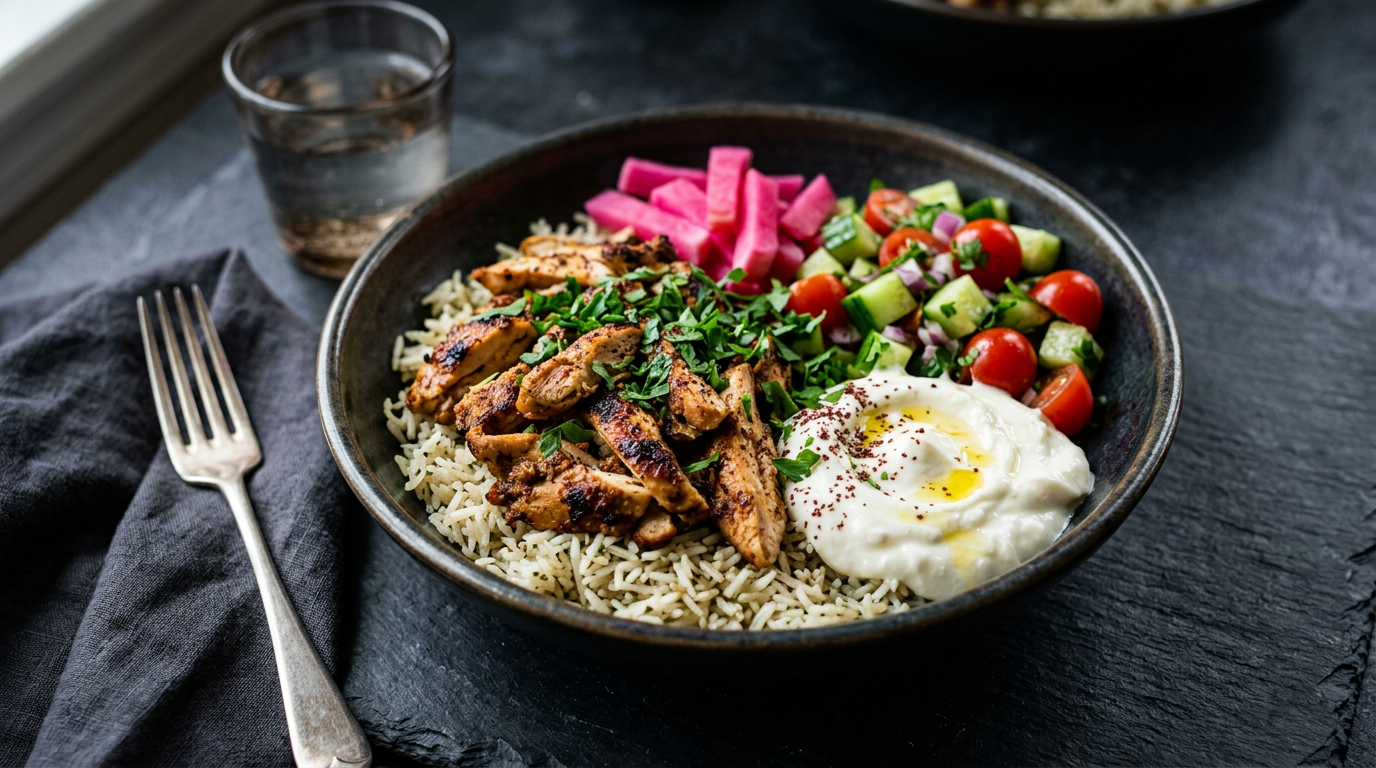
Lebanese Chicken Shawarma Bowl
Yogurt-and-spice marinated chicken roasted until caramelized, sliced over rice with garlicky toum, pickles, and fresh salad for a complete bowl.
Key Ingredients to Explore
Cooking Guides You May Like
Lebanese Cuisine: The Complete Guide to Mezze, Grains & Fresh Flavor
Fresh herbs, lemon, olive oil, and warm spice define one of the world’s most celebrated vegetable-forward cuisines. Here is the full picture.
An Introduction to Middle Eastern Mezze
Mezze is the Middle Eastern art of the shared table — an array of small, vibrant dishes meant to be lingered over. Here is how it works.
Building Balanced Meals: A Simple Framework
You do not need to count anything to eat well. A simple visual framework does the work for you.