Turkish Cuisine
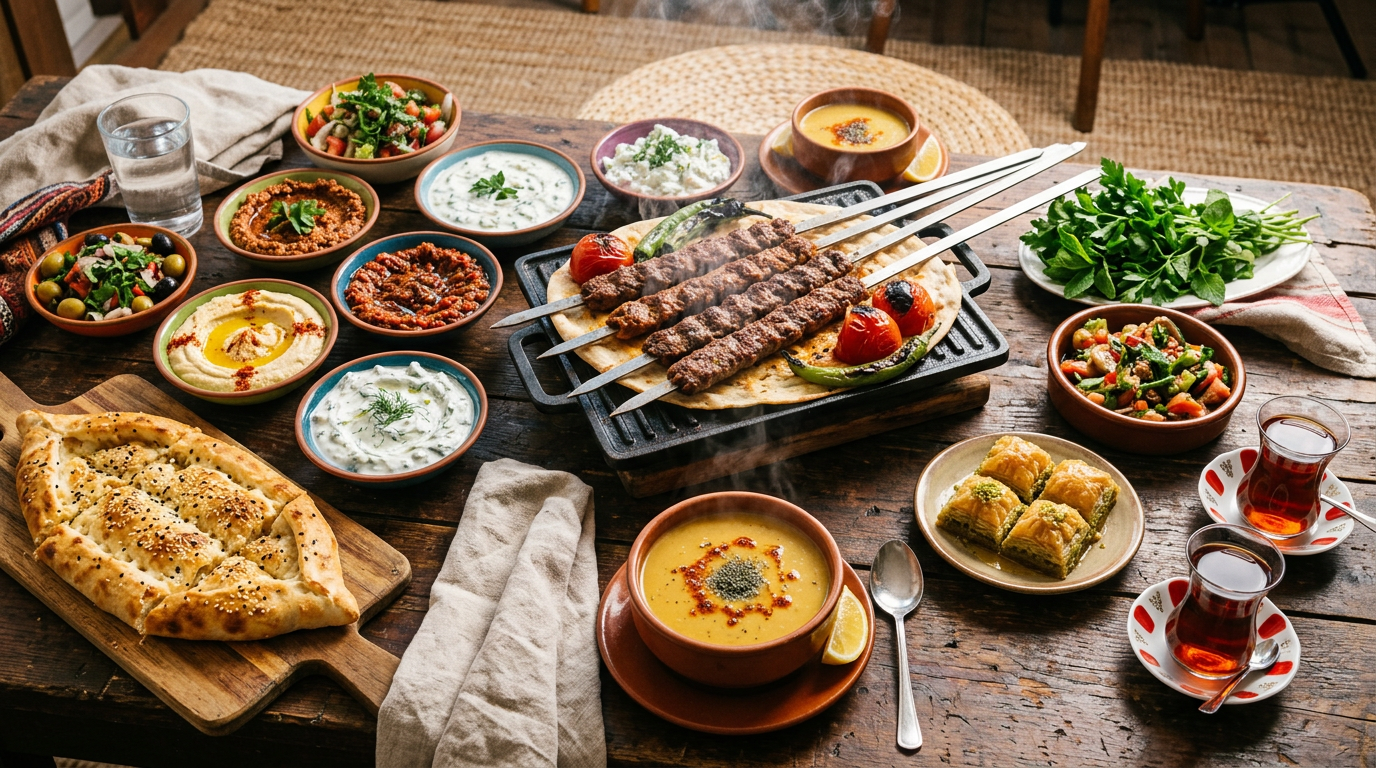
Grilled köfte, warming soups, golden flatbreads — a rich, hospitable culinary heritage.
Introduction
Turkish cuisine straddles two continents and draws on the vast legacy of the Ottoman Empire, blending Central Asian, Middle Eastern, Mediterranean, and Balkan influences into one of the world's richest food cultures. Grilled meats, abundant meze, golden flatbreads, and syrup-soaked pastries all belong to its repertoire.
From smoky charcoal kebabs to comforting lentil soup and delicate baklava, Turkish food balances hearty grilling with a deep vegetable, grain, and dairy tradition, all framed by legendary hospitality.
History
Turkish cuisine evolved from the nomadic traditions of Central Asian Turkic peoples — grilled meat, yogurt, and grain — enriched over centuries by the sophisticated kitchens of the Ottoman court in Istanbul, which refined and codified an enormous range of dishes.
The empire's vast reach absorbed ingredients and techniques from the Balkans, the Levant, North Africa, and the Mediterranean, producing a cuisine of remarkable breadth that continues to influence food across three continents.
Cultural Context
Hospitality is central to Turkish identity; offering tea (çay) and food to guests is a near-constant social ritual. Long, sociable meals built around shared meze and grilled dishes are the norm.
The traditional Turkish breakfast — a generous spread of cheeses, olives, eggs, breads, and preserves — is itself a celebrated institution, and tea houses anchor community life across the country.
Regional Variations
Famous for elaborate kebabs, spicy dishes, pistachios, and the finest baklava.
Olive-oil-based vegetable dishes, fresh herbs, and seafood.
Cornbread, anchovies (hamsi), and dishes rich in butter and greens.
Hearty grain and meat dishes, manti (dumplings), and pastries.
Core Ingredients
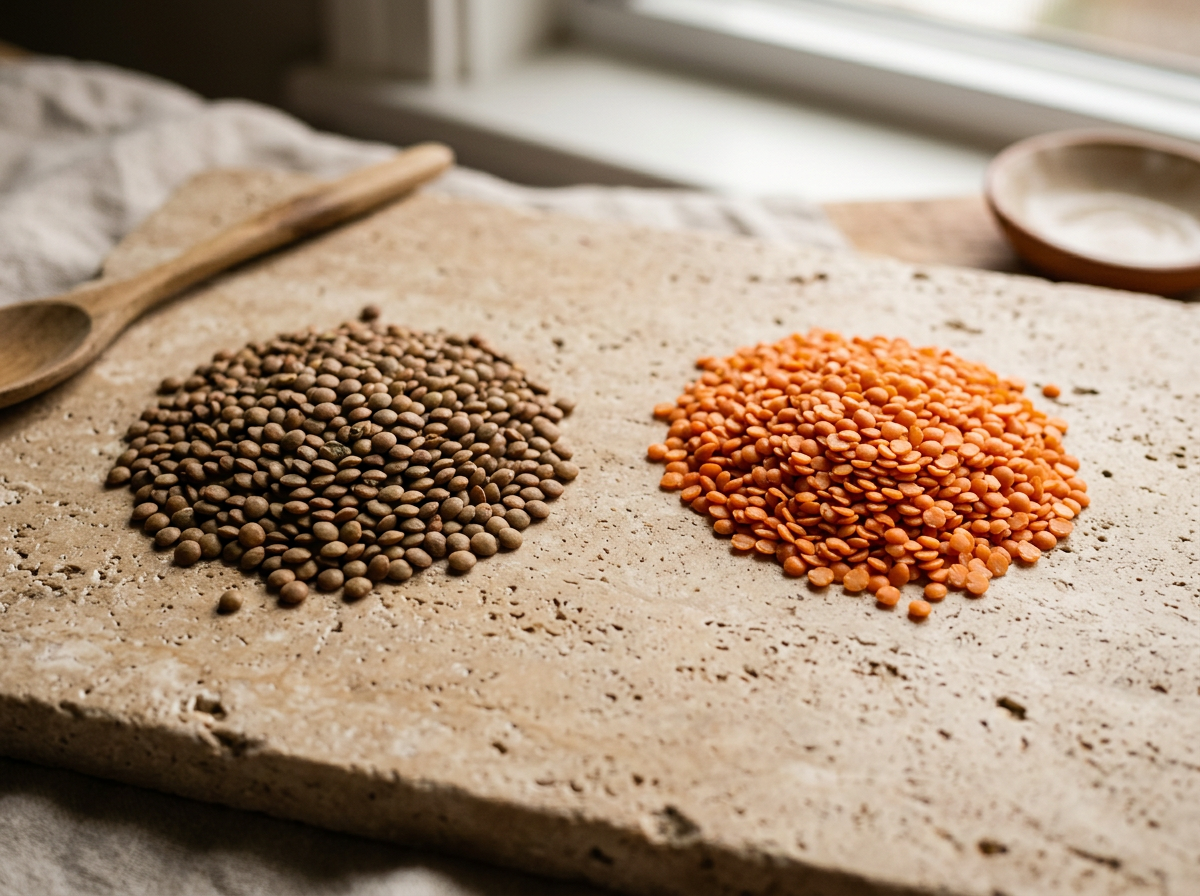
The base of Turkey's beloved red lentil soup (mercimek çorbası).
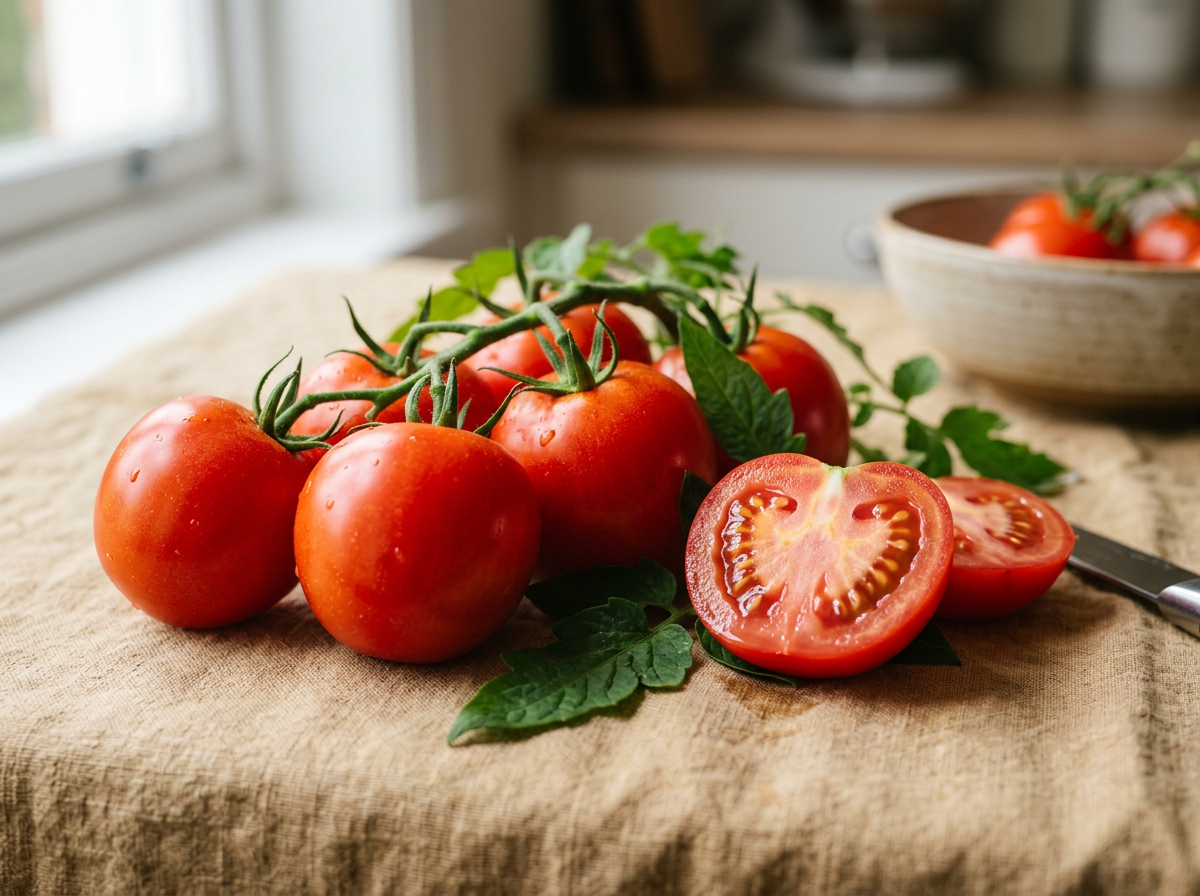
Fresh and as paste (salça), the foundation of countless sauces and stews.
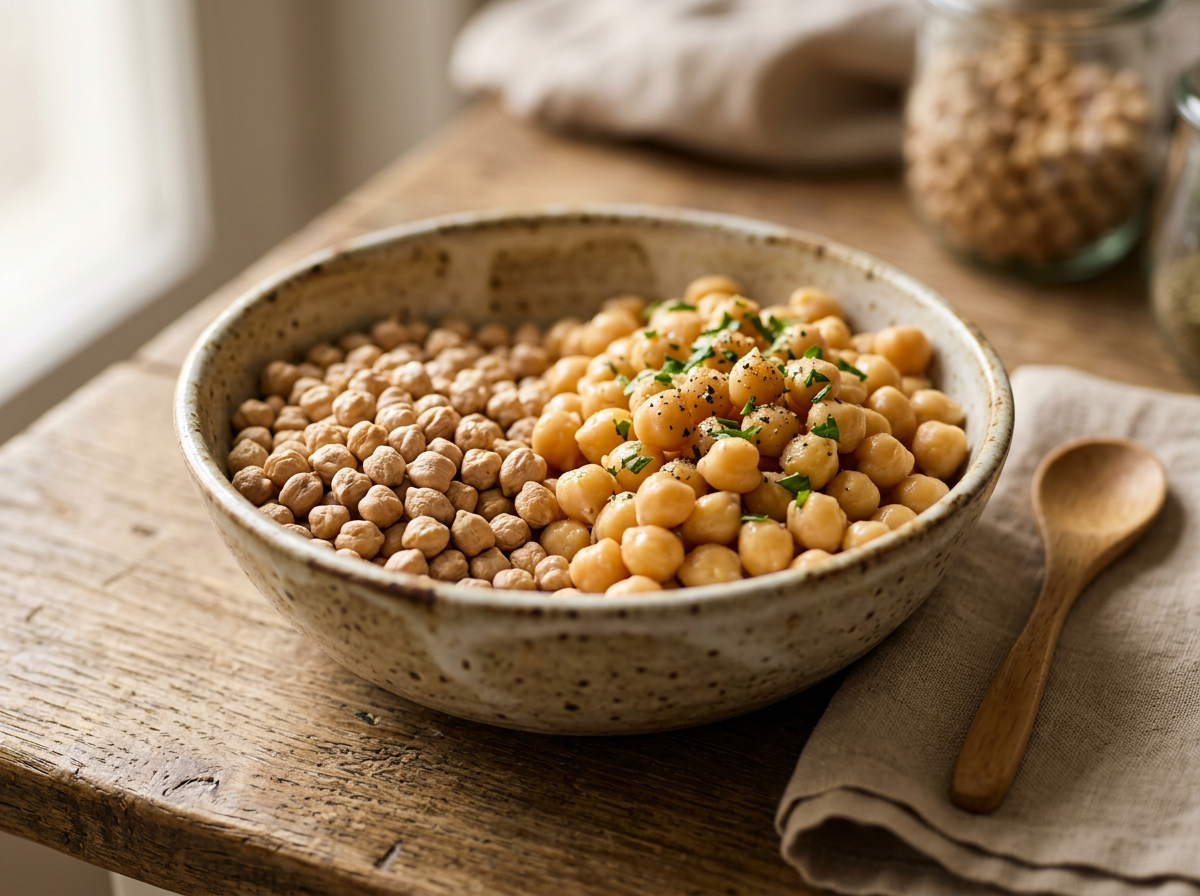
Used in stews and street foods.
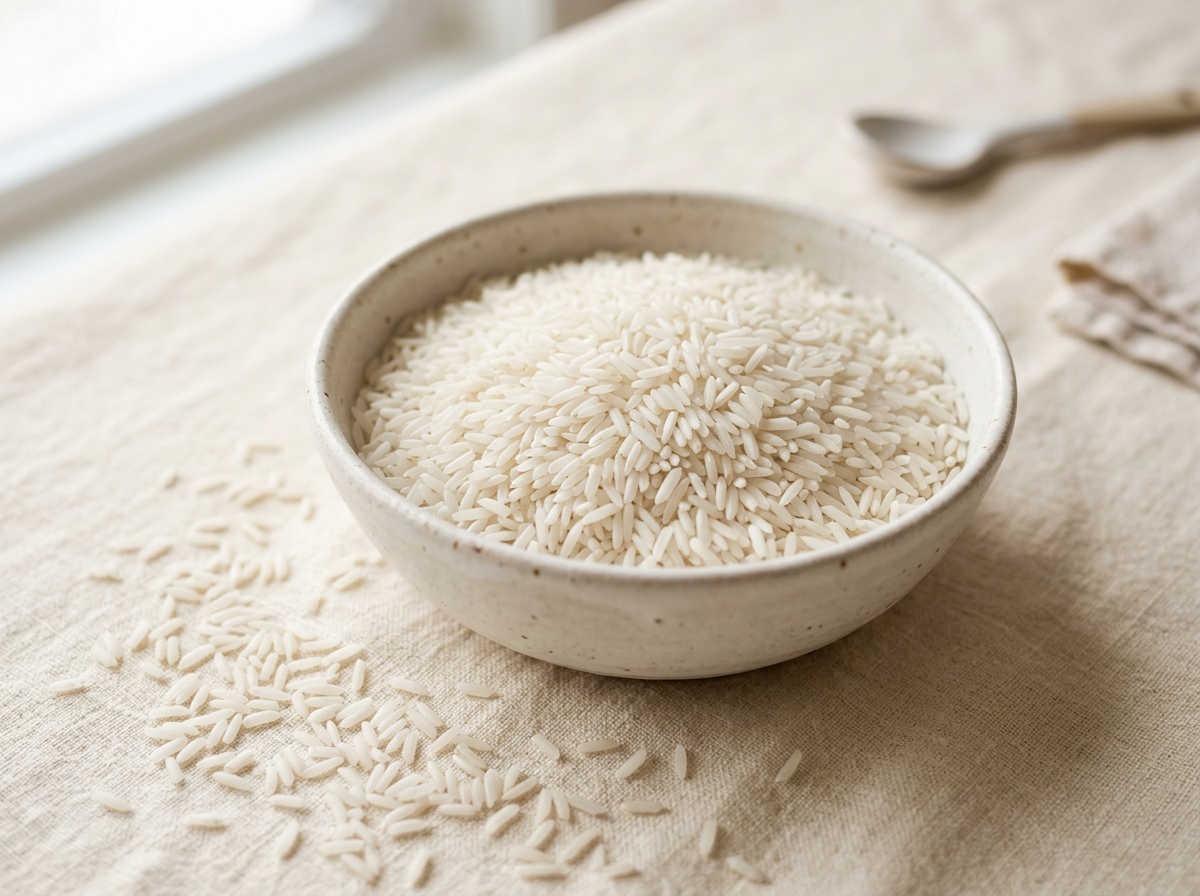
Staple grains for pilafs and stuffing.
Served alongside dishes, in sauces, and in the national drink ayran.
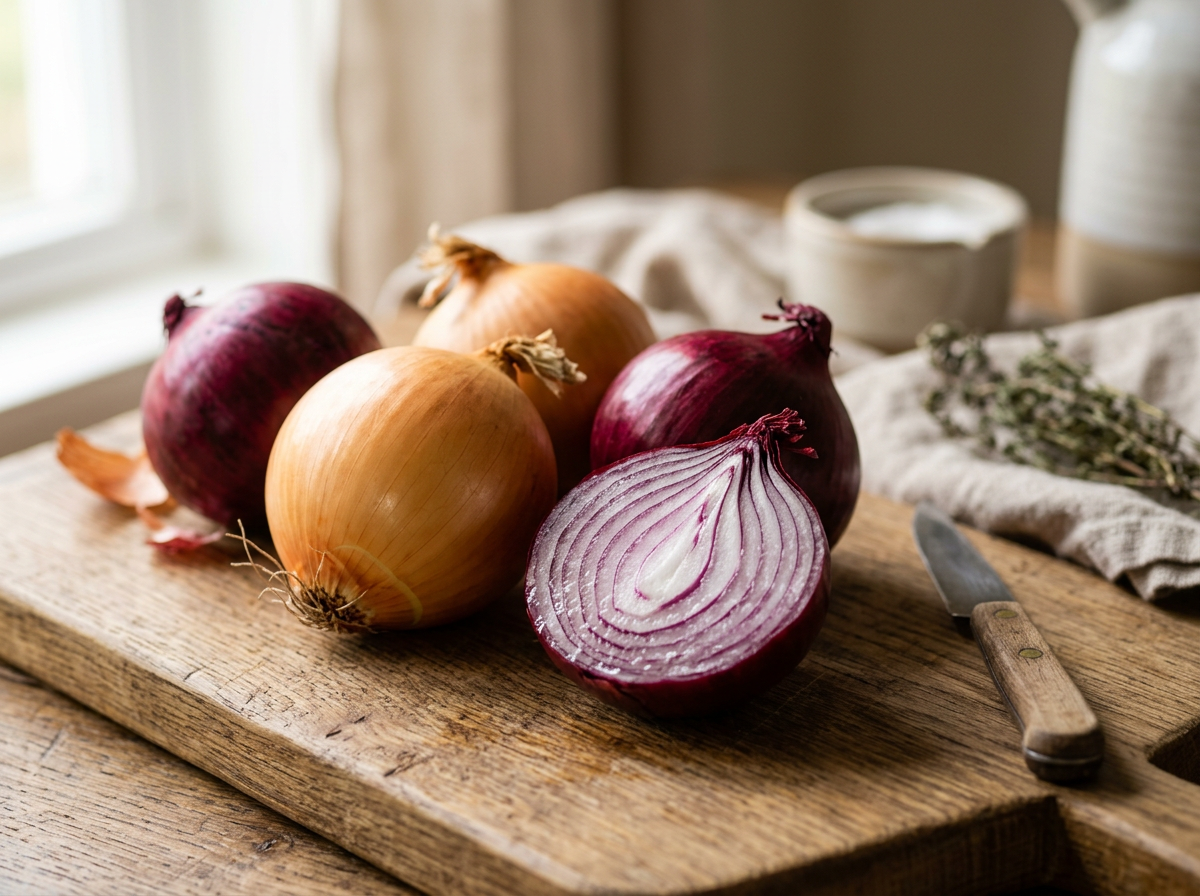
A foundational aromatic across the cuisine.
Signature Techniques
Kebabs and köfte cooked over coals for signature smoke and char.
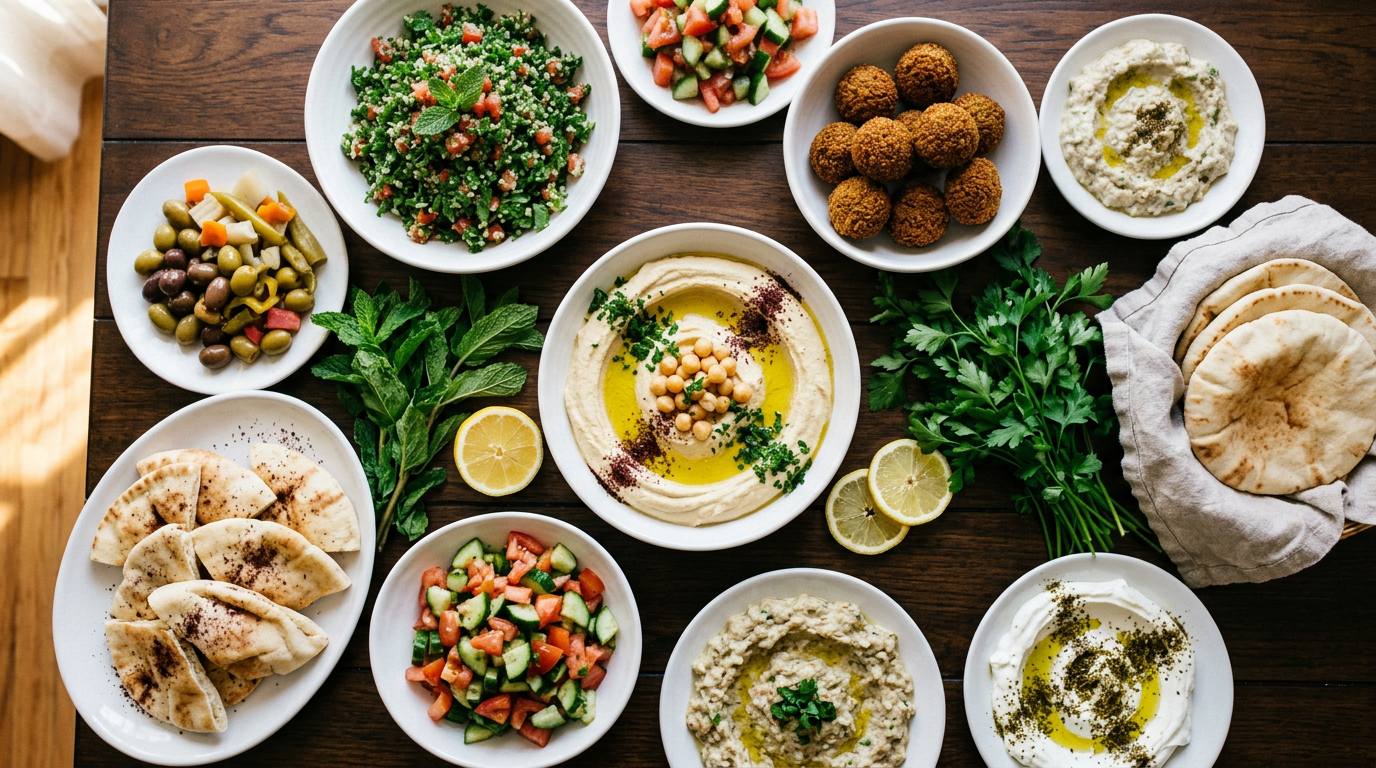
A wide array of small cold and hot dishes, from dips to stuffed vegetables.
Rolling paper-thin yufka and layering it for pide, börek, and baklava.
Building stews and sauces on concentrated tomato and pepper paste.
Signature Dishes
Spiced grilled meats on skewers, a national icon.
Silky red lentil soup served with lemon — a daily comfort.
Boat-shaped flatbread topped with cheese, meat, or egg.
An array of dips, salads, and small plates to share.
Layers of filo, nuts, and syrup — the crown of Turkish sweets.
Turkish Recipes to Cook
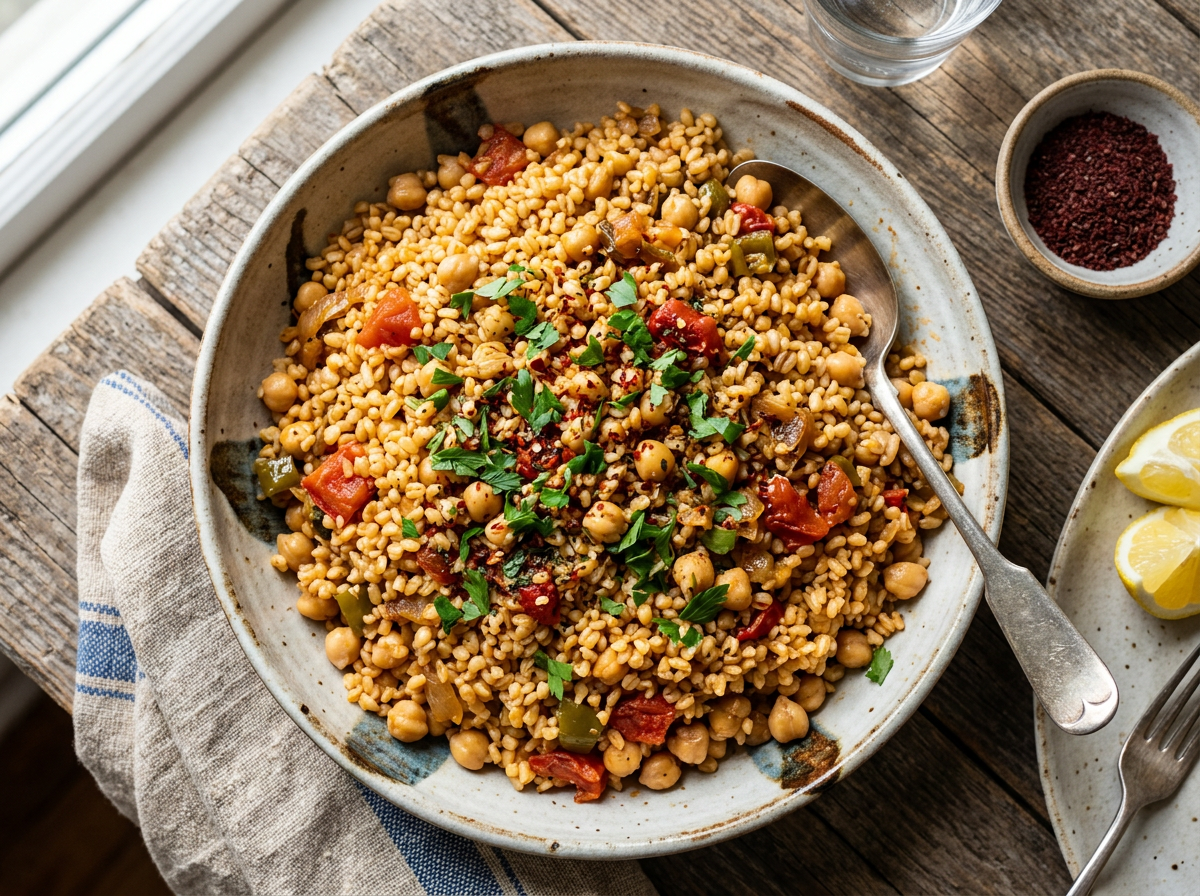
Turkish Bulgur Pilaf with Chickpeas
A comforting Turkish bulgur pilaf simmered with tomato and chickpeas — nutty, filling, vegan, and ready in half an hour.
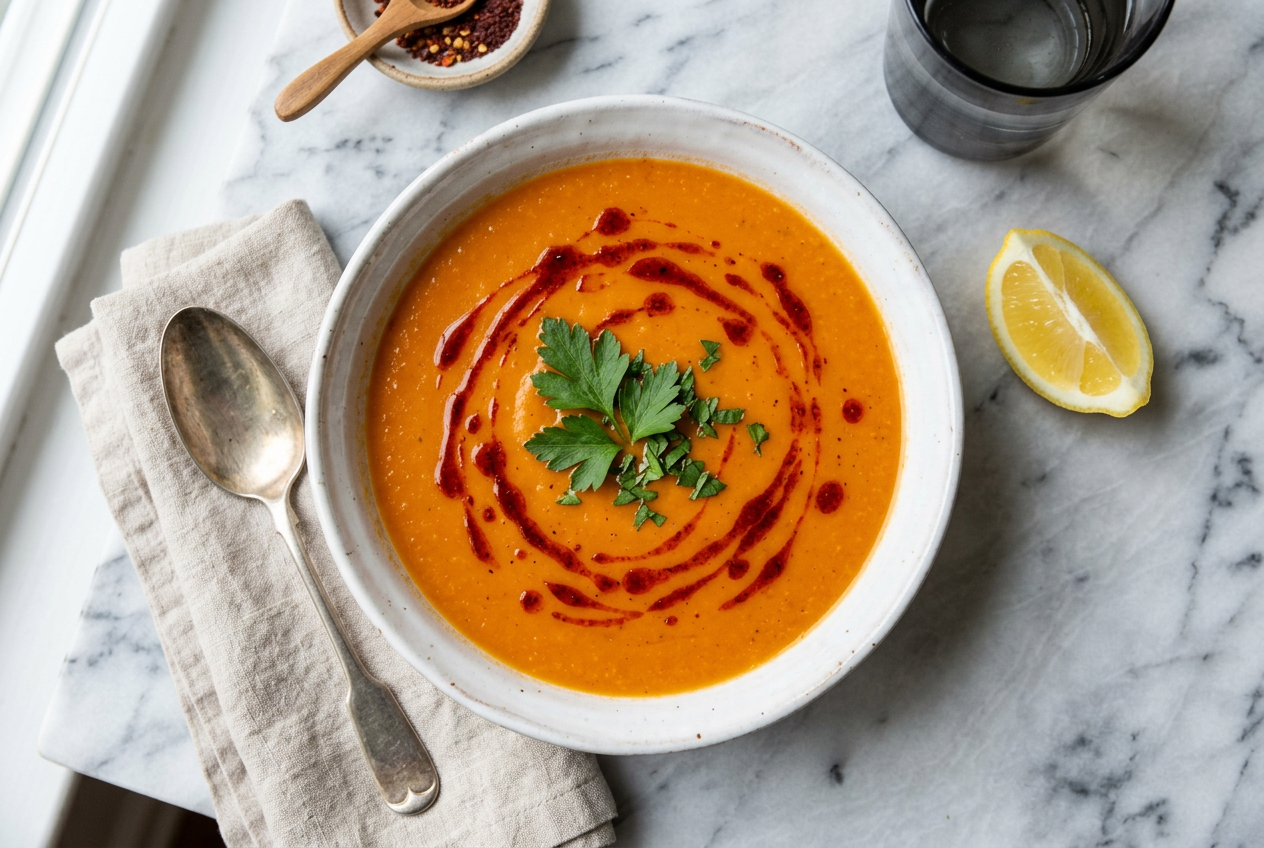
Turkish Red Lentil Soup
Silky-smooth, bright-orange lentil soup finished with a paprika-spiked butter drizzle and a squeeze of lemon — Turkey’s most beloved comfort food, ready in under 30 minutes.
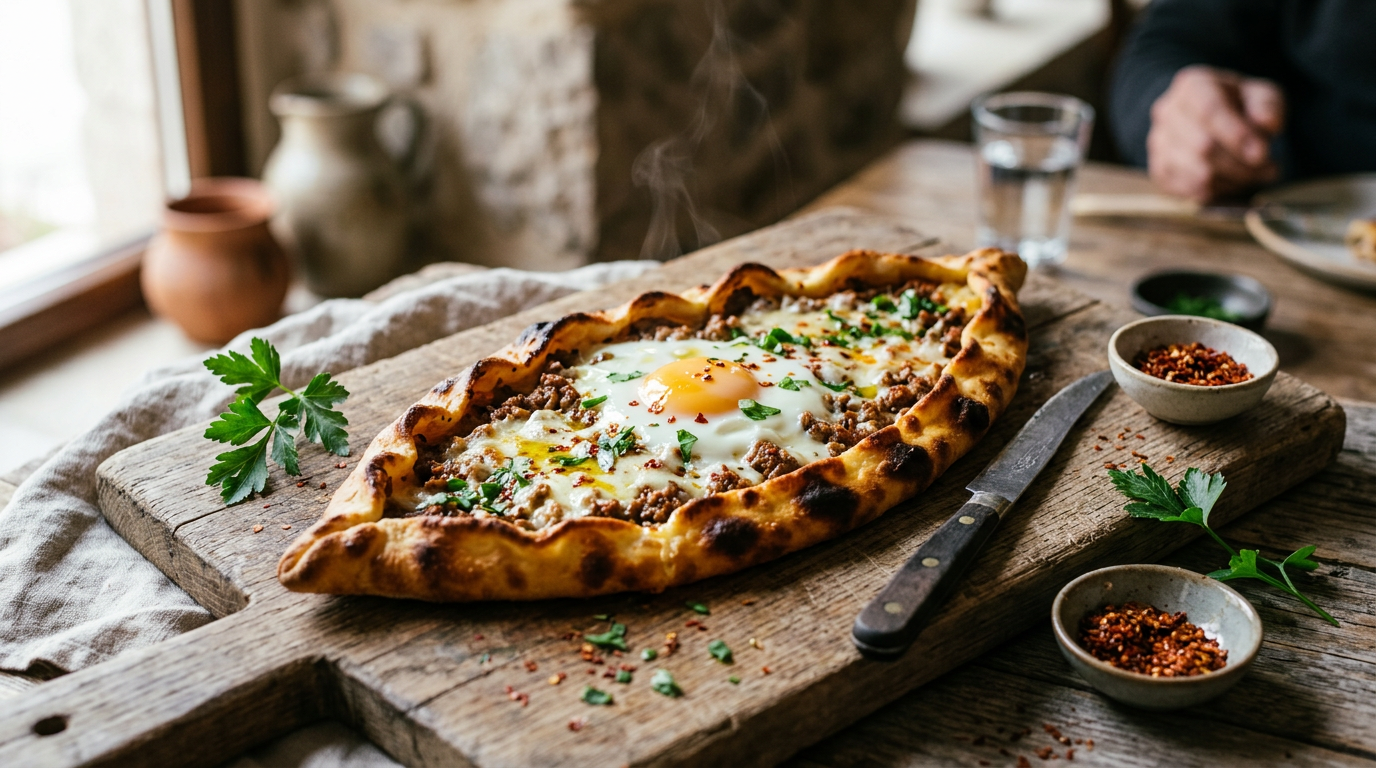
Turkish Pide (Boat Flatbread)
Canoe-shaped Turkish flatbread with crisp edges, filled with spiced minced meat, peppers, and cheese — often called Turkish pizza.

Turkish Red Lentil Soup (Mercimek Çorbası)
A silky, comforting pureed red lentil soup finished with paprika-mint butter and a generous squeeze of lemon — a Turkish staple.
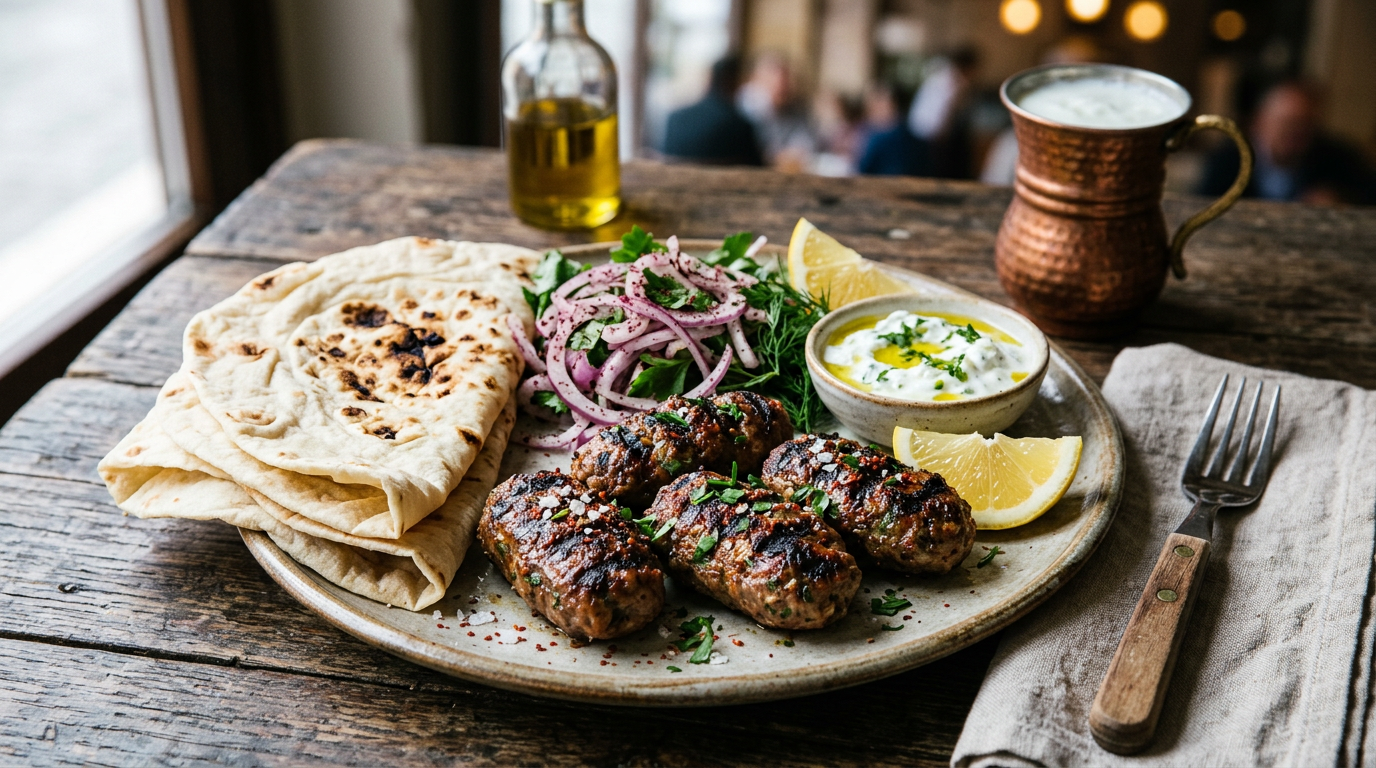
Turkish Lamb Köfte
Juicy grilled meatballs of minced lamb seasoned with cumin, oregano, and garlic, charred over high heat and served with flatbread and sumac onions.
Key Ingredients to Explore
Cooking Guides You May Like
Turkish Cuisine: A Guide to a Cuisine That Spans Two Continents
Straddling Europe and Asia, Turkish cooking blends grilled meats, vibrant meze, and golden pastries into one of the world’s great cuisines. Here is the full picture.
An Introduction to Middle Eastern Mezze
Mezze is the Middle Eastern art of the shared table — an array of small, vibrant dishes meant to be lingered over. Here is how it works.
Building Balanced Meals: A Simple Framework
You do not need to count anything to eat well. A simple visual framework does the work for you.