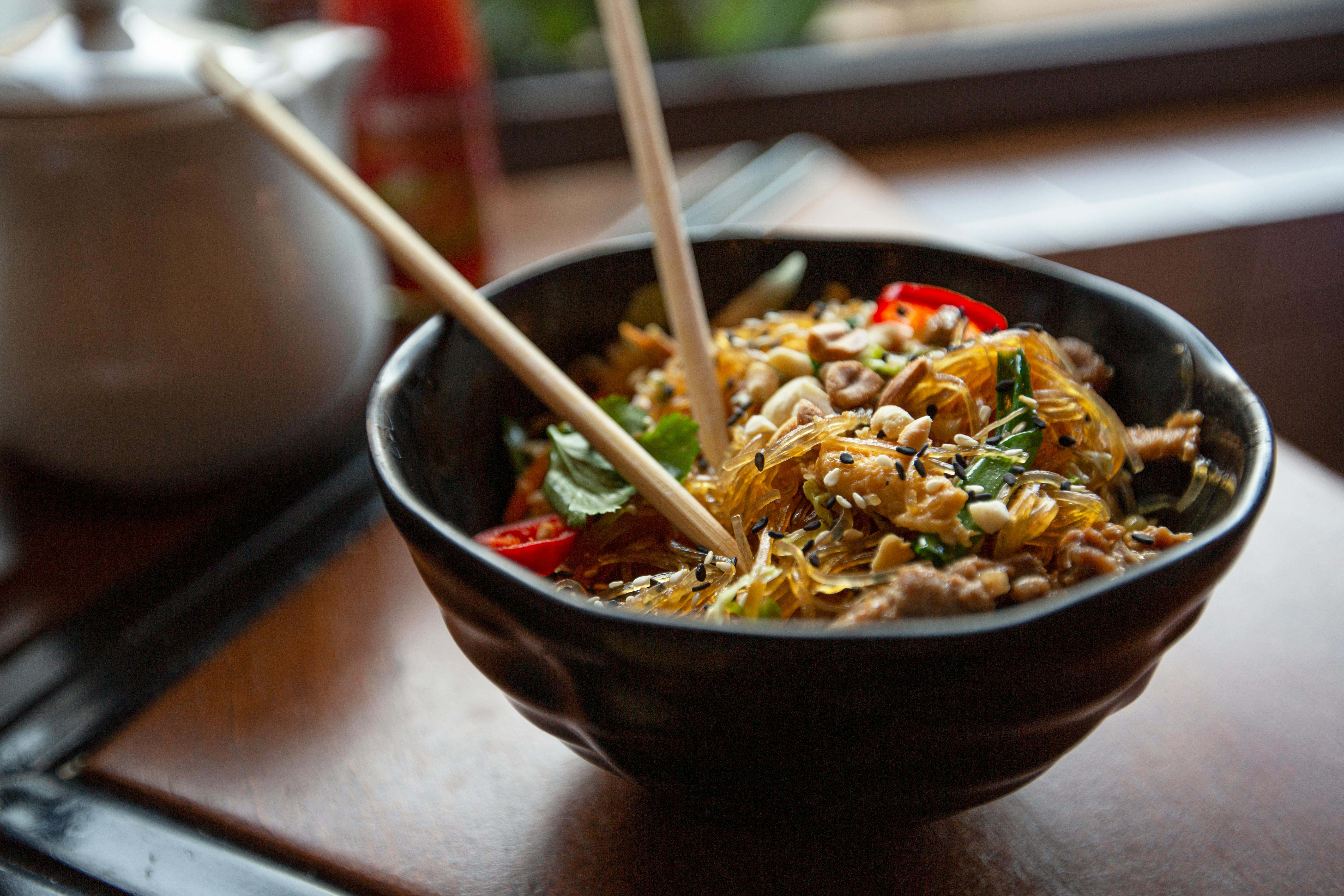
Asian Noodles
From ramen to pho to pad thai — the noodle traditions that fuel half the world.
Also known as: rice noodles, udon, soba, ramen noodles, glass noodles, cellophane noodles, vermicelli
Overview
Asian noodles encompass a vast family of products made from wheat, rice, buckwheat, mung bean starch, sweet potato starch, and more. Unlike Italian pasta (almost always wheat), Asian noodles span a wider range of flours and textures, each tied to specific dishes and cuisines.
Key categories include Chinese wheat noodles (lo mein, chow mein), Japanese wheat noodles (udon, ramen, somen), Japanese buckwheat noodles (soba), rice noodles (pho, pad thai, vermicelli), and glass/cellophane noodles (mung bean or sweet potato starch).
Culinary Uses
- In soups: ramen, pho, udon, wonton noodle soup.
- Stir-fried: chow mein, pad thai, japchae, lo mein.
- Cold and dressed: cold soba with dipping sauce, Vietnamese vermicelli bowls, sesame noodles.
- In spring rolls and salads: glass noodles in Thai larb, rice vermicelli in fresh Vietnamese rolls.
Flavor Profile
- Wheat noodles are chewy and neutral; egg noodles add richness.
- Rice noodles are mild, silky, and slightly translucent when cooked.
- Buckwheat soba has a nutty, earthy flavor; glass noodles are virtually tasteless and absorb surrounding flavors.
Storage
- Dried noodles keep for 1-2 years in a cool, dry pantry.
- Fresh noodles refrigerate for 3-5 days or freeze for up to 2 months.
- Cooked noodles stick together — toss with a drop of sesame or neutral oil if storing.
Preparation
- Rice noodles: soak in room-temperature water until pliable (20-30 minutes), then briefly blanch or add directly to stir-fries.
- Udon: boil from frozen or fresh for 1-3 minutes; rinse under cold water if serving cold.
- Ramen: cook in unsalted boiling water per package instructions — timing is exact. Never over-cook.
- Glass noodles: soak in hot water for 5-10 minutes until translucent and soft.
Nutrition
Nutritional content varies widely by type: wheat noodles are similar to pasta; rice noodles are lower in protein; soba provides fiber from buckwheat.
Glass noodles are almost pure starch with minimal protein or micronutrients.
The primary macronutrient across all types.
Highest in wheat and egg noodles (7-14g per 100g dried).
Buckwheat soba provides manganese from the buckwheat flour.
Enriched wheat noodles provide meaningful iron.
Dietary Considerations
- Wheat and ramen noodles contain gluten; rice noodles and glass noodles are naturally gluten-free.
- 100% buckwheat soba is gluten-free, but most commercial soba blends in wheat flour — check labels.
- Egg noodles are not suitable for vegan diets.
Nutrition information is educational and approximate; it varies by variety, portion, and preparation, and is not a substitute for professional dietary advice.
Common Pairings
Recipes with Asian Noodles
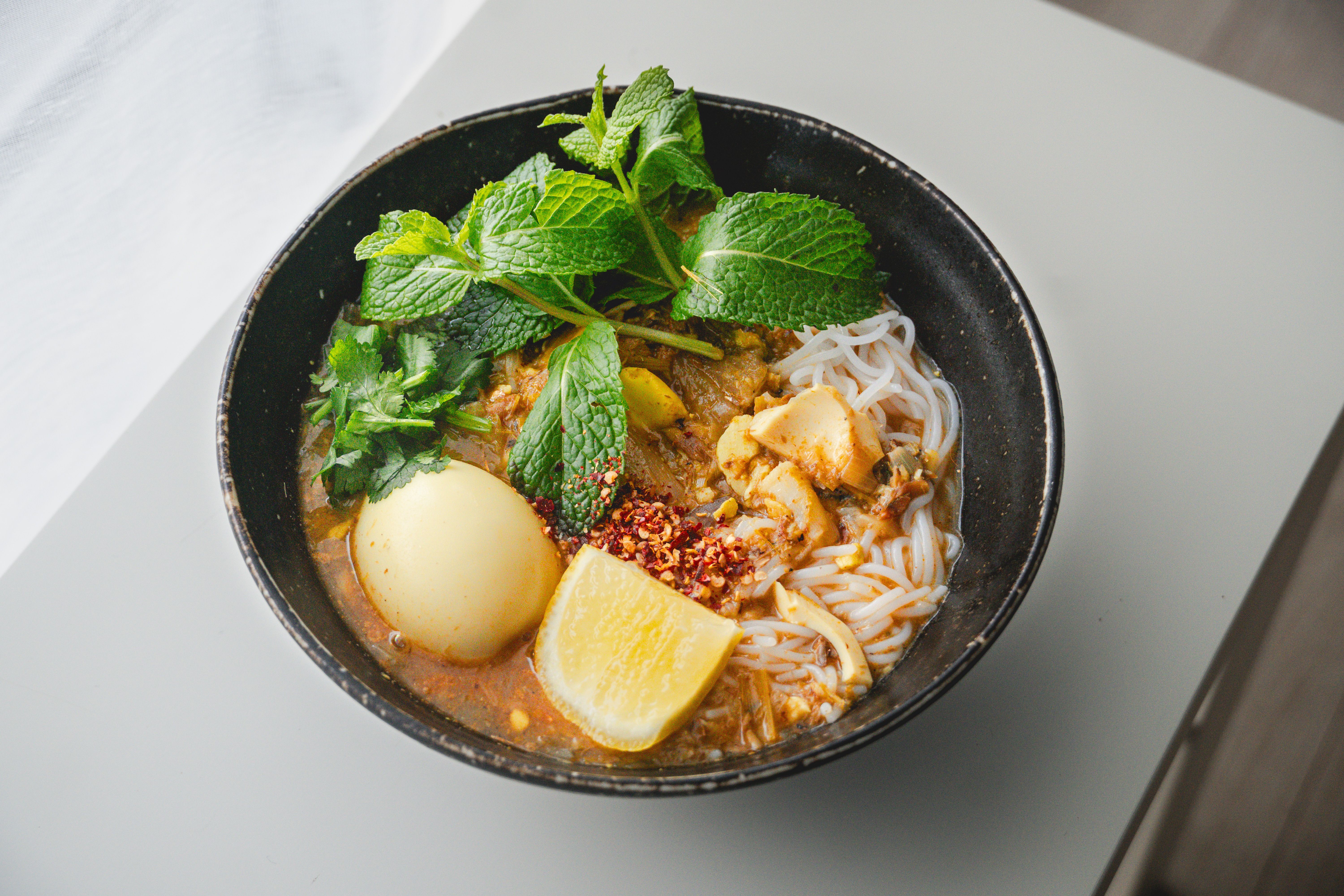
Malaysian Chicken Curry Laksa
A comforting bowl of noodles in a rich, spicy coconut curry broth topped with poached chicken, tofu puffs, bean sprouts, and fresh herbs, a Malaysian hawker favourite.
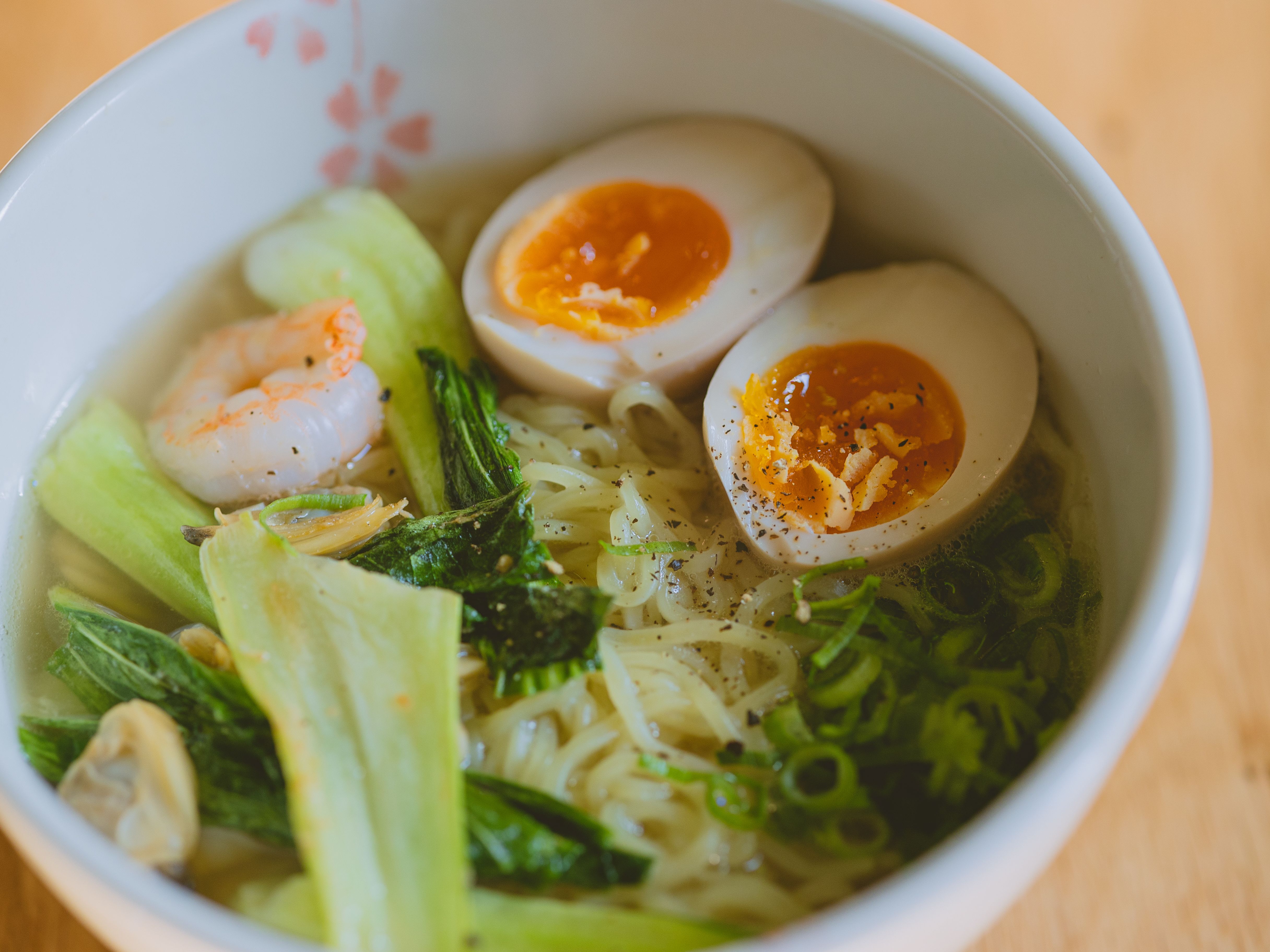
Student Ramen Upgrade with Egg & Greens
Turn a humble packet of instant noodles into a real meal with a jammy egg, fresh greens, and a savory garlic-ginger broth — the ultimate five-minute student dinner.
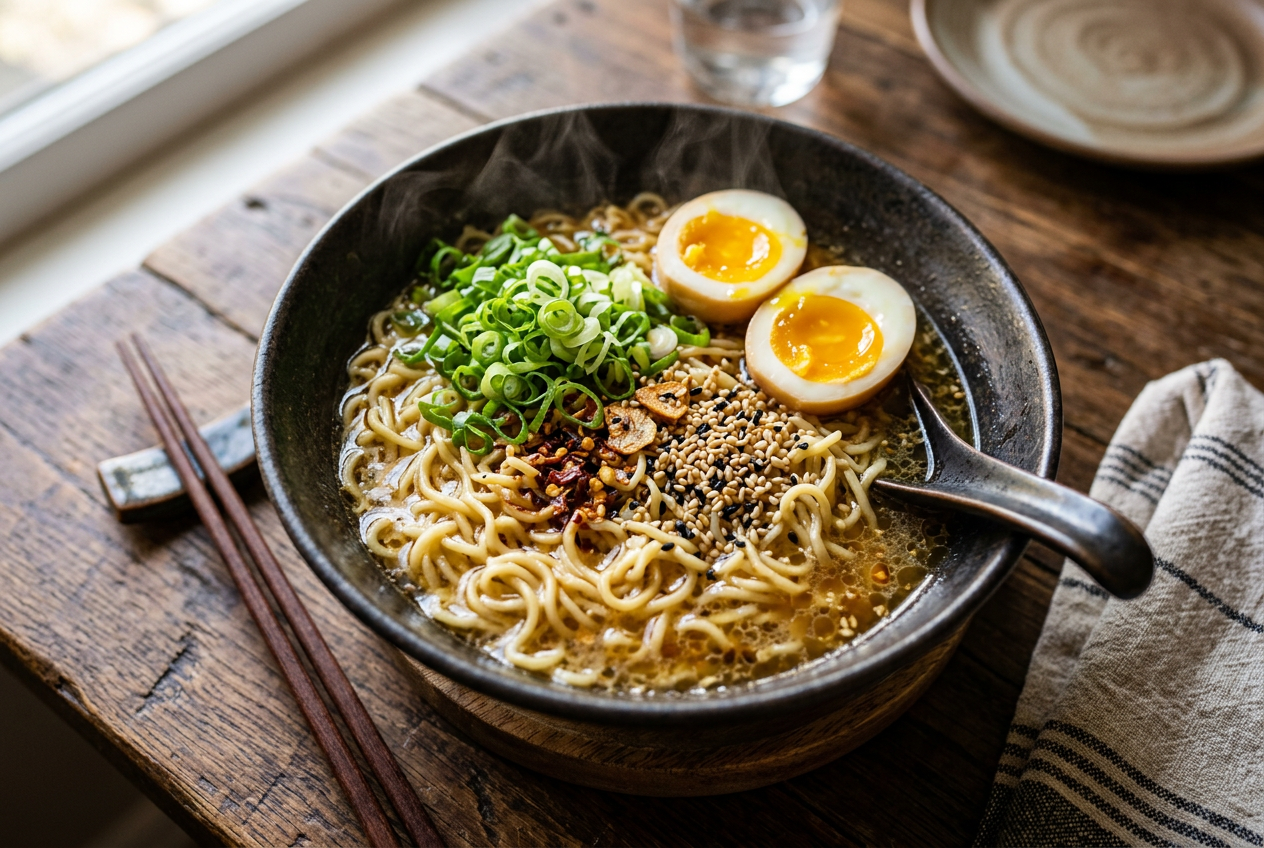
Garlic Butter Ramen Upgrade
Everything a packet of instant noodles wants to be: springy ramen tossed in garlicky butter with a soft egg, scallions, and a savory splash of sauce. A five-minute, few-dollar dinner that tastes far better than it costs — a student-kitchen hero.
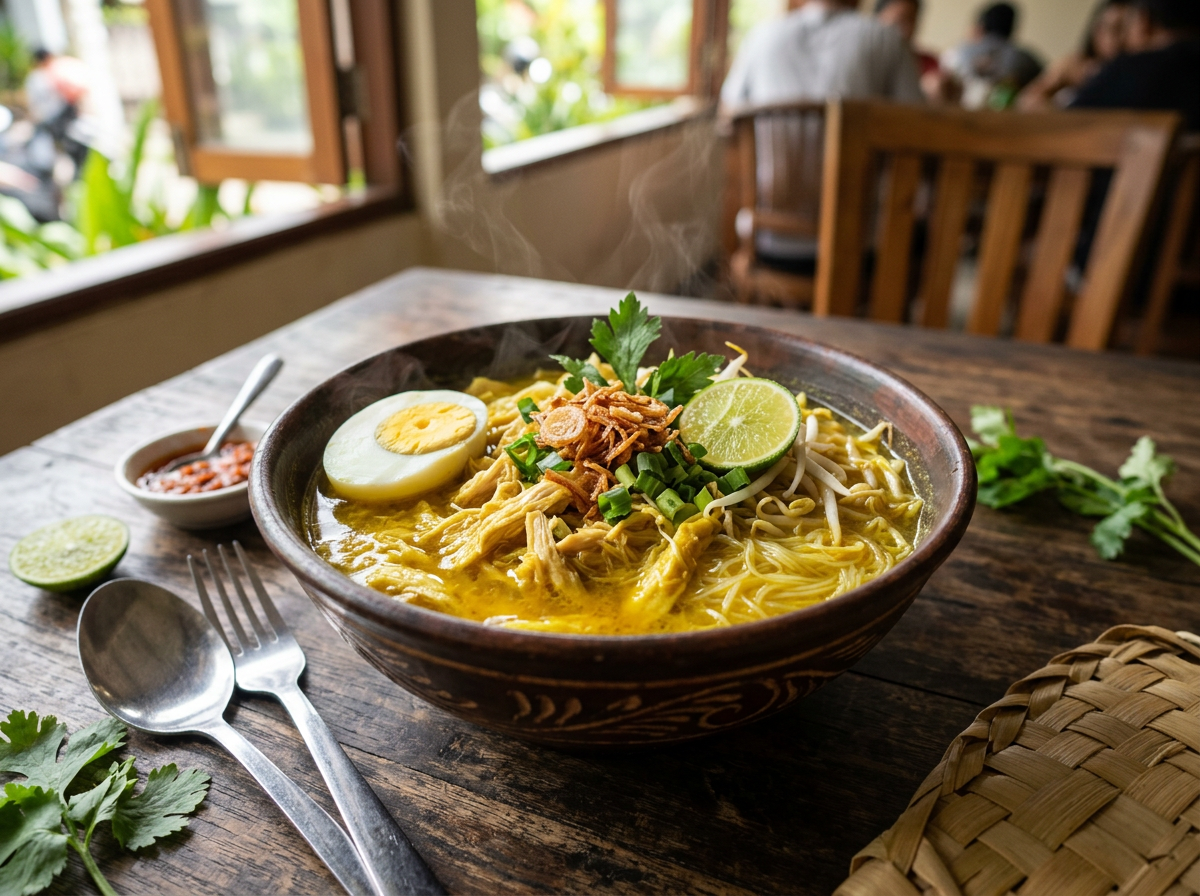
Indonesian Soto Ayam (Turmeric Chicken Soup)
A restorative Indonesian chicken soup glowing golden with turmeric and lemongrass, ladled over rice vermicelli and topped with boiled egg, bean sprouts, and crispy fried shallots. Bright, aromatic, and endlessly comforting.
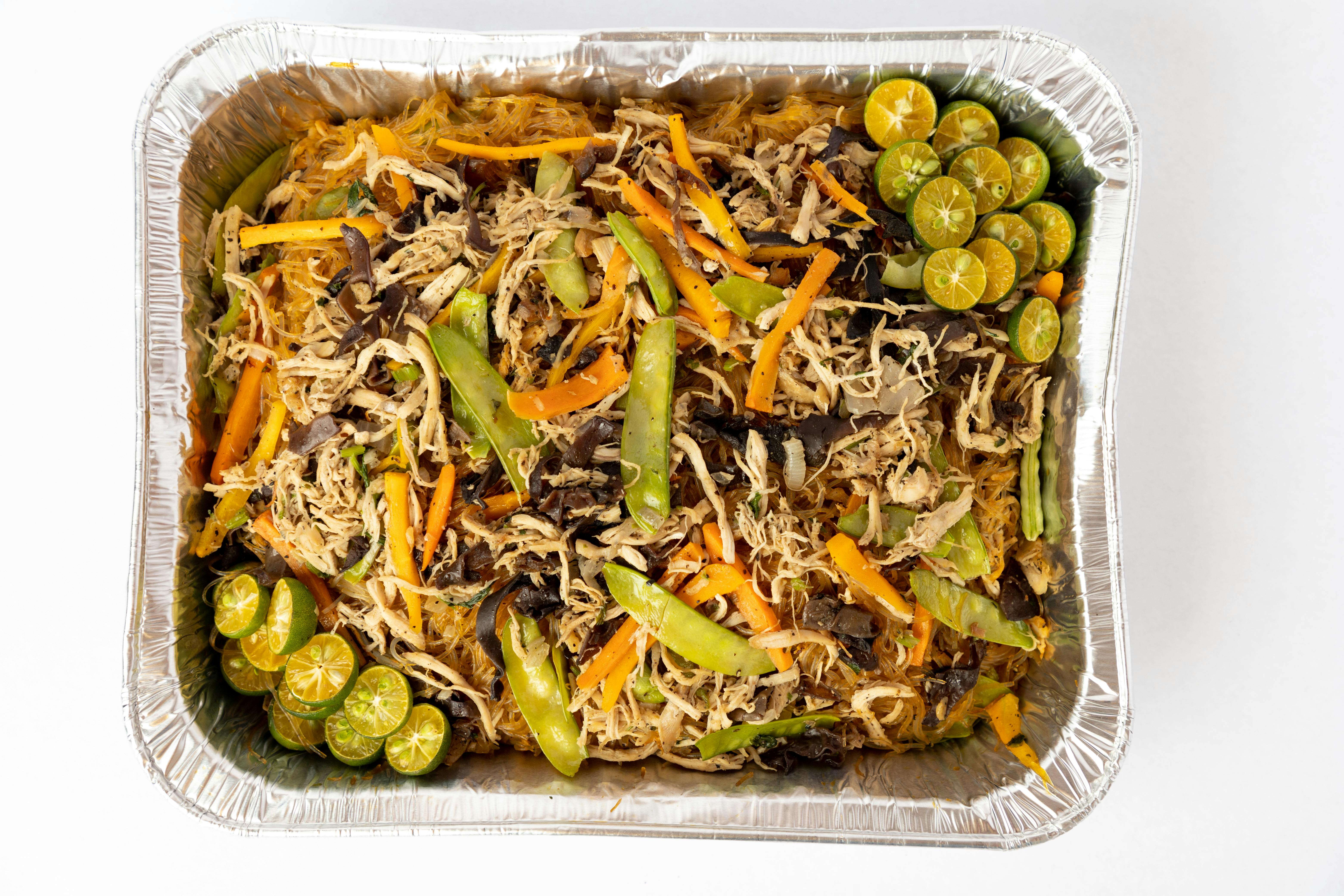
Filipino Pancit Bihon
Thin rice noodles stir-fried with chicken, shrimp, and crisp vegetables in a savoury soy-citrus sauce — a fixture at every Filipino celebration.
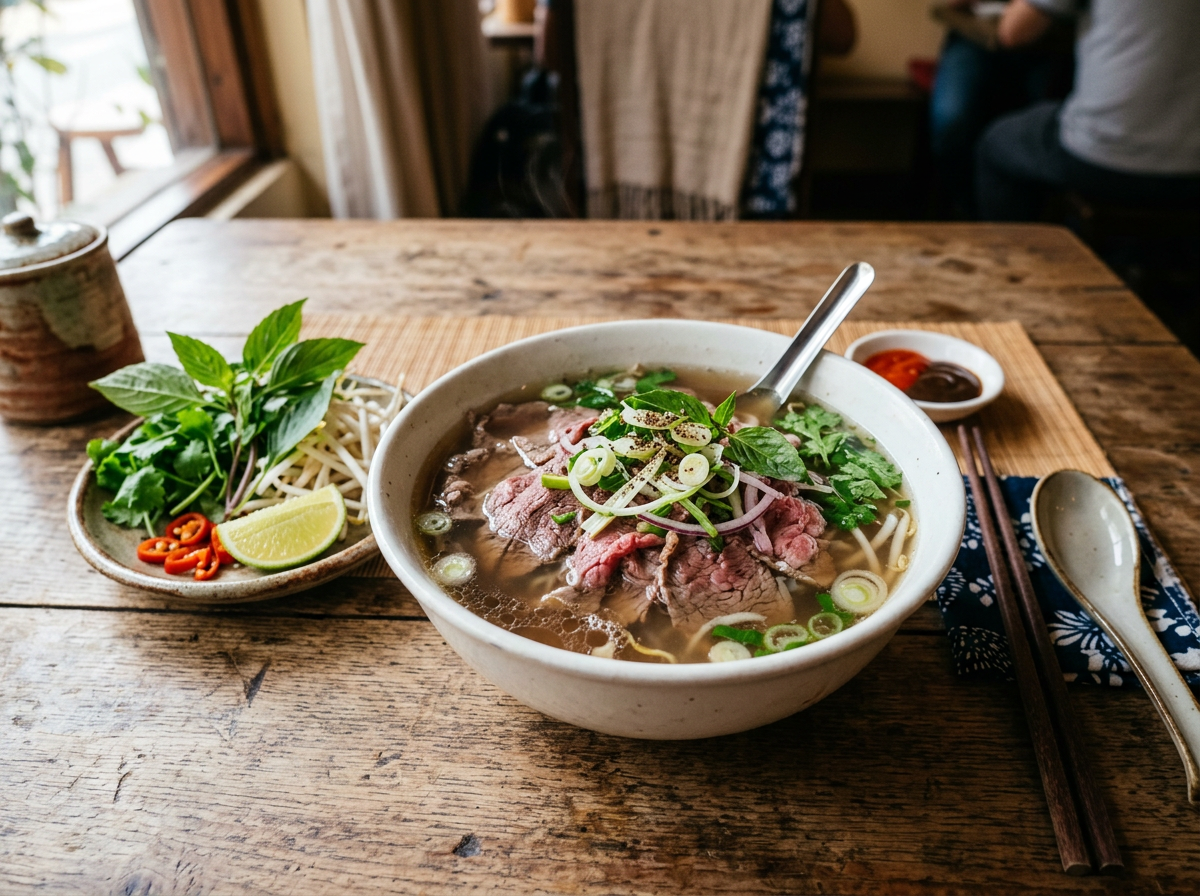
Moroccan Harira Soup
A hearty tomato, lentil, and chickpea soup fragrant with ginger and cinnamon, traditionally served to break the fast during Ramadan.
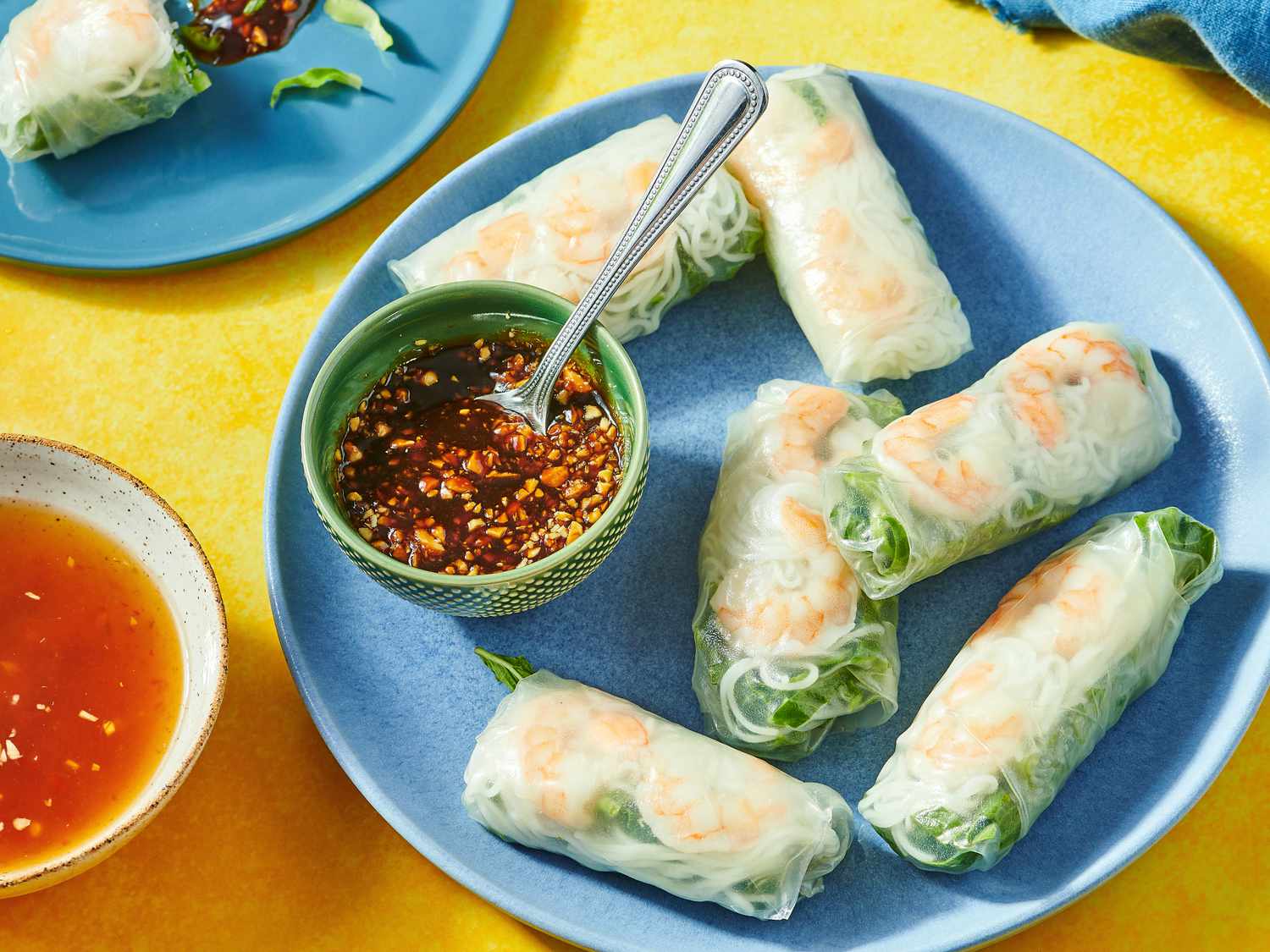
Fresh Spring Rolls
Delicate rice paper rolls packed with shrimp, herbs, and vermicelli, served with peanut dipping sauce.
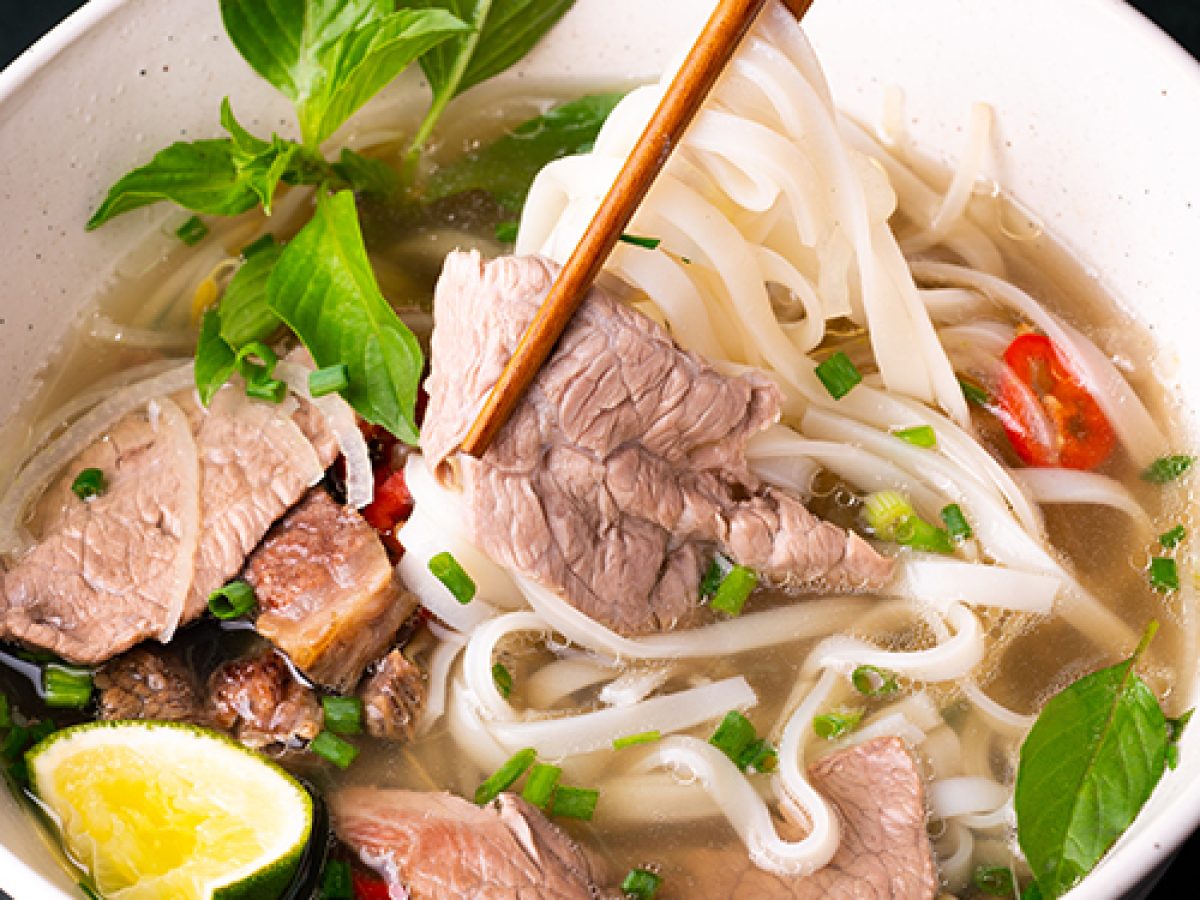
Beef Pho
A soul-warming bowl of clear, aromatic beef broth with rice noodles, thin beef, and fresh herbs.
Explore Related Cuisines
Related Ingredients
Cooking Guides You May Like
A Guide to Southeast Asian Flavors
Southeast Asian cooking thrives on balance — salty, sour, sweet, and hot in every bite. Here is how those flavors come together.
A Guide to Korean Home Cooking
Korean home cooking is built on a pantry of bold, fermented staples and a generous, shared table. Here is where to begin.