The flavors and the pantry
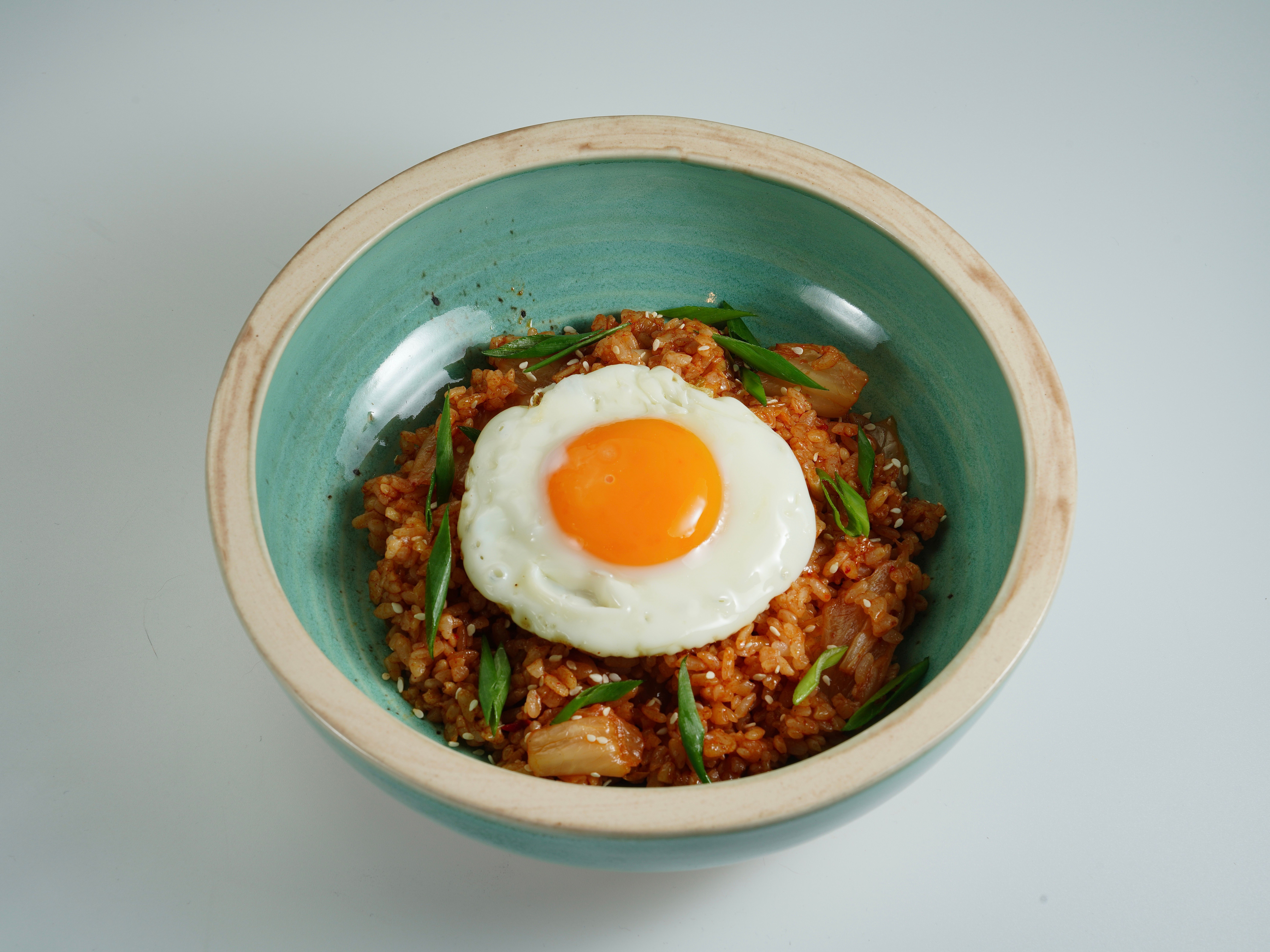
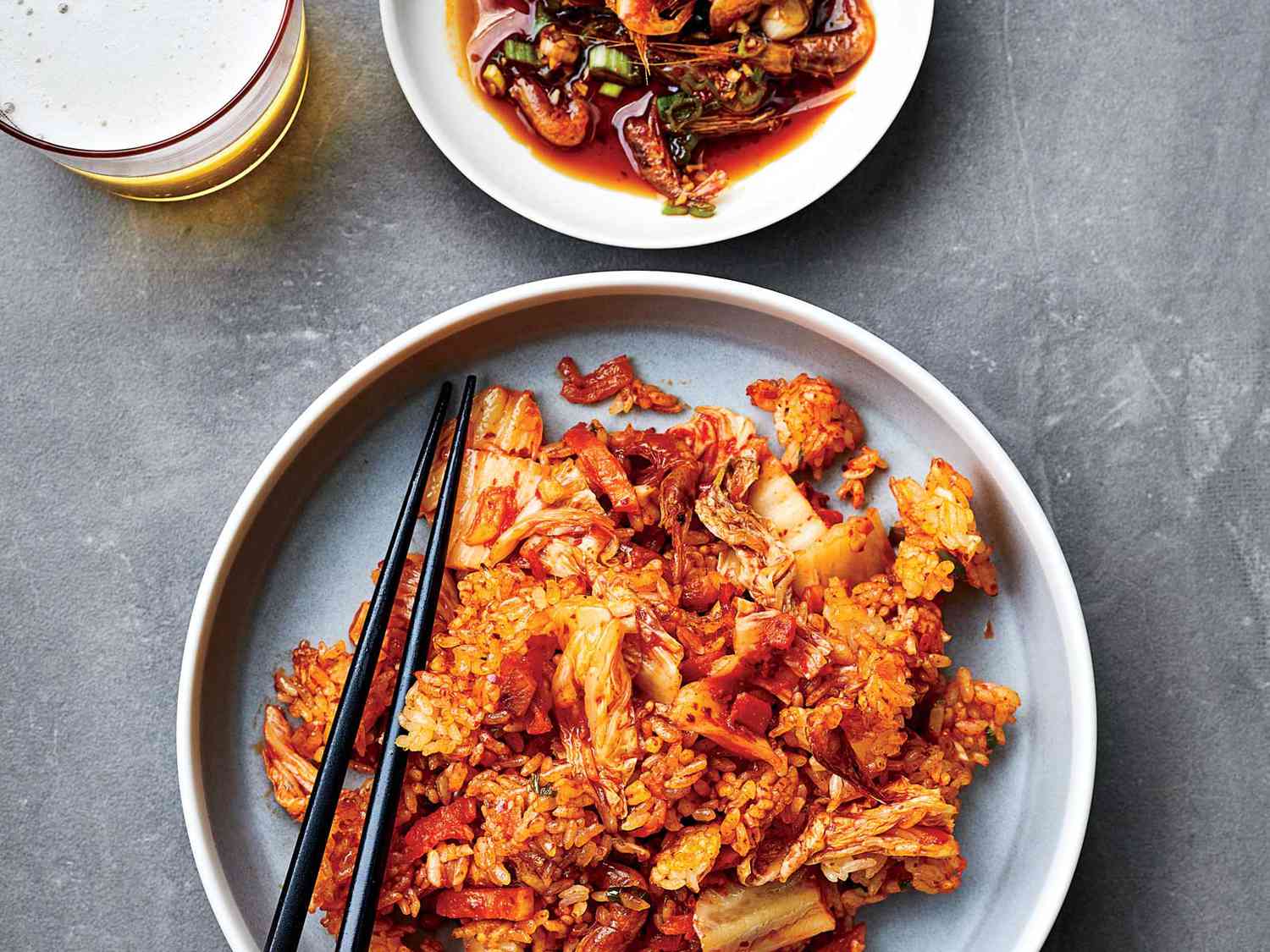
Korean cooking balances savory, spicy, sweet, and tangy, often within a single meal, and leans heavily on fermentation for depth. A handful of pantry staples unlock most home dishes: gochujang (a fermented chili paste), gochugaru (Korean chili flakes), soy sauce, toasted sesame oil, garlic, and ginger. Fermented vegetables, above all kimchi, appear at nearly every meal and double as both side dish and cooking ingredient.
These ingredients are potent, so a little goes a long way. With gochujang, soy, sesame oil, and garlic on hand, you can season an enormous range of vegetables, proteins, and rice dishes in a distinctly Korean direction.
The shape of a Korean meal
A typical Korean meal is not a single plated dish but a spread: a bowl of rice, a soup or stew, a main protein, and an array of small side dishes called banchan. The banchan — seasoned vegetables, pickles, and of course kimchi — provide contrast in flavor, temperature, and texture, so each bite can be composed a little differently. This structure makes meals feel abundant and varied even when each individual dish is simple.
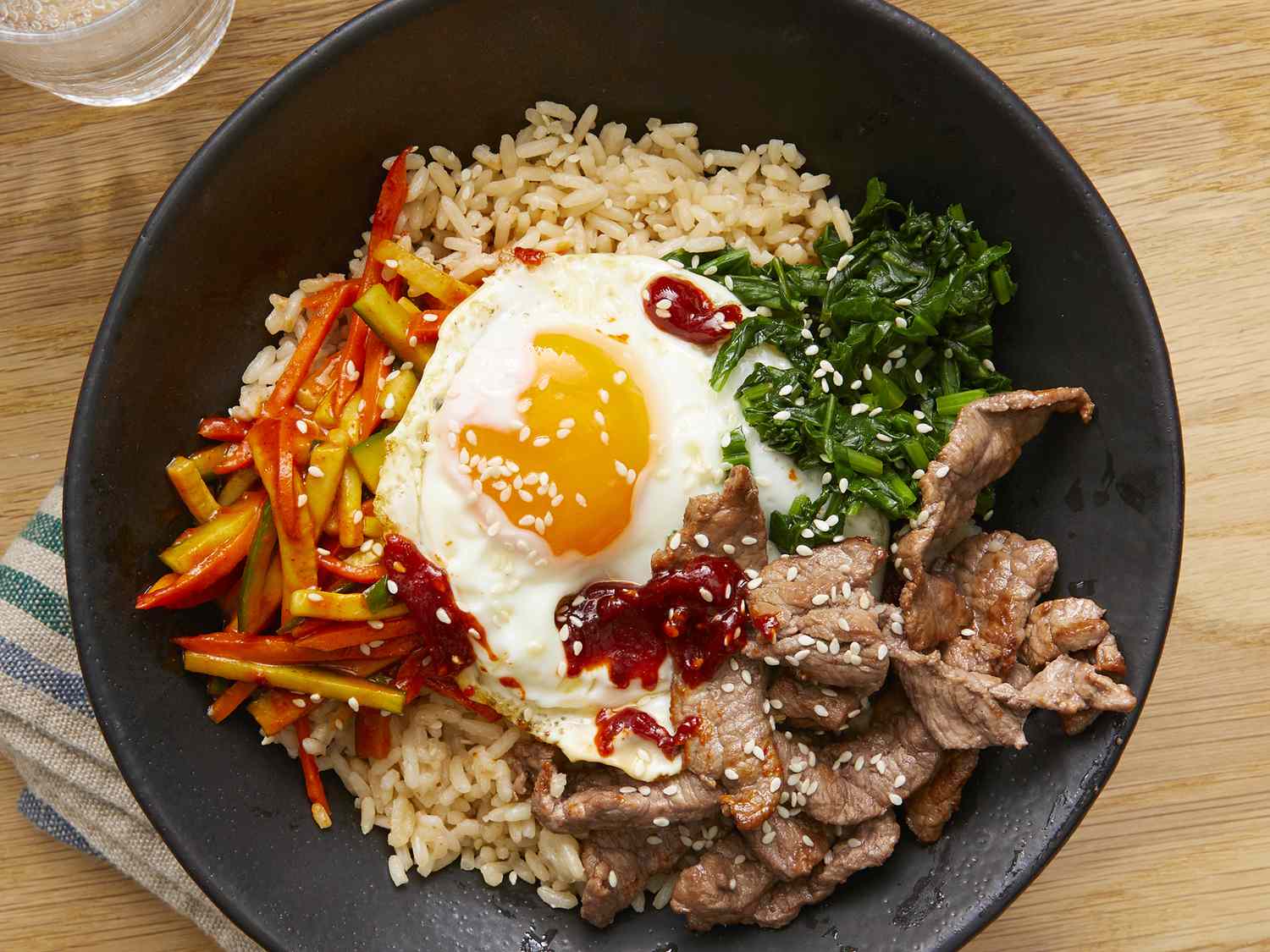
Rice is the anchor, and many beloved dishes are built around it: bibimbap tops rice with an array of vegetables, a protein, and a spoon of gochujang to be mixed at the table, while a simple bowl of rice alongside stew and a few banchan is everyday comfort.
Everyday dishes to start with
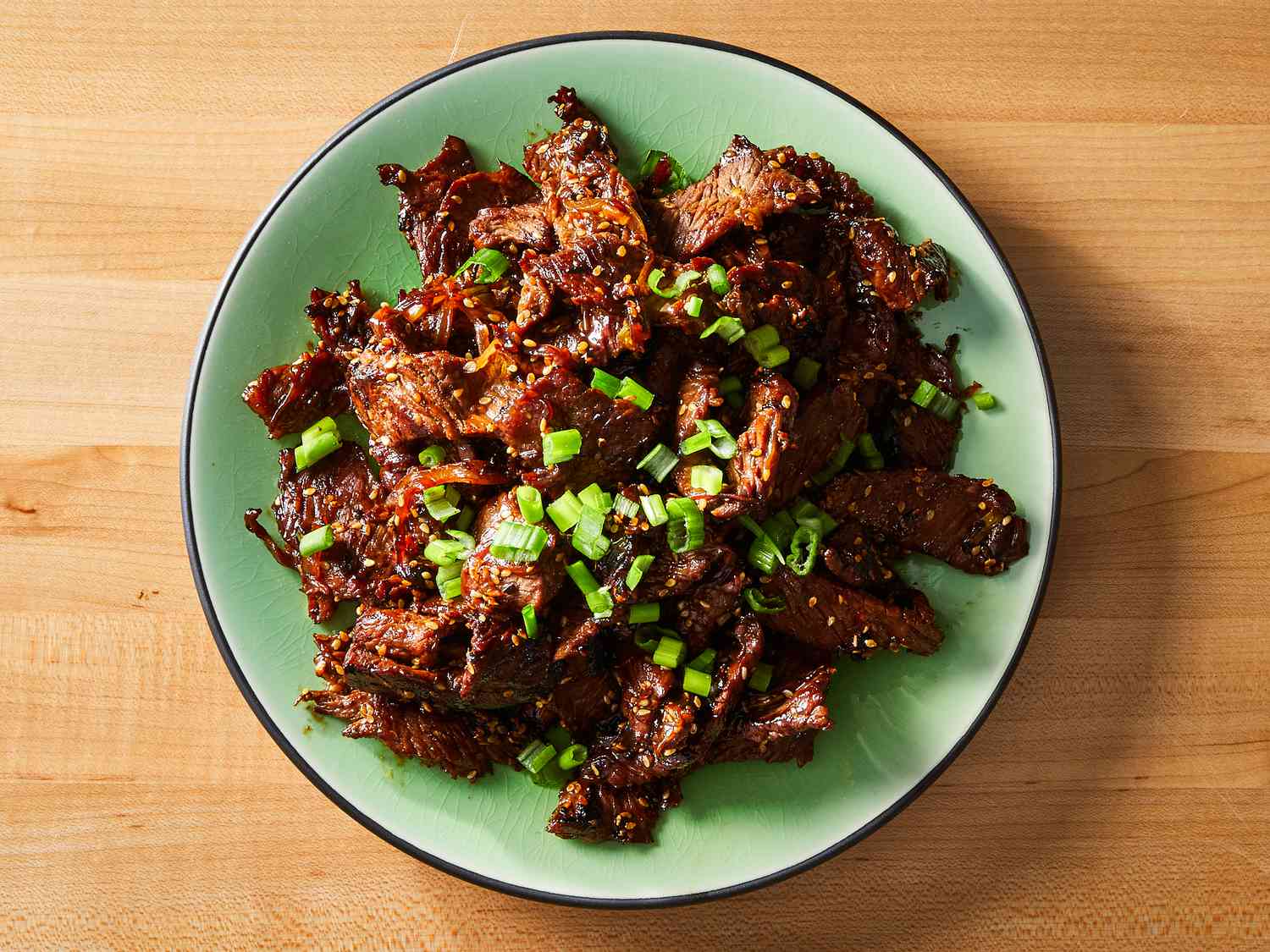
A few approachable dishes are a great entry point. Bulgogi — thinly sliced beef marinated in soy, sesame, garlic, and a touch of sweetness, then quickly seared — is a reliable crowd-pleaser. Bibimbap is forgiving and adaptable to whatever vegetables you have. Hearty stews such as a soft tofu stew (sundubu jjigae) or a kimchi stew (kimchi jjigae) turn pantry staples into deeply comforting, warming meals.
Start with one or two dishes and the shared pantry means the others come easily, since the same core seasonings reappear again and again. Korean home cooking rewards a small investment in a few staples with a wide and satisfying repertoire.