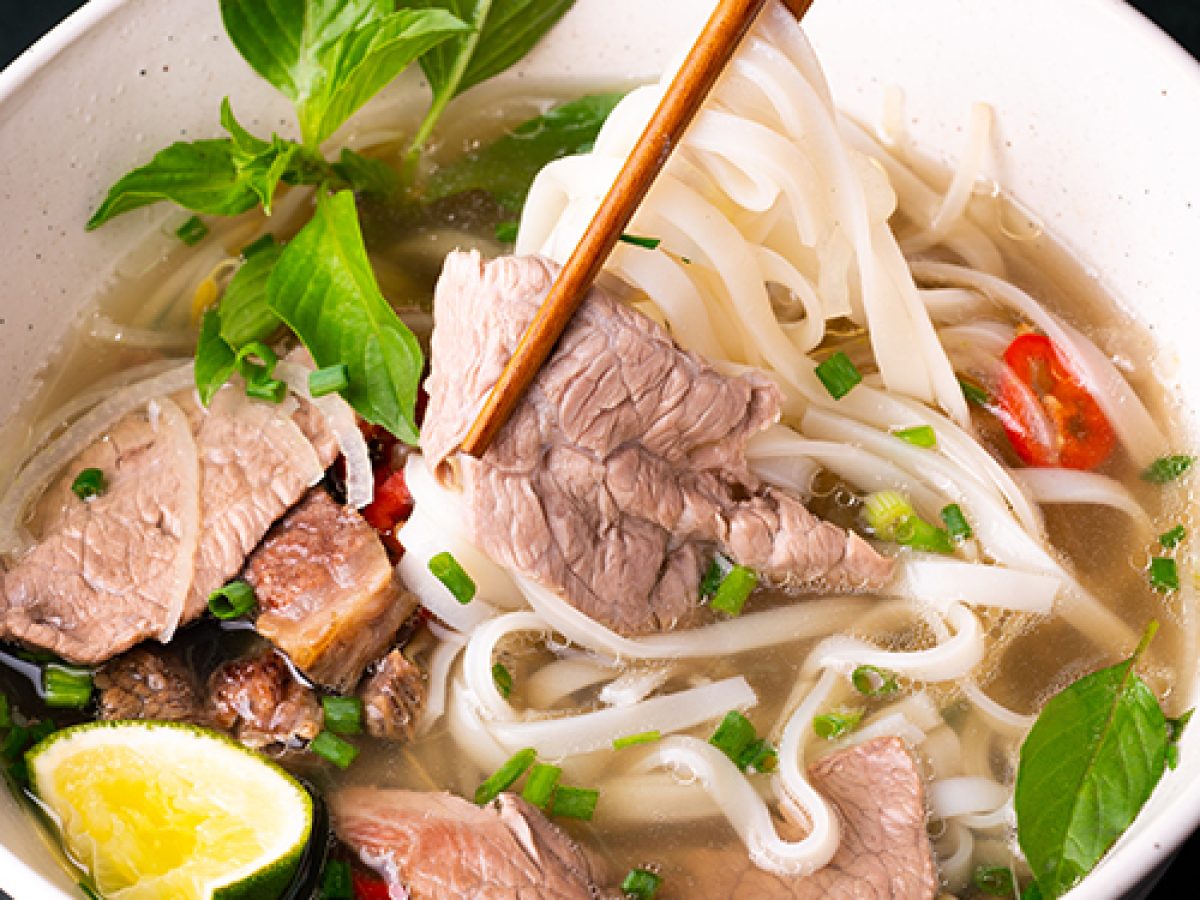
Beef Pho
A soul-warming bowl of clear, aromatic beef broth with rice noodles, thin beef, and fresh herbs.
About This Recipe
This comforting Vietnamese noodle soup is a culinary classic, beloved for its deeply aromatic broth and delicate balance of savory and fresh elements. Preparing a traditional beef pho is a labor of love that requires patience, making it a rewarding project for dedicated home cooks who want to master a dairy-free masterpiece.
The secret to this recipe's success lies in building layers of profound flavor during the four-hour simmer. Charring the onion and ginger before adding them to the pot releases a smoky sweetness, while toasting the star anise and cinnamon coaxes out their essential oils. Seasoning the strained, rich bone broth with fish sauce adds a crucial umami depth that perfectly balances the sweet and savory notes of the soup.
To ensure the best results, slice your raw beef sirloin as thinly as possible. Placing these paper-thin slices directly over the cooked rice noodles allows the boiling broth to gently cook the meat right in the serving bowl, keeping it incredibly tender. If you prefer your beef more well-done, you can briefly swirl the slices in the simmering broth just before assembling the bowls.
Serve each steaming bowl immediately alongside a generous platter of fresh herbs, lime wedges, and sliced chilies. This setup allows your guests to customize their bowls with bright, crunchy, and fiery contrasts. Any leftover broth can be cooled and stored in the refrigerator for a few days, ready to be reheated for a quick, comforting meal later in the week.
Ingredients
- 2 kg Beef bones
- 500 g Rice noodles
- 300 g Beef sirloin
- 2 pieces Onion and ginger
- 4 pieces Star anise and cinnamon
- 4 tbsp Fish sauce
- 2 cups Fresh herbs
Instructions
- 1
Char onion and ginger, then simmer with bones and toasted spices for about 4 hours.
240 min
- 2
Season the broth with fish sauce and a little sugar.
3 min
- 3
Soak and cook the rice noodles.
5 min
- 4
Place noodles and thin raw beef in bowls.
3 min
- 5
Ladle over boiling broth to cook the beef; serve with herbs, lime, and chili.
2 min
Nutrition Facts
480
kcal
Calories
32
g
Protein
62
g
Carbs
10
g
Fat
3
g
Fiber
1280
mg
Sodium
Rate This Recipe
Beverage Pairings
Vietnamese food is fresh, herbal and balanced, and its drinks follow suit: sweet, strong iced coffee over condensed milk, light lagers with grilled and fried dishes, and off-dry whites for the interplay of lime, fish sauce and chilli.
Wine, Beer & Spirits
A saline, citrus white built for seafood. A crisp, mineral profile is a natural match for seafood.
Serve well chilled (8–10°C).
Zesty acidity lifts delicate fish. A crisp, mineral profile is a natural match for seafood.
Serve well chilled (8–10°C).
A crisp, light lager refreshes against fish sauce, lime and chilli. Light-bodied and refreshing to match a delicate dish.
Serve ice-cold.
Off-dry fruit balances the sweet-sour-spicy interplay of the cuisine. Light-bodied and refreshing to match a delicate dish.
Serve well chilled (8°C).
Dry rosé is remarkably versatile across savory dishes. Light-bodied and refreshing to match a delicate dish.
Serve well chilled (8–10°C).
Non-Alcoholic
Strong, sweet iced coffee is the national drink — a rich finish to the meal.
Serve over ice.
Light and refreshing, it echoes the fresh, herbal character of the food. Light-bodied and refreshing to match a delicate dish.
Serve cold, ideally over ice.
Clean and grassy, it complements fresh spring rolls and herbs. Light-bodied and refreshing to match a delicate dish.
Steep at 75–80°C for 2 minutes.
A neutral refresher for bright, herb-forward dishes. Light-bodied and refreshing to match a delicate dish.
Serve cold with a citrus twist.
Tips & Guidance
- 1Char the onion and ginger directly over a gas flame or under a broiler until deeply blackened. This step is non-negotiable — it adds the smoky sweetness that distinguishes restaurant-quality pho from home attempts.
- 2Toast the whole spices (star anise, cinnamon, cloves, coriander, fennel) in a dry skillet until fragrant before adding to the broth. Toasting activates volatile oils and deepens the aroma.
- 3Skim the broth obsessively during the first hour of simmering. The cleaner the broth, the more refined the final bowl. After skimming, maintain a bare simmer — never a rolling boil — for a clear, elegant broth.
Produces pho ga (chicken pho). Use a 3-hour simmer instead of 6+ hours. The soy sauce compensates for the lighter body.
Widely available. Soak in hot water for 20 minutes, then blanch briefly before adding to the bowl.
Rock sugar adds a clean sweetness without molasses flavor. Brown sugar works but adds a slightly different color.
- Under-seasoning the broth. Pho broth should be boldly seasoned with fish sauce — add it tablespoon by tablespoon, tasting after each. The broth should taste distinctly savory, not bland.
- Overcooking the raw beef slices. In traditional pho, paper-thin rare beef (tai) is placed raw in the bowl and cooked by the boiling broth poured over it. Pre-cooking the beef makes it tough.
- Skipping the herb and condiment plate. The fresh herbs (Thai basil, cilantro, culantro), bean sprouts, lime wedges, and chili are not garnishes — they are essential components that each diner uses to customize their bowl.
Store the broth, noodles, protein, and fresh garnishes all separately. Broth keeps 5 days refrigerated or 3 months frozen. Cooked noodles stick together as they cool; store with a light coating of oil or cook fresh per serving. The herb plate should be prepared just before serving.
- Pho French Dip — warm leftover broth as a dipping jus for a roast beef sandwich on a crusty baguette with hoisin and sriracha.
- Pho Broth Risotto — use the spiced beef broth in place of stock for an aromatic, umami-rich risotto finished with Thai basil.
- Quick Pho Soup — reheat broth, add fresh noodles and any leftover protein for a 5-minute lunch. Top with fresh herbs and lime.
Key Ingredients
Explore the ingredient encyclopediaYou Might Also Like
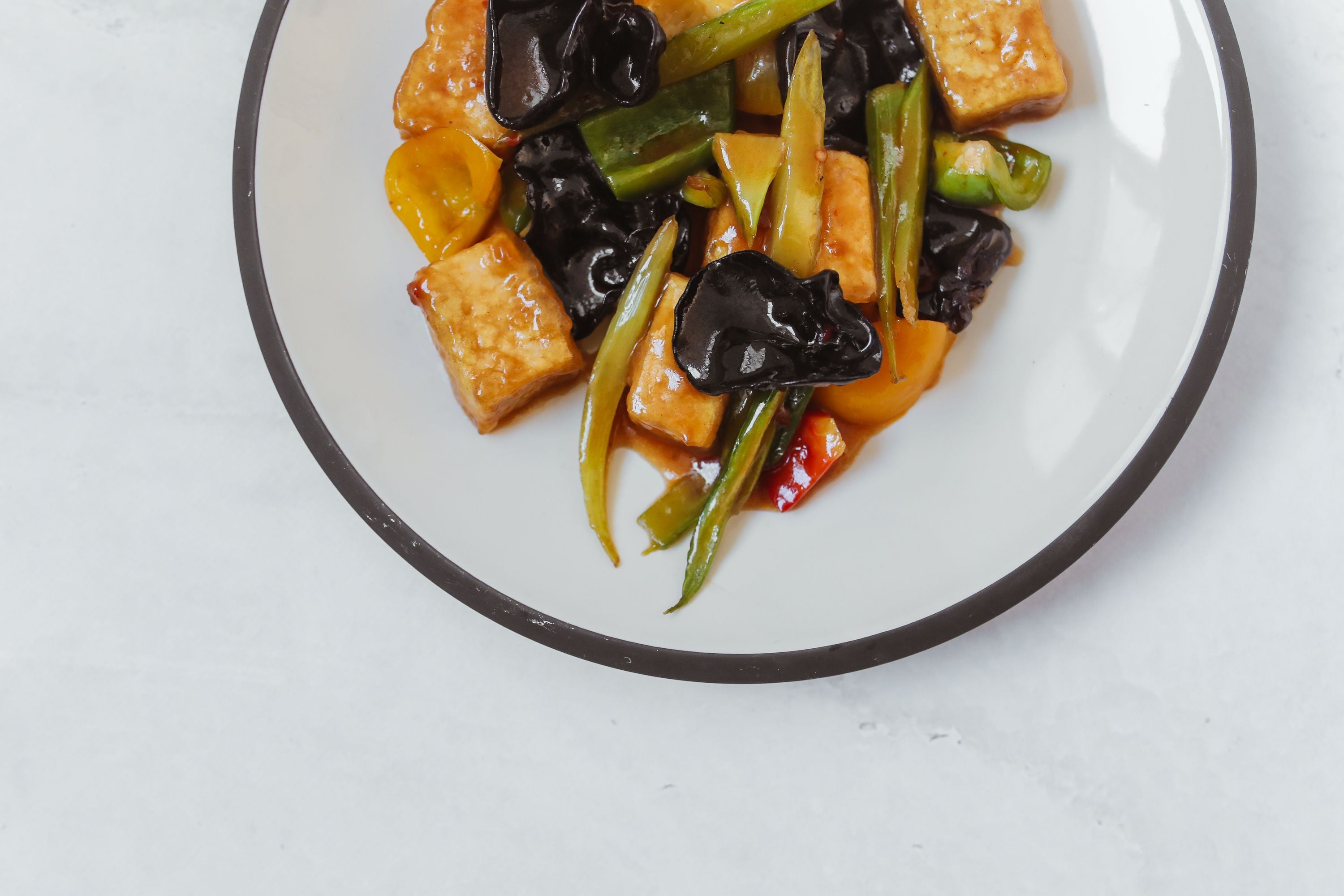
Vietnamese Lemongrass Tofu
Crisp pan-fried tofu glazed in a fragrant lemongrass, garlic, and soy sauce — a fast, high-protein vegan dinner that tastes like a takeout favorite for a fraction of the cost.
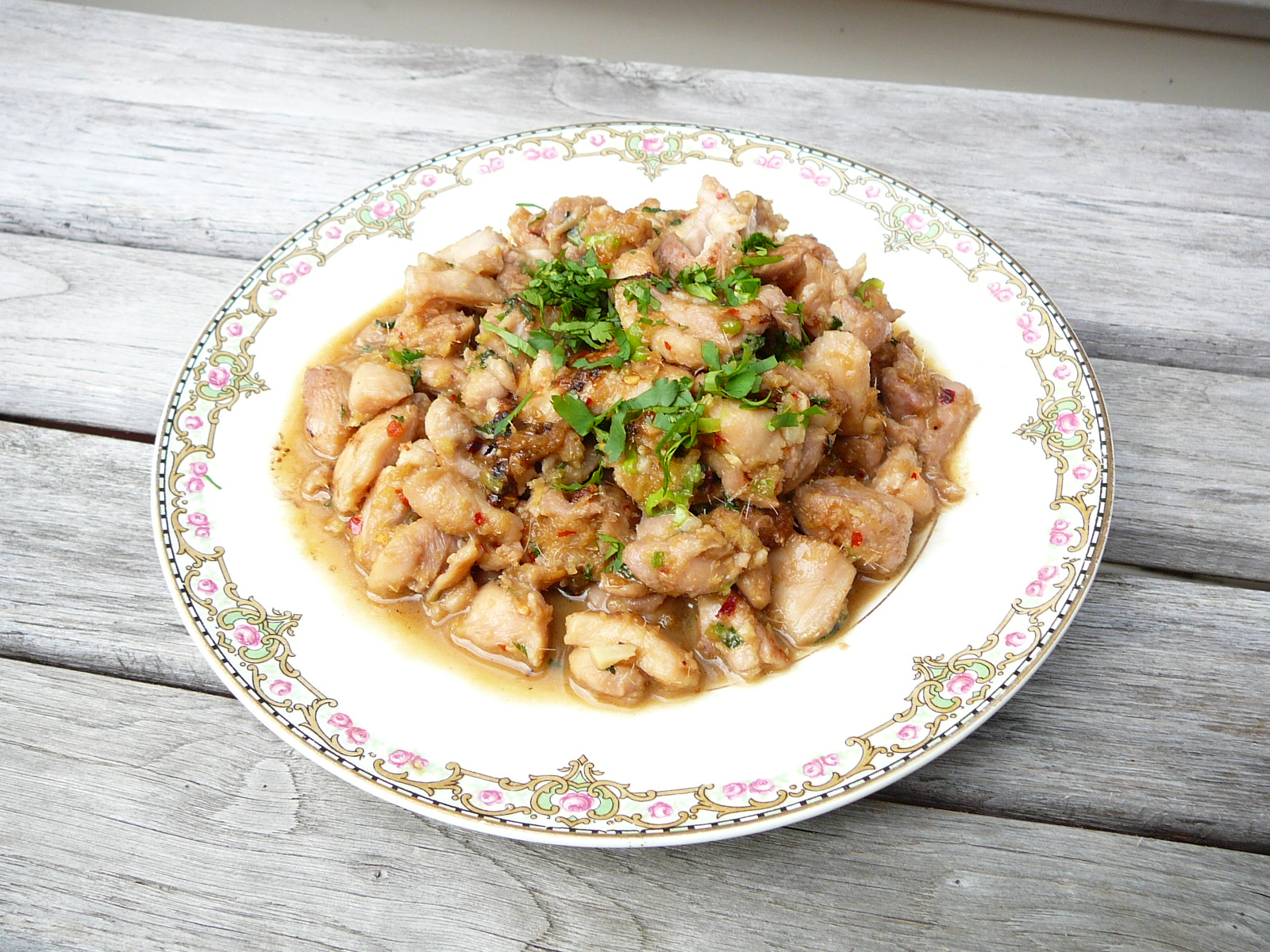
Lemongrass Chicken
Caramelized chicken thighs infused with fragrant lemongrass, garlic, and fish sauce.
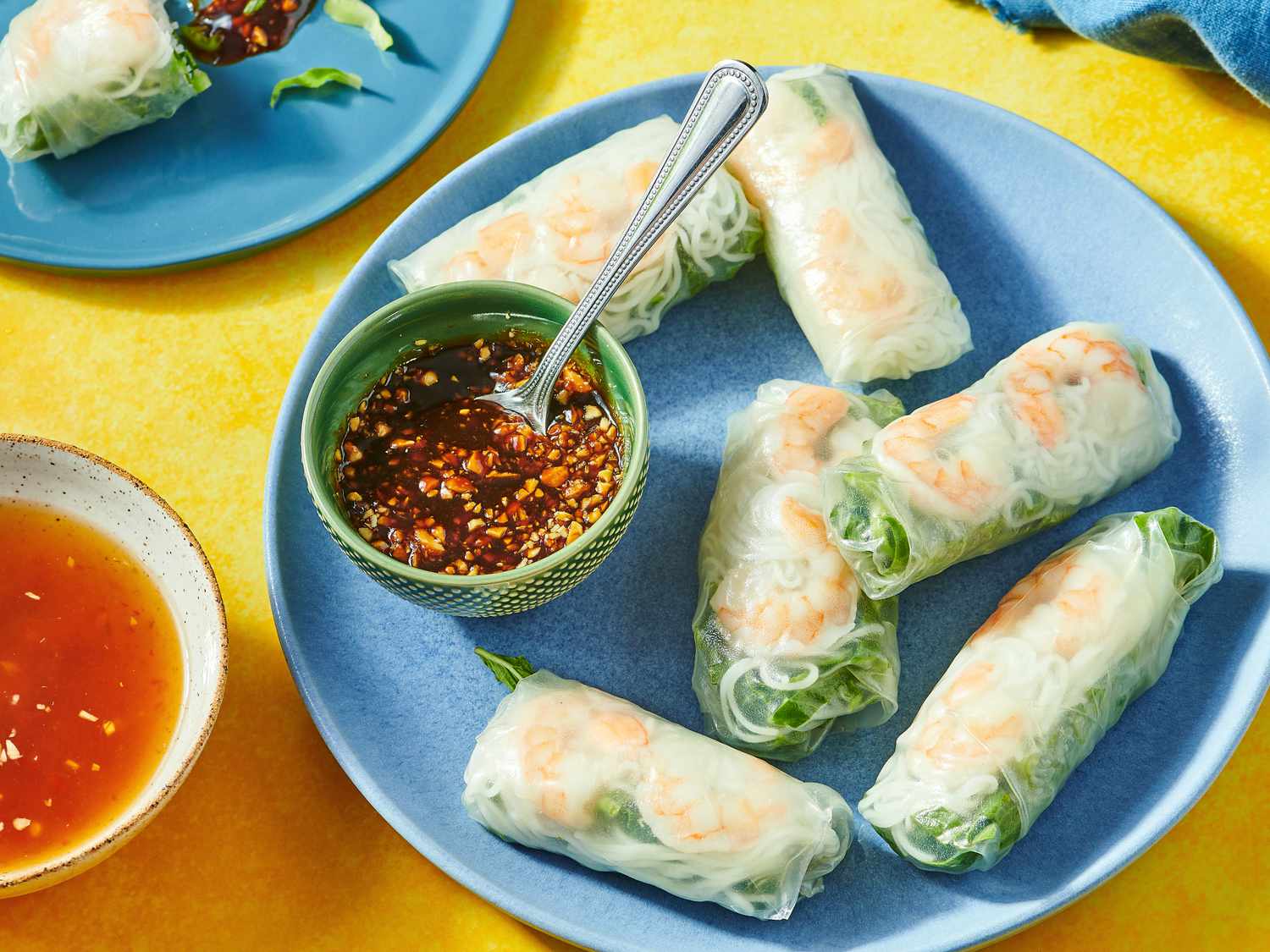
Fresh Spring Rolls
Delicate rice paper rolls packed with shrimp, herbs, and vermicelli, served with peanut dipping sauce.
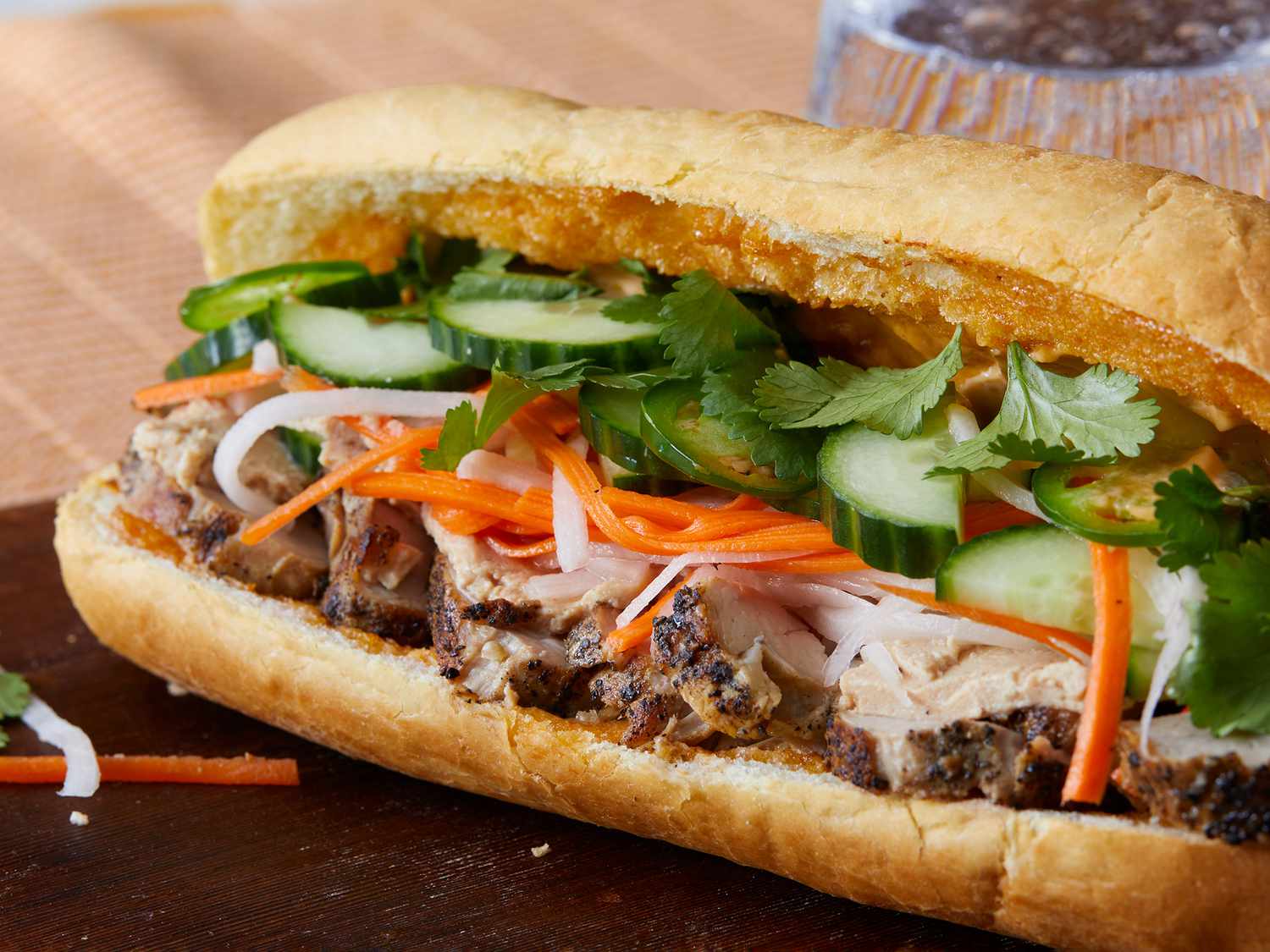
Banh Mi Sandwich
A crackly baguette layered with savory pork, pâté, pickled vegetables, cilantro, and chili.
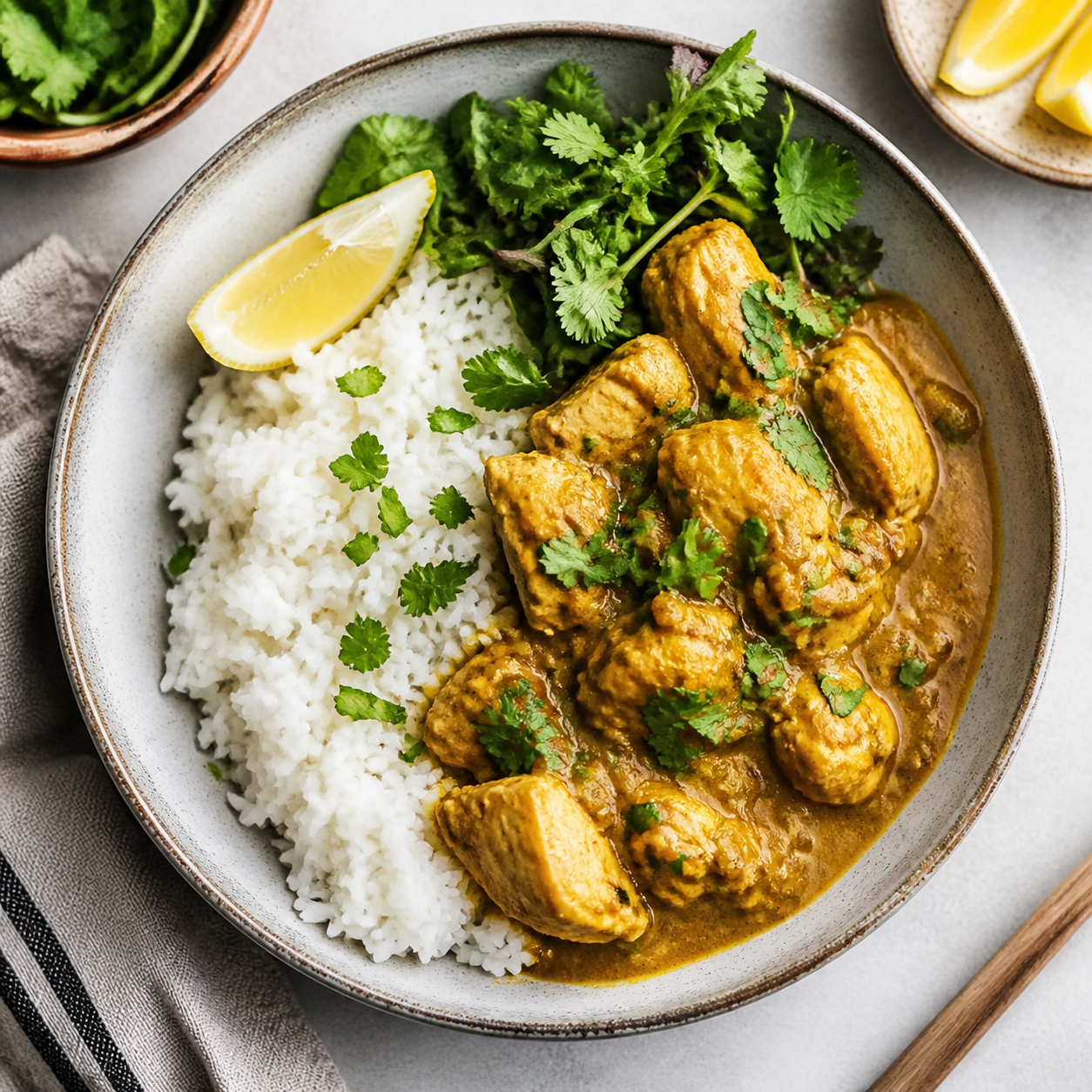
Quick Ethiopian Chicken Curry Rice Bowls
A fragrant, mildly spiced chicken curry inspired by Ethiopian flavors, finished in under an hour and served over fluffy rice for a satisfying weeknight meal.
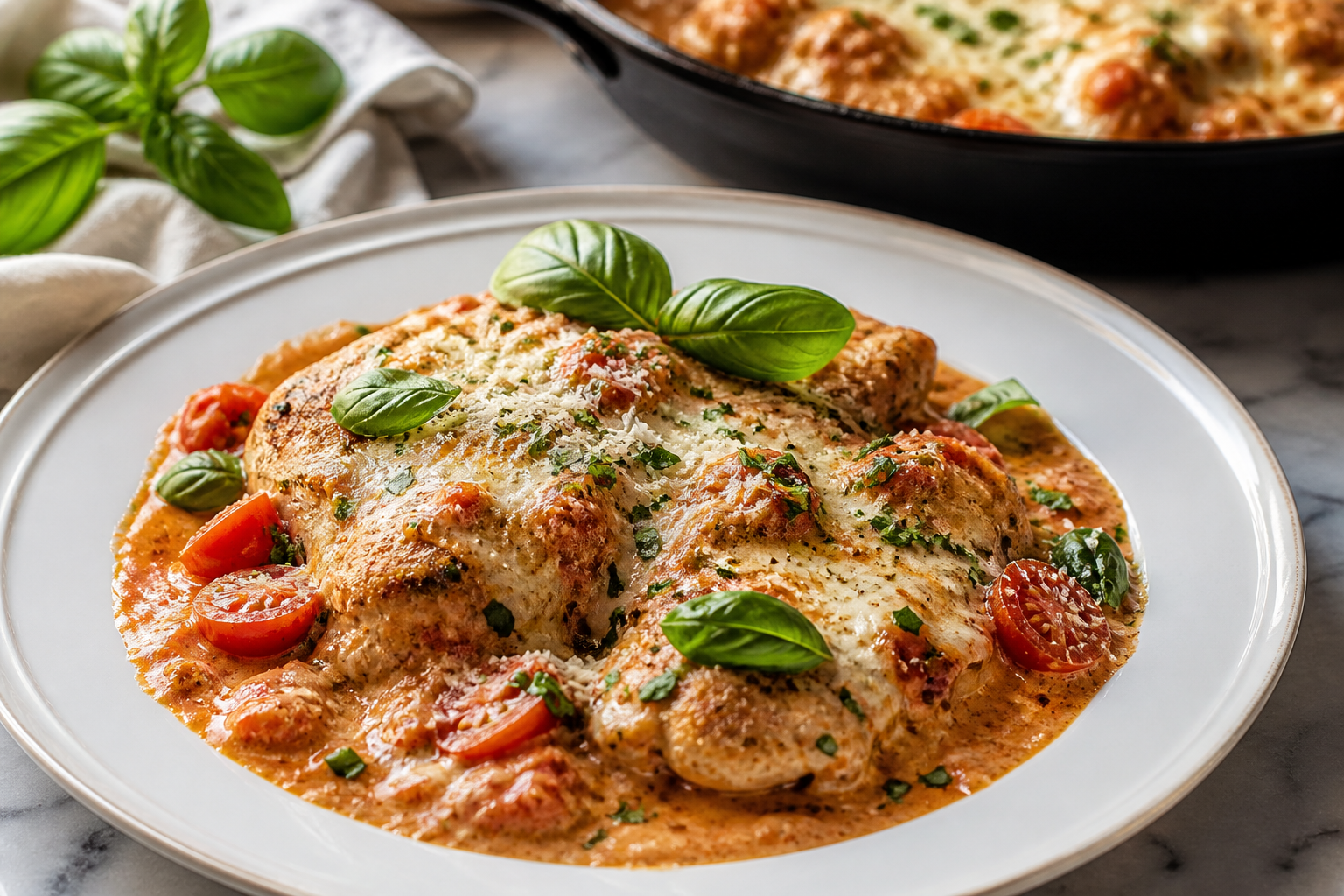
Creamy Tomato Chicken Parmesan Skillet
Tender chicken simmered in a rich tomato-alfredo sauce and finished with parmesan for a comforting, restaurant-style skillet meal.
Explore Related Collections
Cooking Guides
Understanding Cooking Methods: Dry Heat, Moist Heat, and More
Every cooking method changes texture and flavor in a specific way. Knowing which to choose is the key to cooking anything well.
Read guideBuilding Balanced Meals: A Simple Framework
You do not need to count anything to eat well. A simple visual framework does the work for you.
Read guideEssential Kitchen Skills Every Home Cook Should Know
A short list of fundamental skills will do more for your cooking than any gadget. Here are the ones that matter most.
Read guide