A Mediterranean and Levantine heritage
Lebanese cuisine is the jewel of Levantine cooking, shaped by millennia at the crossroads of the Mediterranean and the Middle East. Phoenician trade, Ottoman rule, and French influence all left their mark, but the cuisine remains rooted in the land — in olive groves, wheat fields, orchards, and kitchen gardens. It is among the most vegetable-forward cuisines in the world, and its emphasis on fresh produce, legumes, whole grains, and olive oil makes it a model of the Mediterranean diet.
Central to the culture is generosity. A Lebanese table is defined by abundance and sharing, and the mezze tradition — many small dishes served together — turns eating into a leisurely, social event. Food is meant to be lingered over, passed around, and shared, and no meal feels complete without warm bread and good company.
Essential ingredients
Lebanese flavor is built on a handful of bright, dependable ingredients: lemon juice, extra-virgin olive oil, garlic, and fresh flat-leaf parsley and mint. Chickpeas and dried favas anchor dips and stews, while bulgur (cracked wheat) forms the base of tabbouleh and kibbeh. Tahini, made from ground sesame, gives hummus and dressings their richness, and pomegranate molasses adds a sweet-tart depth to salads and marinades.
The spice profile is warm rather than fiery: allspice, cinnamon, cumin, and black pepper season meats, while the tart red spice sumac and the herb-and-sesame blend za’atar finish breads, salads, and dips. Toasted pine nuts, yogurt, and briny cheeses round out the pantry. It is a cuisine of freshness and balance more than heat.
The mezze table and core techniques
Mezze is less a recipe than a way of eating: a spread of hot and cold small plates — hummus, baba ghanoush, tabbouleh, fattoush, stuffed grape leaves, labneh, and warm items like falafel and grilled halloumi — served with pillowy flatbread. The art lies in variety and balance across the table: something creamy, something sharp, something herby, something grilled.
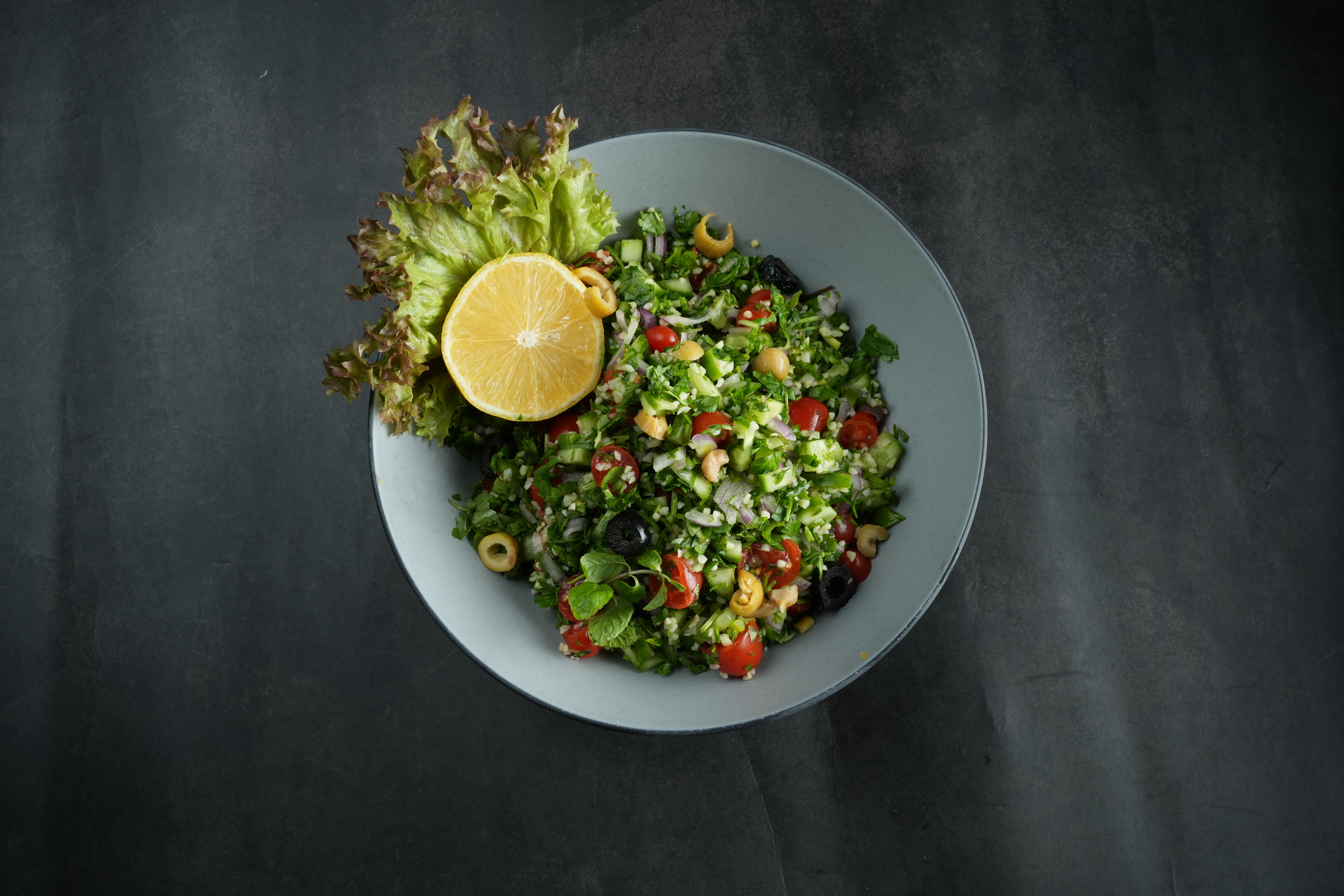
Key techniques are approachable. Grilling over charcoal gives kebabs and shish taouk their smoky edge; whipping soaked chickpeas with tahini, lemon, and garlic yields silky hummus; and finely chopping mountains of parsley by hand is what gives tabbouleh its character (it is an herb salad flecked with bulgur, not the reverse). Labneh — yogurt strained until thick — shows how a single simple step transforms an everyday ingredient.
Signature dishes to know
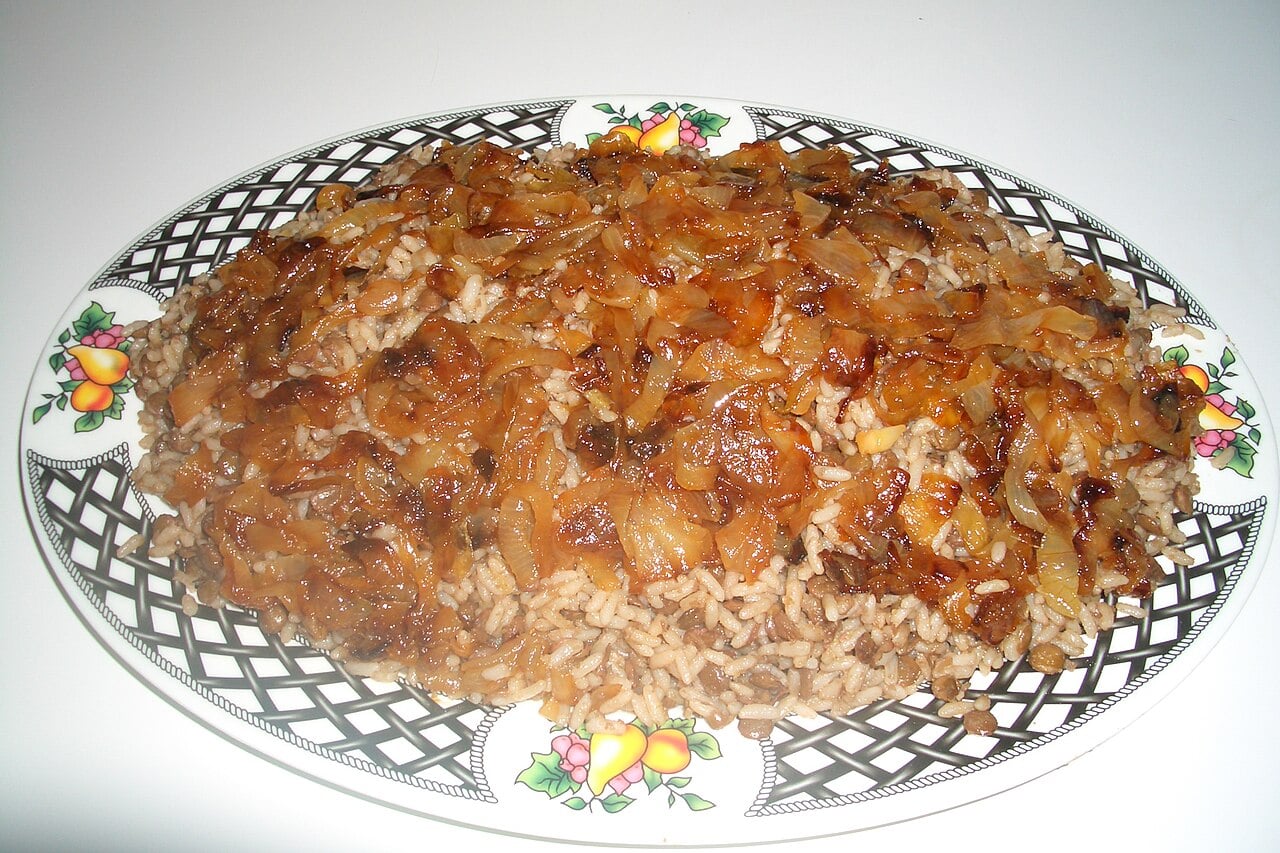
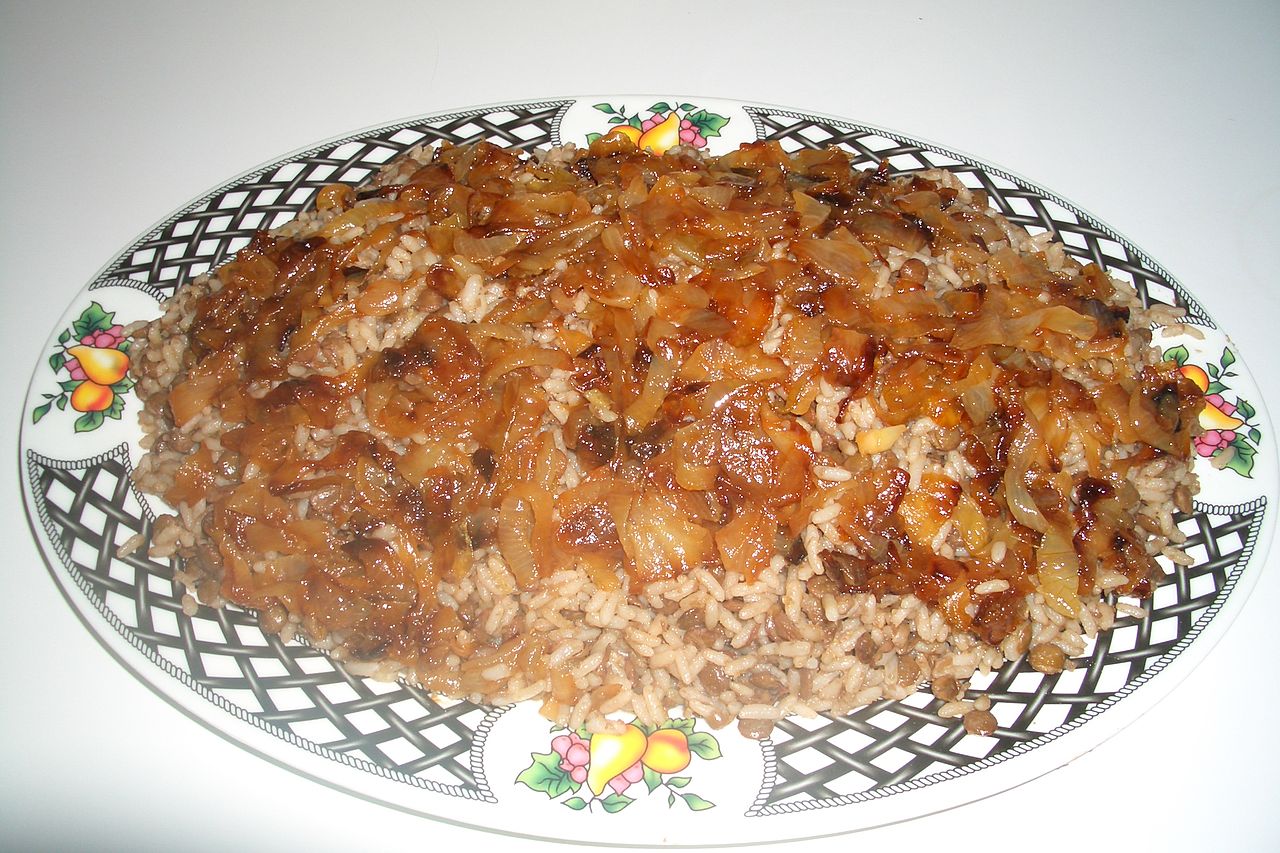
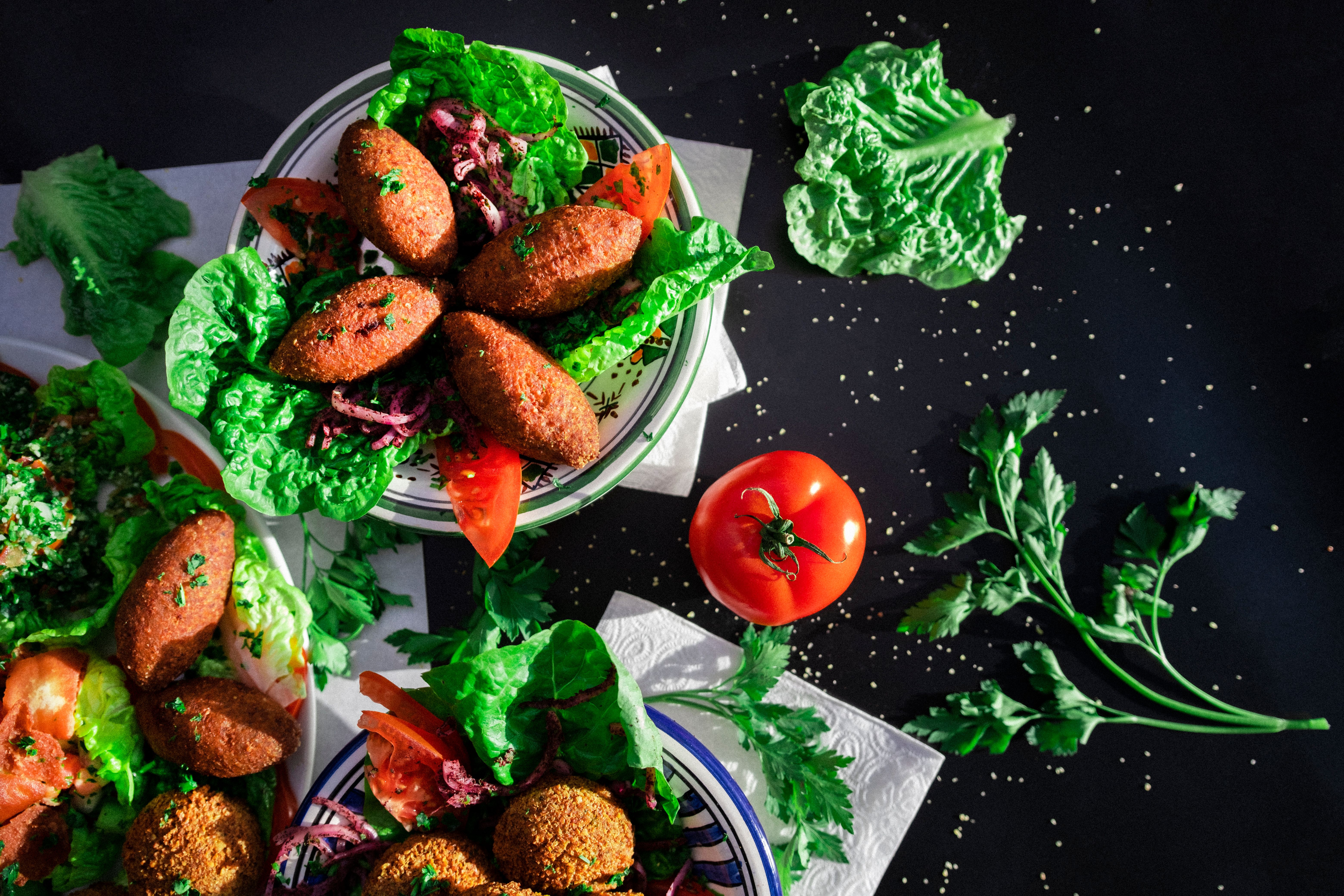
Begin with the icons: hummus, baba ghanoush (smoky roasted eggplant and tahini), tabbouleh, and fattoush (a bright chopped salad with crisped bread and sumac). Kibbeh — spiced bulgur and lamb, served raw, baked, or fried into torpedo-shaped shells — is considered the national dish. Mujadara, a humble, deeply comforting dish of lentils, rice, and caramelized onions, shows the cuisine’s genius with simple ingredients.
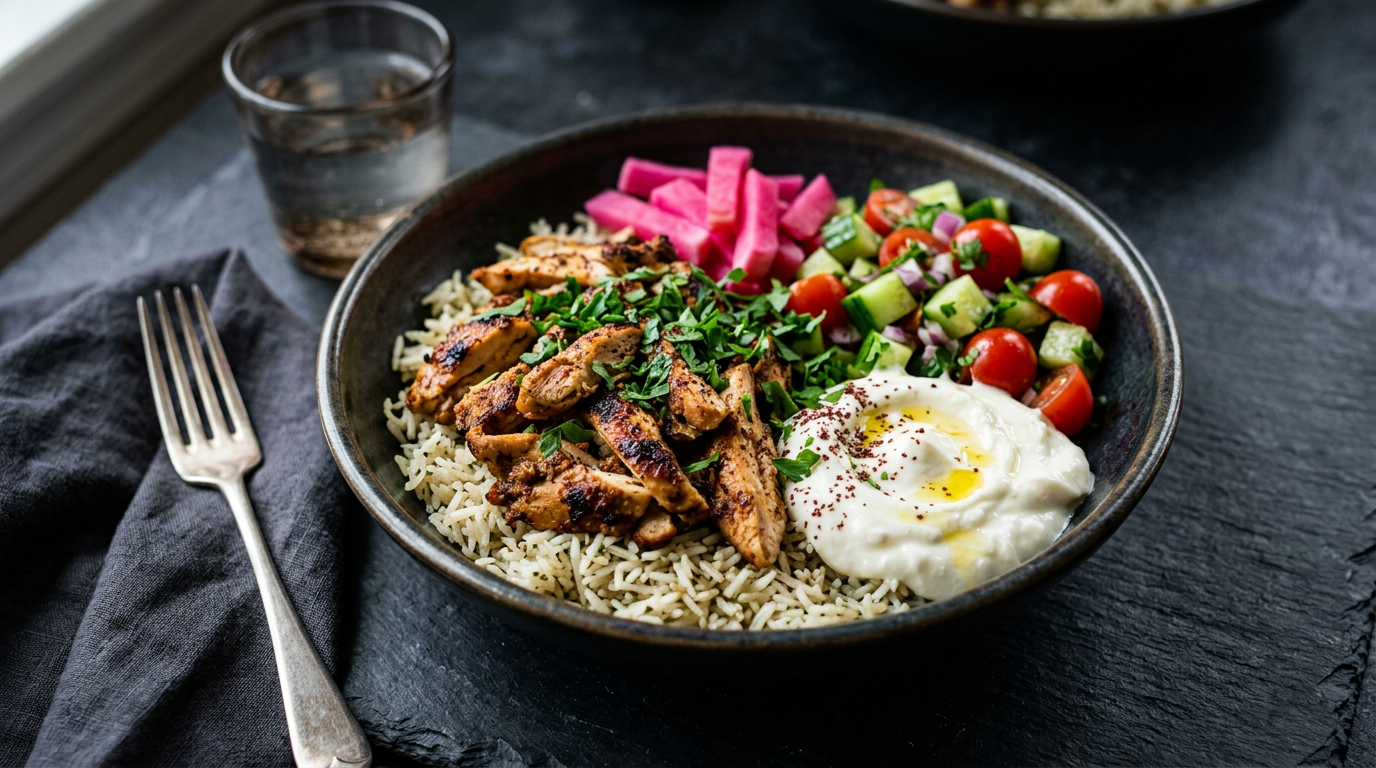
For mains, shish taouk (marinated chicken skewers) and kafta (spiced ground-meat kebabs) are grill staples, while stews of green beans or okra in tomato (loubieh, bamieh) are everyday home cooking. Finish with fresh fruit, or with sweets like baklava and semolina cakes scented with orange-blossom water.
Cooking Lebanese food at home
Lebanese cooking is forgiving and healthy, which makes it a wonderful place to build confidence. Stock your pantry with tahini, good olive oil, canned chickpeas, bulgur, sumac, and za’atar, and you can assemble a mezze spread on any weeknight. Most cold mezze keep well, so they reward making ahead.
Lean into freshness and acidity: nearly every dish is brightened with lemon and finished with herbs. Do not skimp on parsley or mint, taste for the balance of tart and rich, and always serve with warm bread. Master hummus, tabbouleh, and one grilled skewer, and you have the foundation of an entire cuisine.