Egyptian Cuisine
Ancient, hearty, and thrifty — the soulful comfort cooking of the Nile.
Introduction
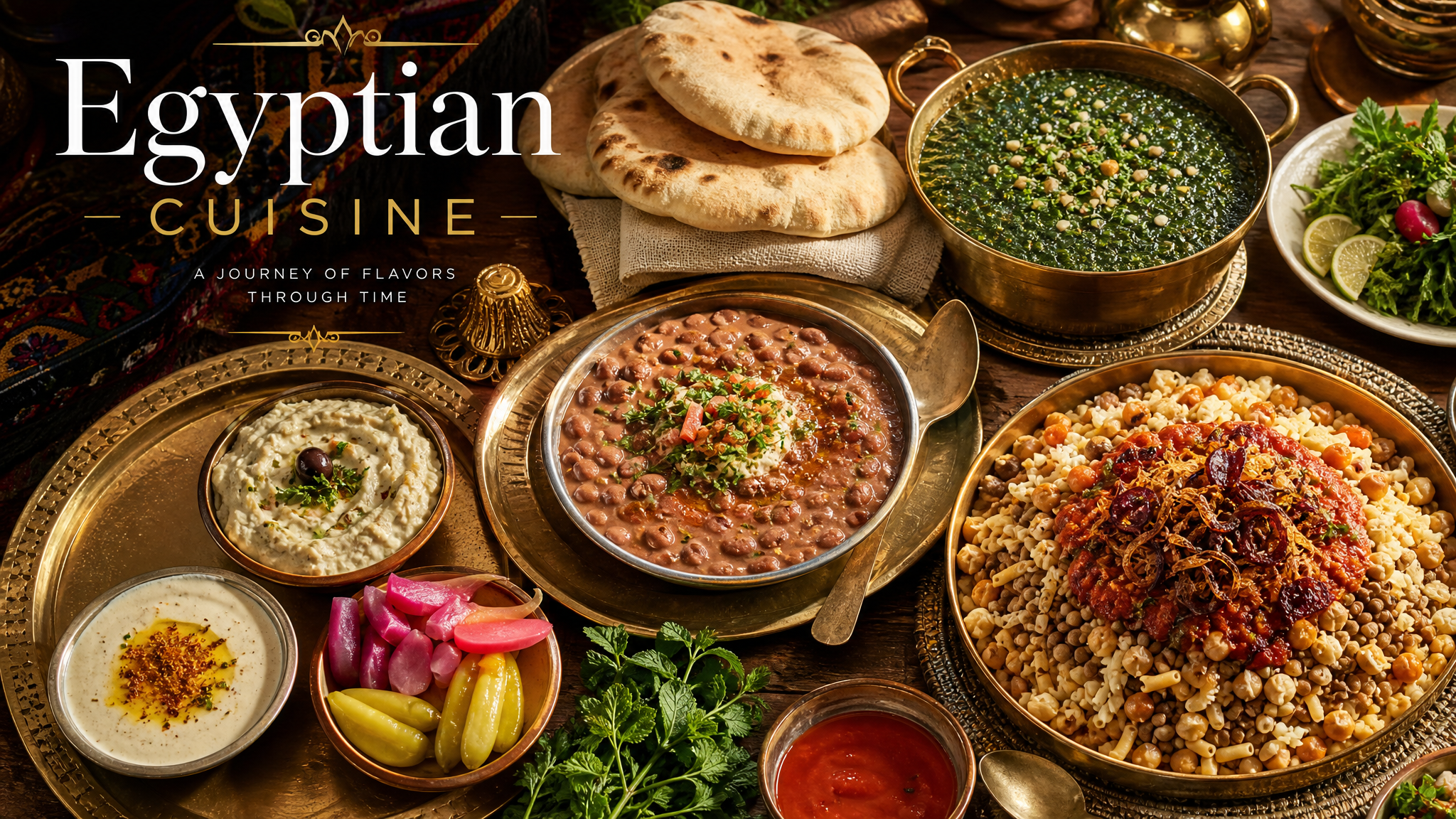
Egyptian cuisine is one of the oldest continuous food traditions in the world, shaped by more than five thousand years of life along the Nile. It is hearty, thrifty, and deeply satisfying, built on beans, lentils, grains, and vegetables that have nourished the country from the age of the pharaohs to the modern Cairo street.
At its heart, Egyptian cooking is the food of family and community — generous bowls of ful medames scooped up with warm baladi bread, tangy molokhia stew, and the beloved carbohydrate feast of koshari. Plant-based staples anchor the table, with meat and poultry reserved for celebration.
History
The foundations of Egyptian cuisine were laid in antiquity: bread and beer were dietary cornerstones of ancient Egypt, and fava beans, lentils, onions, garlic, and leafy greens appear in tomb paintings and offerings. The fertile Nile Valley made Egypt a granary of the ancient world.
Successive waves of Arab, Ottoman, Levantine, and Mediterranean influence enriched the table with spices, stuffed vegetables, and syrup-soaked sweets, while the enduring reliance on legumes and grains kept the cuisine rooted in its ancient, plant-forward character.
Cultural Context
Food in Egypt is inseparable from hospitality and faith. Ramadan transforms the table with communal iftars, and dishes like ful and koshari are everyday equalisers eaten by Egyptians of every background, from labourers to city professionals.
Street food is a national institution: koshari counters, ful and taameya (Egyptian falafel) carts, and hawawshi bakeries feed the cities, while the shared bowl and torn bread remain enduring symbols of togetherness.
Regional Variations
The heartland of koshari, ful, and taameya, with a vast street-food culture and Ottoman-influenced sweets.
Mediterranean seafood cooking — grilled and fried fish, sayadeya rice, and tahini-rich sauces.
Rustic, robust fare with slow-cooked stews, tagines, and hearty use of grains and pulses.
Core Ingredients
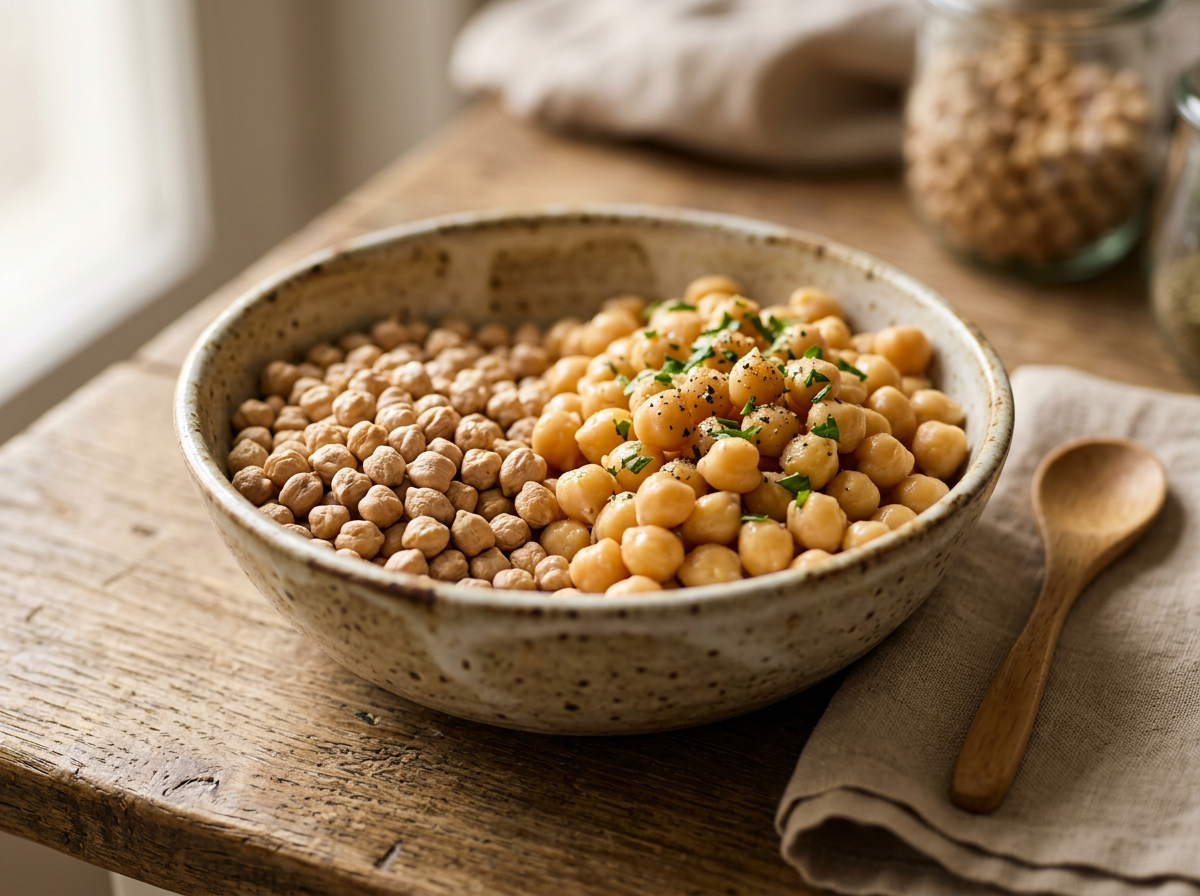
The soul of ful medames and taameya — Egypt’s protein-rich national staple.
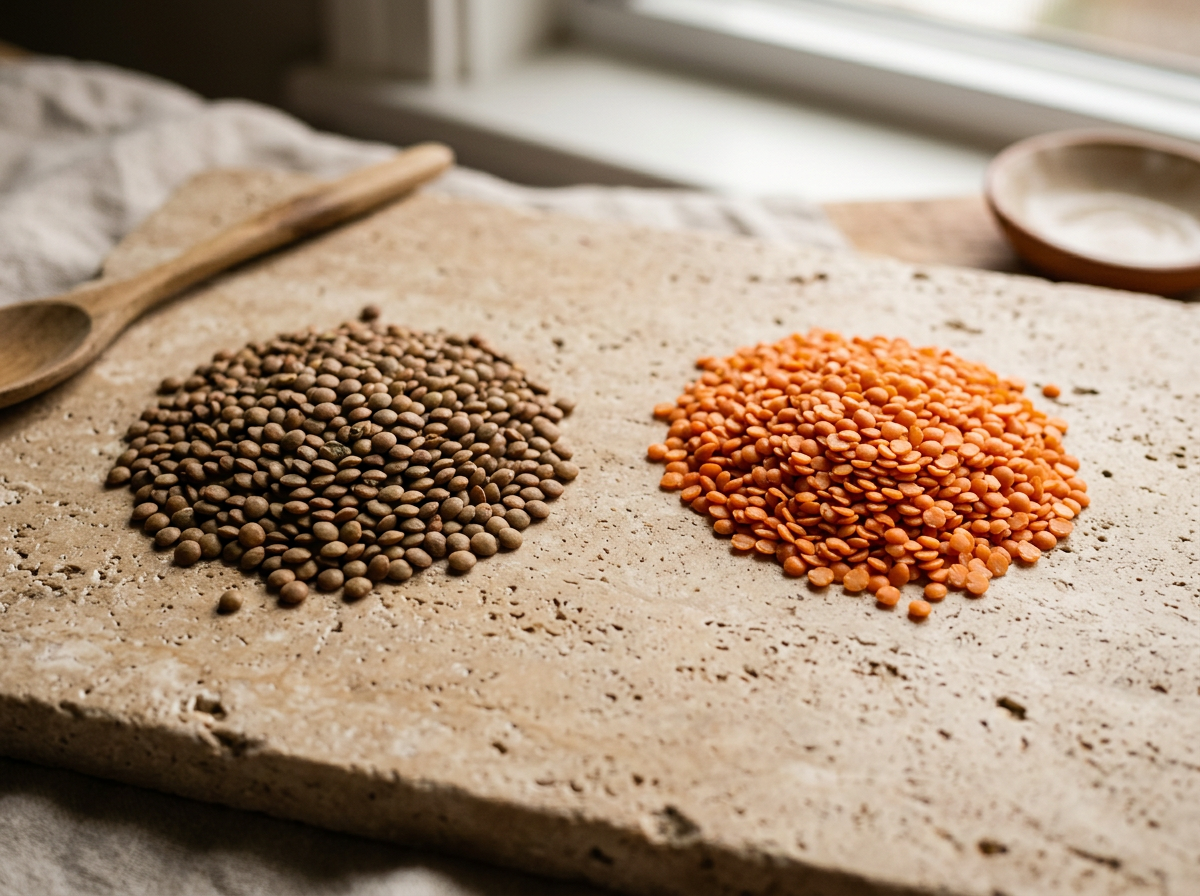
The base of koshari and comforting lentil soups.
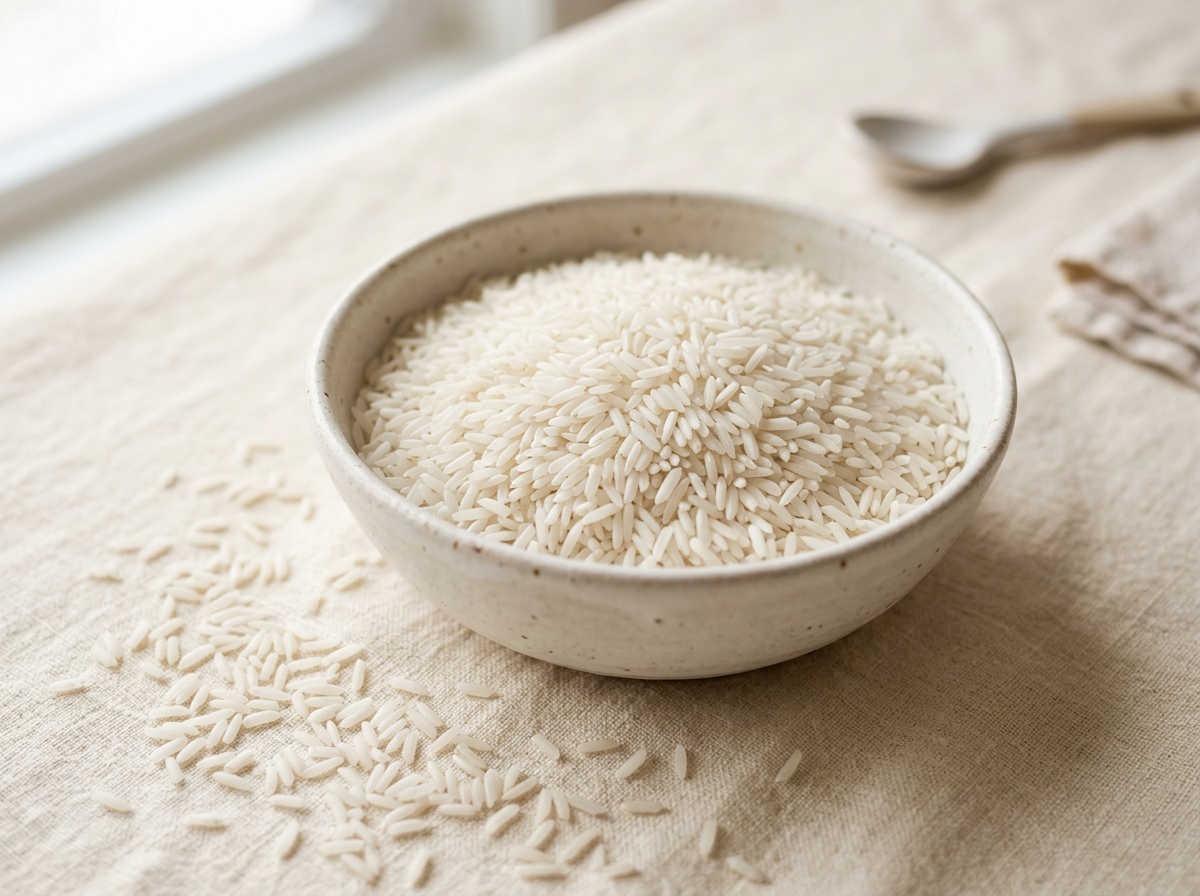
Layered into koshari and cooked with vermicelli or greens across the table.
Finely chopped jute mallow leaves cooked into Egypt’s signature silky green stew.
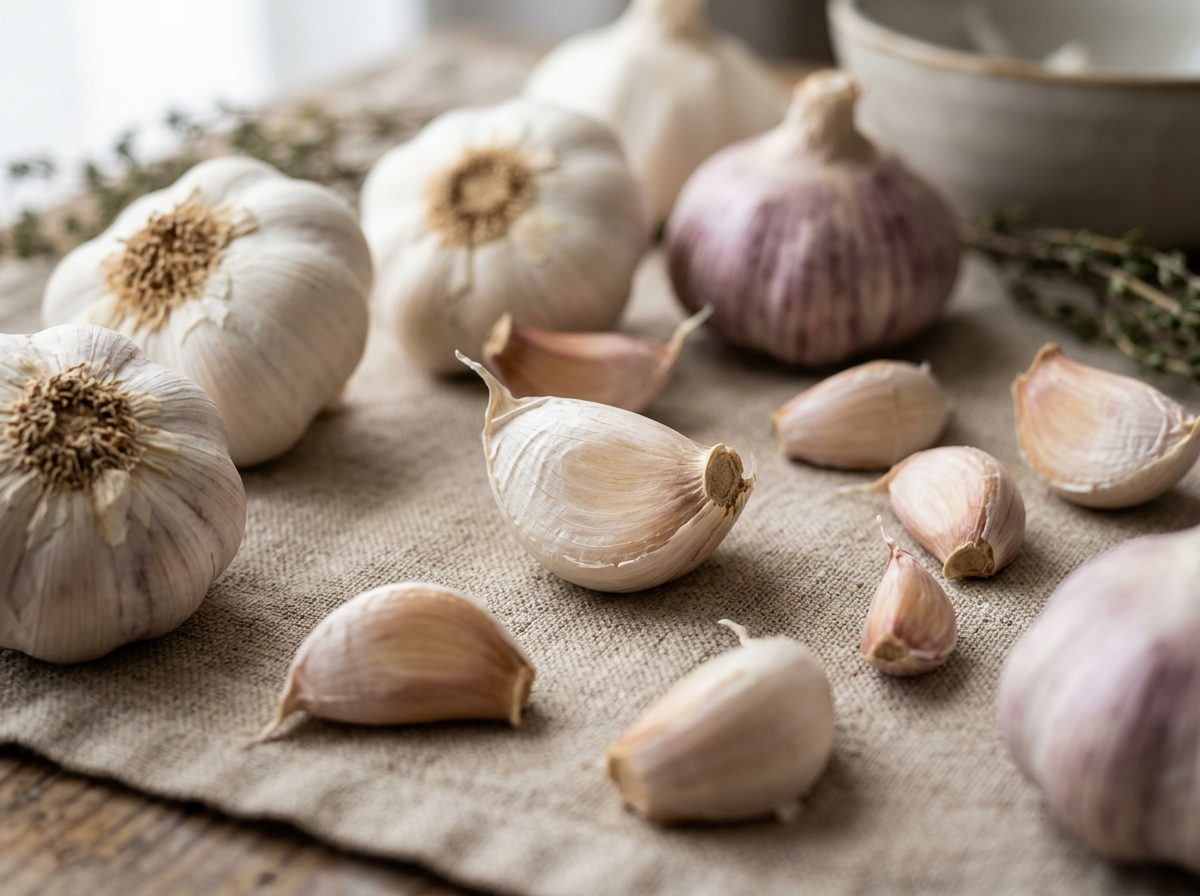
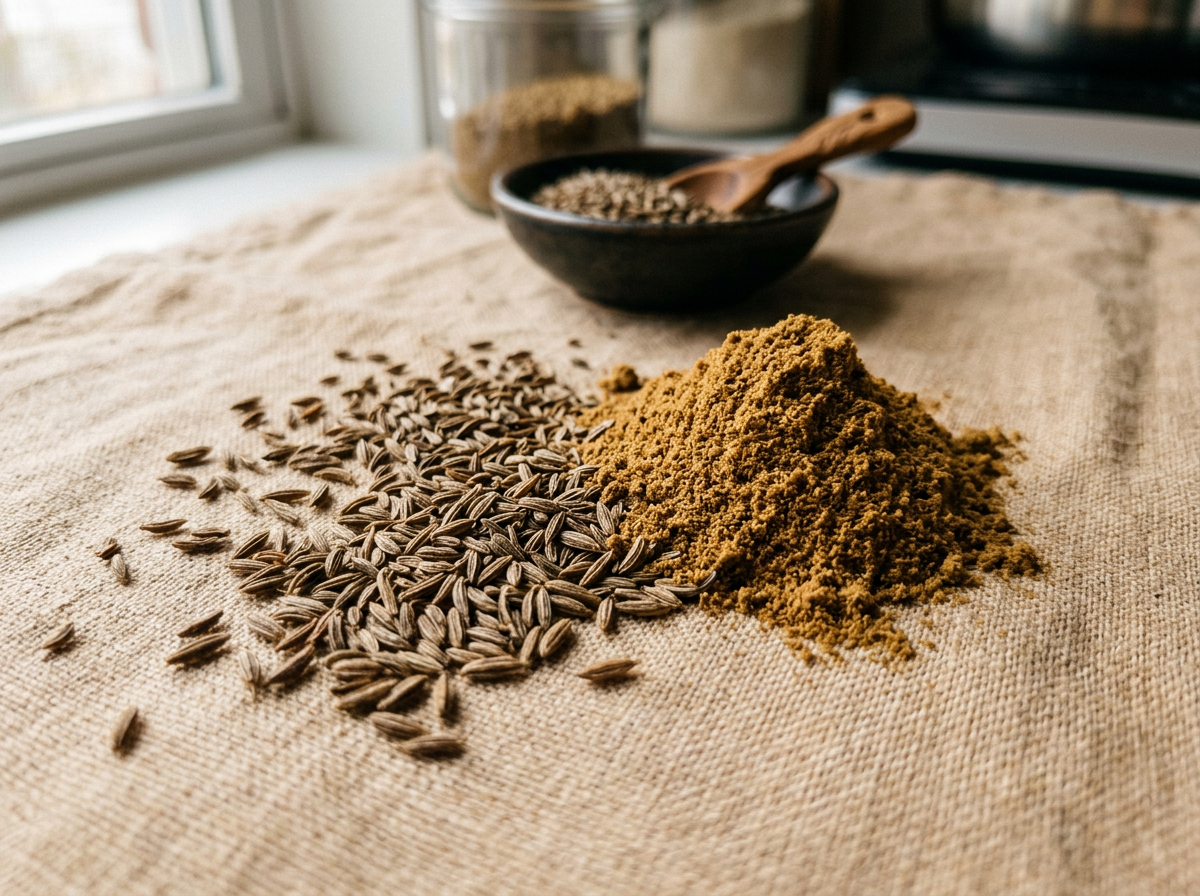
The defining aromatics, from ful seasoning to the sizzling garlic tasha tempering.
The whole-wheat flatbread that accompanies nearly every meal.
Signature Techniques
Fava beans and lentils cooked low and long until meltingly soft — the backbone of ful and koshari.
Fried garlic with coriander or cumin stirred sizzling into molokhia and stews for a fragrant finish.
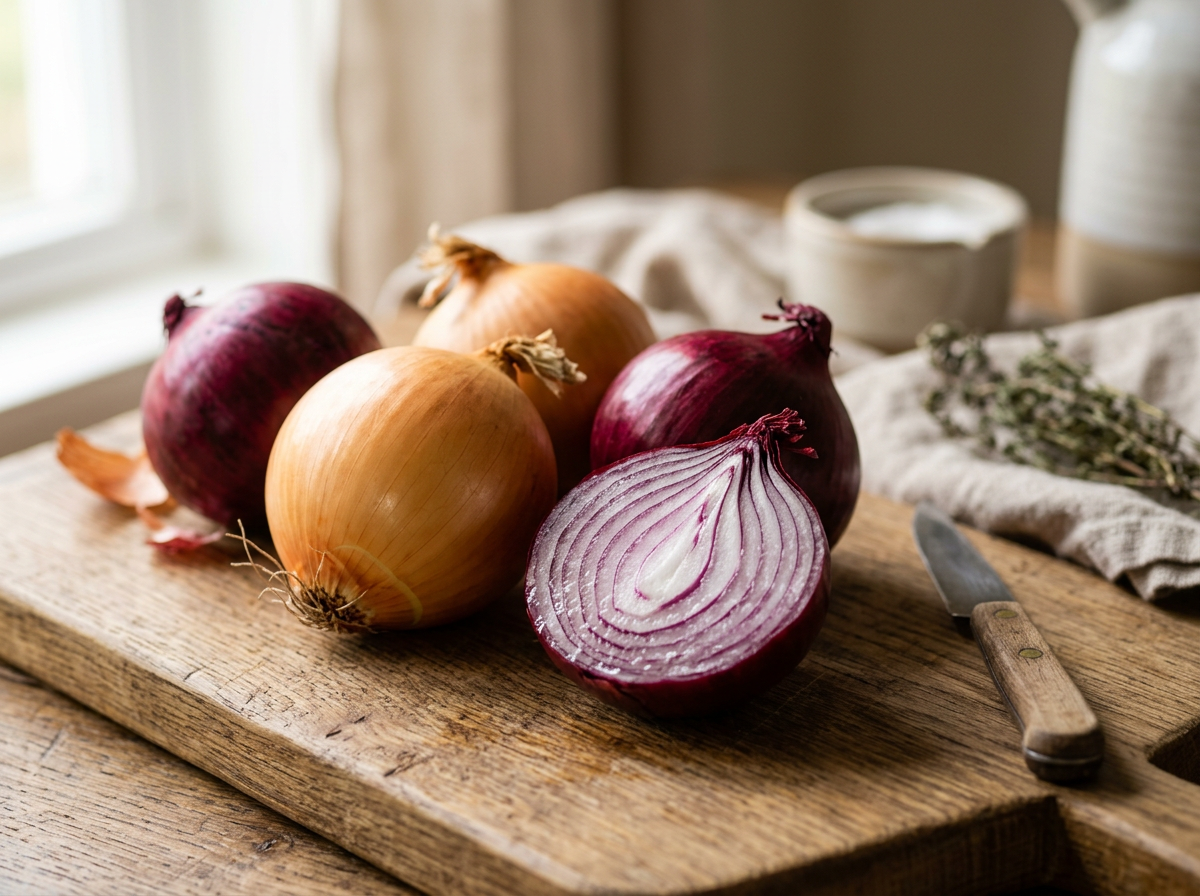
Building koshari from separately cooked rice, lentils, pasta, tomato sauce, and crisp onions.
Filling flatbread with spiced meat for hawawshi or vegetables with seasoned rice.
Signature Dishes
Egypt’s beloved national dish of rice, lentils, and pasta topped with spiced tomato sauce and crispy onions.
Slow-simmered fava beans mashed with olive oil, lemon, garlic, and cumin — the classic breakfast.
A silky green jute-leaf stew finished with a garlic-coriander tempering, served with chicken and rice.
Spiced ground meat stuffed into flatbread and baked until crisp — a favourite street food.
A warm bread pudding of crisp pastry, nuts, and raisins soaked in sweetened milk.
Egyptian Recipes to Cook
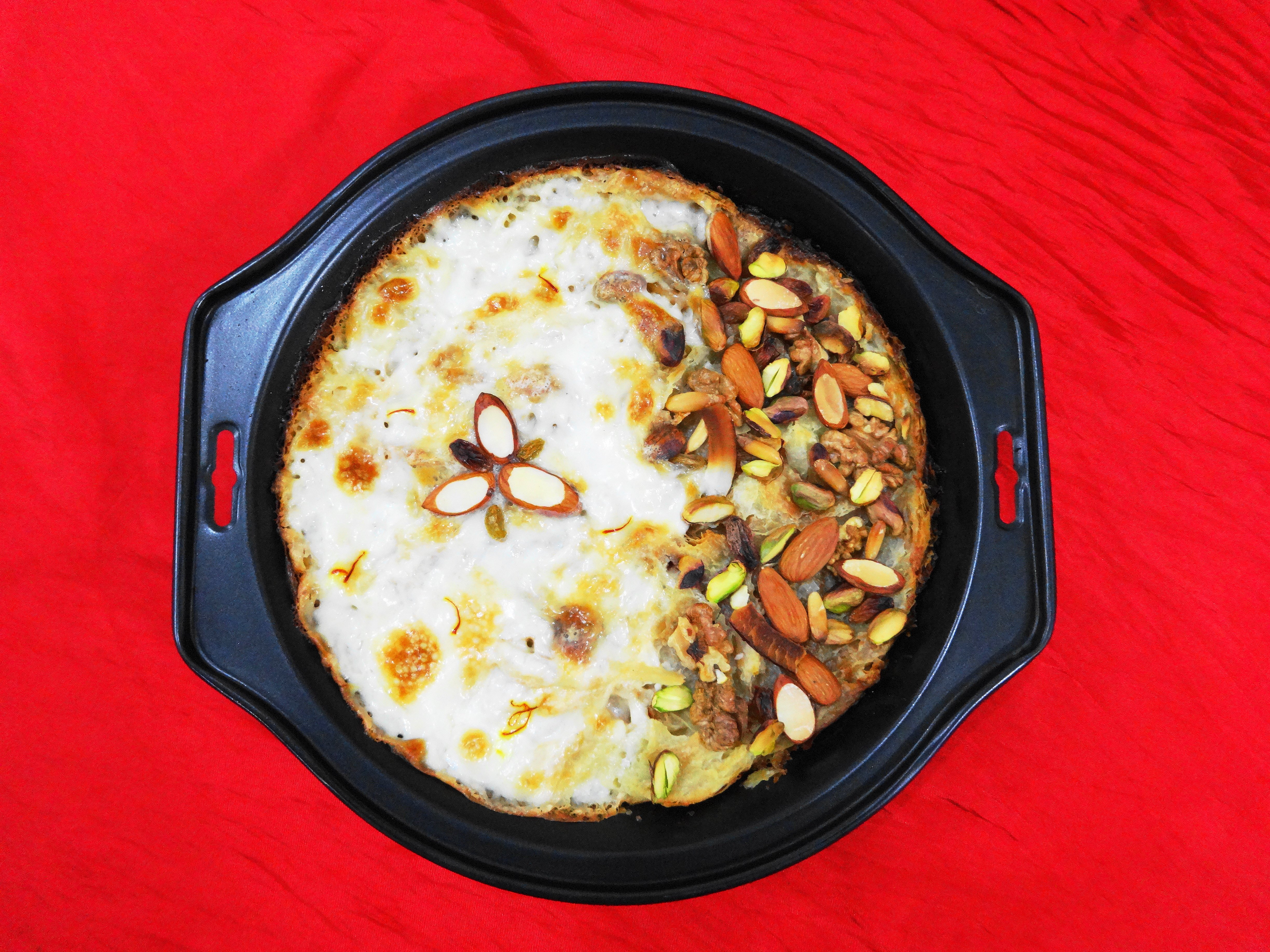
Egyptian Om Ali
Egypt's beloved bread pudding of crisp pastry layered with nuts, coconut, and raisins, soaked in sweetened milk and baked until golden and bubbling, a warm, comforting dessert.
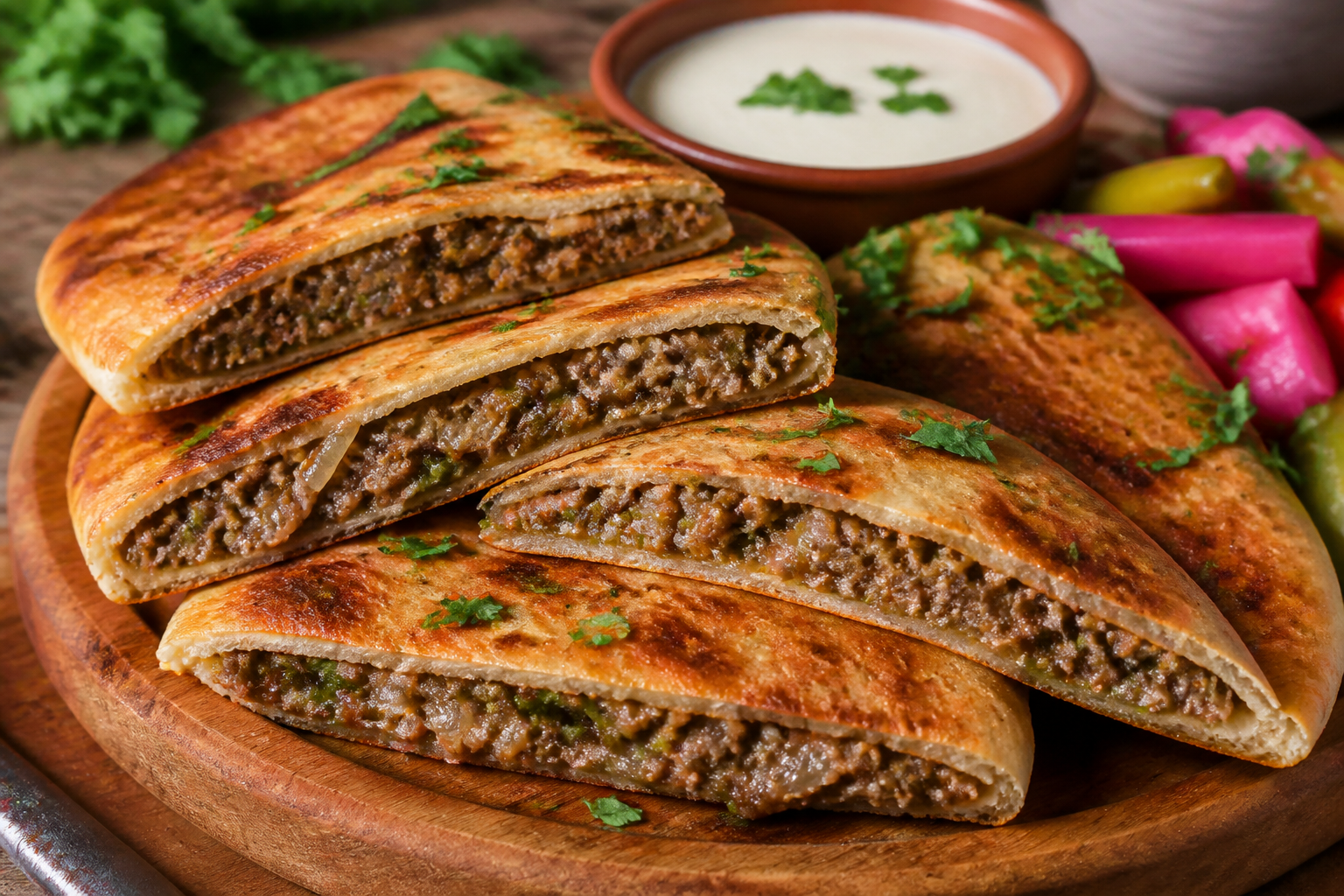
Egyptian Hawawshi
Spiced ground beef mixed with onion, pepper, and herbs, stuffed into Egyptian flatbread and baked until crisp, a popular hand-held street food bursting with savoury flavour.
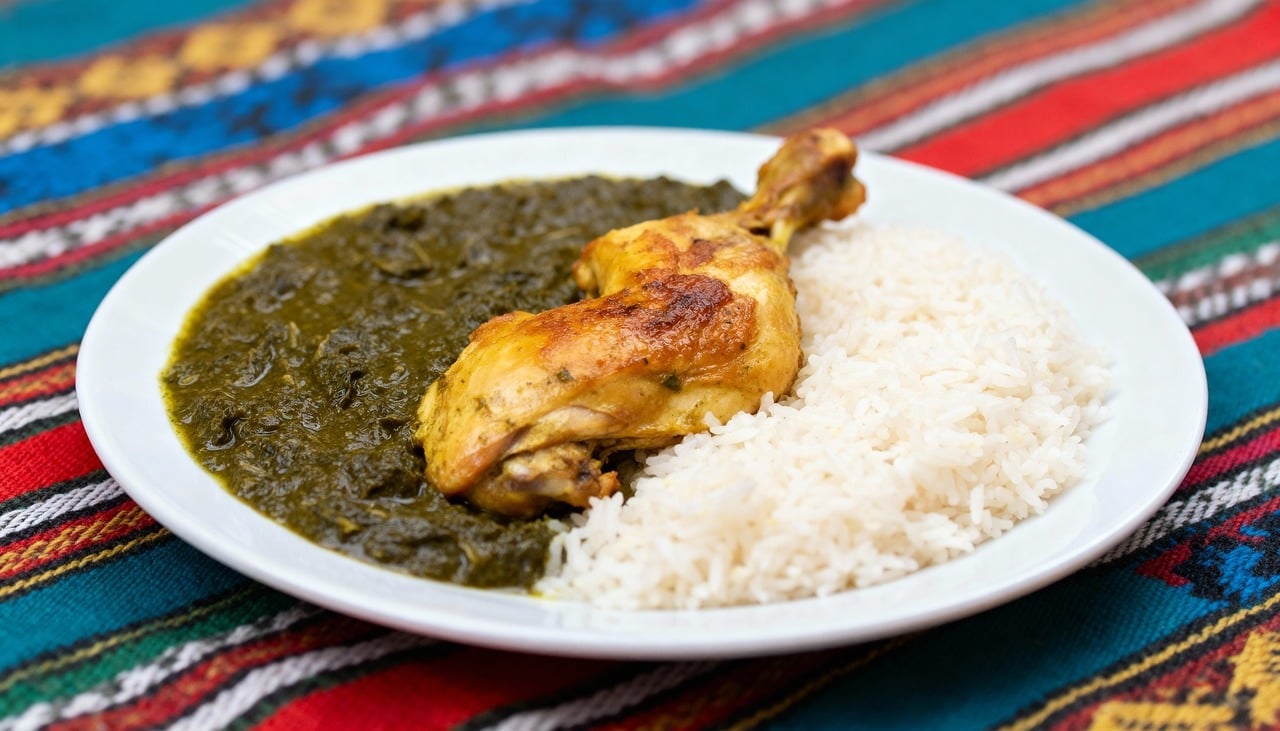
Egyptian Molokhia with Chicken
A signature Egyptian dish of finely chopped jute mallow leaves cooked into a silky green stew, finished with a fragrant garlic-coriander tempering and served with poached chicken and rice.
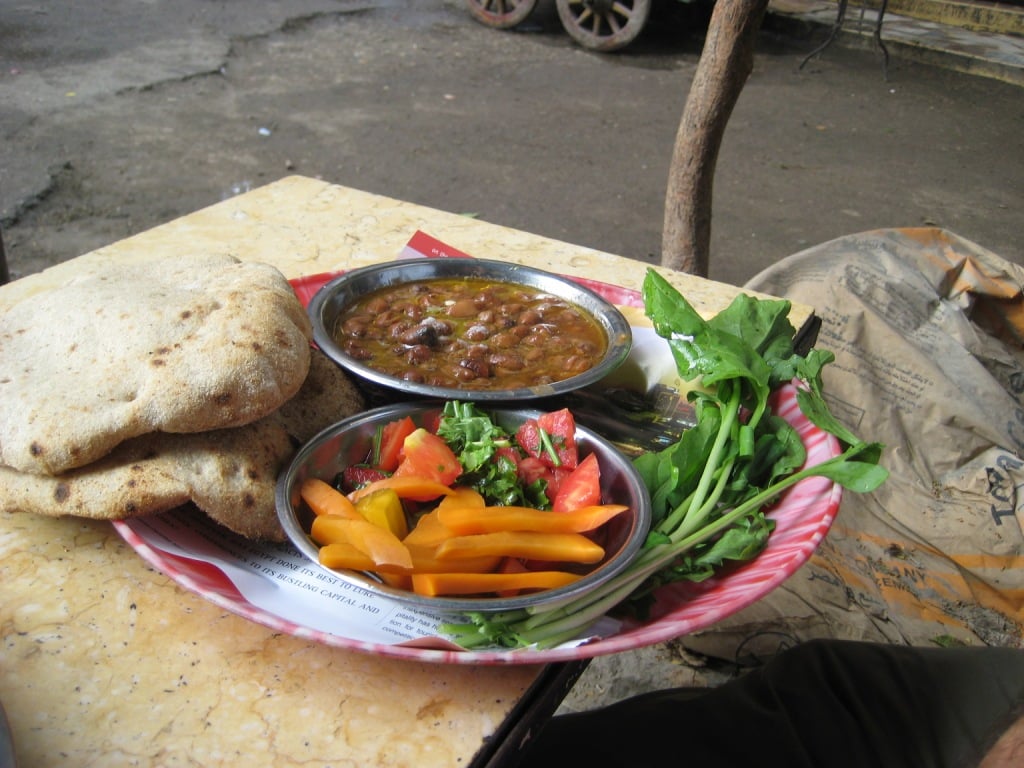
Egyptian Ful Medames
Egypt's national breakfast of slow-simmered fava beans mashed with olive oil, lemon, garlic, and cumin, hearty and protein-rich, traditionally scooped up with warm flatbread.
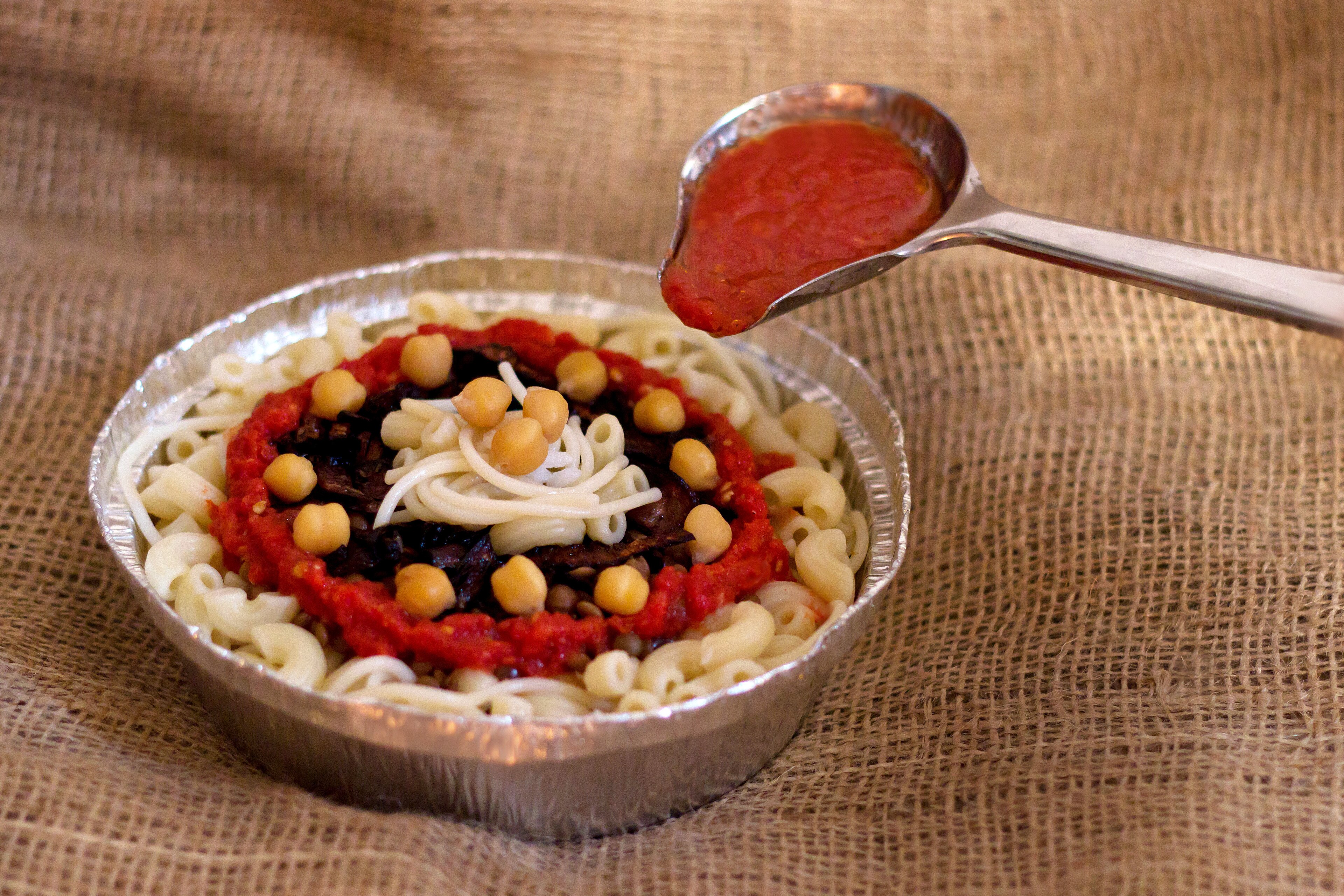
Egyptian Koshari
Egypt's national street food — a joyful mound of rice, lentils, and pasta topped with spiced tomato sauce and crispy fried onions. Vegan, filling, and incredibly cheap.
Key Ingredients to Explore
Cooking Guides You May Like
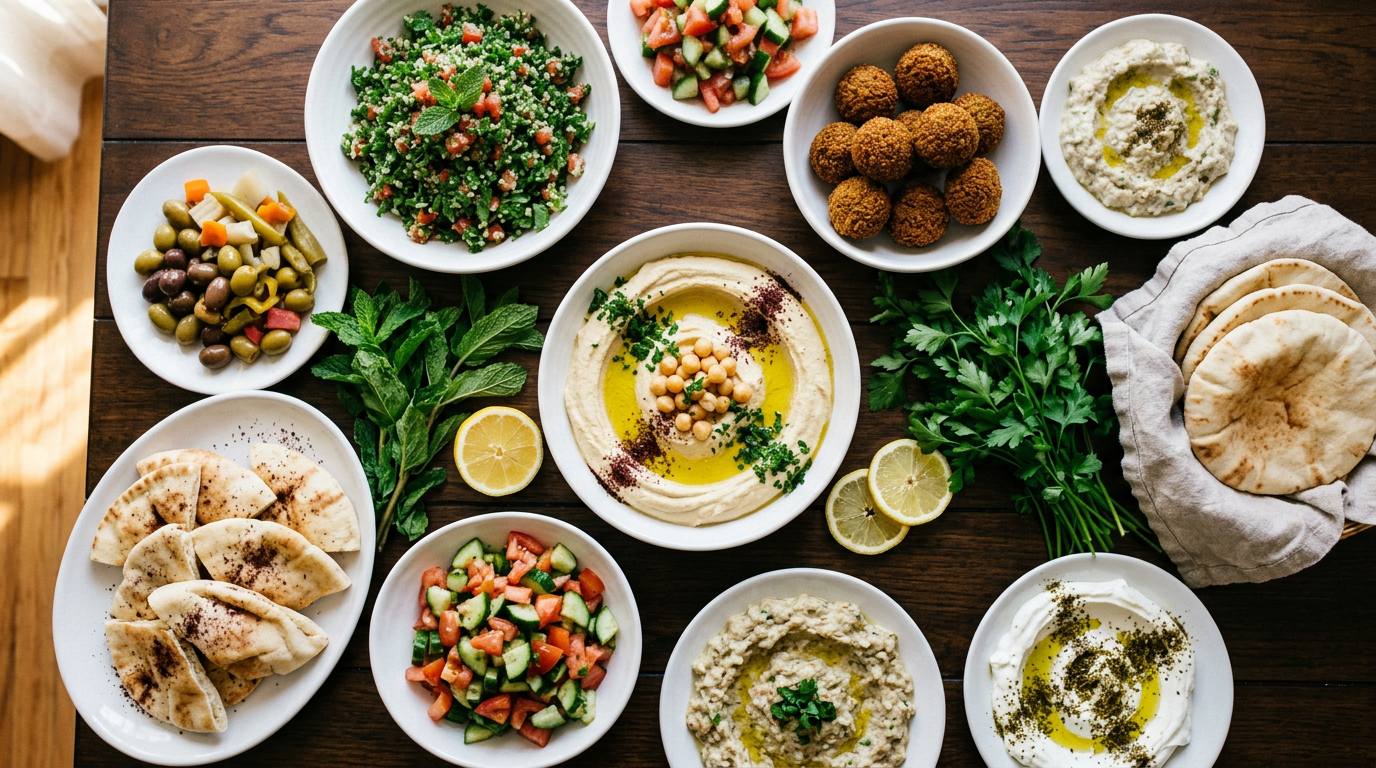
An Introduction to Middle Eastern Mezze
Mezze is the Middle Eastern art of the shared table — an array of small, vibrant dishes meant to be lingered over. Here is how it works.
Building Balanced Meals: A Simple Framework
You do not need to count anything to eat well. A simple visual framework does the work for you.
Understanding Cooking Methods: Dry Heat, Moist Heat, and More
Every cooking method changes texture and flavor in a specific way. Knowing which to choose is the key to cooking anything well.