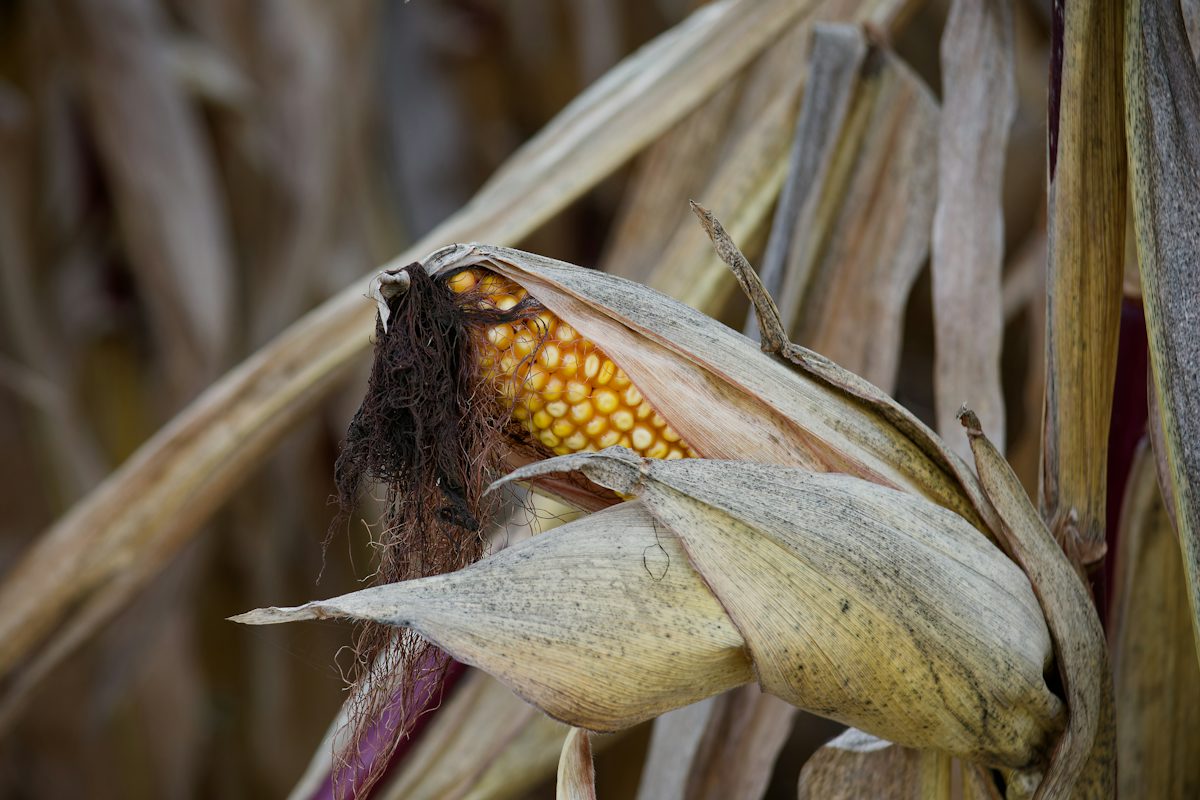
Corn
Sweet summer kernels that bridge vegetable and grain across the globe.
Also known as: maize, sweetcorn, corn on the cob, Zea mays
Overview
Corn, or maize, is eaten as a fresh vegetable when young and sweet and as a grain when dried and ground. Fresh sweetcorn is a fleeting summer pleasure, at its best within hours of picking before its sugars turn to starch.
Dried and processed, corn becomes cornmeal, polenta, and the nixtamalized masa behind tortillas and arepas — making it a foundational staple across the Americas and Africa as well as a beloved seasonal treat.
Culinary Uses
- Grilled or boiled on the cob and slathered with butter or crema.
- Cut from the cob into salads, salsas, chowders, and succotash.
- Ground into cornmeal and masa for cornbread, polenta, tortillas, and arepas.
- Charred for smoky depth in Mexican esquites and elote.
Flavor Profile
- Sweet, juicy, and grassy when fresh.
- Charring and grilling add smoky, caramelized depth.
- Dried corn products are earthy and comforting.
Storage
- Keep fresh corn in its husk in the refrigerator and use within a day or two for peak sweetness.
- Freeze kernels or blanched cobs for longer storage.
- Store cornmeal and masa airtight in a cool, dry place.
Preparation
- Shuck and remove silk just before cooking.
- Stand a cob upright and slice downward to strip kernels cleanly.
- Grill in or out of the husk for different textures.
- Scrape the cob after cutting to capture the sweet 'milk.'
Nutrition
Corn provides carbohydrate energy, fiber, and some plant protein.
It supplies the antioxidants lutein and zeaxanthin, which support eye health.
Supports digestion and fullness.
Including folate and thiamin for energy metabolism.
Antioxidants that support eye health.
A source of steady energy, more grain-like than most vegetables.
Dietary Considerations
- Naturally vegan, vegetarian, gluten-free, and dairy-free.
- A gluten-free grain alternative in the form of cornmeal and masa.
- Higher in carbohydrate than most vegetables — account for it in balanced meals.
Nutrition information is educational and approximate; it varies by variety, portion, and preparation, and is not a substitute for professional dietary advice.
Common Pairings
Recipes with Corn
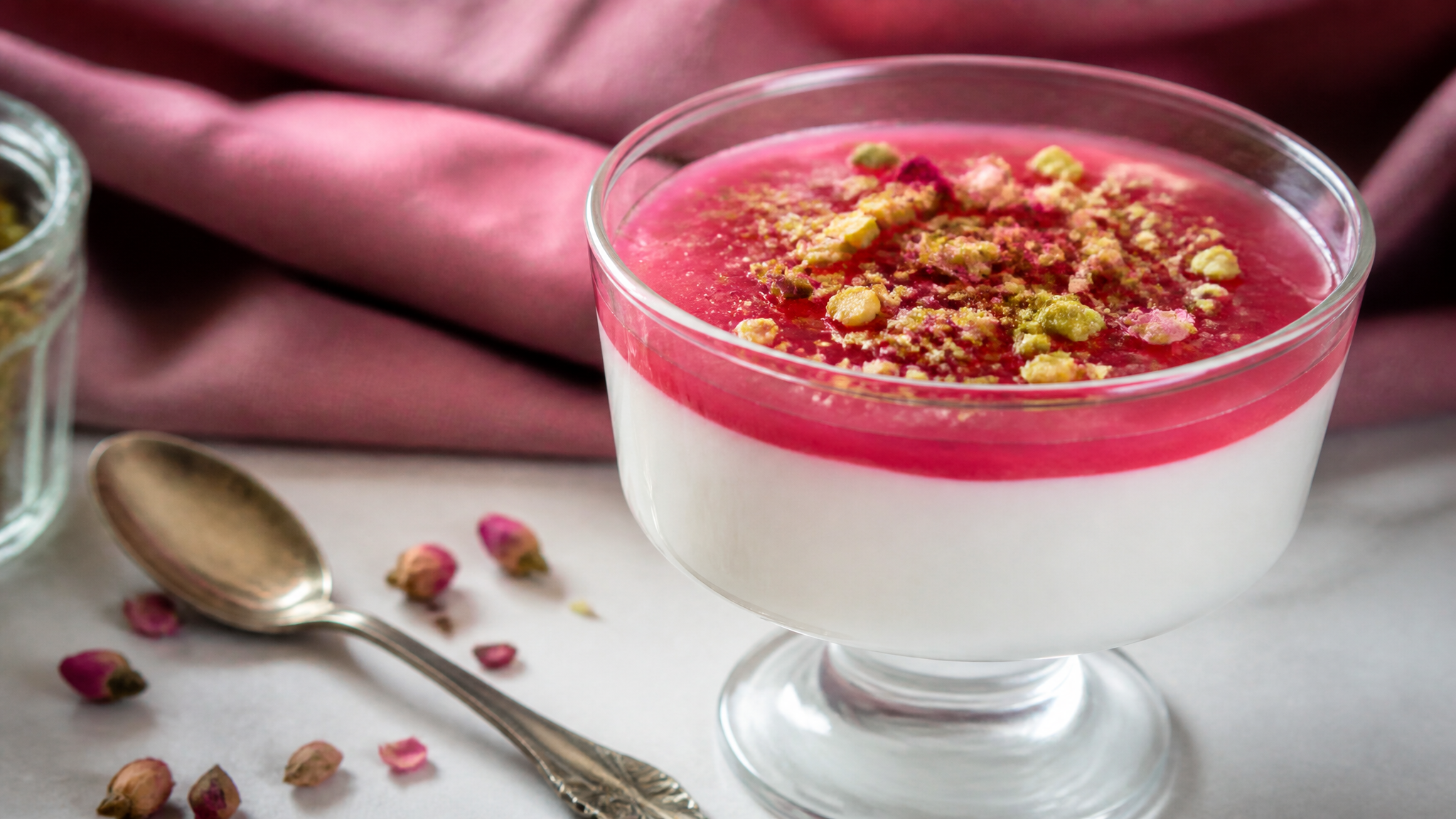
Malabi
A silky Middle Eastern milk pudding popular across Israel, set with cornstarch and perfumed with rose water, then finished with a jewel-red syrup, crushed pistachios, and coconut.
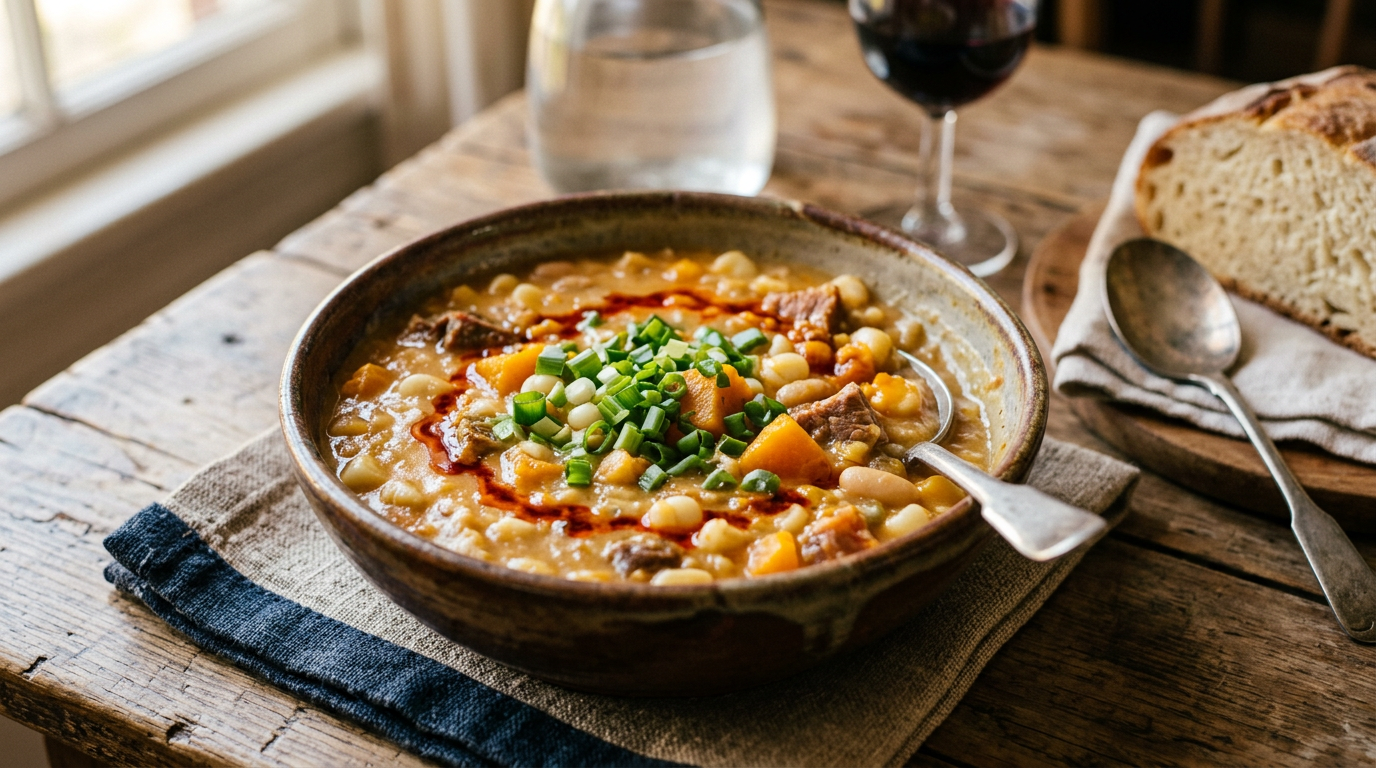
Argentine Locro (Hearty Corn & Bean Stew)
A thick, warming Argentine stew of hominy corn, white beans, squash, and slow-cooked meats — a national dish traditionally eaten on patriotic holidays, rich and deeply comforting.

Colombian Sancocho (Chicken & Root Vegetable Soup)
A soul-warming Colombian soup of chicken simmered with corn, cassava, plantain, and potatoes in a fragrant cilantro broth — a Sunday classic that eats like a full meal.

South Indian Tomato Rasam
A bright, peppery South Indian tomato-and-tamarind broth tempered with mustard seeds, cumin, and curry leaves — naturally vegan, soothing, and traditionally sipped or poured over steamed rice.
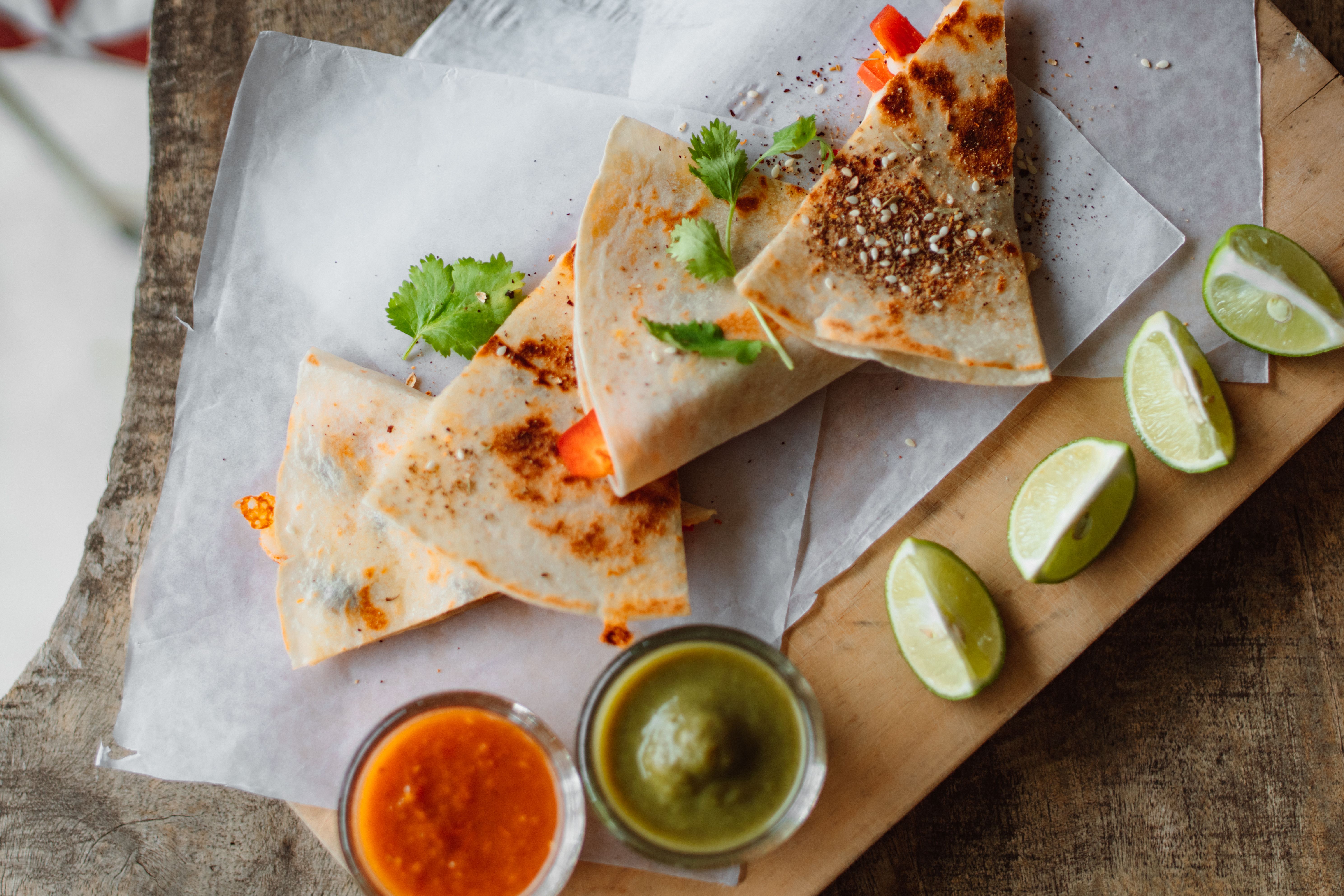
Budget Black Bean Quesadillas
Crispy tortillas stuffed with seasoned black beans, corn, and melty cheese — a five-minute-prep vegetarian dinner kids love and your wallet will too.
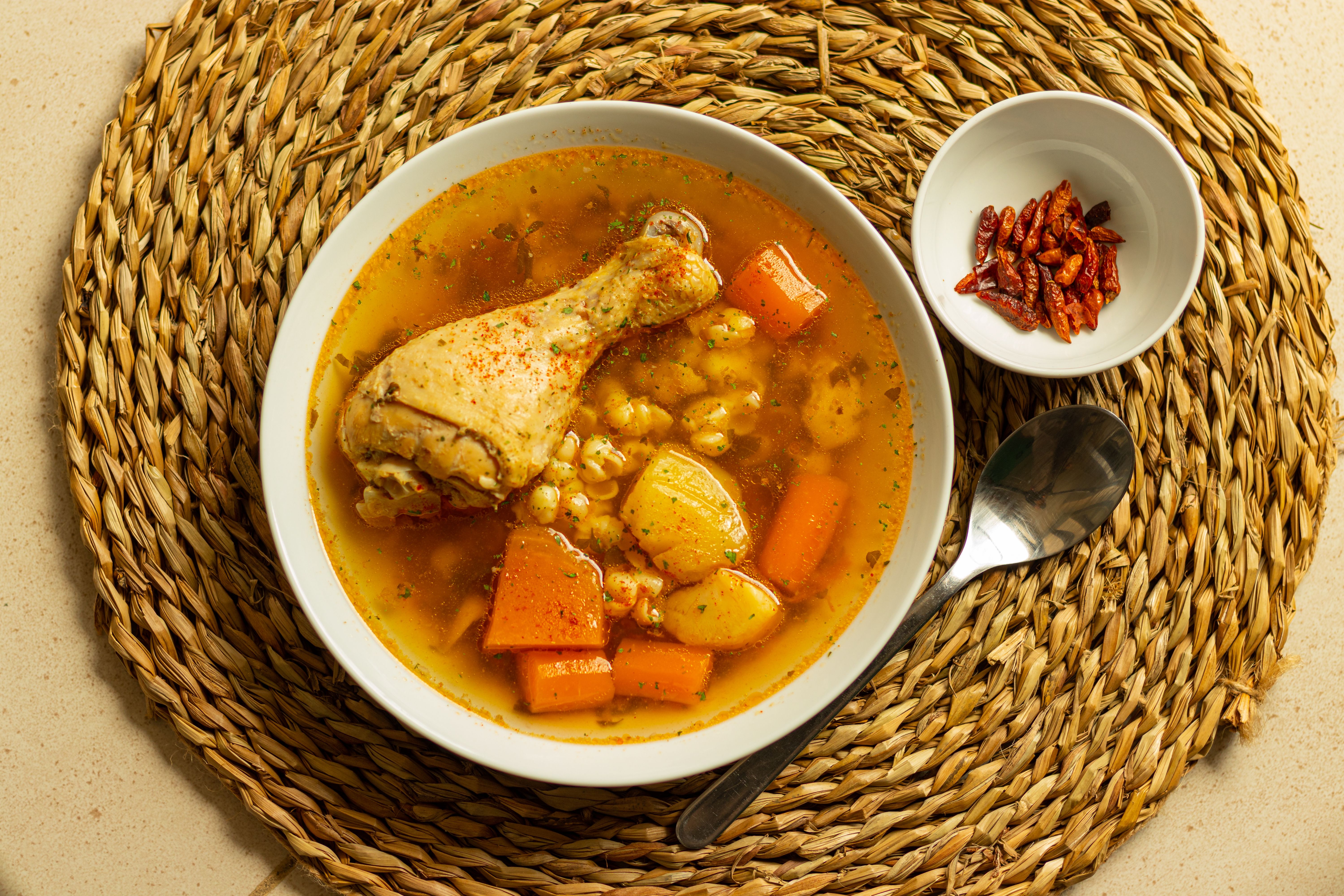
Colombian Ajiaco-Style Potato Soup
A comforting Colombian-inspired chicken and potato soup layered with corn and herbs — wholesome, affordable, and satisfying enough to feed the whole family.
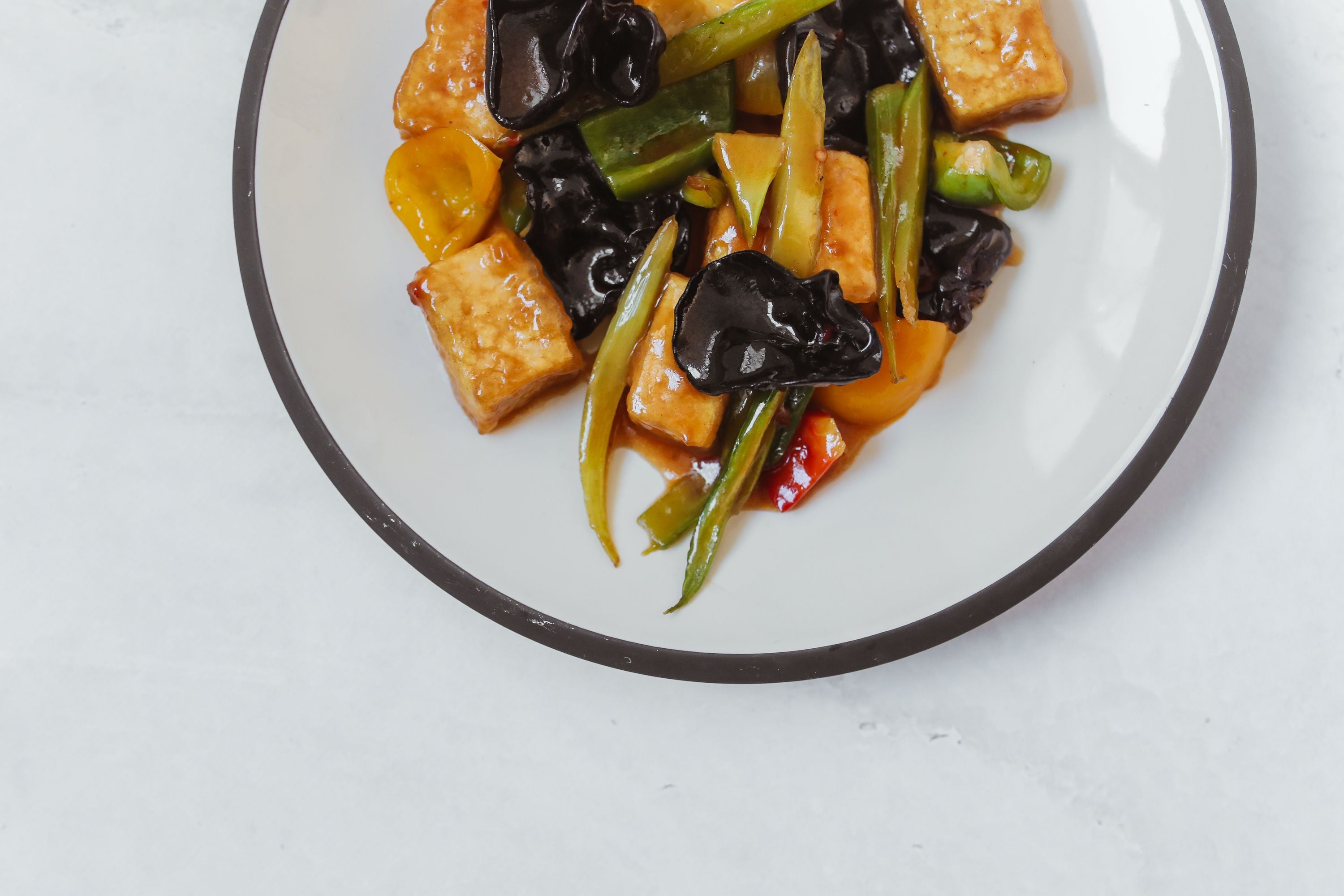
Vietnamese Lemongrass Tofu
Crisp pan-fried tofu glazed in a fragrant lemongrass, garlic, and soy sauce — a fast, high-protein vegan dinner that tastes like a takeout favorite for a fraction of the cost.
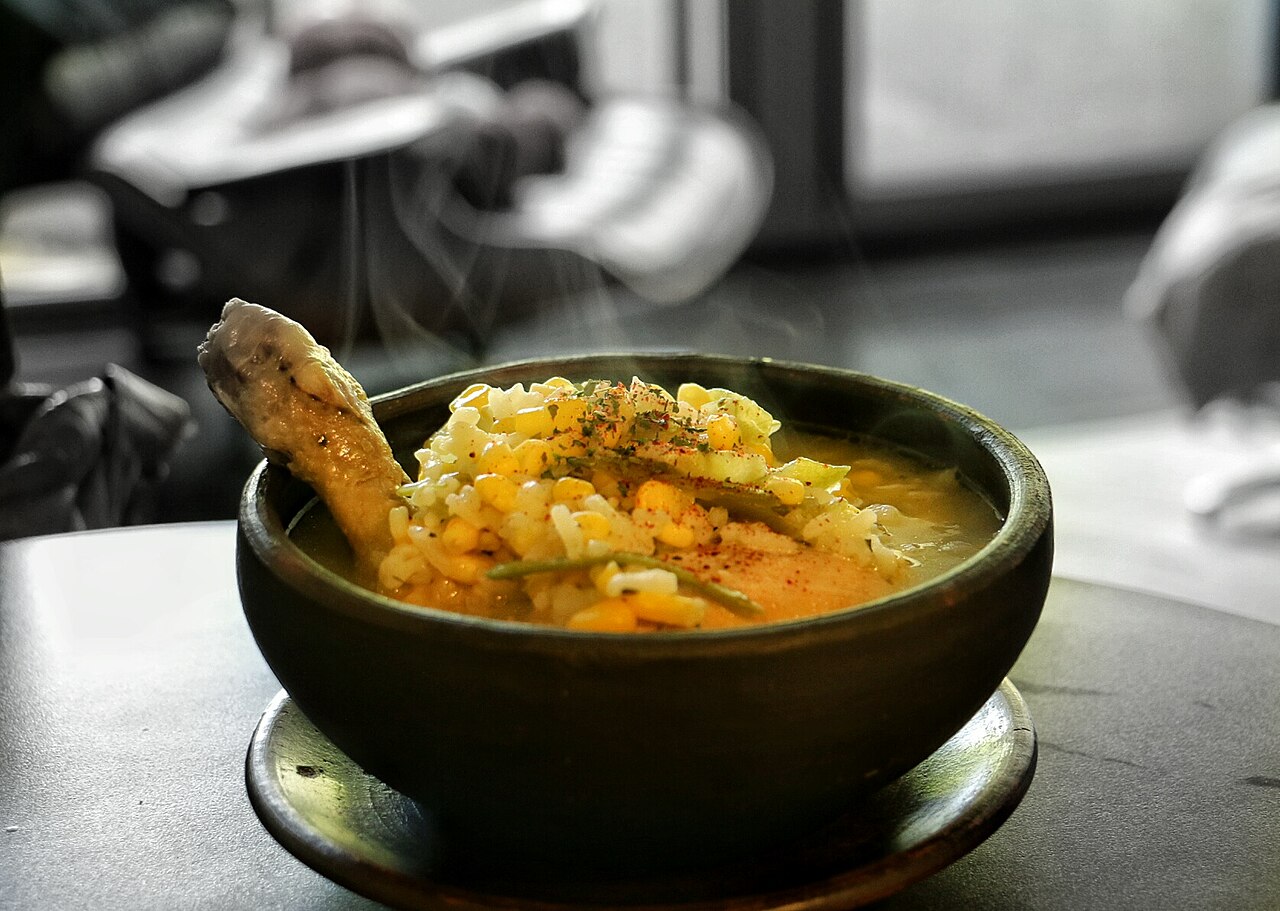
Chilean Cazuela de Pollo
A nourishing Chilean chicken and vegetable stew with pumpkin, corn, and potato in a light, brothy base — homey, high-protein, and wonderfully warming.
Explore Related Cuisines
Related Ingredients
Cooking Guides You May Like
Cooking with the Seasons: Better Flavor, Naturally
Produce eaten in its season is cheaper, more flavorful, and more nutritious. Here is how to cook that way without overthinking it.
Building Balanced Meals: A Simple Framework
You do not need to count anything to eat well. A simple visual framework does the work for you.