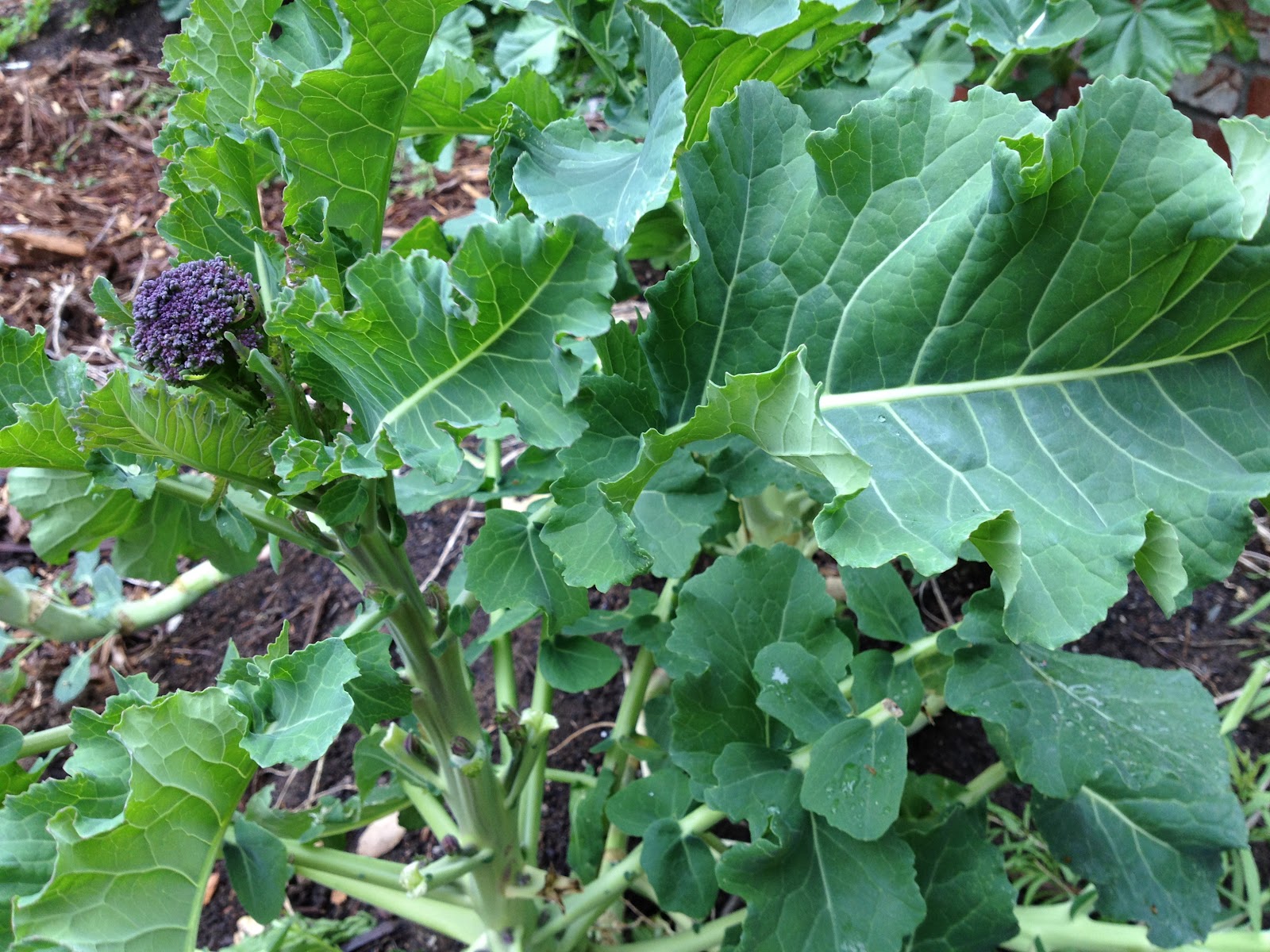
Gomen (Ethiopian Collard Greens)
Tender collard greens sautéed with garlic, ginger, and warm spices — a fresh, savory side.
About This Recipe
Gomen is a classic Ethiopian side dish of tender collard greens, celebrated for its vibrant color, comforting texture, and deeply aromatic profile. This vegan and gluten-free preparation transforms hearty greens into a succulent accompaniment that is traditionally served alongside other stews and flatbreads on a communal platter.
The success of this quick thirty-five-minute recipe lies in the two-step cooking process. Blanching the chopped collards first softens their fibrous structure, ensuring they become perfectly tender without losing their bright green hue. Sautéing them afterward in a fragrant base of onion, garlic, ginger, and green chili allows the greens to absorb these warm, pungent aromatics, resulting in a beautifully coated, glossy finish.
To achieve the best results, ensure the blanched greens are thoroughly drained before joining the aromatics in the pan so they sauté rather than steam. For a milder dish, you can easily adjust the heat by removing the seeds from the green chili before slicing, or swap the chili for a milder variety to suit your personal preference.
Serve this fragrant dish warm as part of a traditional Ethiopian spread, ideally alongside injera or other flatbreads to scoop up the flavorful greens. Any leftovers can be stored in an airtight container in the refrigerator for a quick and nutritious side dish the next day.
Ingredients
- 600 g Collard greens
- 1 large Onion
- 2 tbsp Garlic and ginger
- 1 piece Green chili
- 3 tbsp Oil
Instructions
- 1
Blanch the chopped collards until just tender, then drain.
6 min
- 2
Sauté onion until soft, add garlic, ginger, and chili.
6 min
- 3
Add the greens and cook until well coated and glossy.
10 min
- 4
Season and serve as part of an Ethiopian platter.
1 min
Nutrition Facts
160
kcal
Calories
6
g
Protein
16
g
Carbs
9
g
Fat
7
g
Fiber
220
mg
Sodium
Rate This Recipe
Beverage Pairings
Ethiopian meals are shared from a communal platter of injera, and drinks are grounded in the famous coffee ceremony — rich, freshly roasted coffee served in rounds. Honey wine (tej) accompanies feasts, while spiced tea and light lagers cool the berbere heat.
Wine, Beer & Spirits
Off-dry fruit tempers the heat of berbere and rich stews. A little sweetness tempers the chilli heat.
Serve well chilled (8°C).
A light, cold lager refreshes against spice and injera.
Serve ice-cold.
Dry rosé is remarkably versatile across savory dishes.
Serve well chilled (8–10°C).
Non-Alcoholic
Ethiopia is coffee’s birthplace — a strong, sweet cup is the traditional close to the meal. A little sweetness tempers the chilli heat.
Serve hot in a small cup.
A cooling yogurt drink to soothe fiery berbere heat. A little sweetness tempers the chilli heat.
Serve cold.
Tangy and fizzy — a refreshing, alcohol-free cooler. A little sweetness tempers the chilli heat.
Serve over ice.
Spiced black tea complements the warm spices in wot stews.
Steep at 95°C for 3–4 minutes.
A neutral refresher for a spicy, communal spread.
Serve cold with a citrus twist.
You Might Also Like
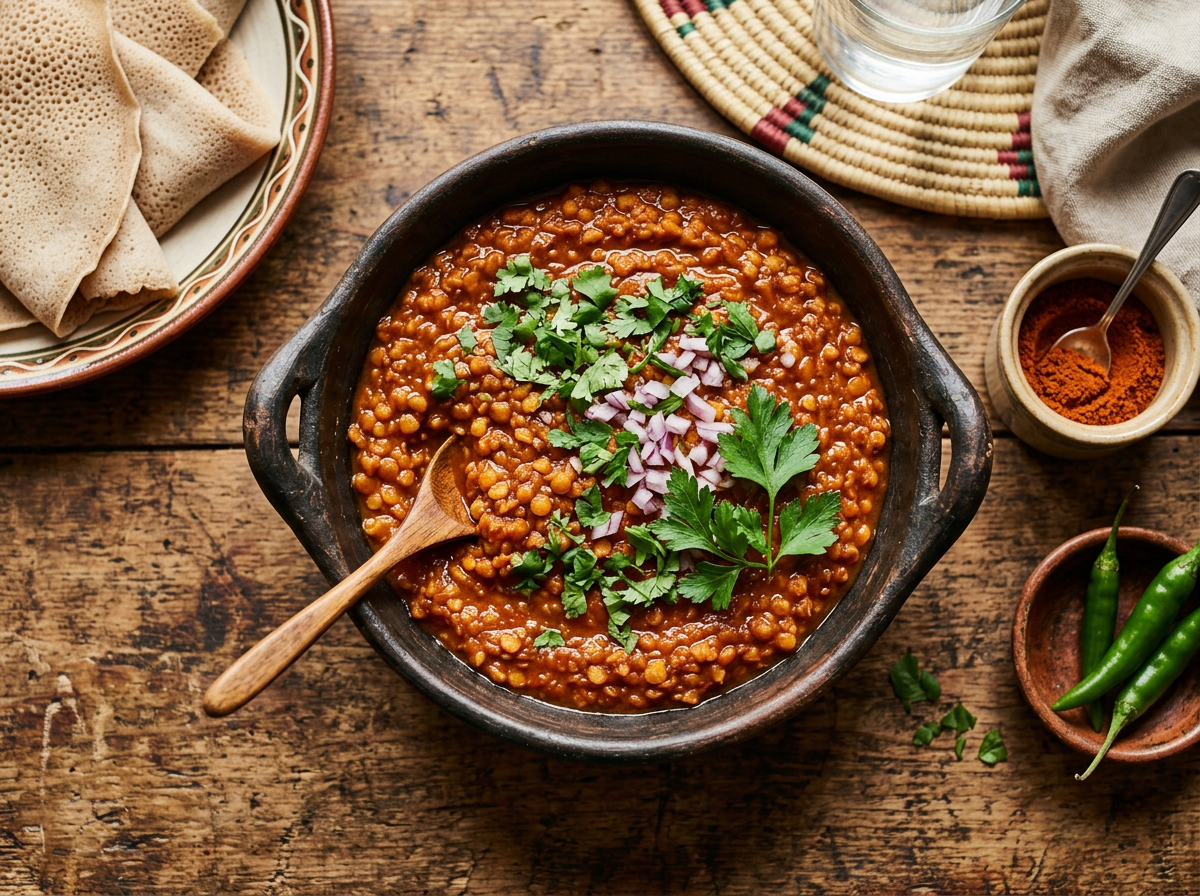
Ethiopian Misir Wot
A deeply spiced Ethiopian red lentil stew simmered with berbere, onions, and garlic until velvety — naturally vegan, wonderfully budget-friendly, and perfect for batch cooking.
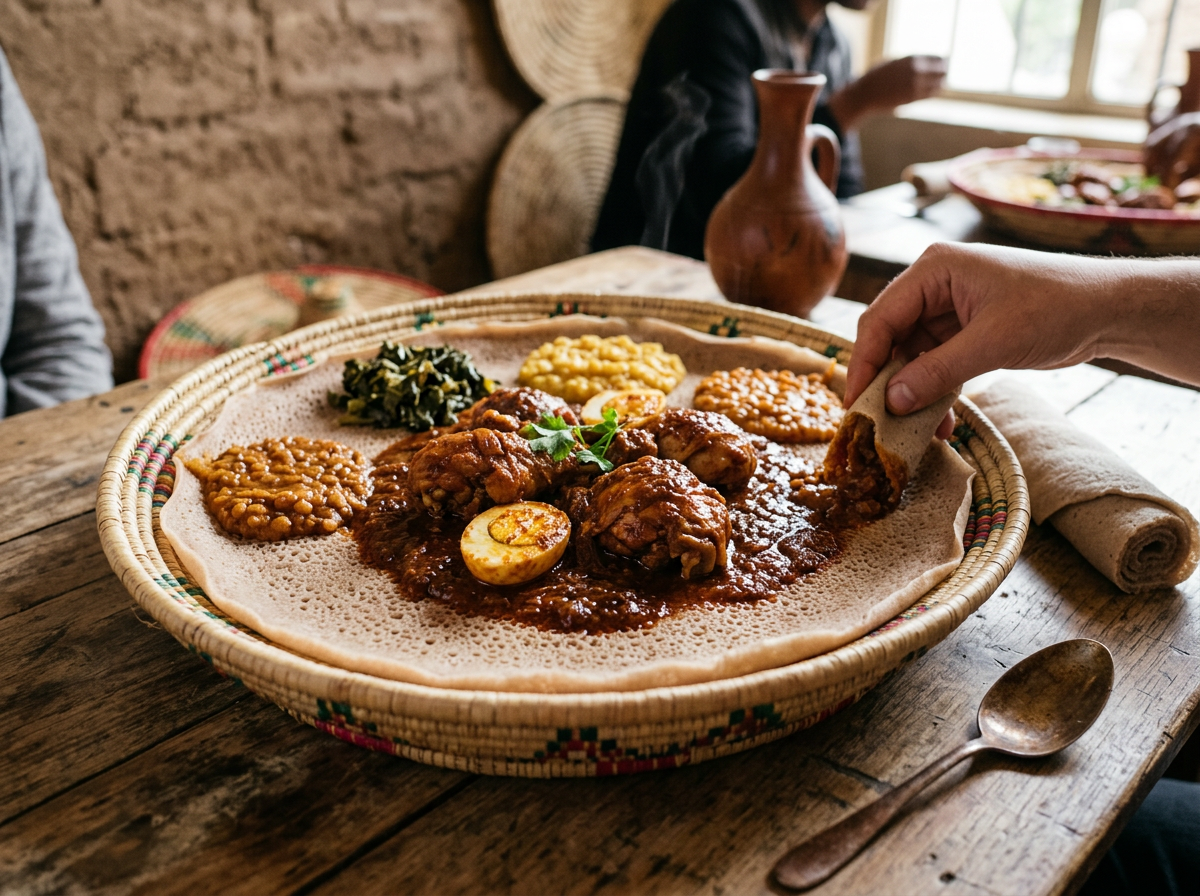
Berbere Lentil Stew
Red lentils simmered with onion, garlic, and aromatic berbere spice into a warming, naturally vegan stew inspired by the flavors of the Horn of Africa.

Injera Flatbread
The spongy, tangy Ethiopian sourdough flatbread that serves as both plate and utensil.
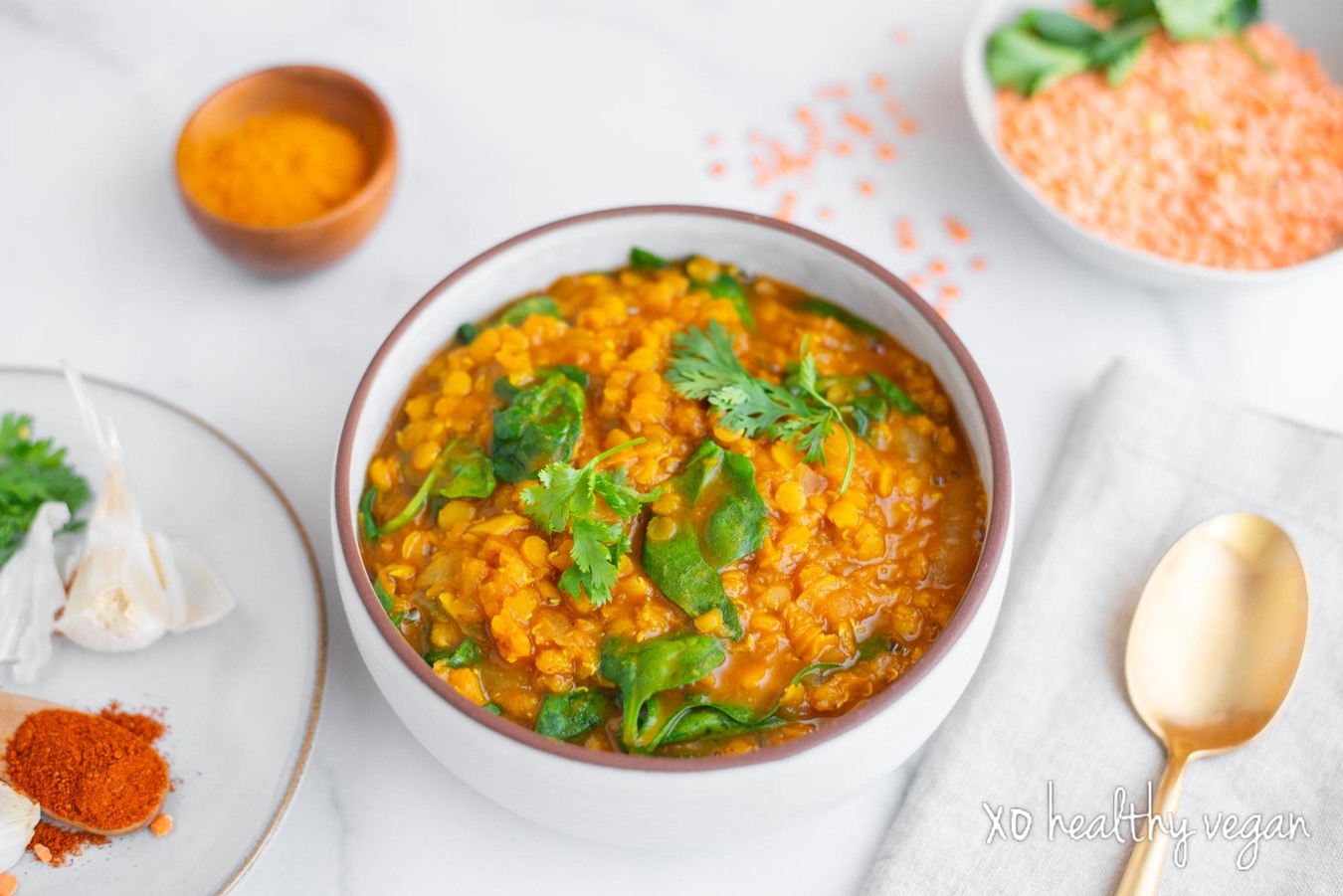
Misir Wot (Spiced Red Lentils)
Silky red lentils simmered with berbere and caramelized onion into a warming, fully plant-based stew.
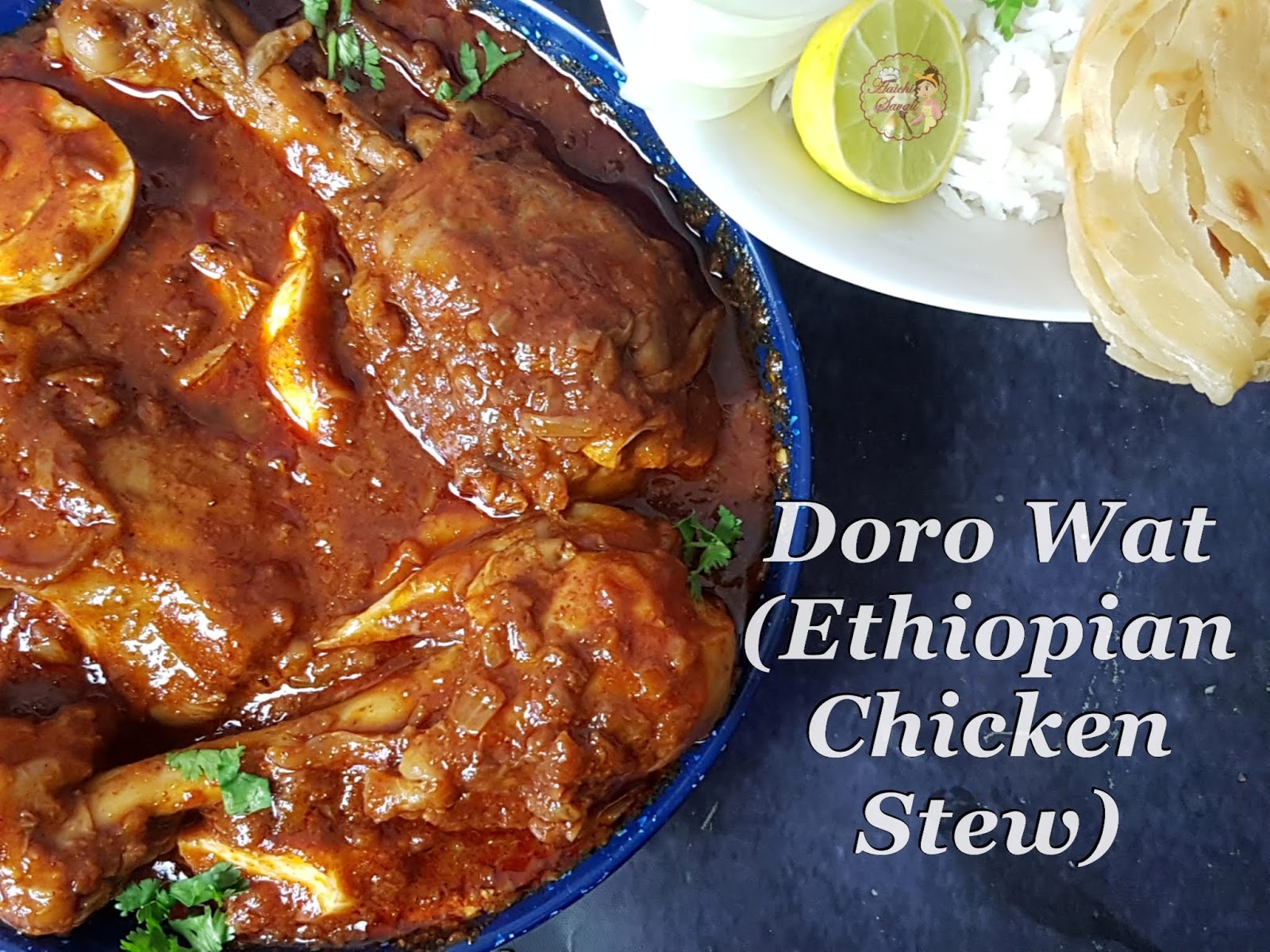
Doro Wat
A rich, deeply spiced Ethiopian chicken stew built on berbere and slow-cooked onions, served with injera.
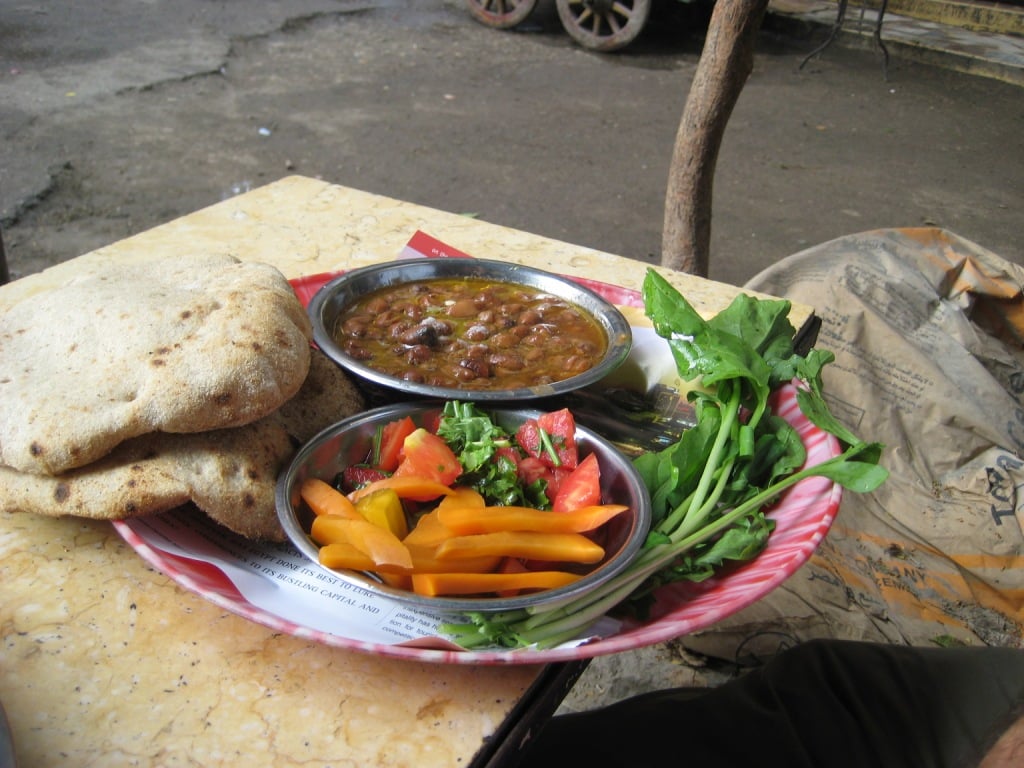
Egyptian Ful Medames
Egypt's national breakfast of slow-simmered fava beans mashed with olive oil, lemon, garlic, and cumin, hearty and protein-rich, traditionally scooped up with warm flatbread.
Explore Related Collections
Cooking Guides
Understanding Cooking Methods: Dry Heat, Moist Heat, and More
Every cooking method changes texture and flavor in a specific way. Knowing which to choose is the key to cooking anything well.
Read guideBuilding Balanced Meals: A Simple Framework
You do not need to count anything to eat well. A simple visual framework does the work for you.
Read guideEssential Kitchen Skills Every Home Cook Should Know
A short list of fundamental skills will do more for your cooking than any gadget. Here are the ones that matter most.
Read guide