
Peruvian Aji de Gallina
Shredded chicken in a creamy, gently spicy sauce of aji amarillo, walnuts, and bread, served over potato and rice.
By Palate Palace Kitchen
About This Recipe
Peruvian Aji de Gallina is a classic, comforting chicken stew known for its vibrant yellow color and mildly spicy, creamy sauce. This traditional dish beautifully showcases the distinct flavor of aji amarillo, a staple Peruvian yellow chili pepper that provides a gentle warmth rather than intense heat. It is a hearty dinner option that delivers a rich, satisfying depth of flavor.
The secret to this recipe's luxurious texture lies in its unique thickening technique. Instead of a traditional flour roux, the sauce relies on a blended paste of white bread soaked in evaporated milk, combined with finely ground walnuts and the aji amarillo paste. Gently simmering this mixture with reserved chicken poaching stock creates a velvety, nutty base that clings perfectly to the shredded chicken breast, while a final folding of Parmesan cheese adds a savory, umami-rich finish.
To ensure success, shred the poached chicken along its natural grain so it absorbs the sauce beautifully without disintegrating. If the sauce becomes too thick during simmering, simply splash in a little extra reserved chicken stock to adjust the consistency to your liking. Leftovers store incredibly well in an airtight container in the refrigerator, as the flavors continue to meld and deepen overnight.
To serve this comforting meal in the traditional Peruvian style, ladle the warm, creamy chicken over a bed of sliced boiled potatoes and fluffy white rice. This starch-rich pairing perfectly balances the richness of the nutty, spiced sauce.
Ingredients
- 500 g Chicken breast
- 3 tbsp Aji amarillo paste
- 60 g Walnuts
- 3 slices White bread
- 200 ml Evaporated milk
- 1 medium Onion
- 40 g Parmesan
- 2 medium Potato
Instructions
- 1
Poach and shred the chicken, reserving the stock.
15 min
- 2
Soak the bread in milk; blend with walnuts and aji amarillo.
5 min
- 3
Cook the onion, add the paste, then loosen with stock and milk.
8 min
- 4
Fold in the chicken and warm through; serve over sliced boiled potato and rice.
6 min
Nutrition Facts
470
kcal
Calories
34
g
Protein
30
g
Carbs
24
g
Fat
3
g
Fiber
560
mg
Sodium
Rate This Recipe
Beverage Pairings
Great pairings balance the weight and flavor of the dish: crisp, high-acid drinks refresh rich or fried food, a touch of sweetness tames spice, and light dishes suit light-bodied drinks. Both alcoholic and non-alcoholic options can shine.
Wine, Beer & Spirits
Dry rosé is remarkably versatile across savory dishes.
Serve well chilled (8–10°C).
Non-Alcoholic
A clean, neutral refresher that suits almost any dish.
Serve cold with a citrus twist.
Light and palate-cleansing — a safe, refreshing choice.
Steep at 75–80°C for 2 minutes.
You Might Also Like
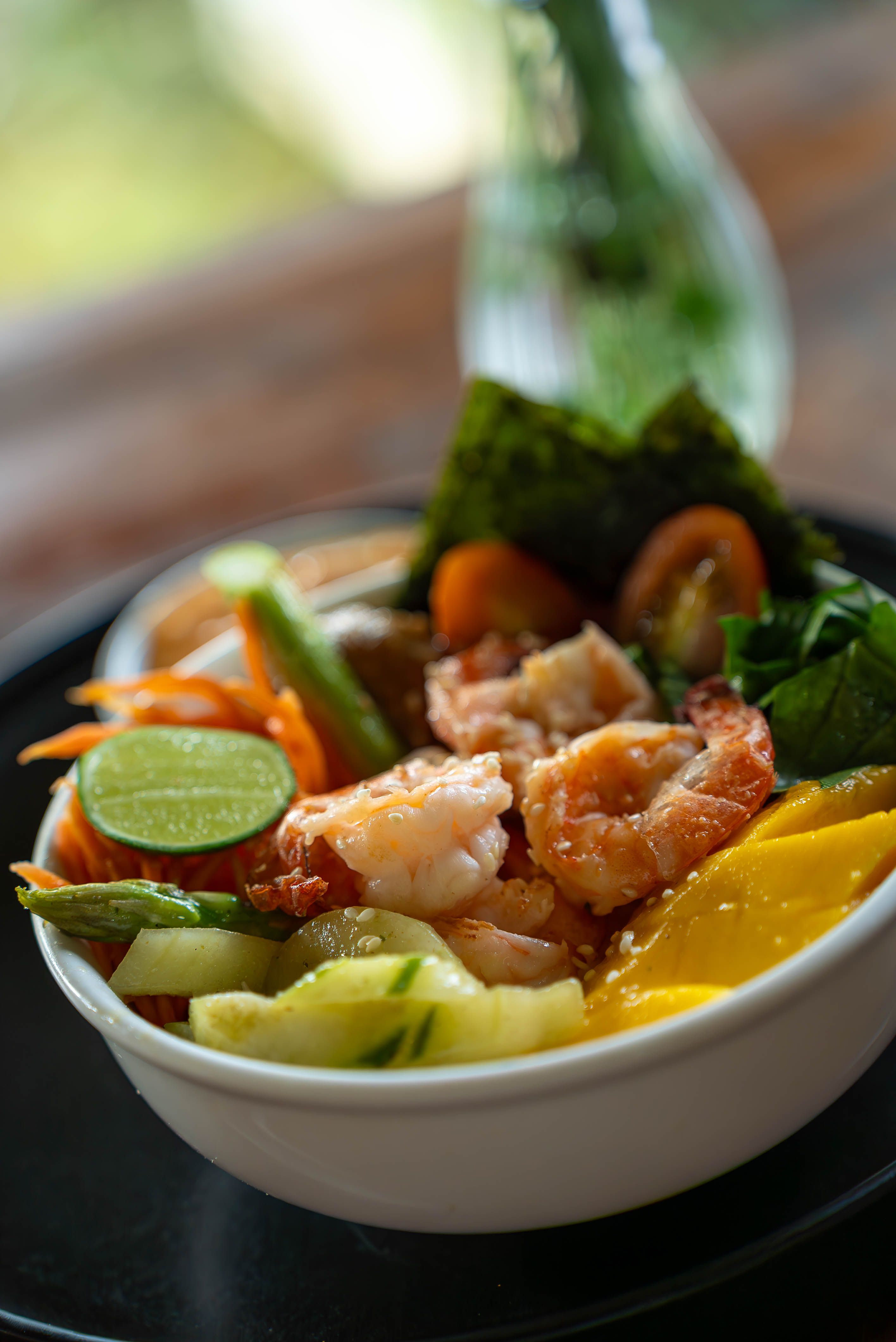
Peruvian Quinoa Vegetable Stew
A hearty Andean quinoa stew (guiso) with vegetables and aji amarillo warmth — protein-rich, vegan, and deeply comforting.

Peruvian Causa Limena
Chilled layers of lime-and-aji whipped yellow potato filled with seasoned chicken or tuna — an elegant Peruvian centrepiece.
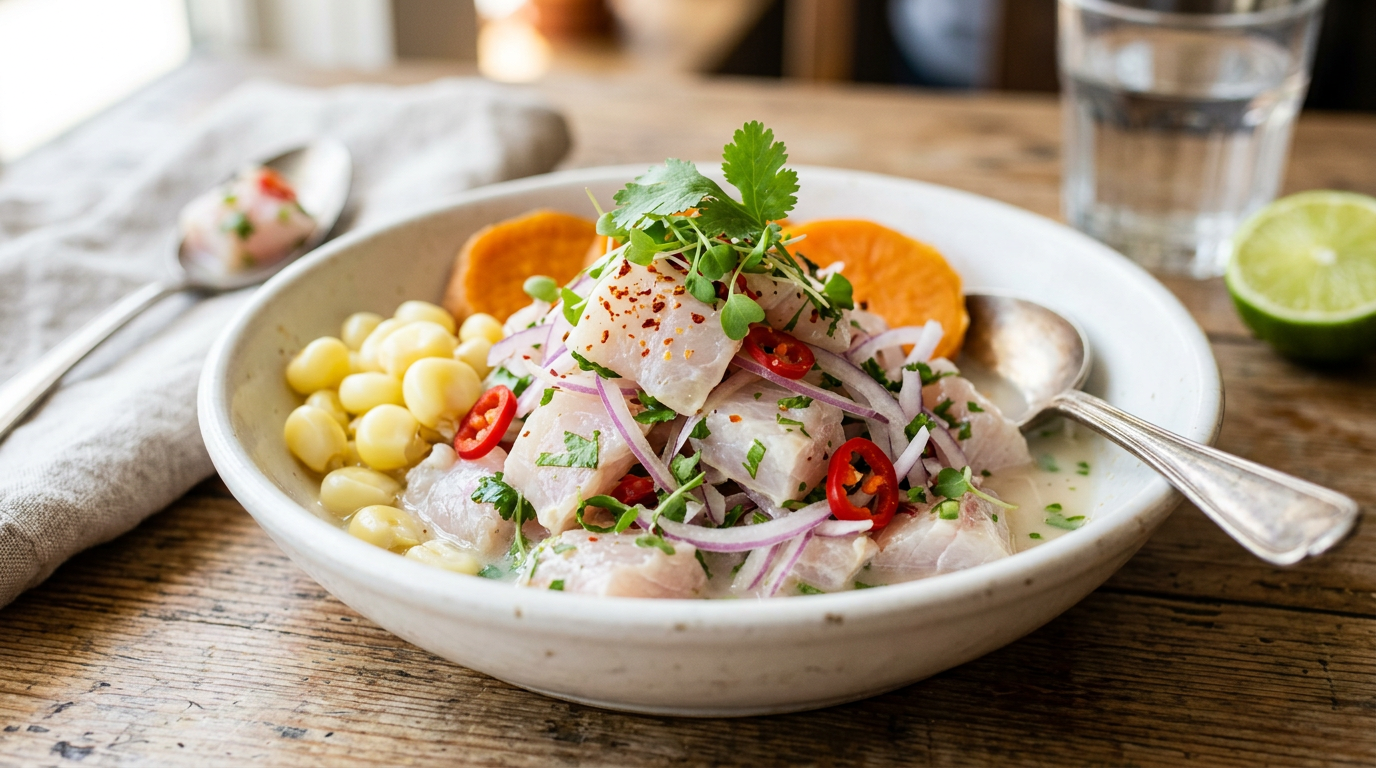
Peruvian Ceviche
Fresh white fish cured in bright lime juice with red onion, chili, and cilantro — clean, zingy, and served with sweet potato and corn.
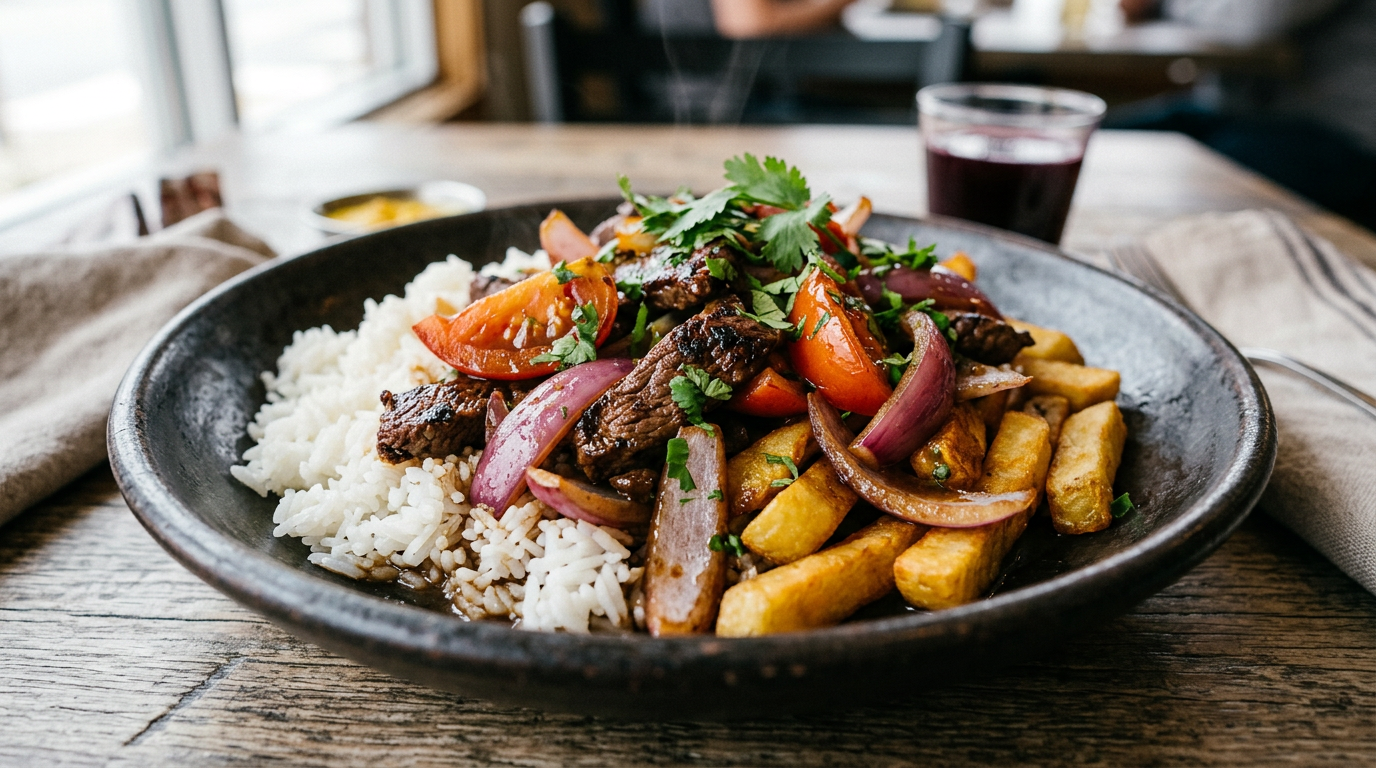
Peruvian Lomo Saltado
A Peruvian-Chinese stir-fry of seared beef, onion, and tomato deglazed with soy and vinegar, served over fries and rice at once.
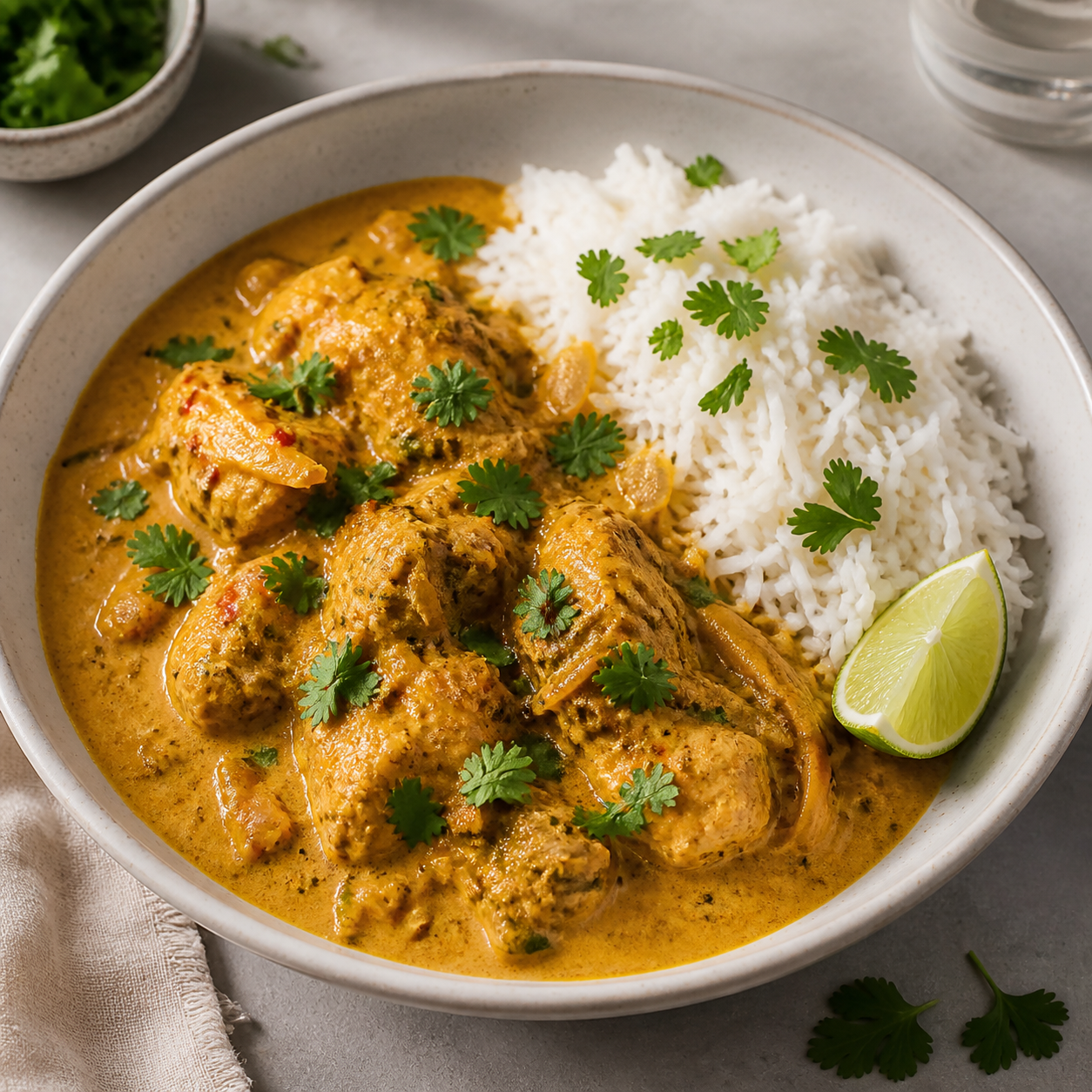
Creamy Slow Cooker Chicken Curry
Tender chicken simmered with onion, ginger, warm spices, and a silky cream finish for a comforting curry with rich flavor.
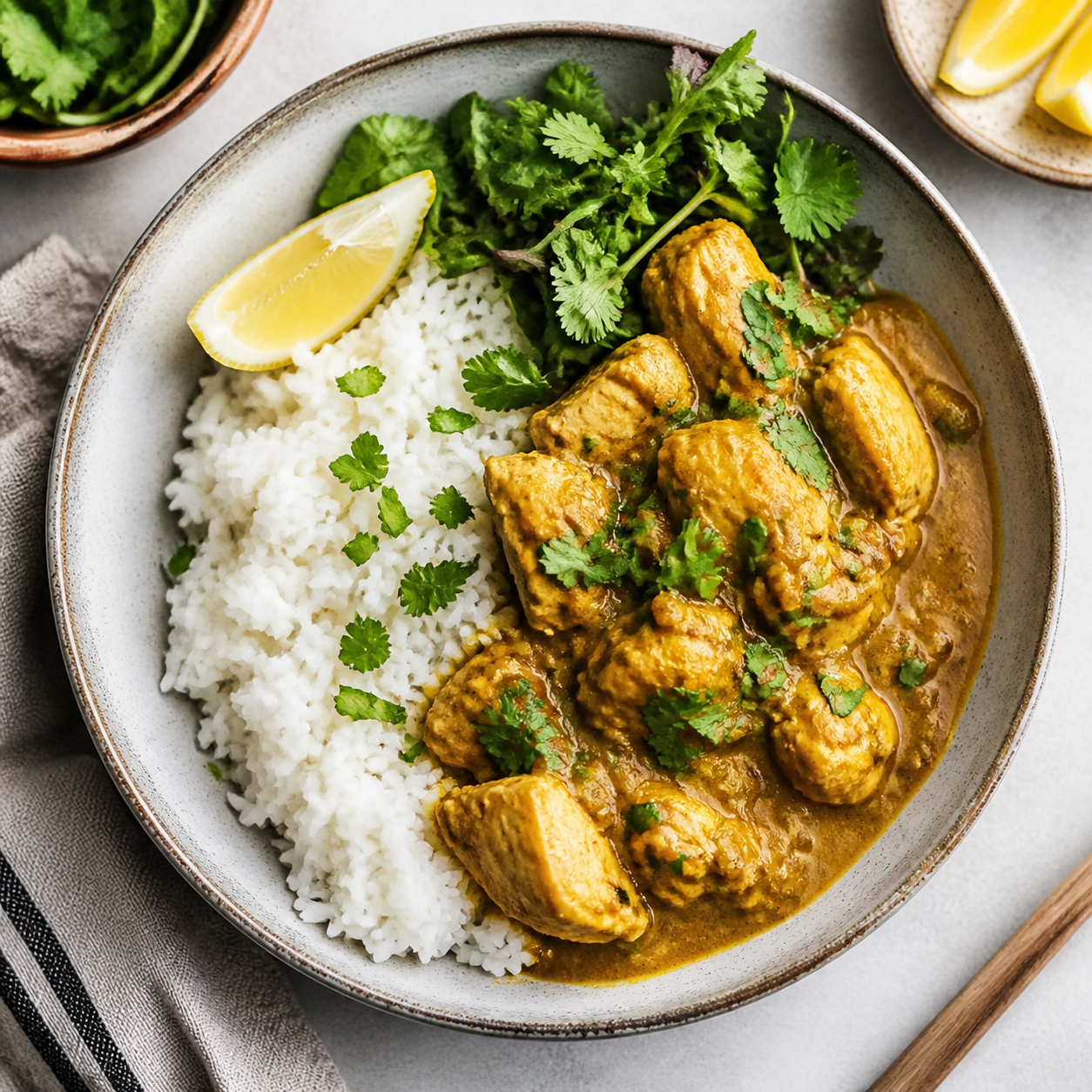
Quick Ethiopian Chicken Curry Rice Bowls
A fragrant, mildly spiced chicken curry inspired by Ethiopian flavors, finished in under an hour and served over fluffy rice for a satisfying weeknight meal.
Cooking Guides
Peruvian Cuisine: A Guide to One of the World’s Most Exciting Food Cultures
From citrus-cured ceviche to smoky stir-fried lomo saltado, Peruvian cooking has become one of the world’s most celebrated cuisines. Here is the full picture.
Read guideUnderstanding Cooking Methods: Dry Heat, Moist Heat, and More
Every cooking method changes texture and flavor in a specific way. Knowing which to choose is the key to cooking anything well.
Read guideBuilding Balanced Meals: A Simple Framework
You do not need to count anything to eat well. A simple visual framework does the work for you.
Read guide